

Language

Background

What Is Engineered Wood Flooring? Structure, Advantages, Limitations and Applications

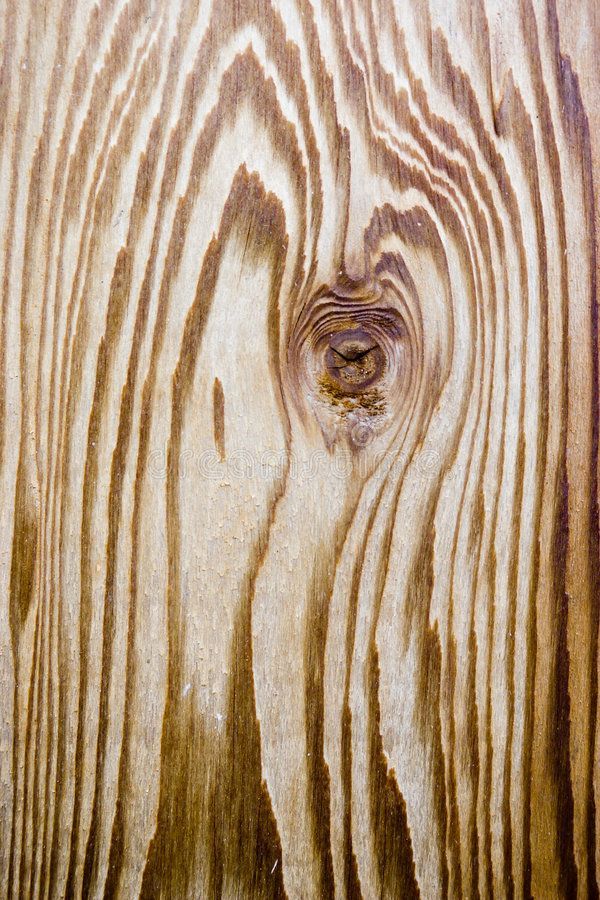
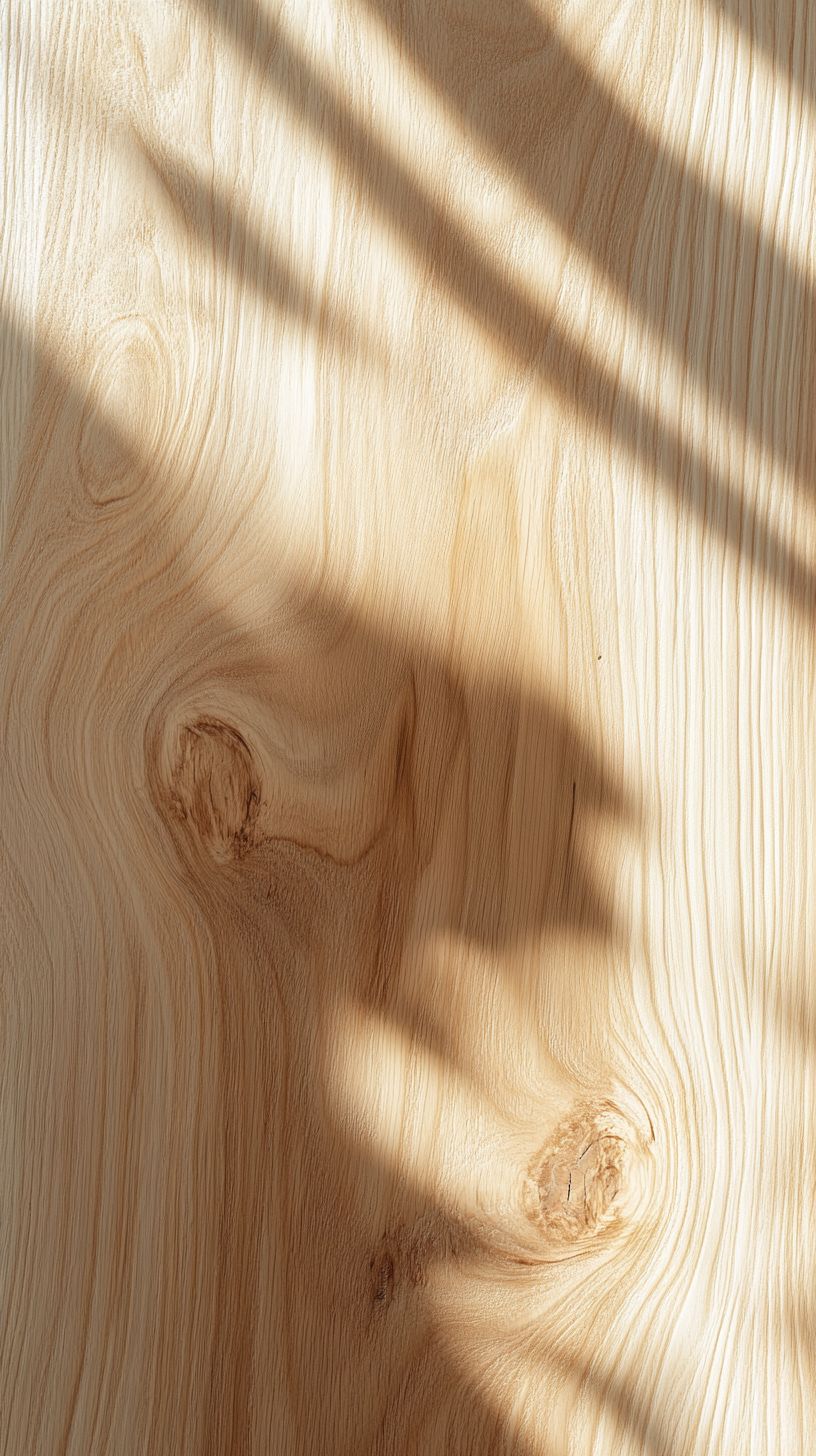
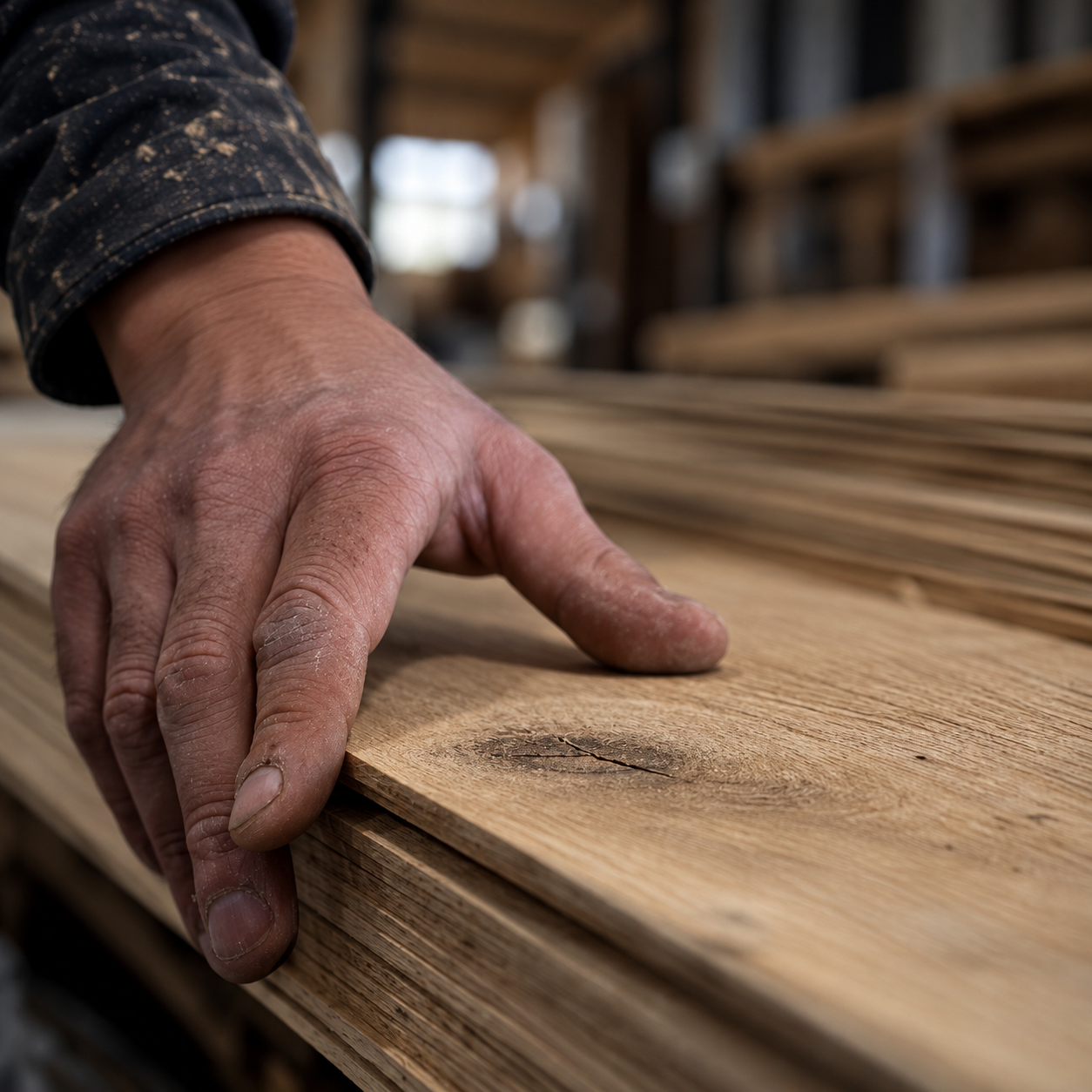
Every wood grain is a singular composition, shaped by time and the natural forces that formed it.

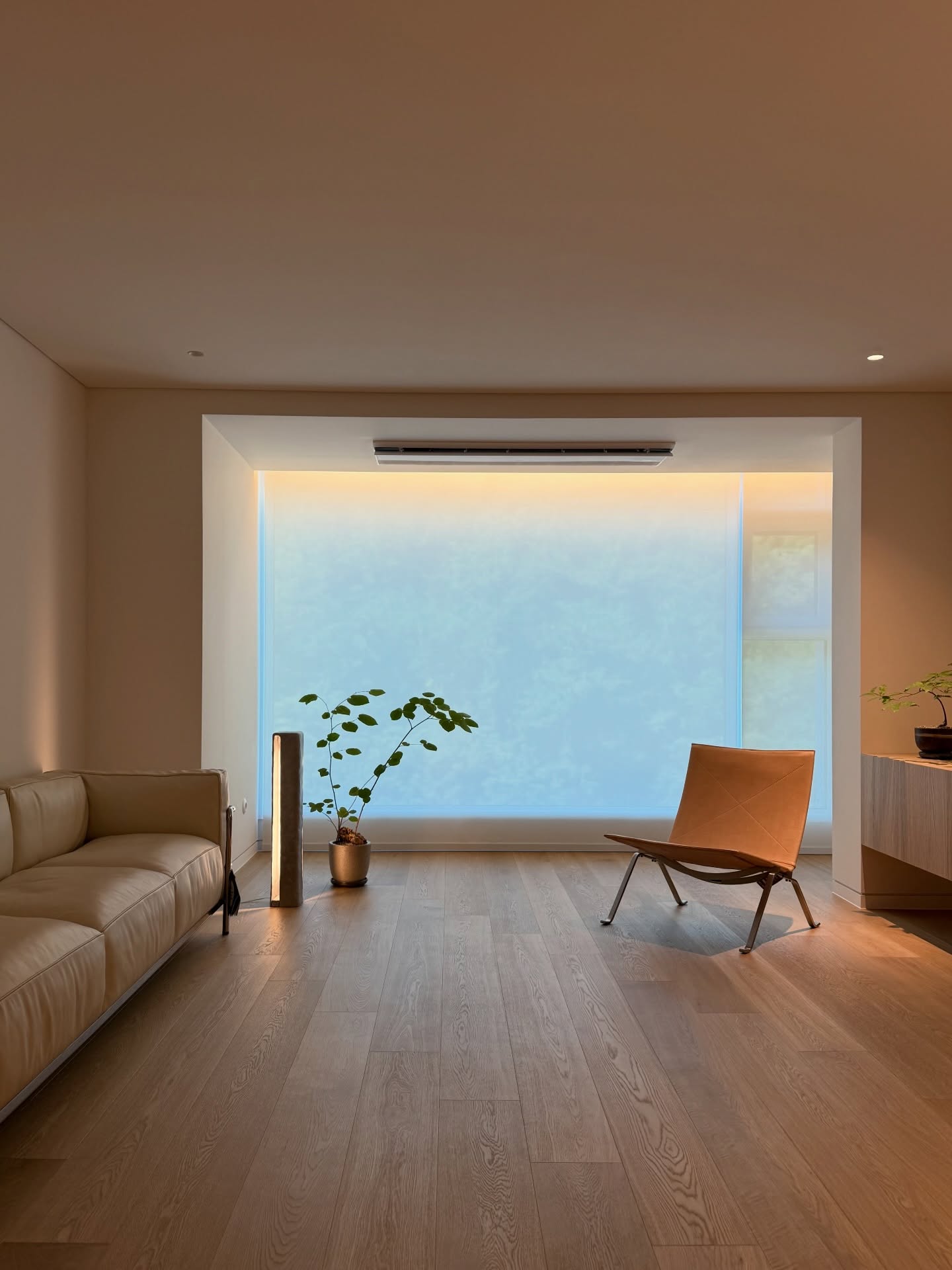
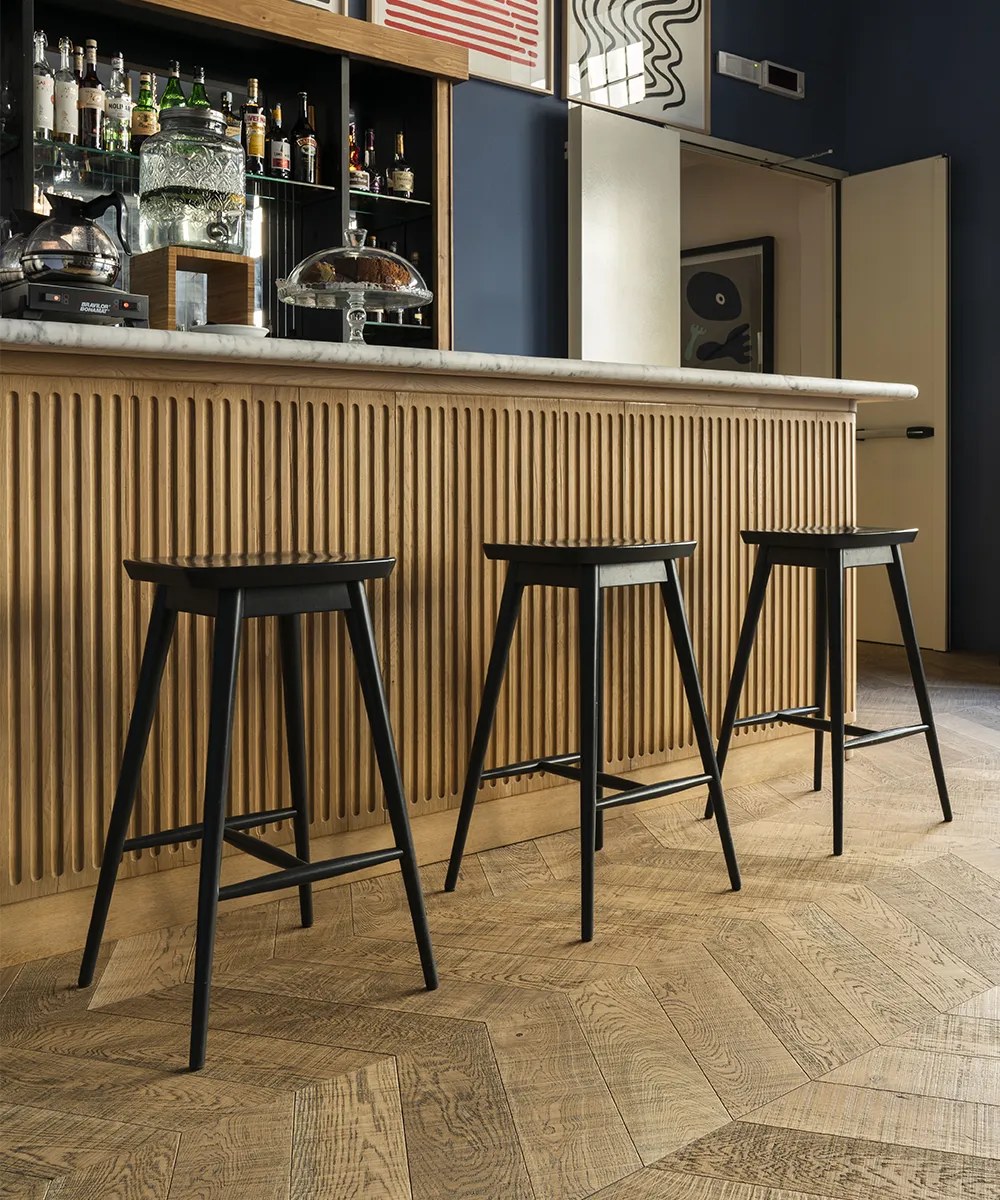
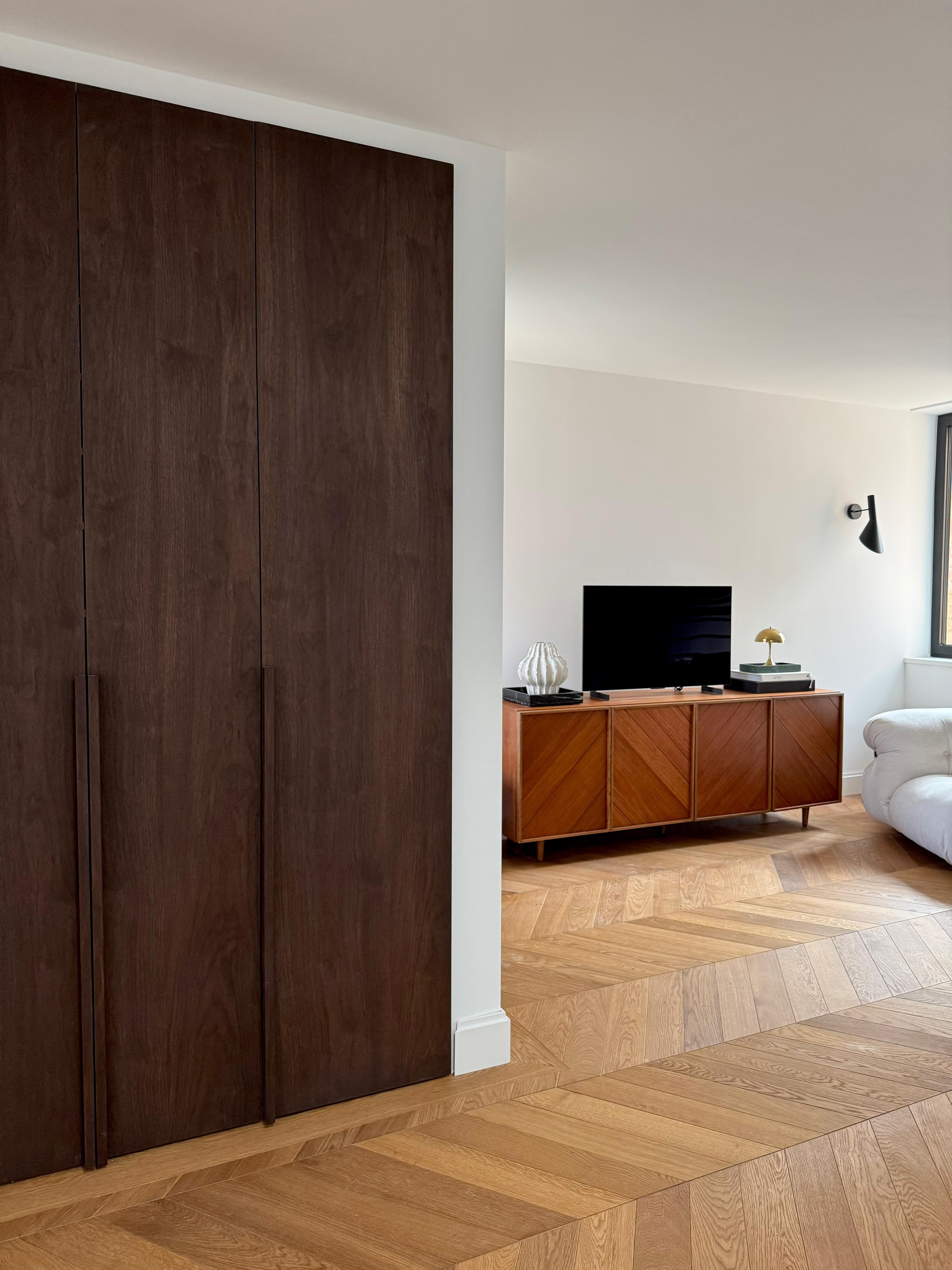
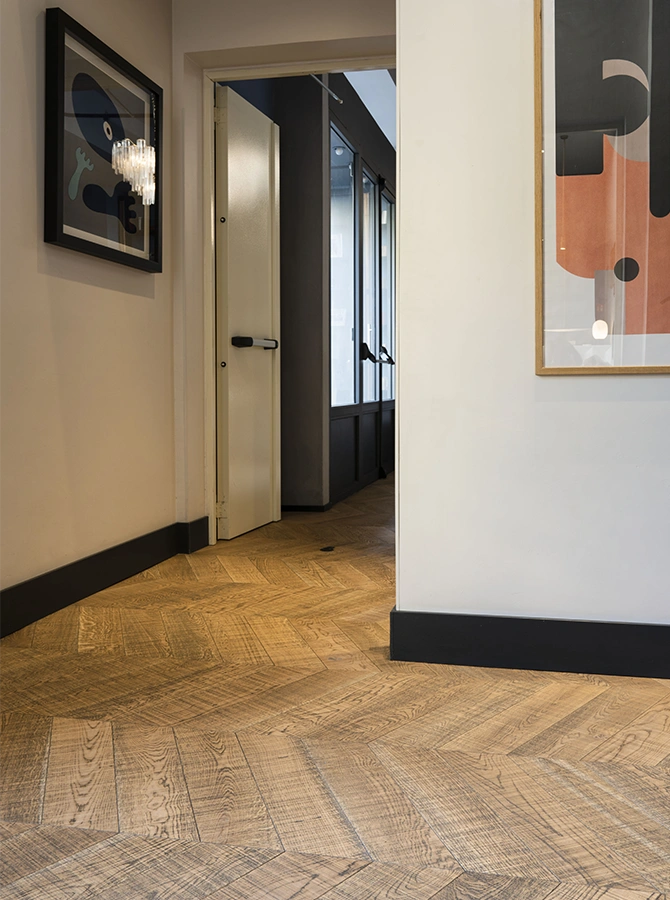
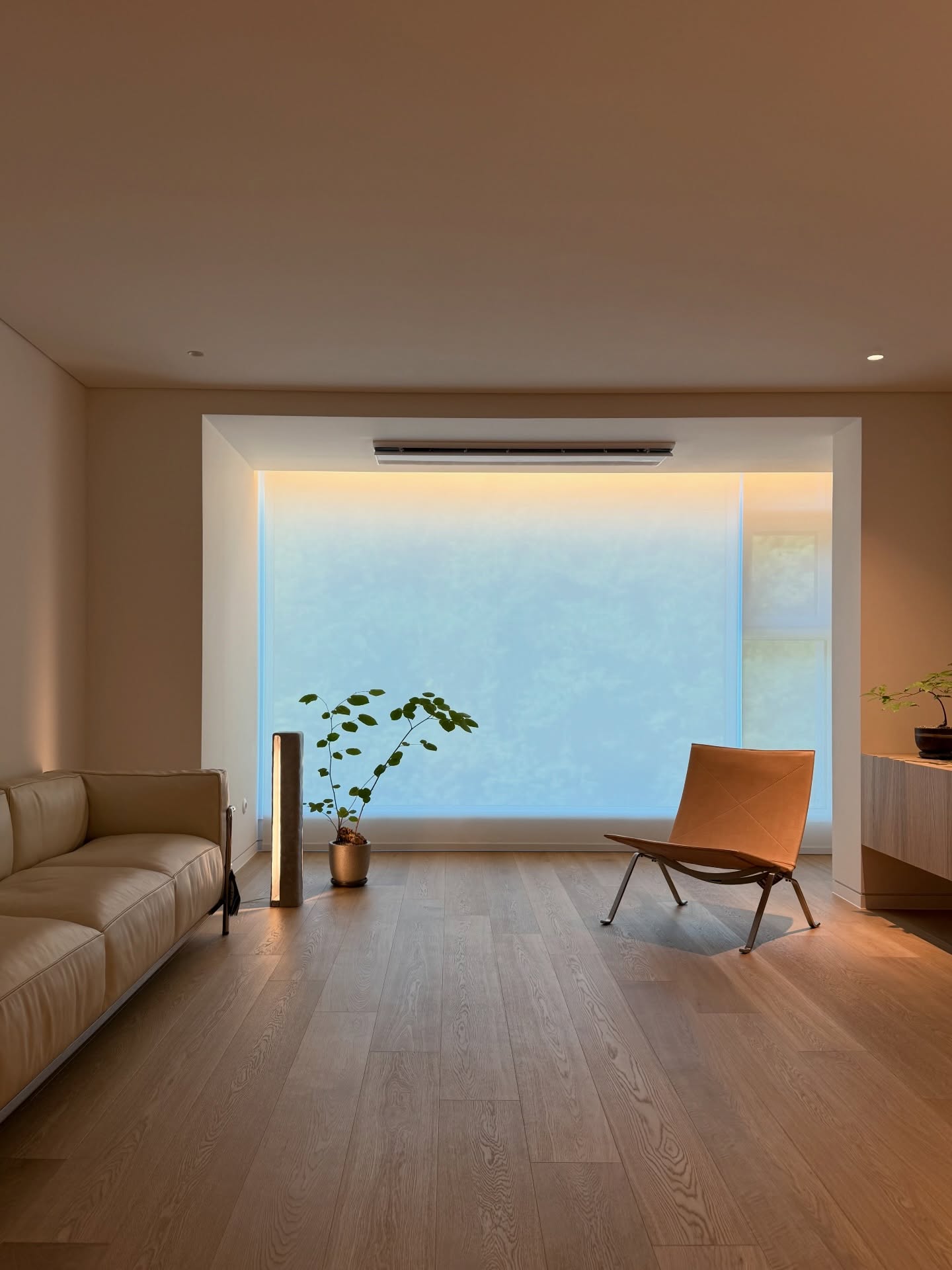
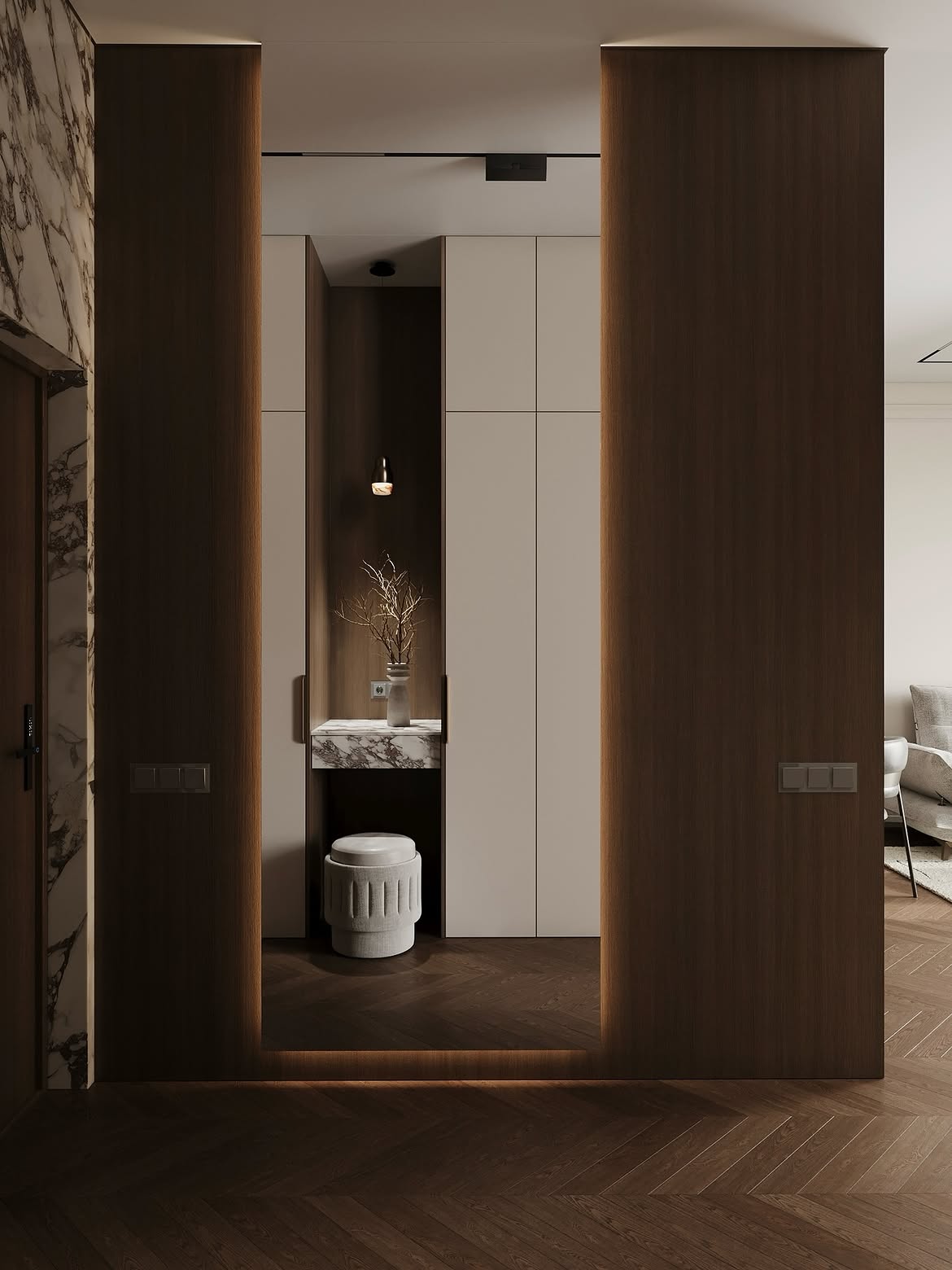
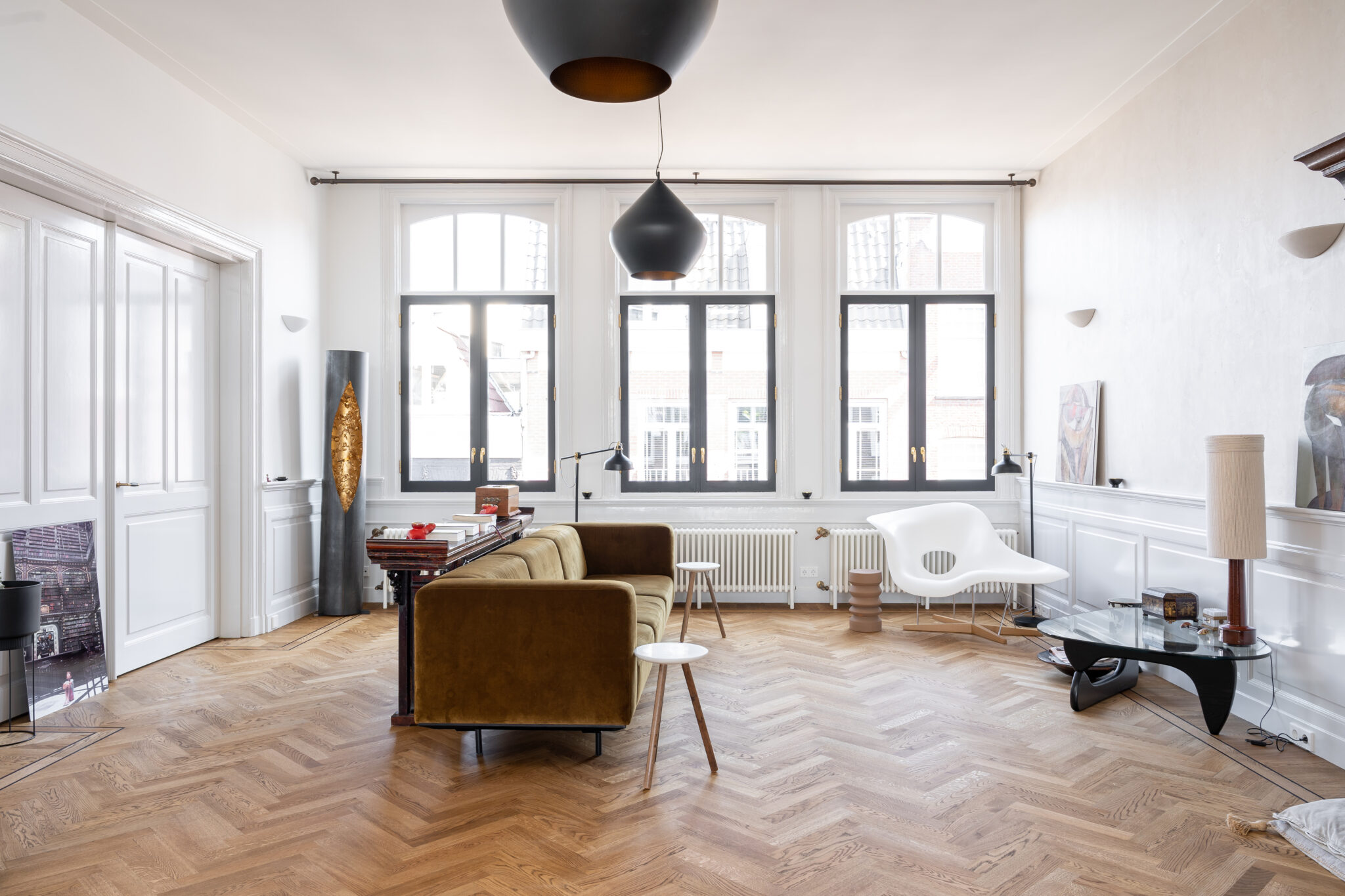
In recent years, engineered wood flooring has become increasingly common in refined living spaces. It retains the natural character of real wood while using an engineered construction better suited to contemporary climates and patterns of use. So what is engineered wood flooring, how durable is it, and when does it make sense to choose it? The sections below explain its construction and practical applications.

What Is Engineered Wood Flooring?

Engineered wood flooring is built from multiple wood-based layers. The surface is real natural wood, while the layers beneath are processed and bonded to improve dimensional stability.

Unlike solid wood flooring, engineered wood is designed to reduce expansion, contraction and warping as environmental conditions change.

Engineered Wood Flooring Structure

An engineered wood floorboard typically consists of three main layers:

Surface Layer (Top Layer): The surface is finished with an oil-based system that penetrates the wood grain, helping protect the board while preserving a natural tactile quality.

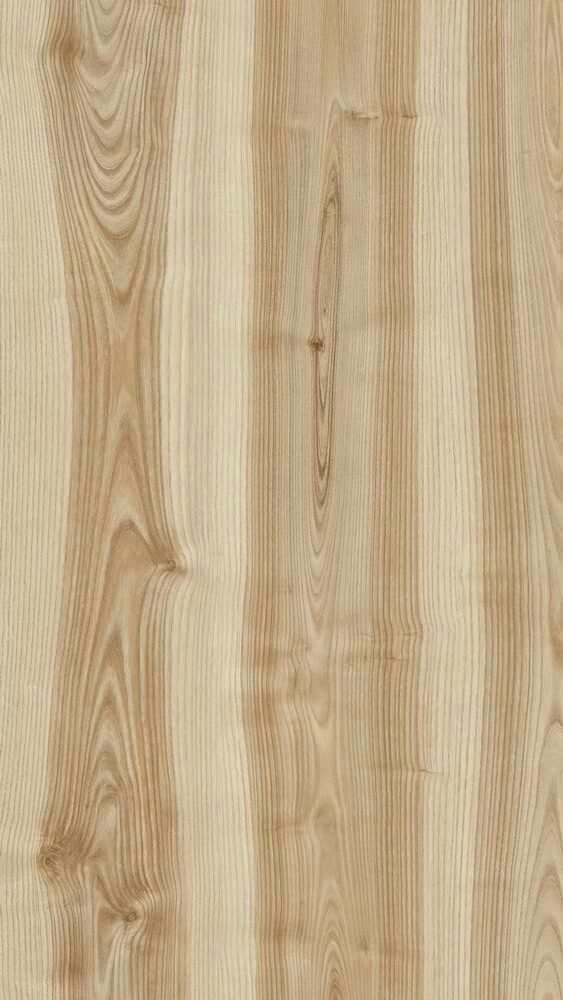
Natural Wood Layer (Core Layer): This is the natural wood layer — such as Oak, Walnut, Teak or Ash — that defines the visual character and surface performance of the product.

Plywood Layer: A Birch Plywood support layer bonded with D3-class vinyl adhesive improves dimensional stability. Its primary role is to carry load, stabilise the structure and balance stresses that could otherwise contribute to warping.

Explore the Structure in Detail

Advantages of Engineered Wood Flooring

Improved Stability: Its multilayer construction makes engineered wood less sensitive to humidity and temperature changes than solid wood.

Retains the Beauty of Natural Wood: Because the visible surface is real wood, the material retains the warmth, grain and tactile character associated with natural timber.

Suitable for a Wide Range of Spaces: It can be used in apartments, villas and other interiors where both material quality and appearance matter.

Limitations to Consider

Despite its advantages, engineered wood flooring also has limitations:

• It cannot be sanded as many times as solid wood

• Quality depends heavily on manufacturing standards

• It generally costs more than laminate flooring

Engineered Wood Flooring vs. Solid Wood

Solid wood flooring offers a "more original" material experience and can last for many years, but it is more sensitive to environmental changes.

Engineered wood flooring is designed to balance natural appearance with greater dimensional stability, making it better suited to many contemporary climates and patterns of use.

Learn More: “What Is Natural Wood?”
NOËL wood flooring in a child’s bedroom
F★★★★ adhesive quality testing for wood flooring

Should You Choose Engineered Wood Flooring?

Engineered wood flooring is worth considering if you are looking for:

• The natural beauty of real wood

• Greater stability as climate conditions change

• A material suited to refined interior spaces

When manufactured and installed to appropriate standards, engineered wood flooring can provide long-term performance while preserving the visual value of natural timber.

Warranty Policy

View warranty terms

Engineered Structure

Explore the engineered wood layers

Laying Systems

Explore flooring patterns
Zalo Call
SAMPLE BOX

Exclusive Sample Collection

Request our wood flooring sample set.

Select wood type / tone
Oak - Light / Natural Tone
Walnut - Deep Tone
Ash - Natural
Teak - Natural
Herringbone / Chevron
Straight Lay