Vietnam (VIE)
 English (ENG)
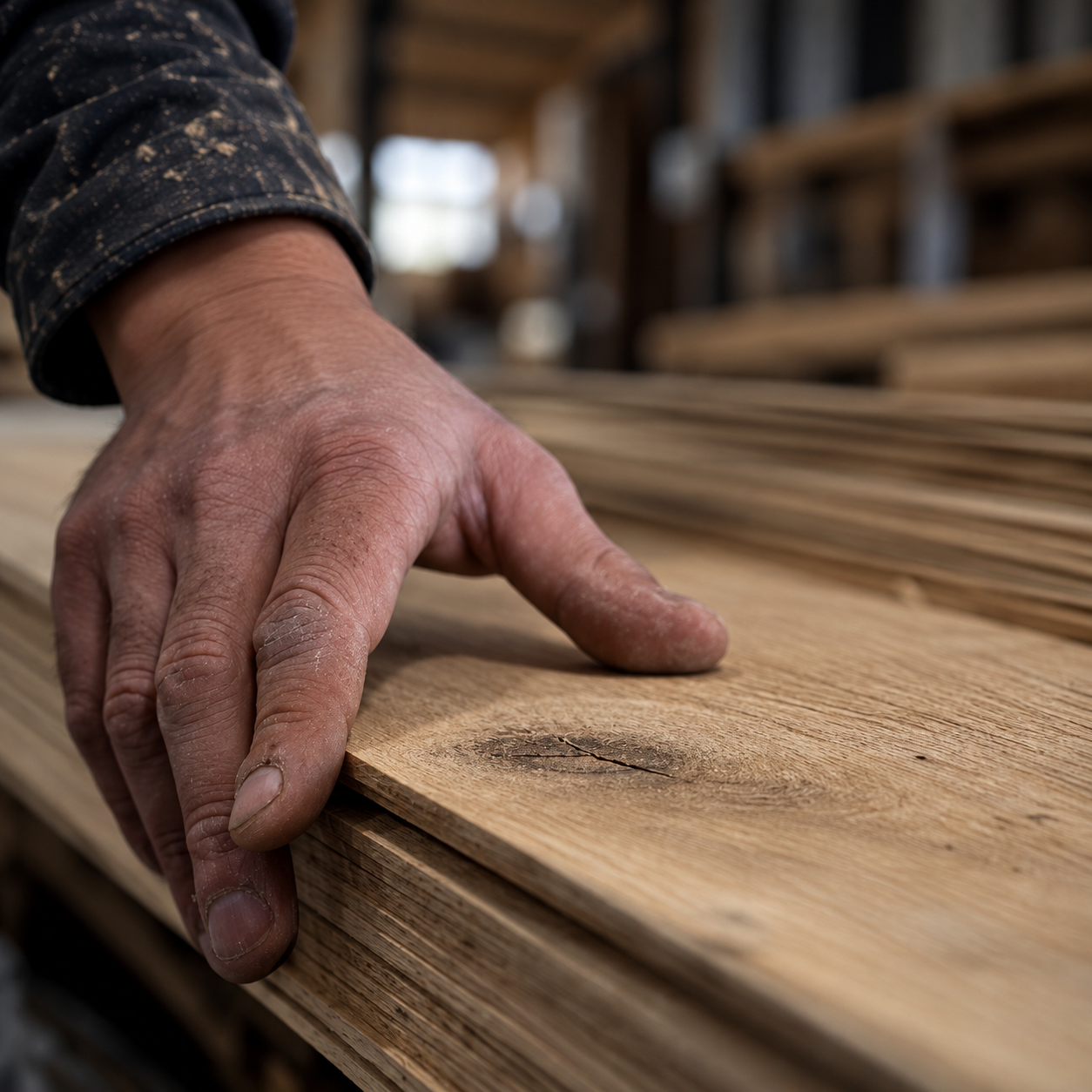
NOËL Parquet brings the natural beauty of wood into architecture as an enduring material language.
Solid wood flooring is cut from a single piece of timber, making it more susceptible to seasonal expansion, shrinkage, and warping. By contrast, engineered wood flooring uses a layered construction in which a natural hardwood wear layer is stabilized by cross-laminated Birch Plywood. This structure helps control dimensional movement while preserving the authentic appearance and feel of real wood.
Board dimensions directly influence how a space is perceived. NOËL recommends considering the following factors:
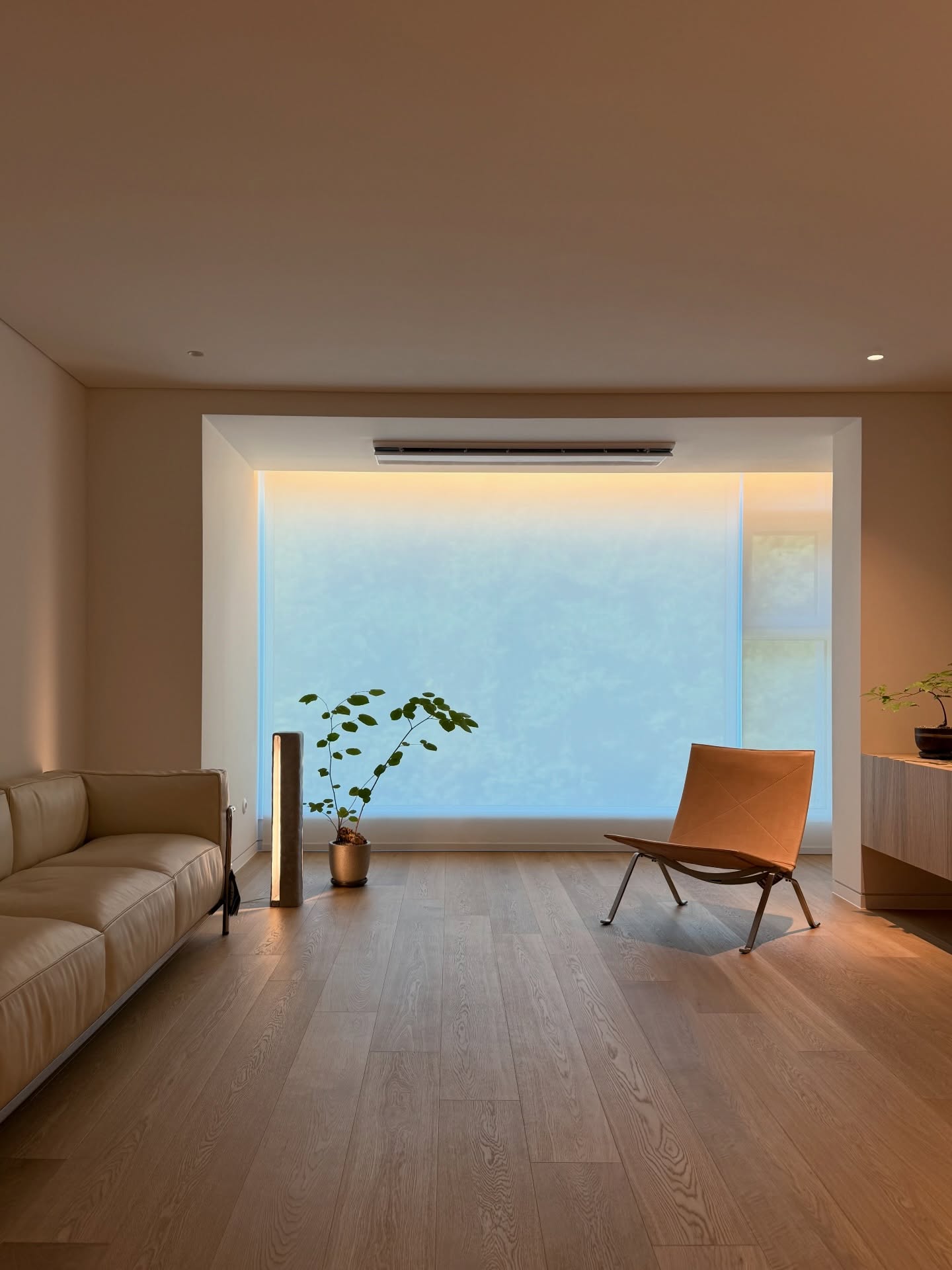
Spatial proportion: Larger rooms can benefit from wider boards, which reinforce scale and reduce the number of visible joints. In smaller spaces, medium-width boards often create a more balanced, refined proportion.
Visual effect: Laying boards along the length of a room or in the direction of natural light can visually extend the space and enhance its sense of depth.
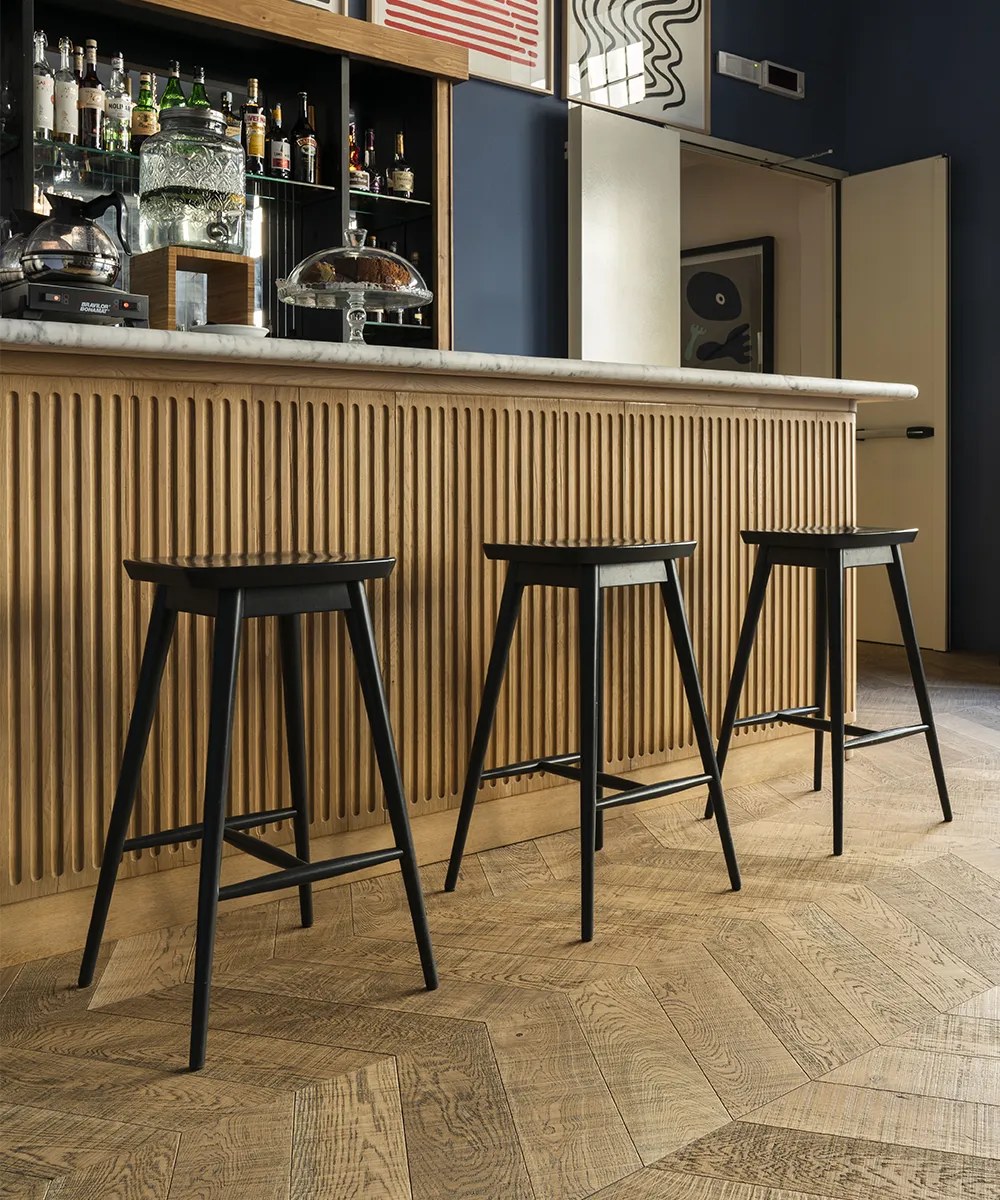
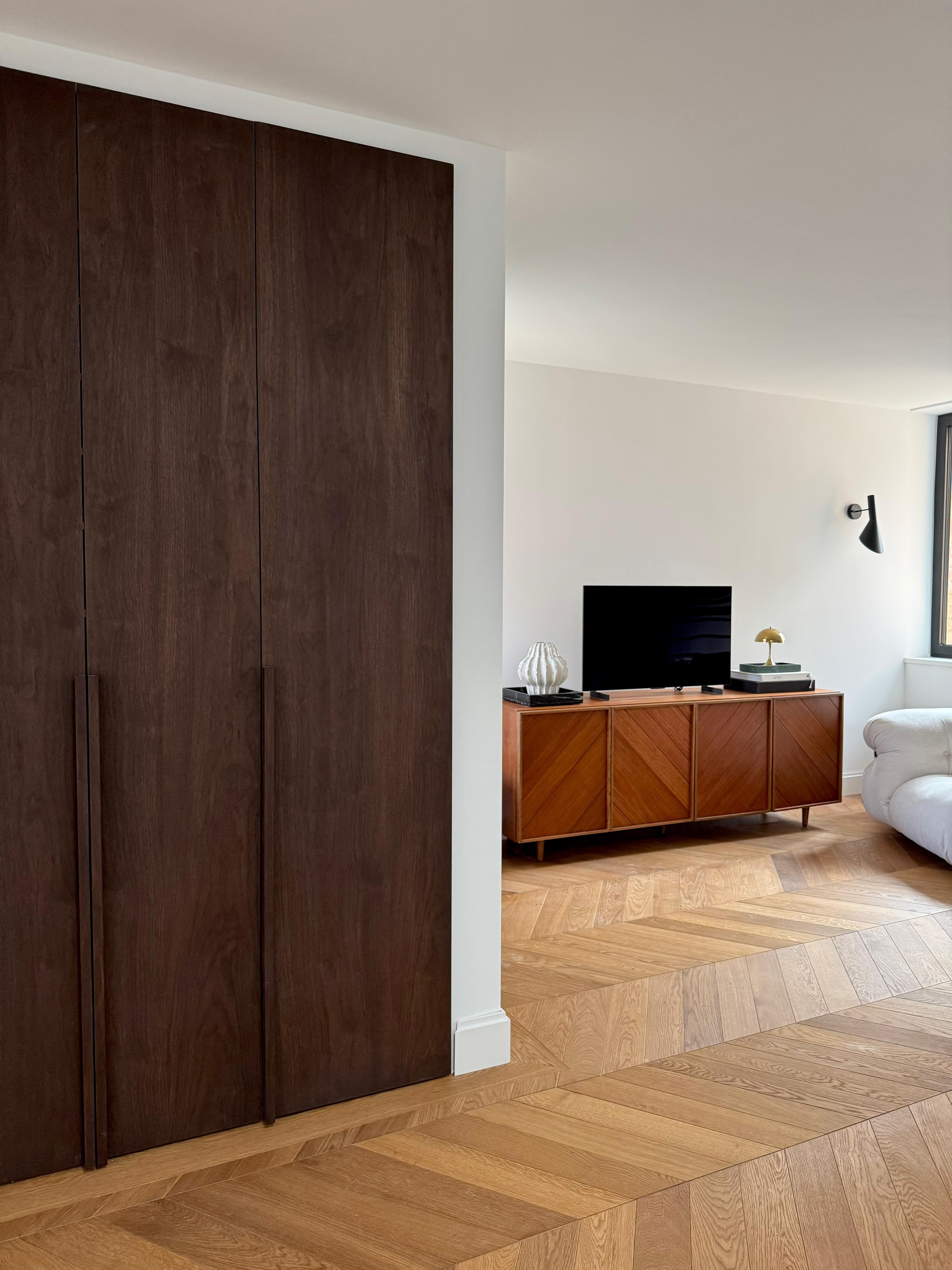
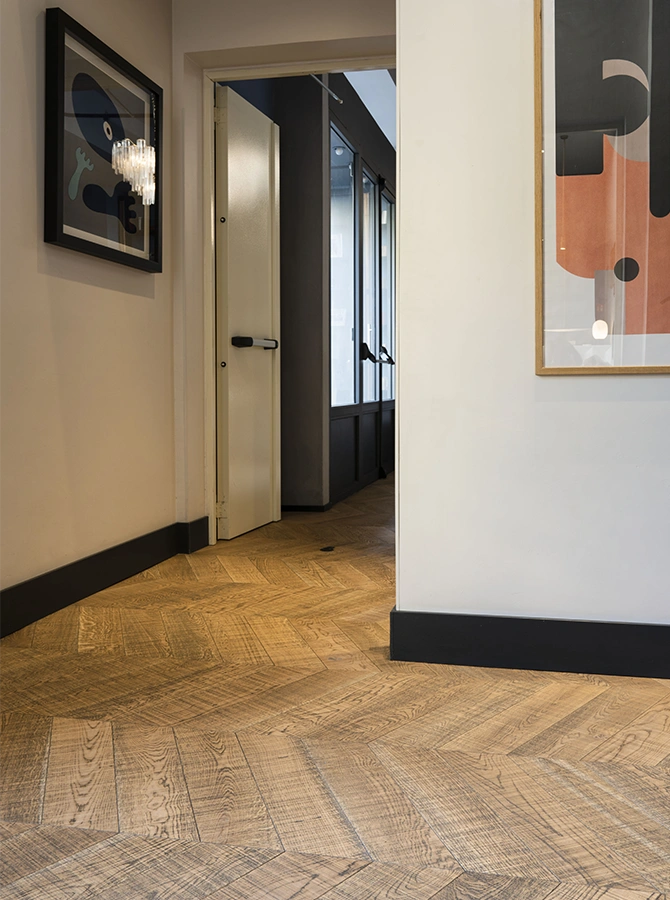
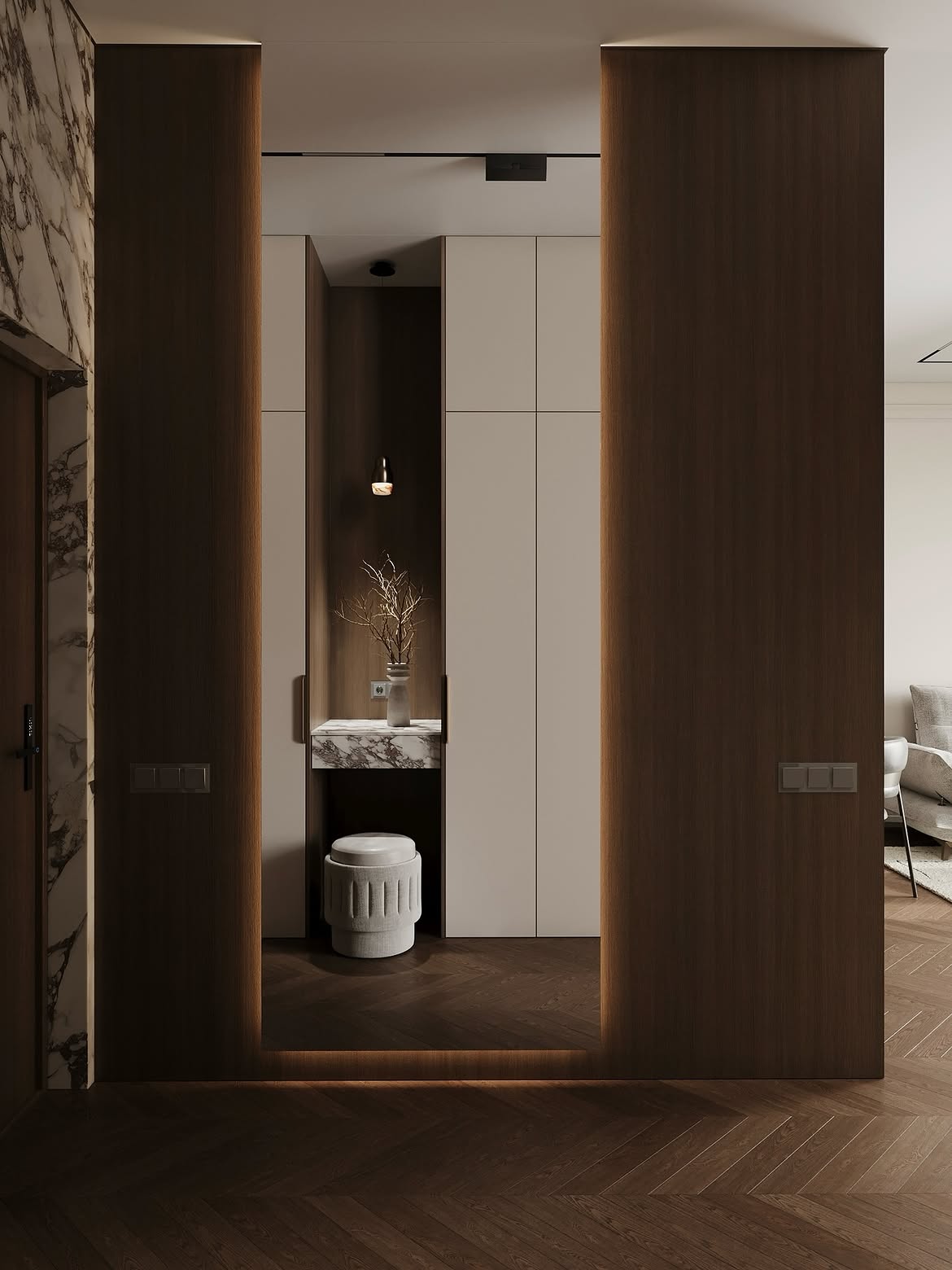
Personal aesthetic: You may choose a classic straight lay for understated elegance, or a more expressive pattern such as Herringbone to create a distinctive architectural accent.
Installation quality depends on installer workmanship, substrate flatness, and the use of appropriate installation materials such as adhesives and underlay. NOËL Parquet is committed to a installation process built around professional installation standards.
Yes. Our technical team can visit the site to take measurements, assess substrate moisture, and recommend suitable flooring options for the space.
We provide a 12-month warranty for installation-related issues and a 10–25 year product warranty depending on the flooring range. Reported issues are handled within 48 hours. See the warranty policy from NOËL.
Dimensional stability is measured in laboratory conditions according to UNI EN 1910. By combining multi-layer Birch Plywood with a dedicated vinylic adhesive system, engineered wood flooring NOËL flooring resists bending forces and maintains structural stability through changes in temperature and humidity.
Yes, when installed according to the required system conditions. Wood distributes heat evenly and offers natural thermal comfort, while NOËL's engineered construction is designed to remain stable when used with compatible underfloor systems.
Kitchens can be suitable when the protective surface finish and installation conditions are properly managed. In dry bathroom zones, installation is possible when the specified installation process , including perimeter moisture protection and joint-sealing measures are followed.
An oil finish penetrates into the wood fibers rather than forming a plastic-like film on the surface, preserving a more natural tactile character. The product is tested to French VOC Label Class A+ indoor-air safety requirements and can be locally maintained or restored more easily.
NOËL states that its adhesives and surface finishes do not use added formaldehyde-based materials that would compromise indoor air quality. Products are specified to meet Europe's very-low-emission Class A+ requirements.
Technical test reports document measured product performance such as hardness, abrasion resistance, or water resistance. Certifications such as CO/CQ, FSC, and CARB P2 address sourcing, compliance, or production requirements within their respective scopes.
Remove dust regularly and clean with a well-wrung damp cloth and a suitable neutral cleaner. Avoid excessive water, as mineral residue can dull the protective oil finish.
With natural oil finishing and textured surface treatments that reveal the grain, everyday use gradually develops a patina rather than a peeling film. Over time, the surface can gain greater warmth and visual depth.