

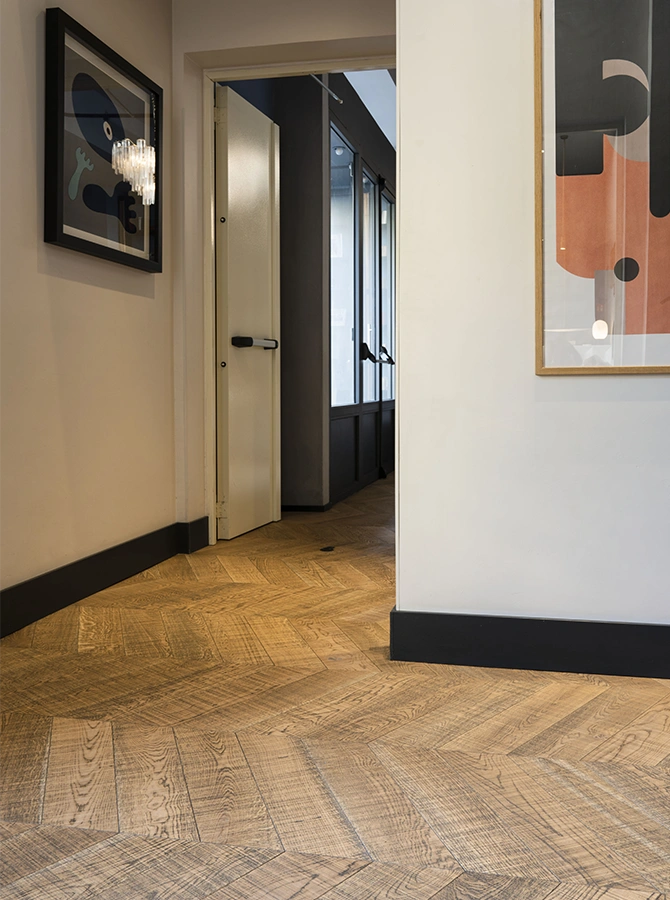

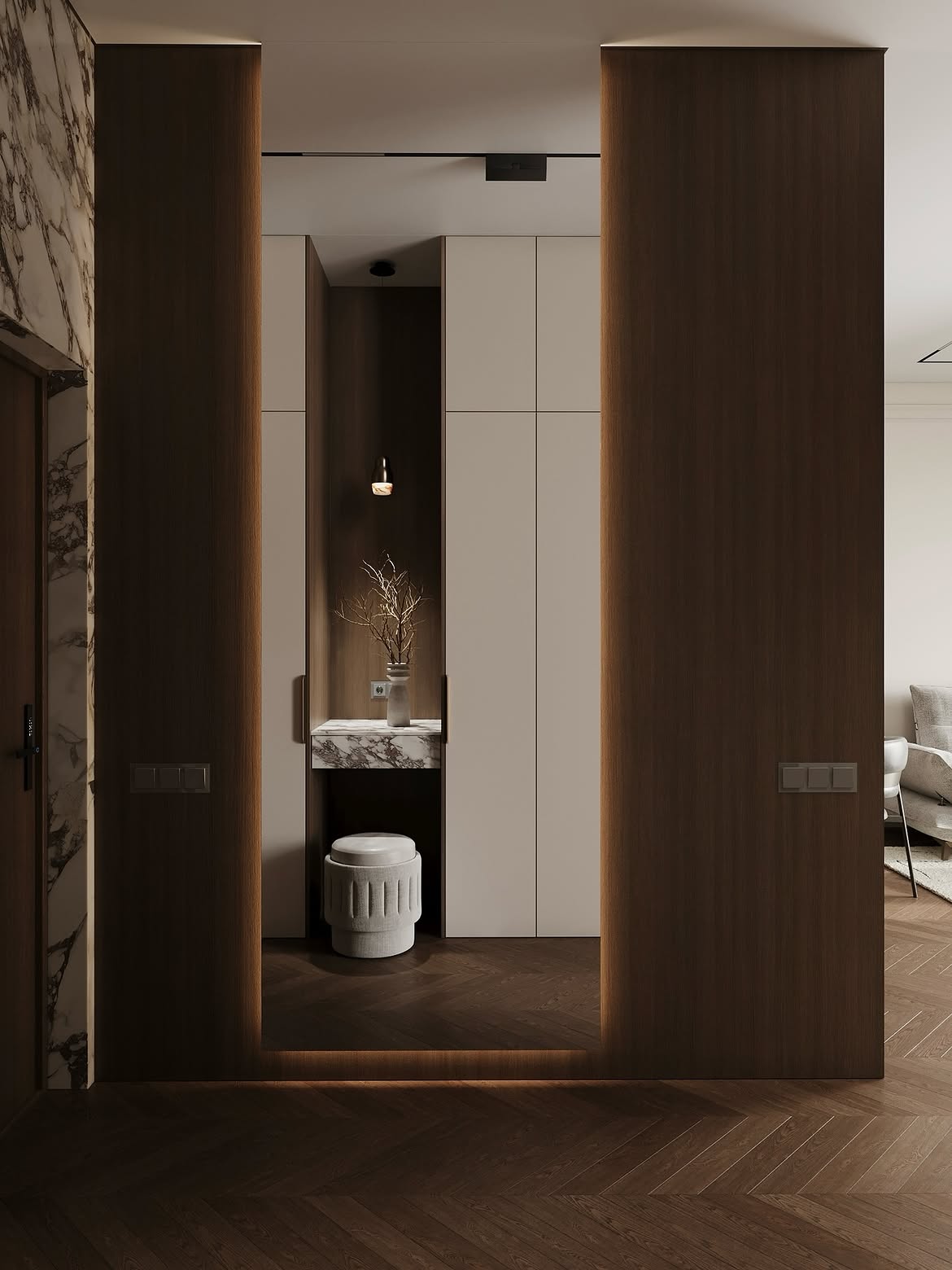



What Is Engineered Wood Flooring?
Engineered wood flooring is built from multiple wood-based layers. The surface is real natural wood, while the layers beneath are processed and bonded to improve dimensional stability.
Unlike solid wood flooring, engineered wood is designed to reduce expansion, contraction and warping as environmental conditions change.
Engineered Wood Flooring Structure
An engineered wood floorboard typically consists of three main layers:
Surface Layer (Top Layer): The surface is finished with an oil-based system that penetrates the wood grain, helping protect the board while preserving a natural tactile quality.
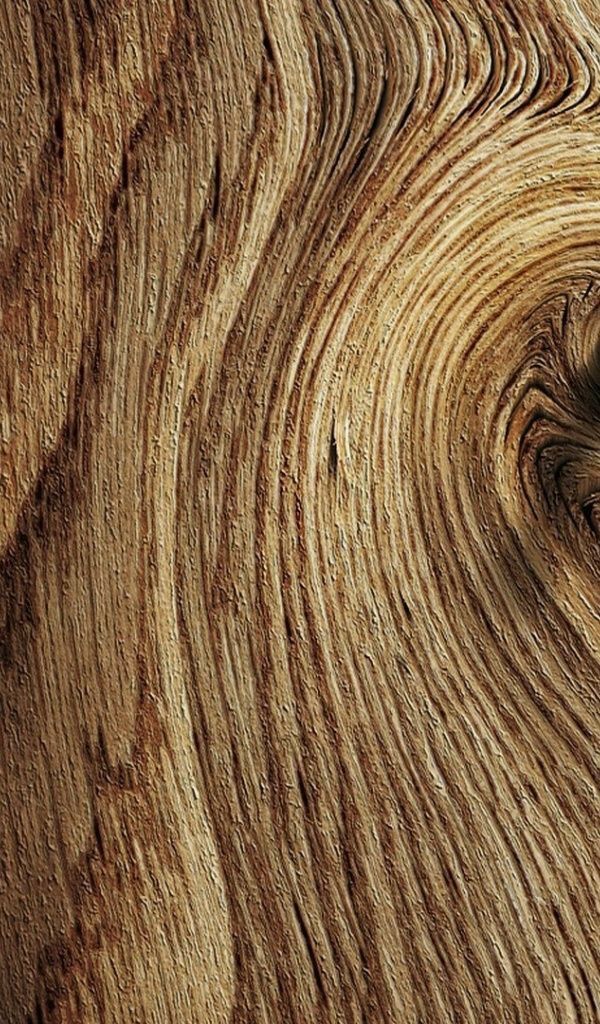
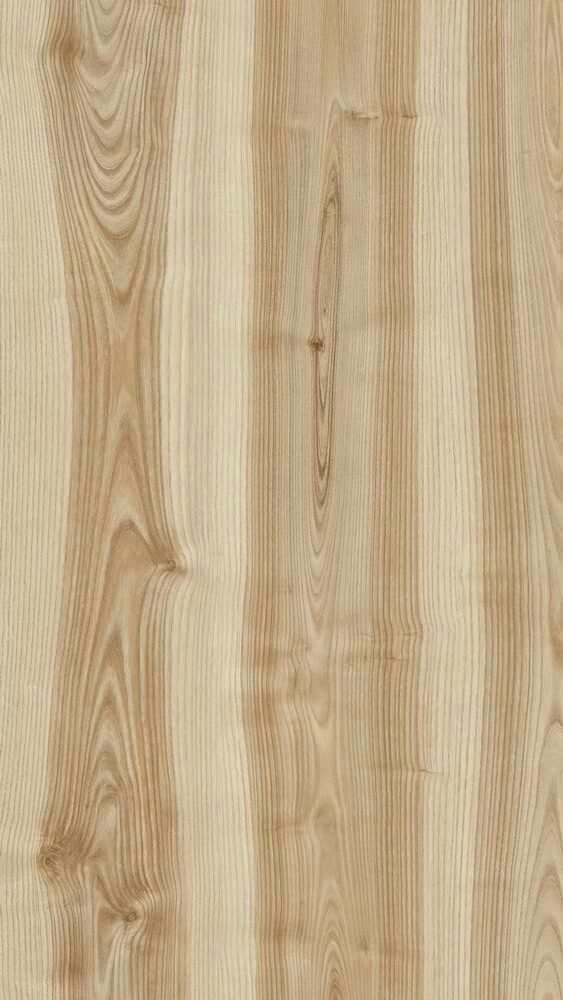
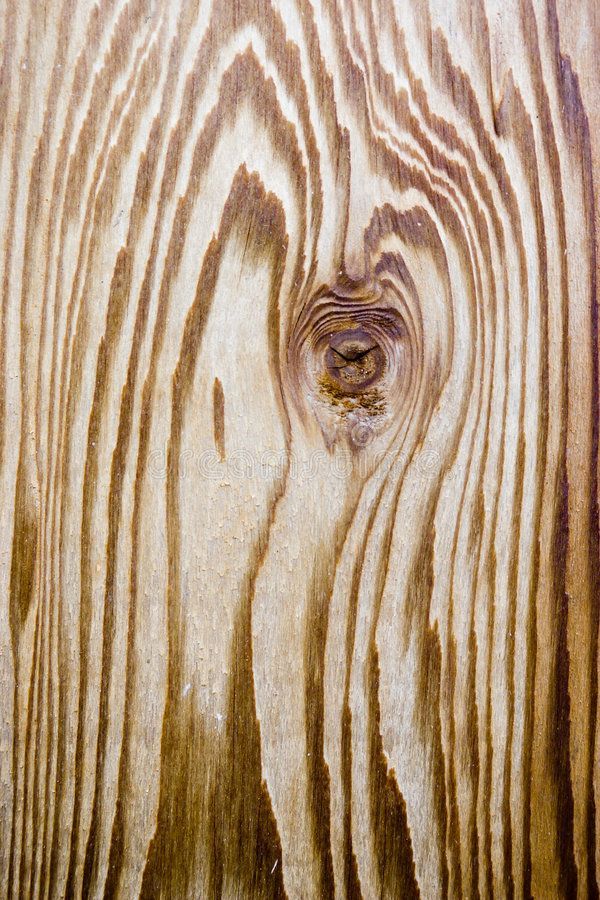
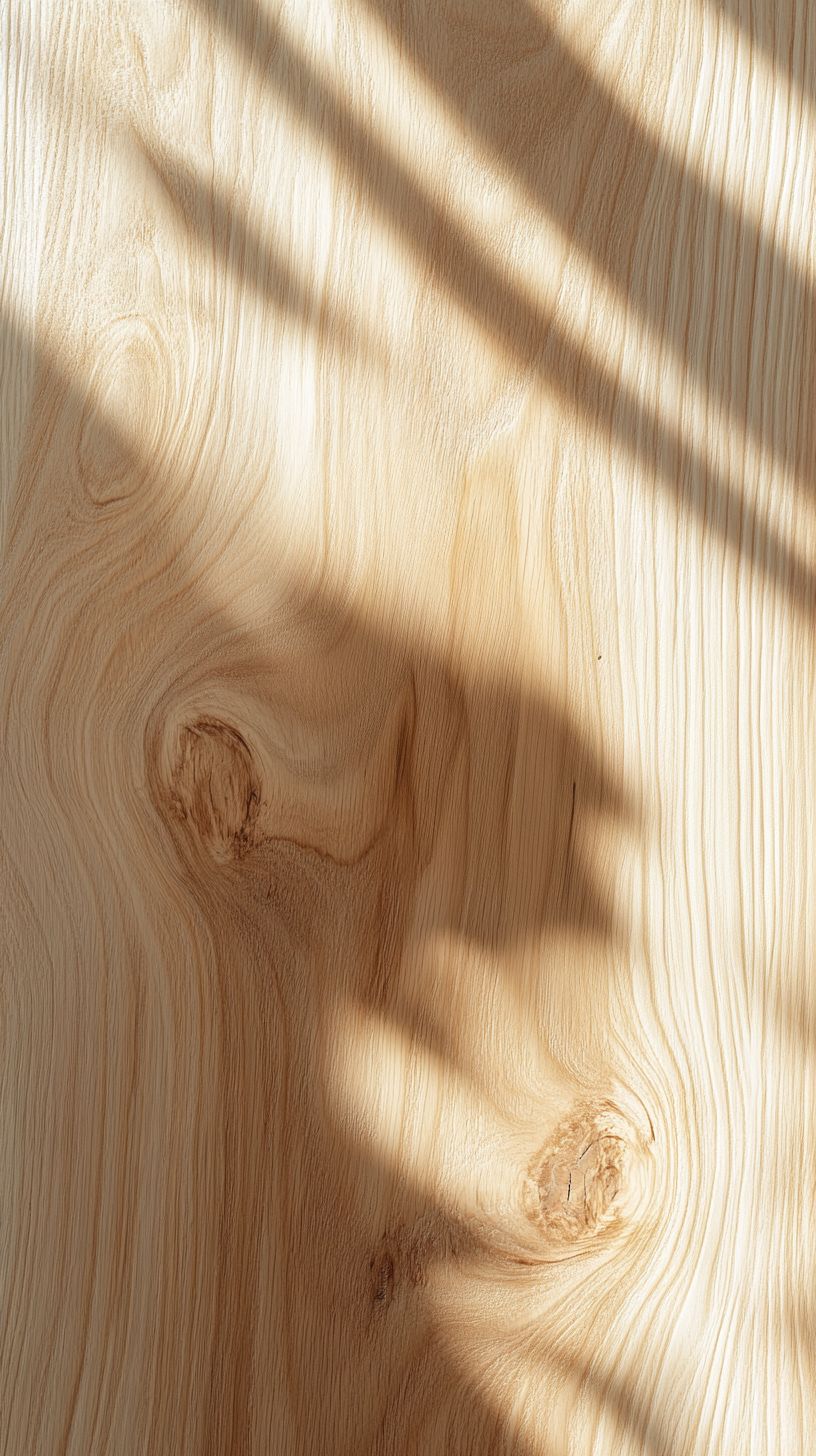
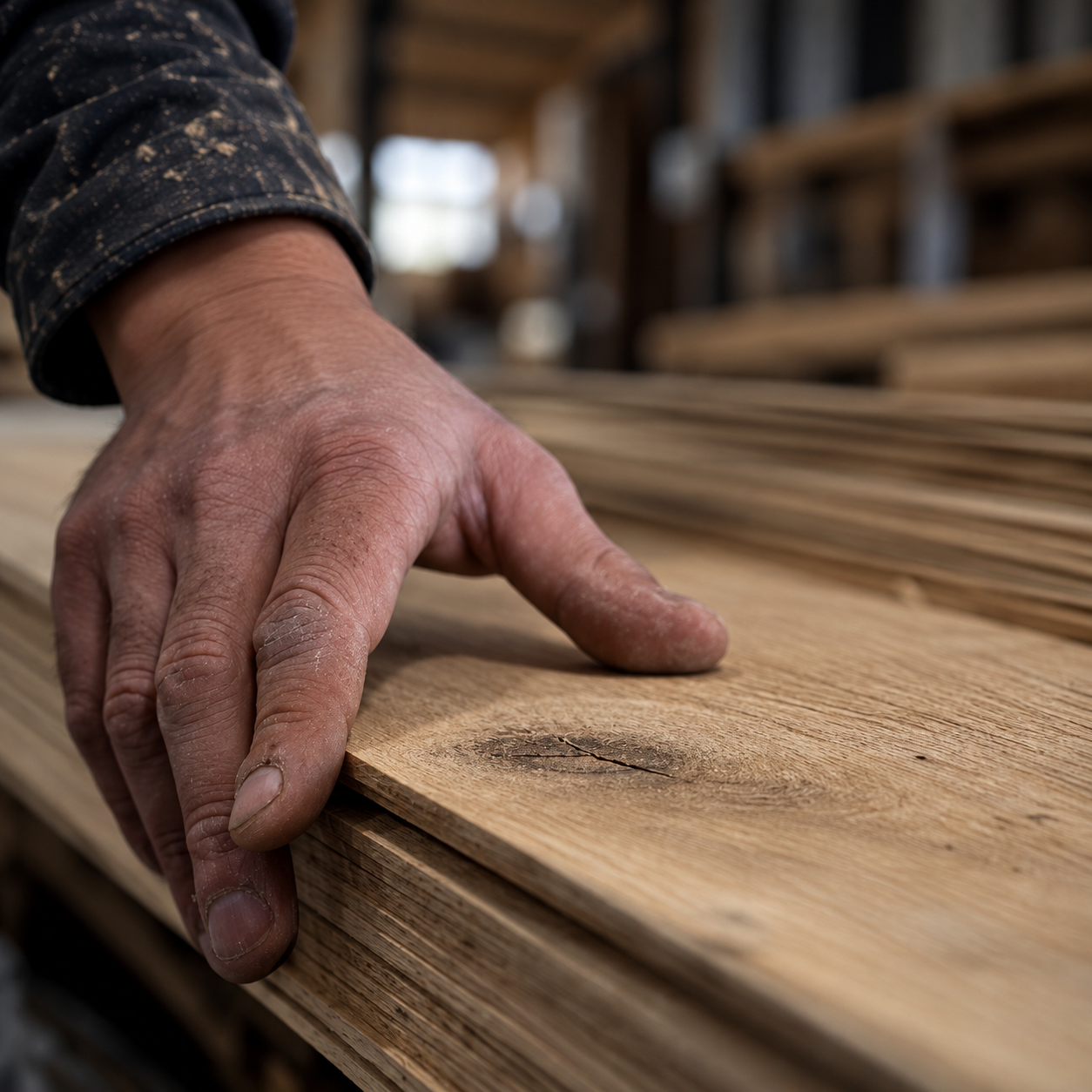
Natural Wood Layer (Core Layer): This is the natural wood layer — such as Oak, Walnut, Teak or Ash — that defines the visual character and surface performance of the product.
Plywood Layer: A Birch Plywood support layer bonded with D3-class vinyl adhesive improves dimensional stability. Its primary role is to carry load, stabilise the structure and balance stresses that could otherwise contribute to warping.
Explore the Structure in DetailAdvantages of Engineered Wood Flooring
Improved Stability: Its multilayer construction makes engineered wood less sensitive to humidity and temperature changes than solid wood.
Retains the Beauty of Natural Wood: Because the visible surface is real wood, the material retains the warmth, grain and tactile character associated with natural timber.
Suitable for a Wide Range of Spaces: It can be used in apartments, villas and other interiors where both material quality and appearance matter.