



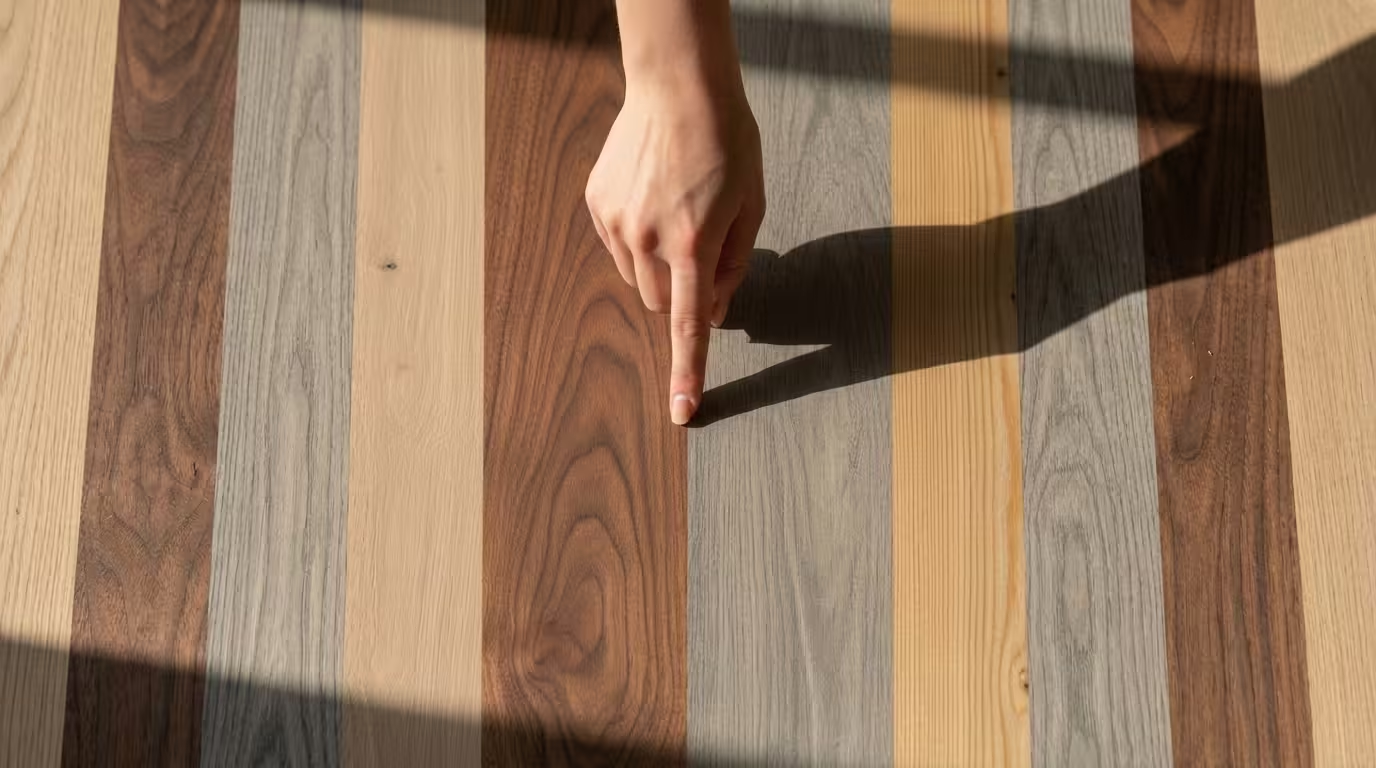
Our impression of a room forms quickly. Some spaces feel open and airy; others feel warmer and more intimate. Light, architectural proportion and material all contribute, but the floor is often overlooked at first, even though it occupies one of the largest continuous surfaces.
Across that continuous surface, the colour of the wood floor quietly influences how the entire interior is perceived. It is more than an aesthetic choice; it establishes a particular atmosphere.
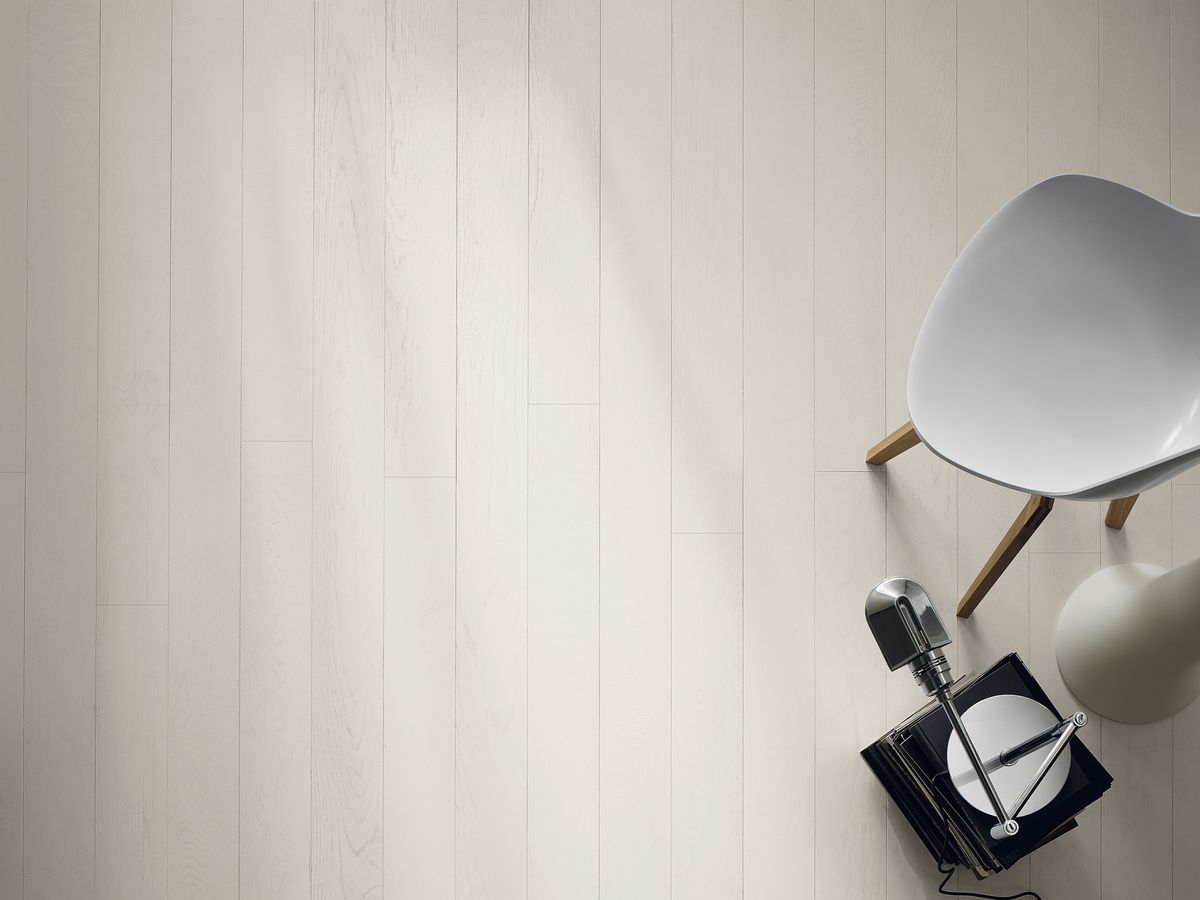
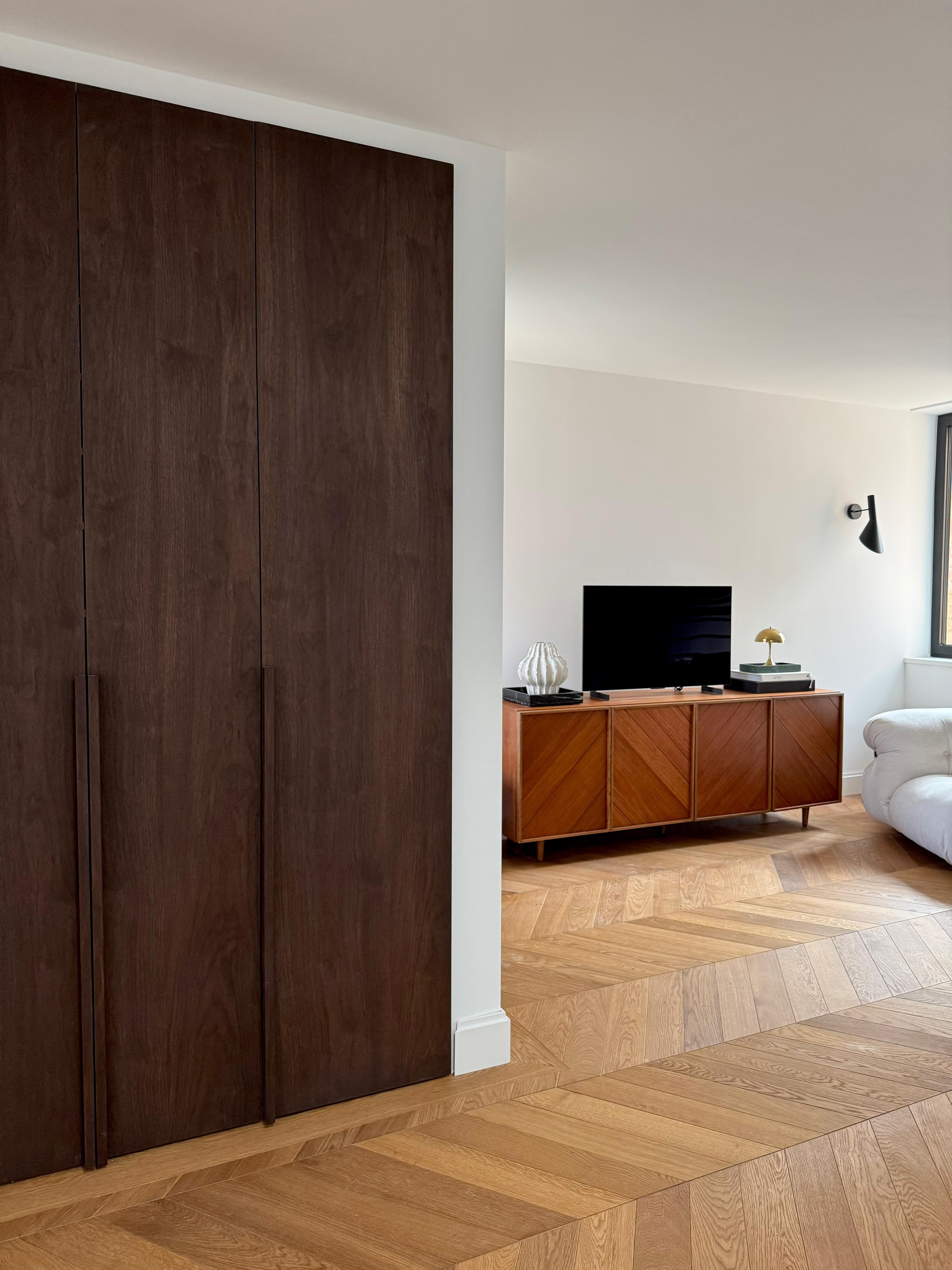
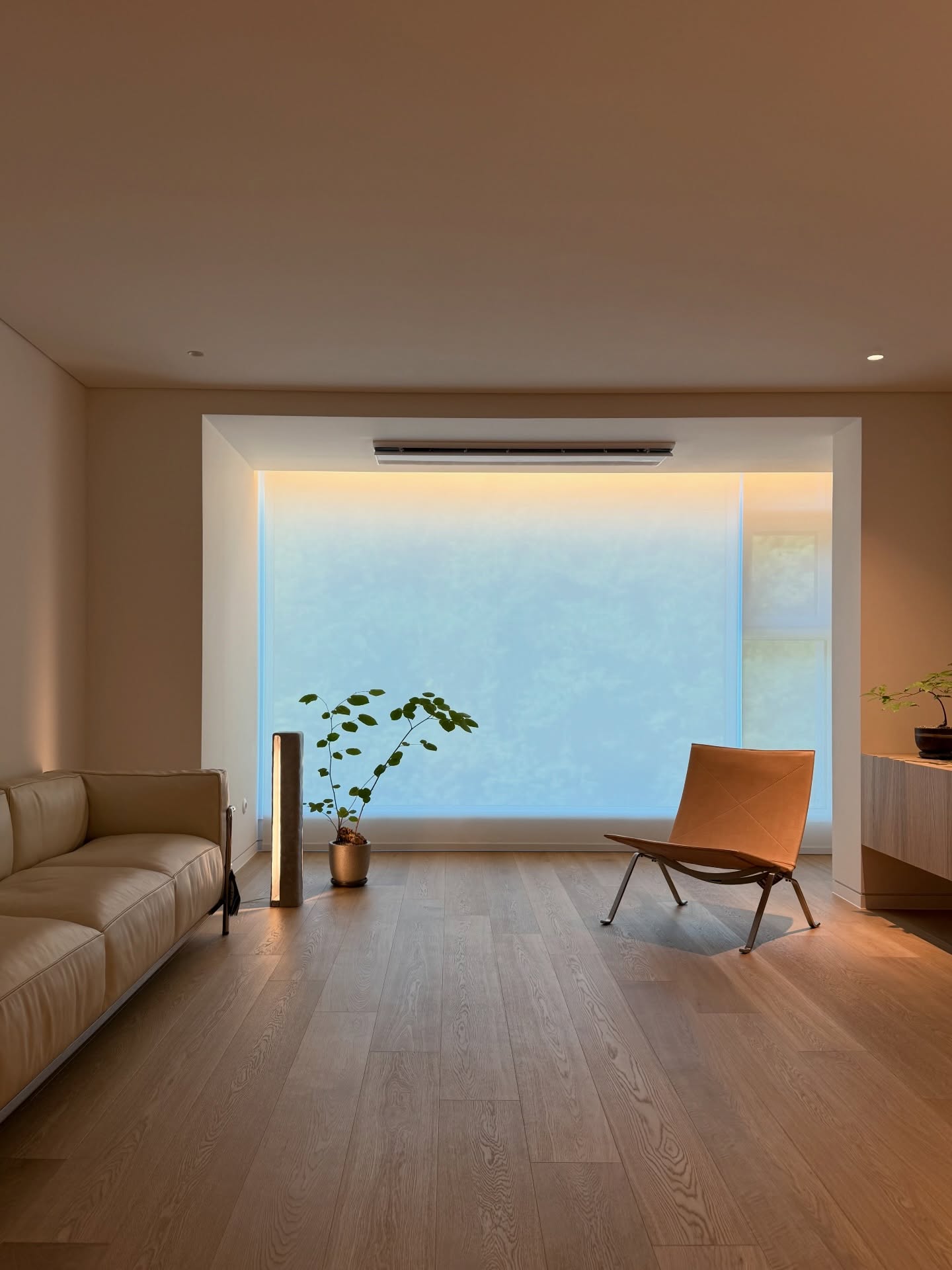
Light wood tones often make a room feel lighter and more open. Their ability to reflect light across the floor can visually expand the room, particularly in minimalist interiors or apartments with limited floor area.
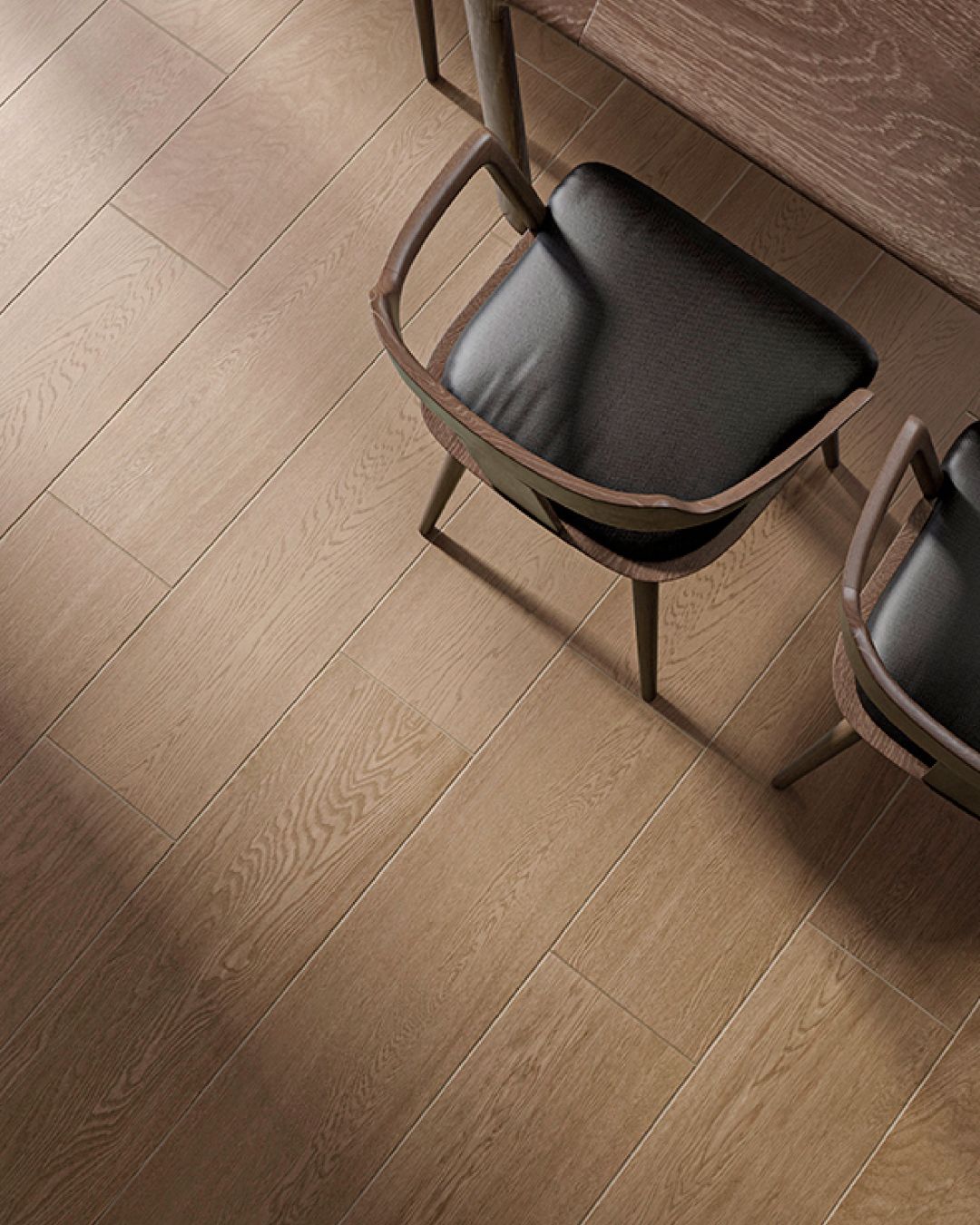
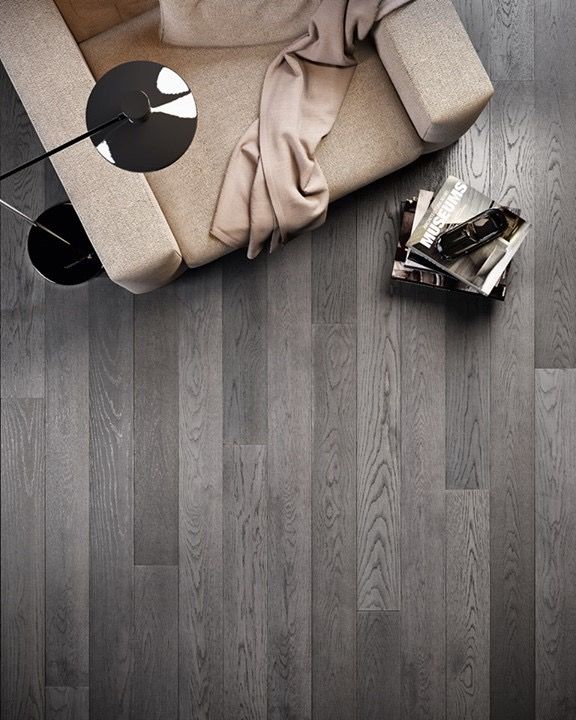
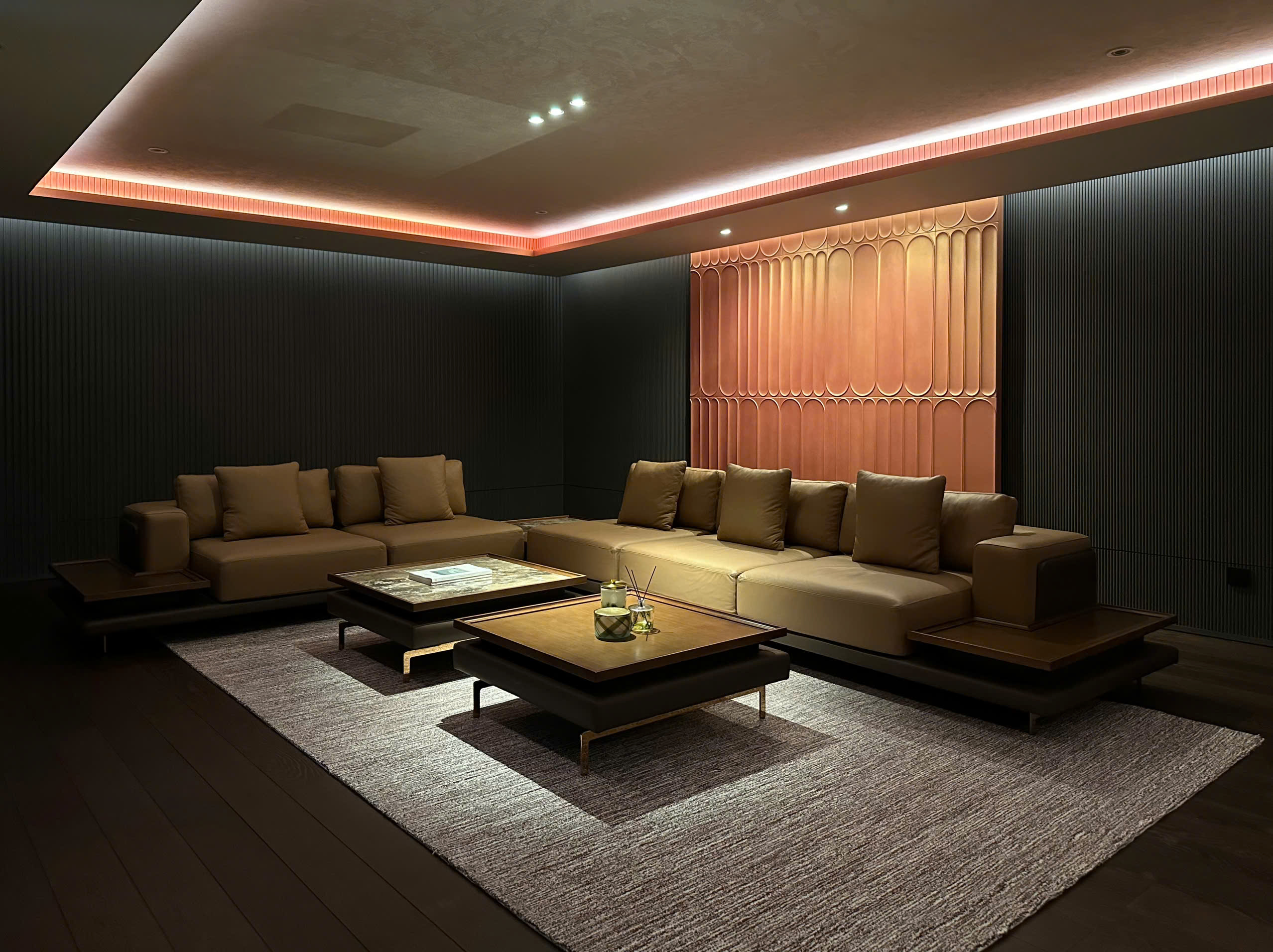
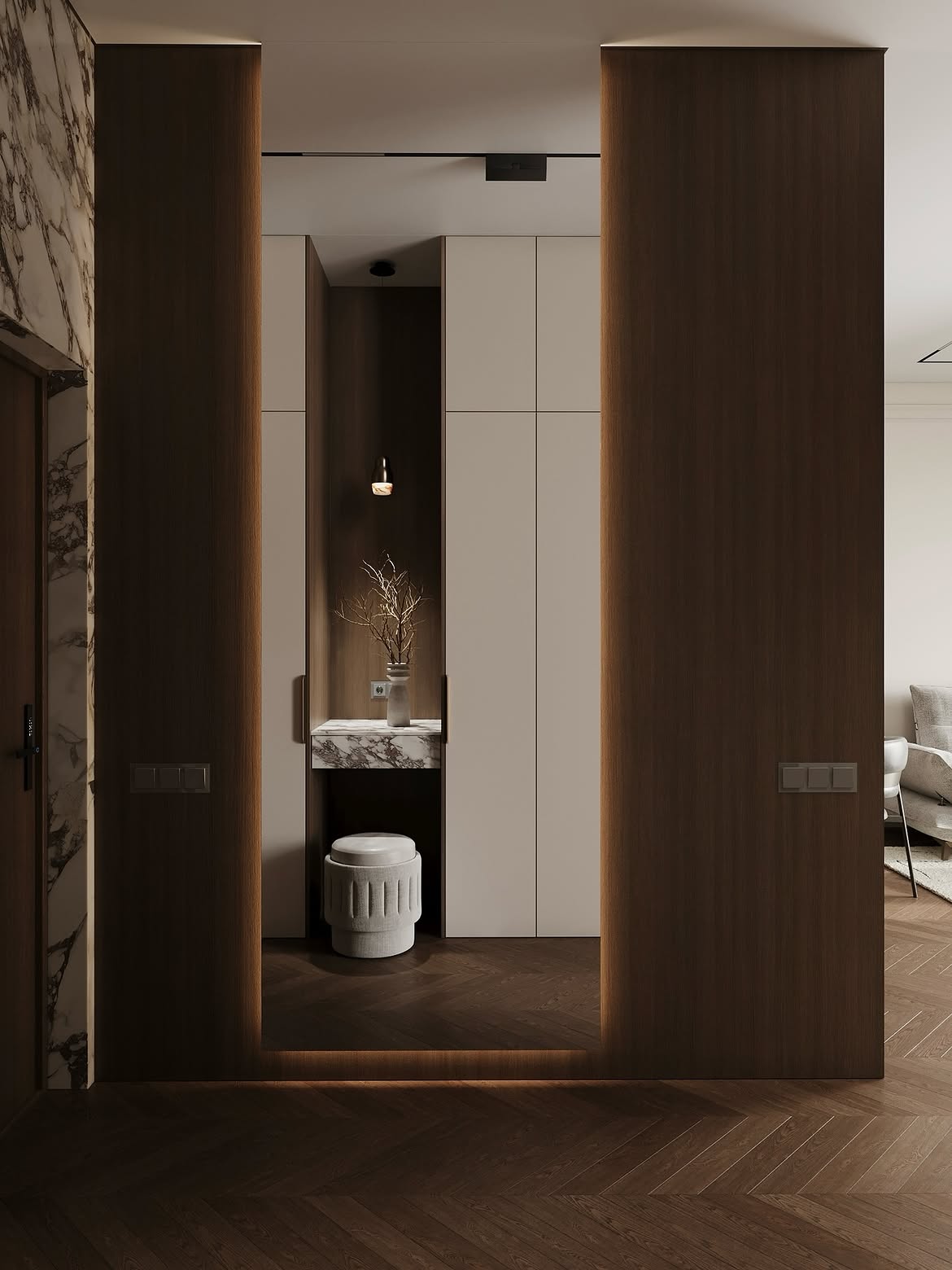
By contrast, darker wood tones bring depth and a stronger sense of visual grounding. Paired with light walls or large areas of glazing, a darker floor creates a clear foundation against which furniture and other interior elements can stand out.
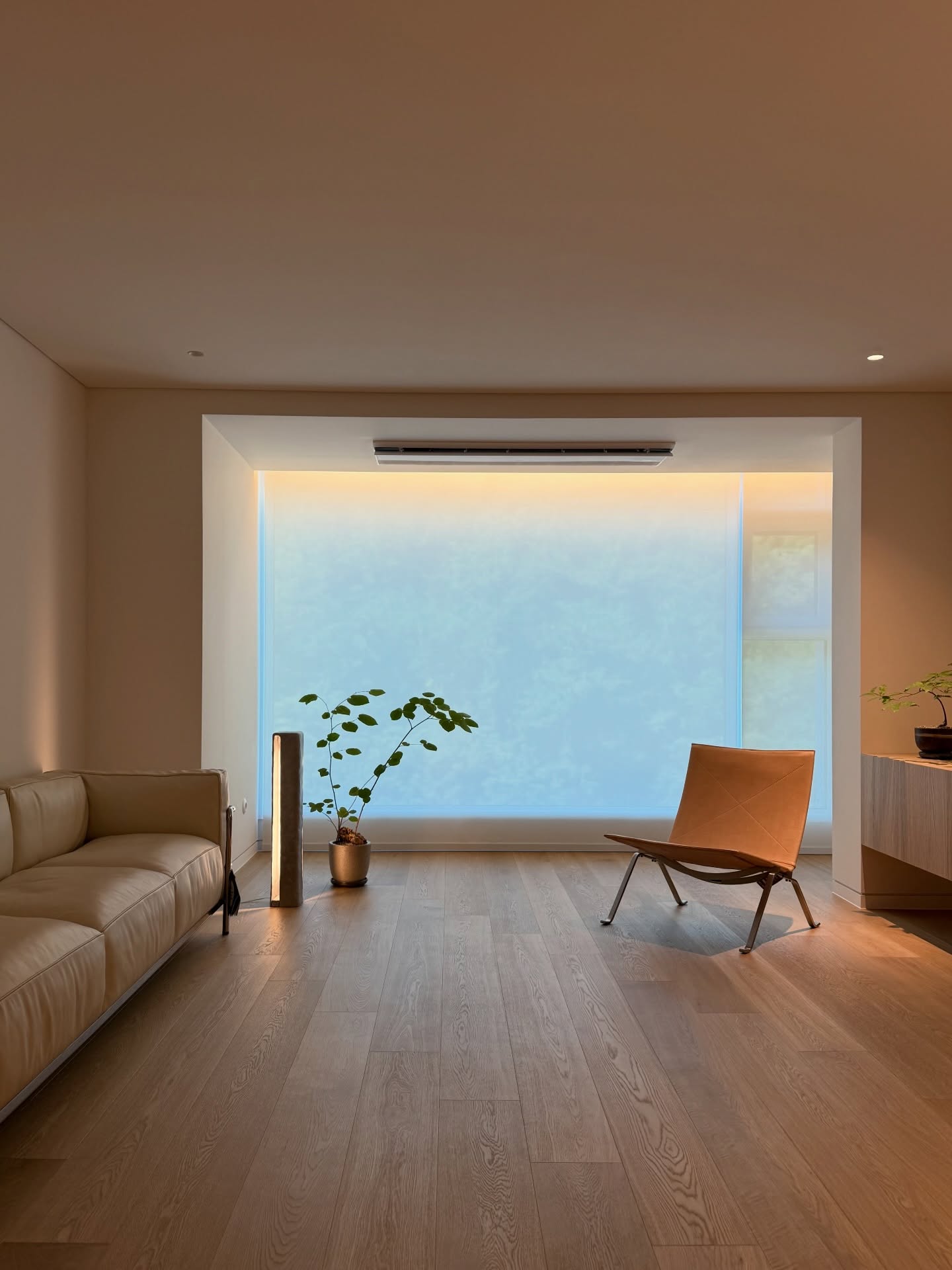
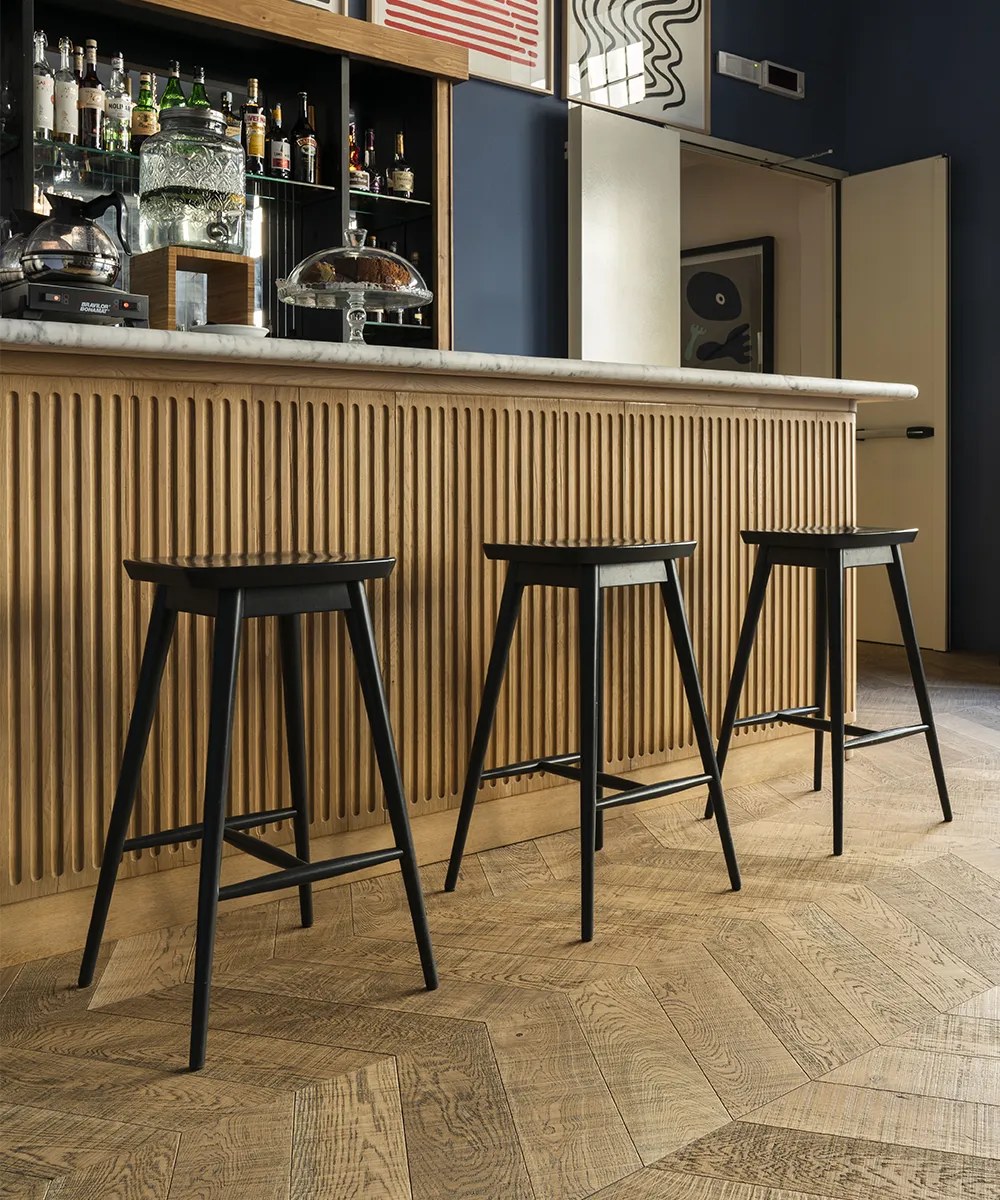
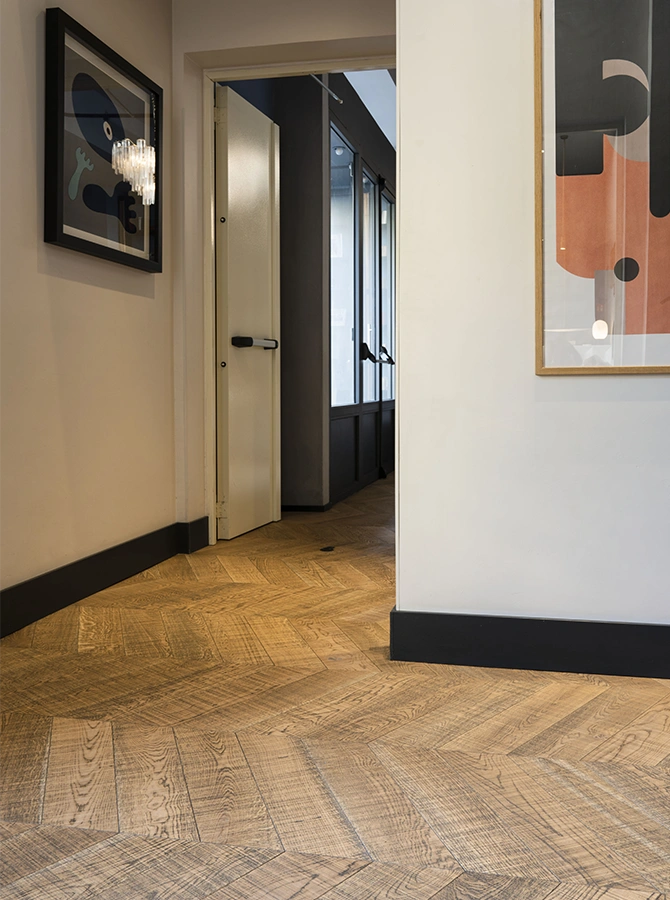
Between those two ends of the spectrum are neutral tones — where the floor acts as a balanced backdrop. It remains restrained while helping stone, metal, linen and other materials read as part of one coherent palette.