Language

Background

The Rhythm of Natural Wood Grain: A Visual Language Shaped by Nature

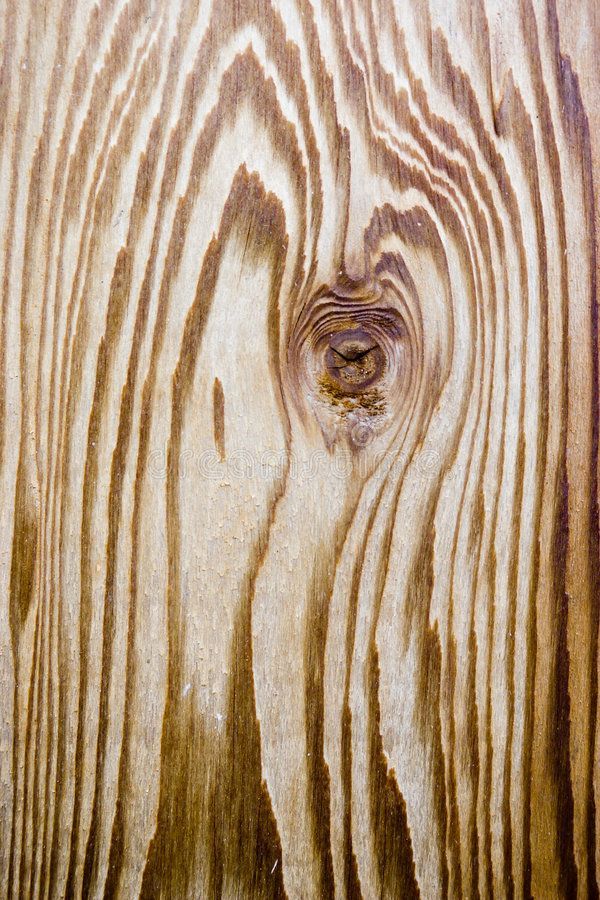
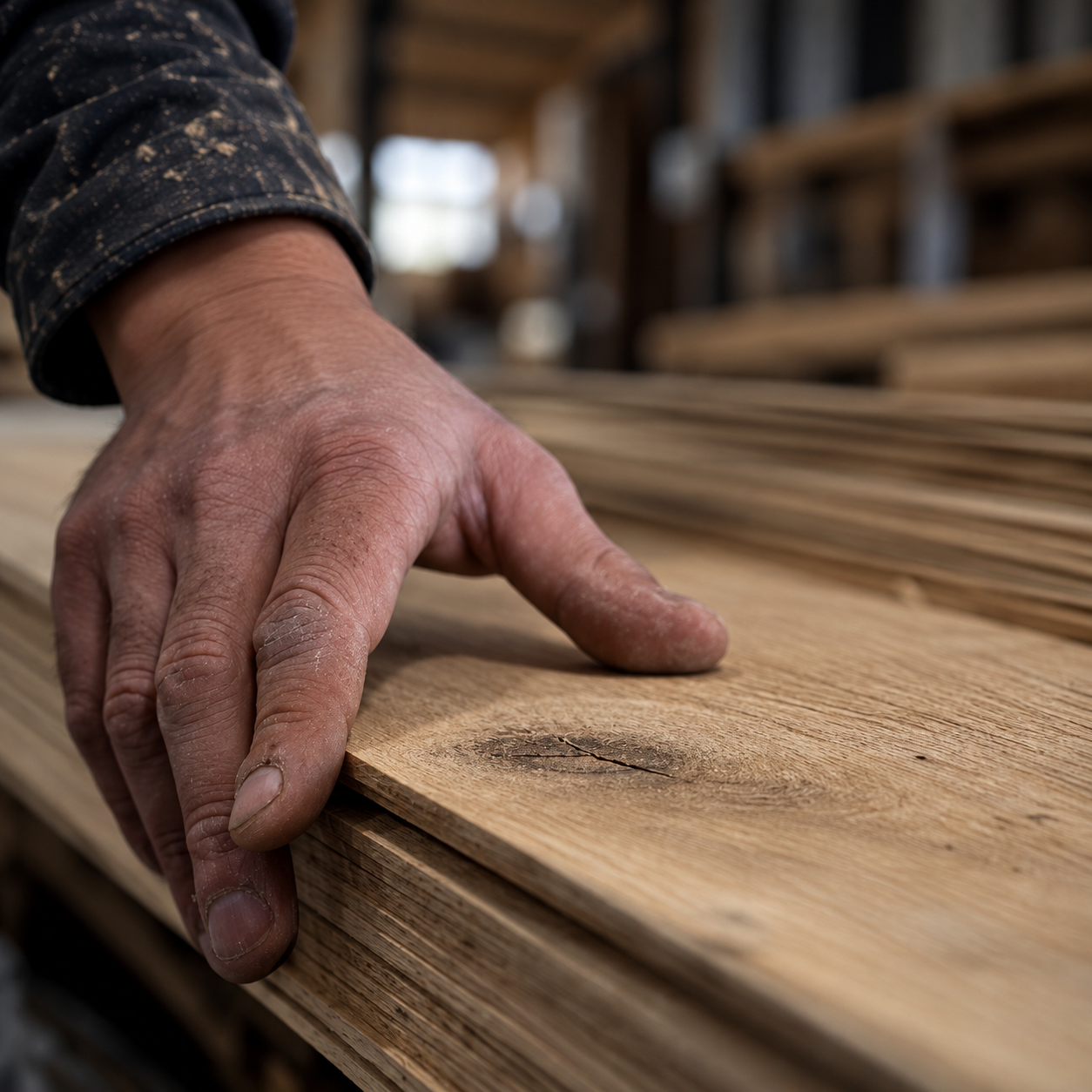
Every wood grain is a singular composition, shaped by time and the natural forces that formed it.

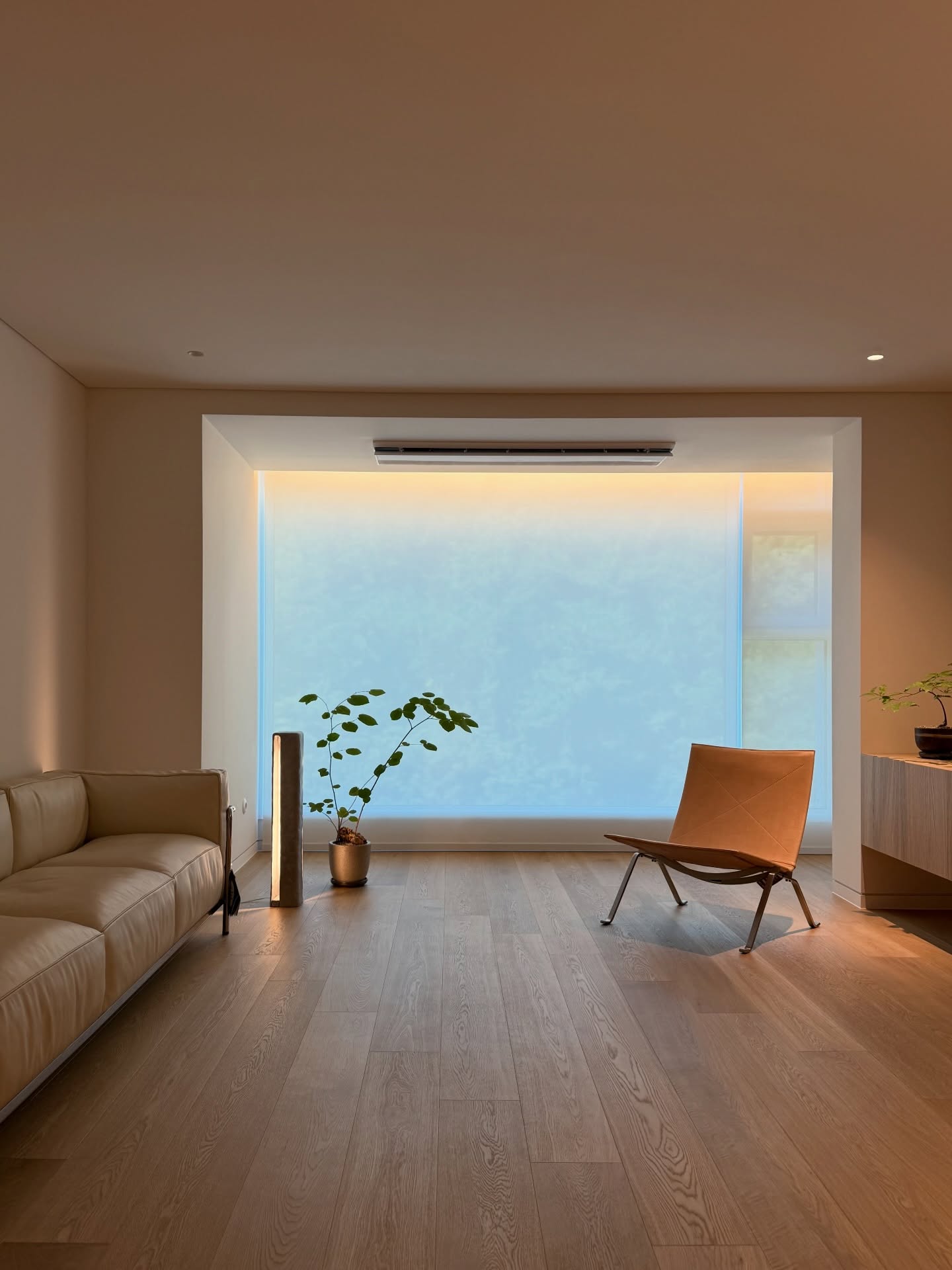
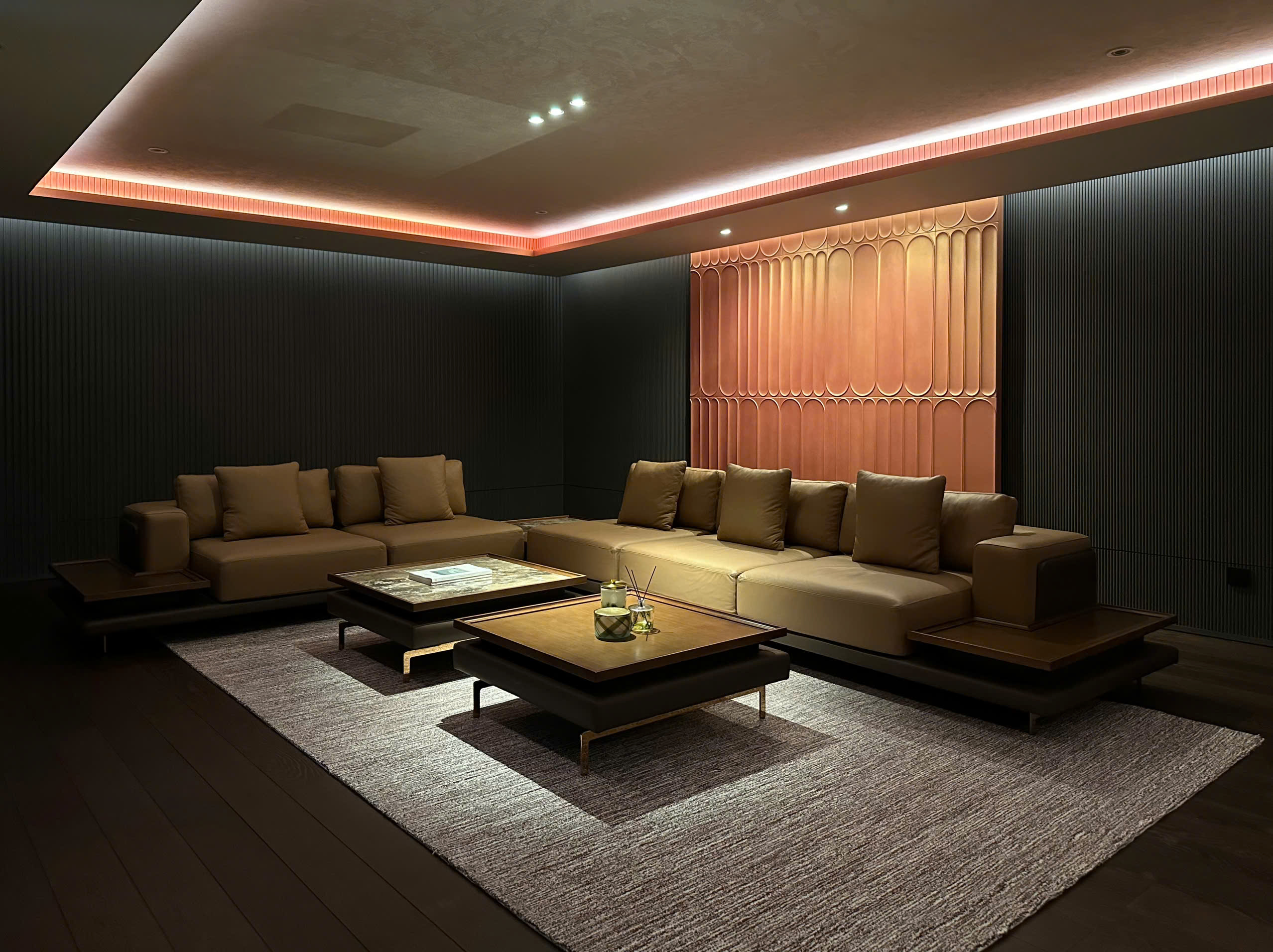
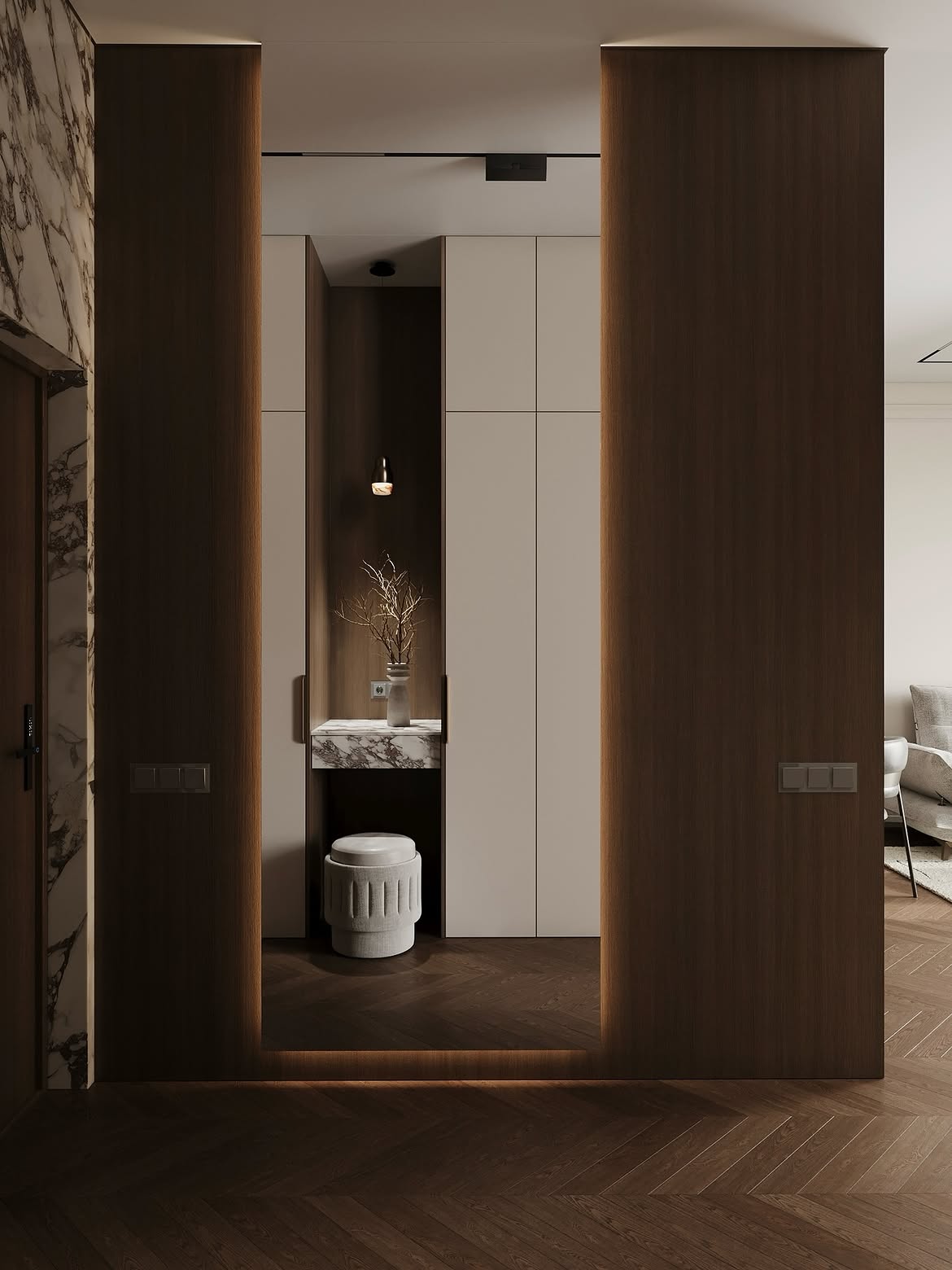
In interior design, the floor often forms one of the largest continuous surfaces and plays a major role in setting the visual tone of a space. Even when walls remain restrained, wood grain can guide light and introduce subtle layers of depth. At NOËL Parquet, the individuality of the material is respected — each board carries a pattern that is never exactly repeated.

Understanding the Structure: How Distinctive Grain Is Formed

Wood grain is more than a decorative pattern; it records decades of growth. Its variation is shaped by biological processes and environmental conditions:

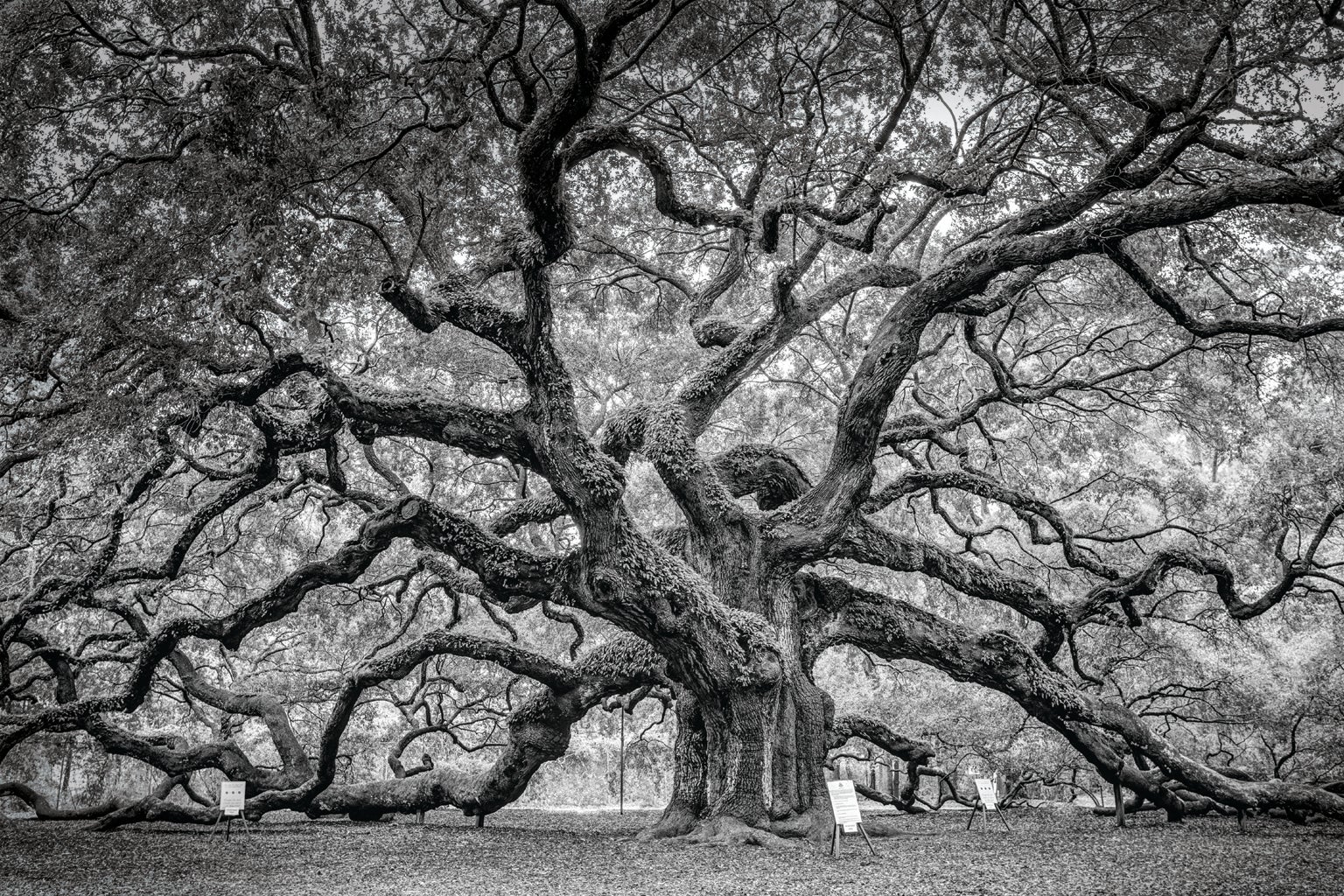
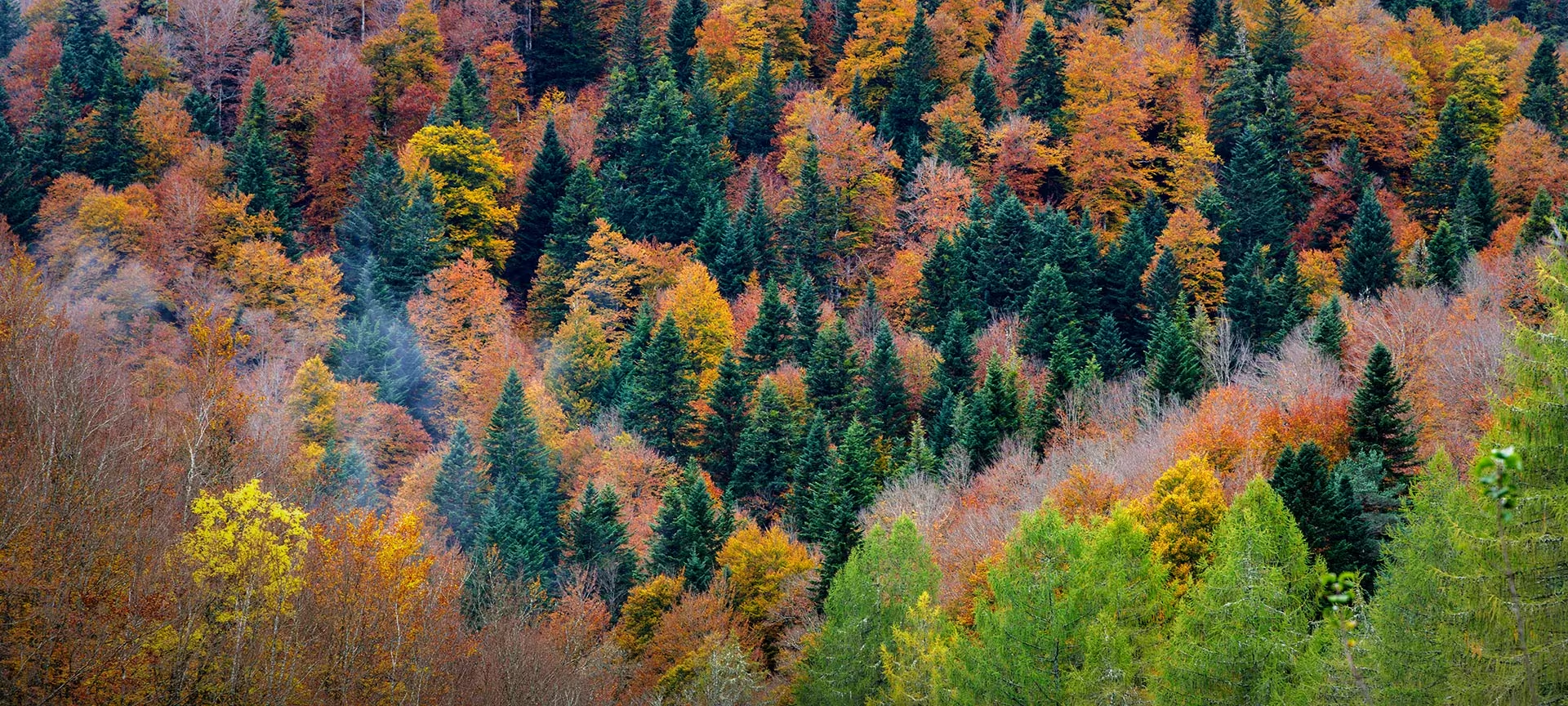
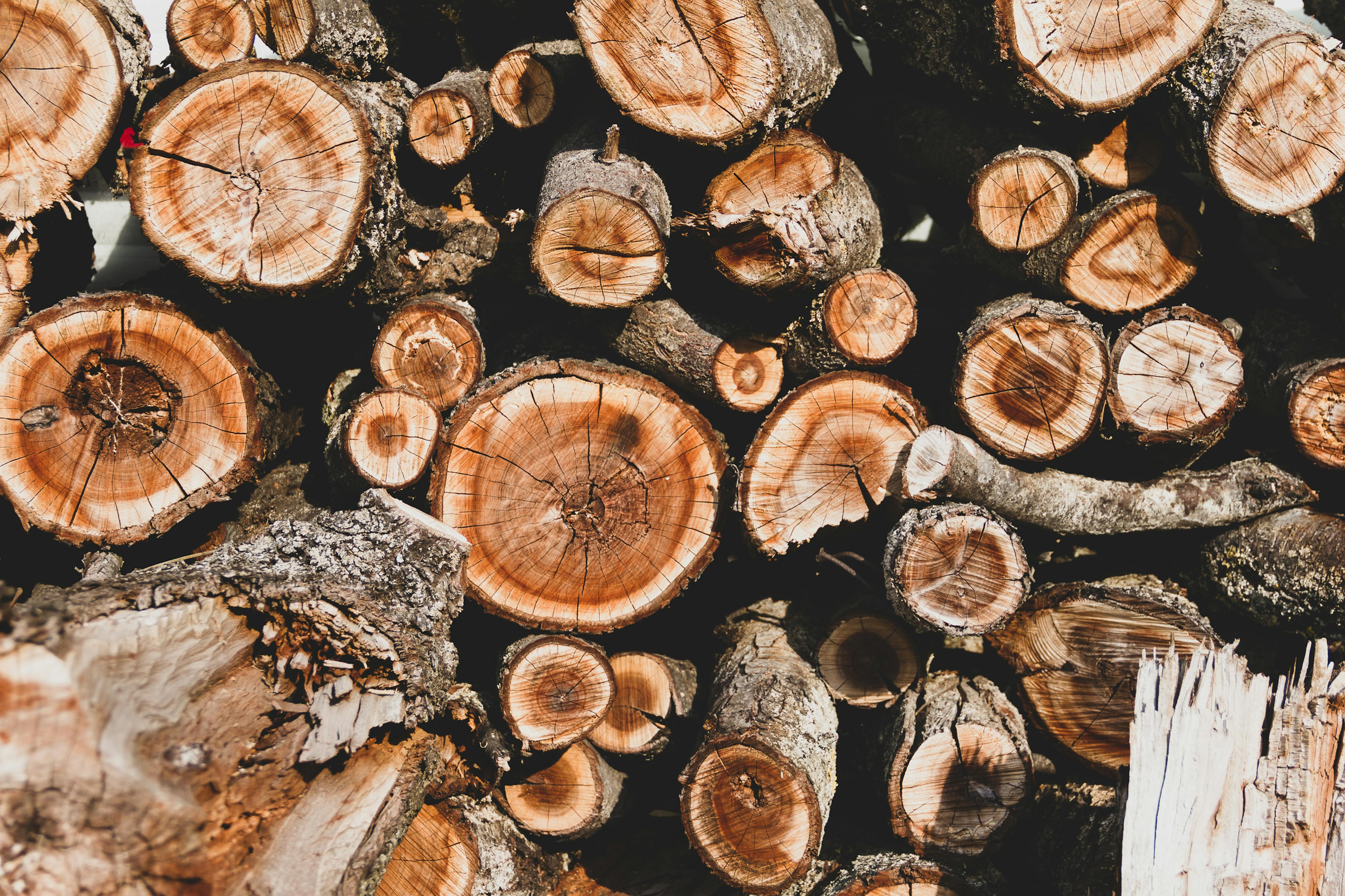
Annual Rings: A tree’s growth rate changes with the seasons. Alternating periods of faster and slower growth create variation between lighter, more open fibres and denser, darker grain, producing a natural rhythm across the board.

The Influence of Place: Even within the same species, climate and mineral conditions influence wood density and grain formation. More demanding growing conditions can produce tighter, more complex patterns and a denser material structure.

Organic Characteristics: Knots and natural tonal variation are clear evidence of the material’s organic origin. In refined interiors, these characteristics can become valued details that keep the space visibly connected to the natural source of the wood.

Learn More About Natural Wood Species

Continuous Visual Movement Across the Floor

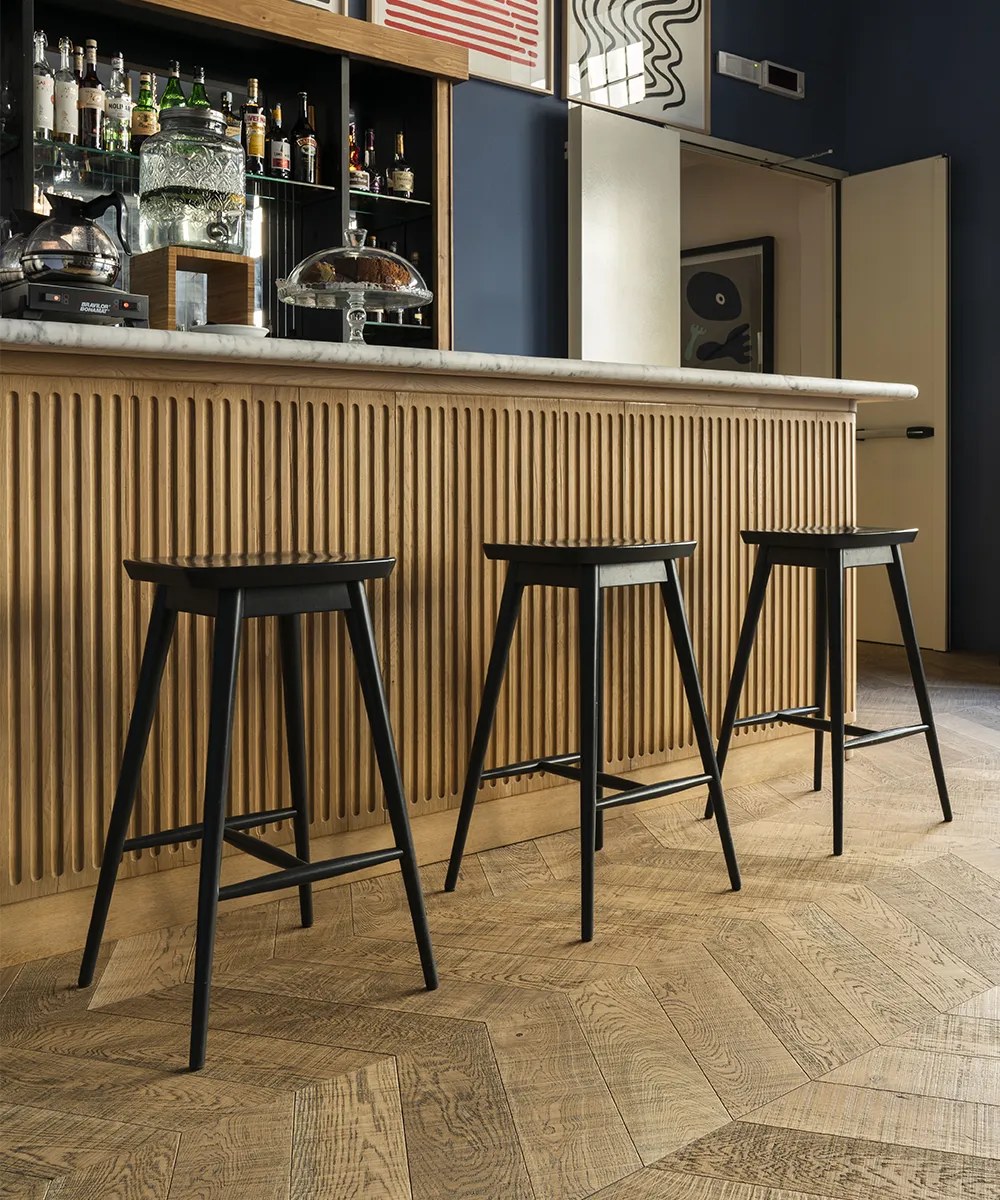
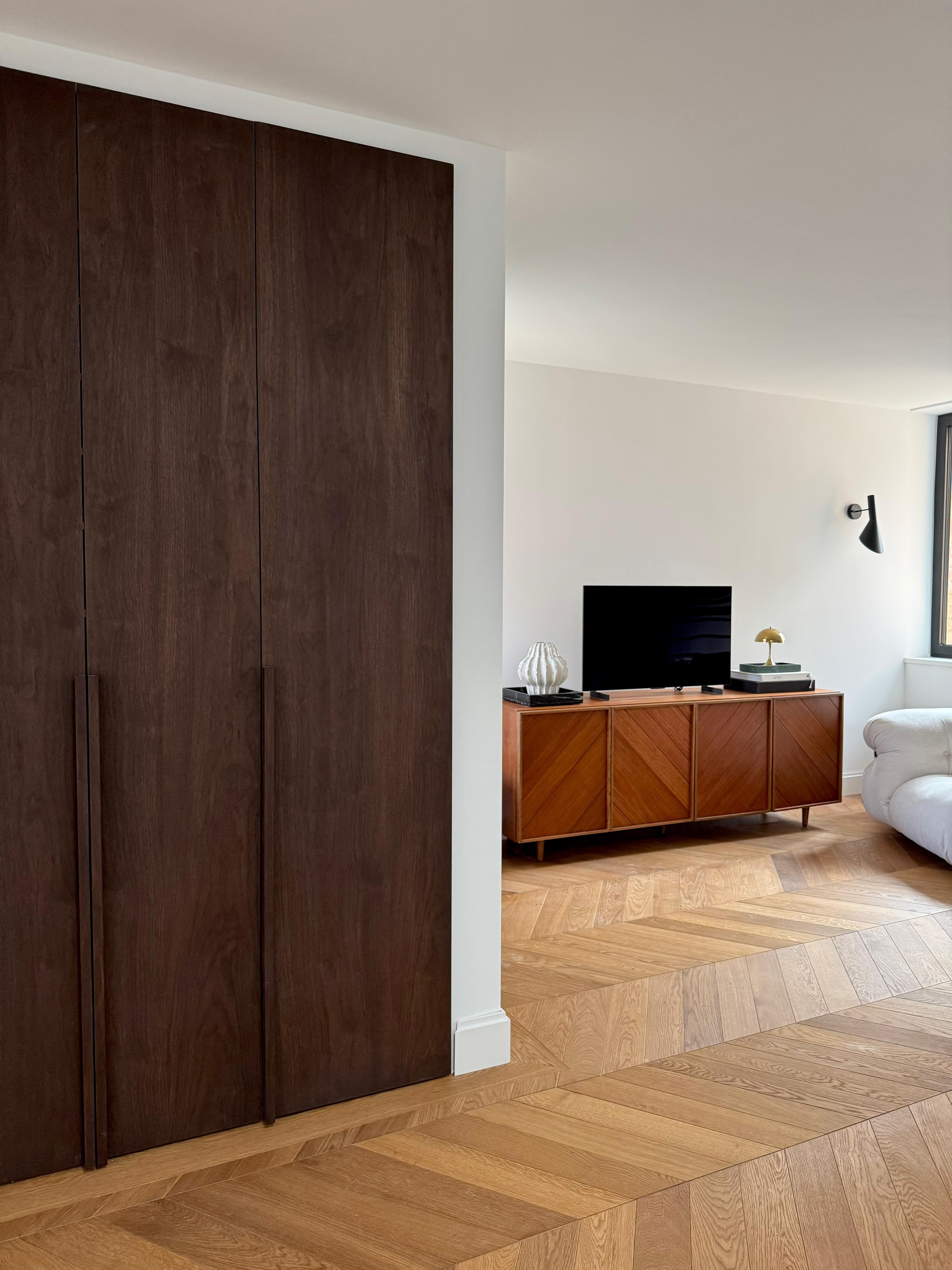
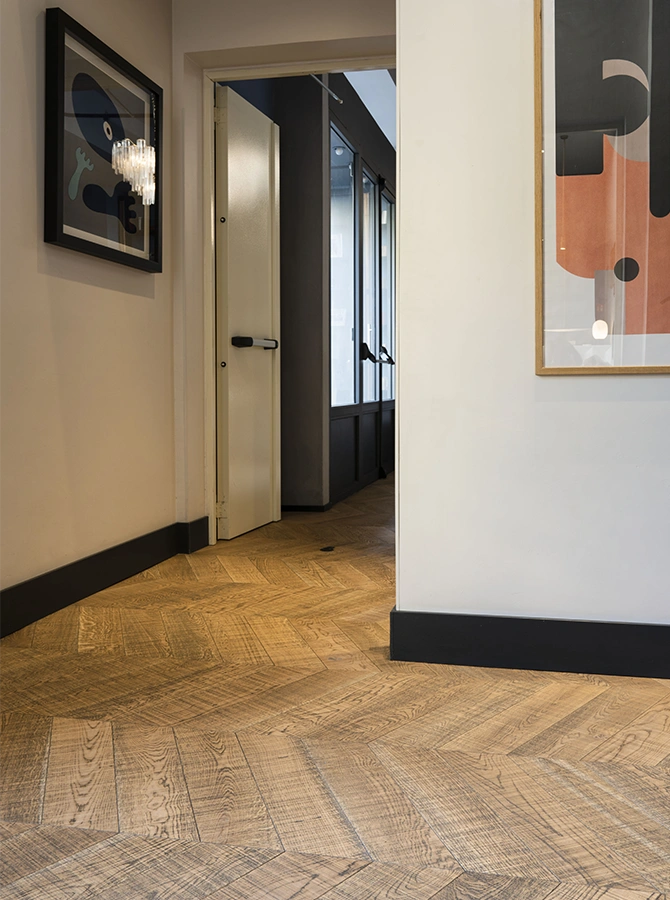
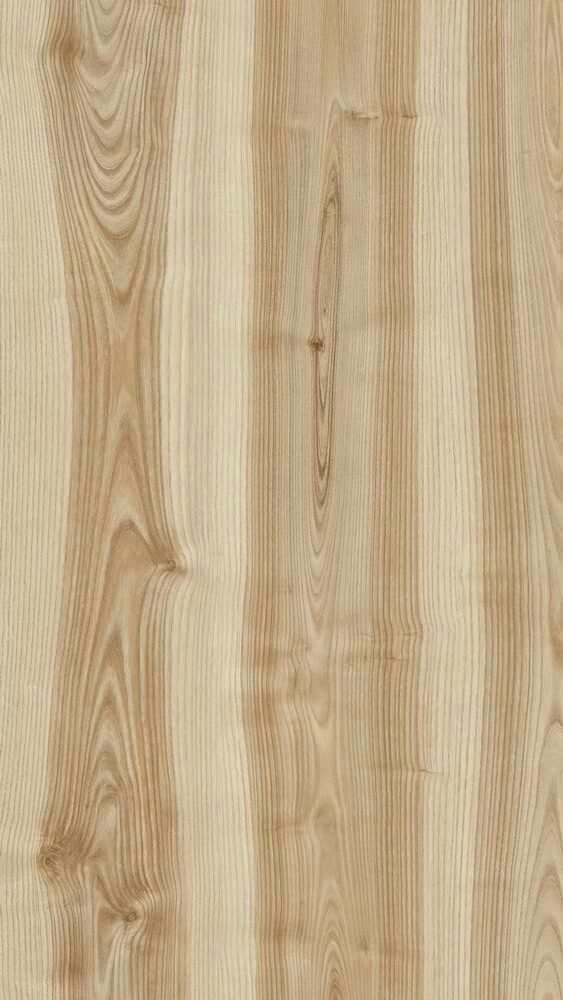
One of the most distinctive qualities of a natural wood floor is its continuous variation in pattern. Across a large surface, exact repetition is absent, giving the space a sense of movement and visual vitality. Every square metre becomes a different fragment within an overall composition that remains coherent without becoming uniform.

When boards are laid together, subtle differences in tone and structure create a flowing visual effect across the grain. This can soften the rigidity of harder architectural materials and introduce depth to minimalist or contemporary spaces.
The Interaction Between Light and Natural Wood Grain

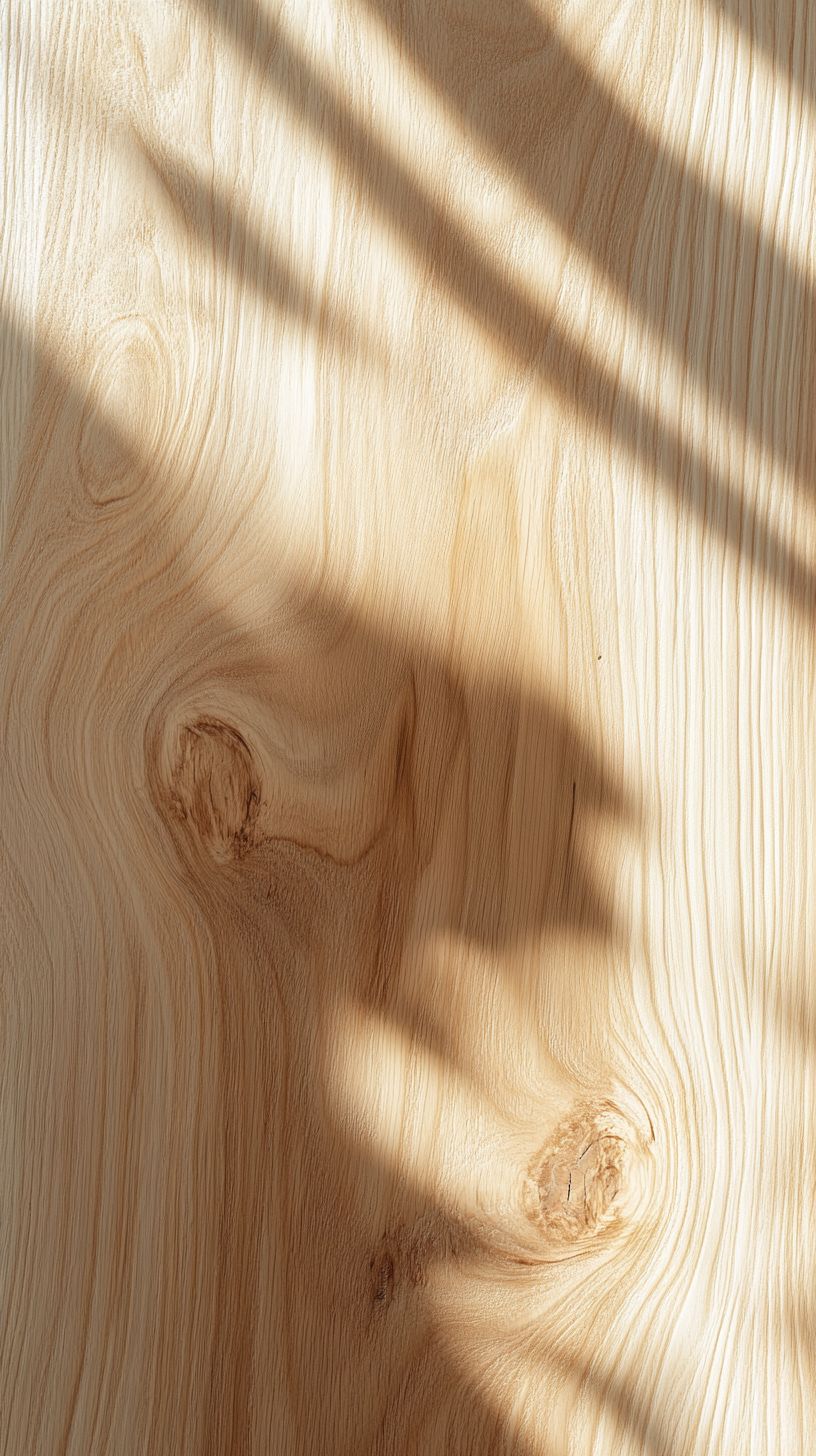
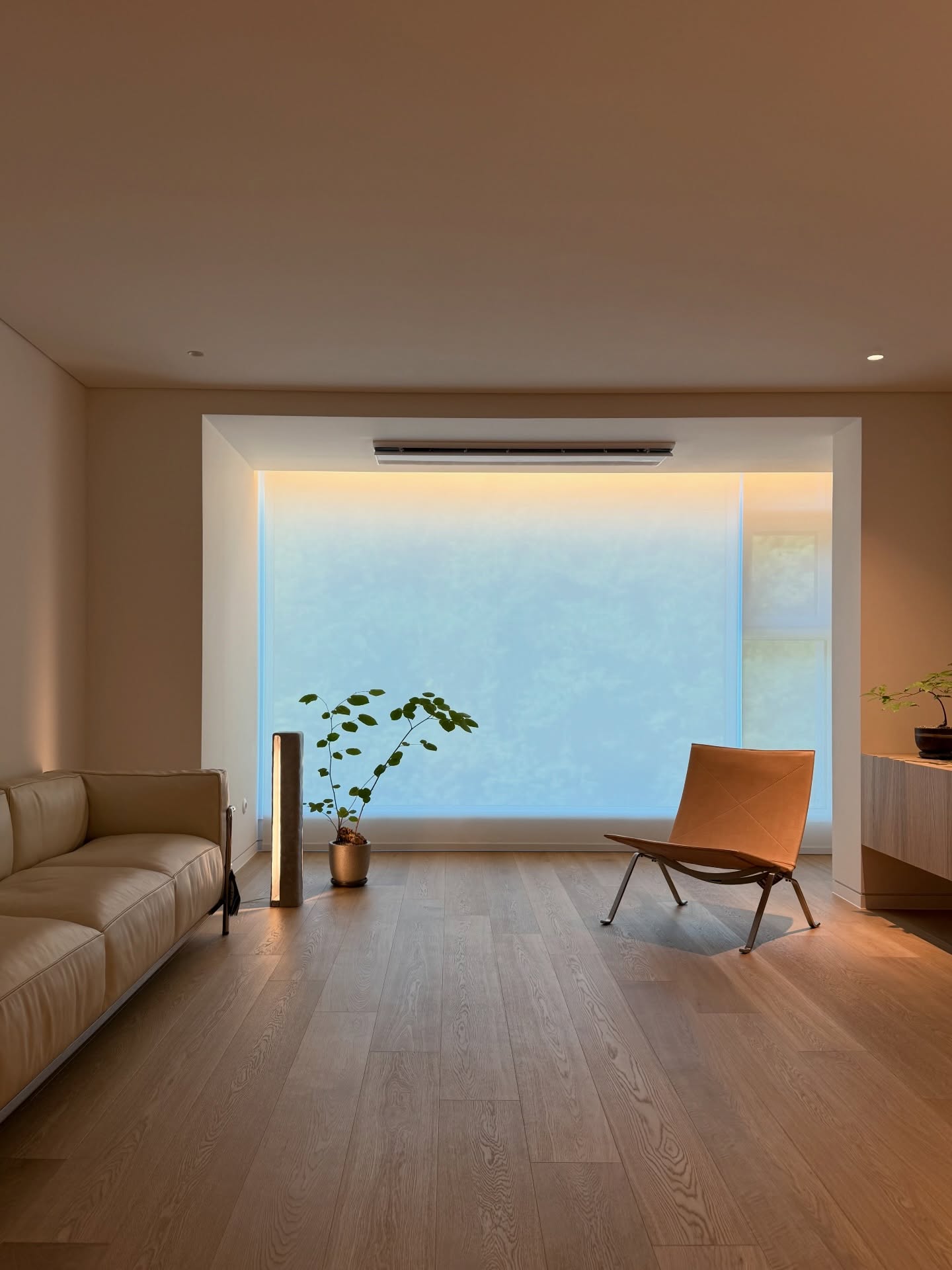
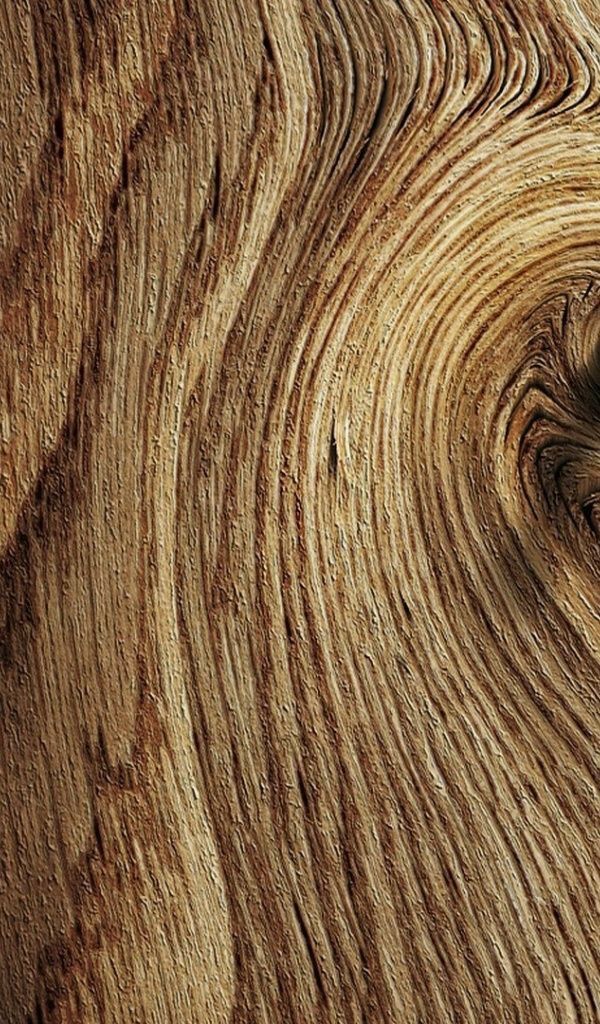
Natural wood grain responds to light in a distinctive way because of its complex fibre structure . As light changes throughout the day, the surface responds differently: grain can appear deeper in warm evening light or more defined under direct midday sun. This interaction gives the interior a dynamic quality that shifts gradually with time.

Many architects choose natural wood precisely because of this variation. The irregularity formed by nature brings warmth and visual longevity that artificial reproduction cannot fully replicate.

Preserving the Original Character of Wood at NOËL Parquet

At NOËL Parquet, the focus is on preserving the most natural characteristics of the wood. Boards are selected carefully to balance the individuality of each plank with the overall harmony of the finished floor.

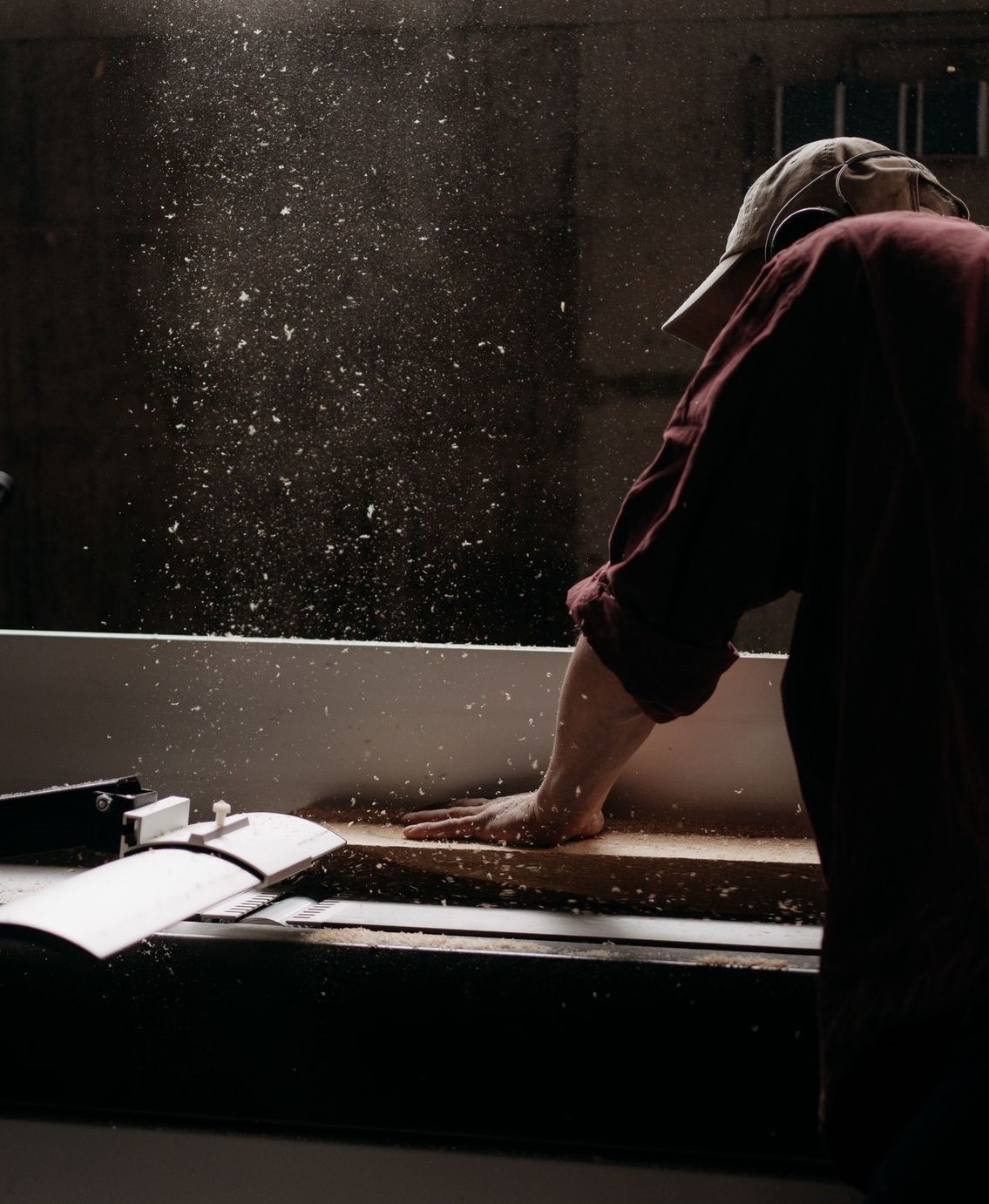
The combination of responsible wood sourcing and considered surface finishing helps preserve an authentic tactile experience. The floor becomes more than a construction material: it is where natural variation meets precise craftsmanship within the interior.

Warranty Policy

View warranty terms

Engineered Structure

Explore the engineered wood layers

Laying Systems

Explore flooring patterns
Zalo Call
SAMPLE BOX

Exclusive Sample Collection

Request our wood flooring sample set.

Select wood type / tone
Oak - Light / Natural Tone
Walnut - Deep Tone
Ash - Natural
Teak - Natural
Herringbone / Chevron
Straight Lay