Language

Background

Popular Natural Wood Species for Flooring and How to Choose

Each wood species has its own character, expressed not only through colour but also through the way the material responds to and lives within a space.

Choosing natural wood for flooring affects more than colour and grain; it also shapes the spatial atmosphere and long-term performance of the floor.

Each species has its own distinct characteristics, from hardness and stability to its response to environmental conditions. Understanding these differences allows for a more considered choice within the natural wood system.

Oak

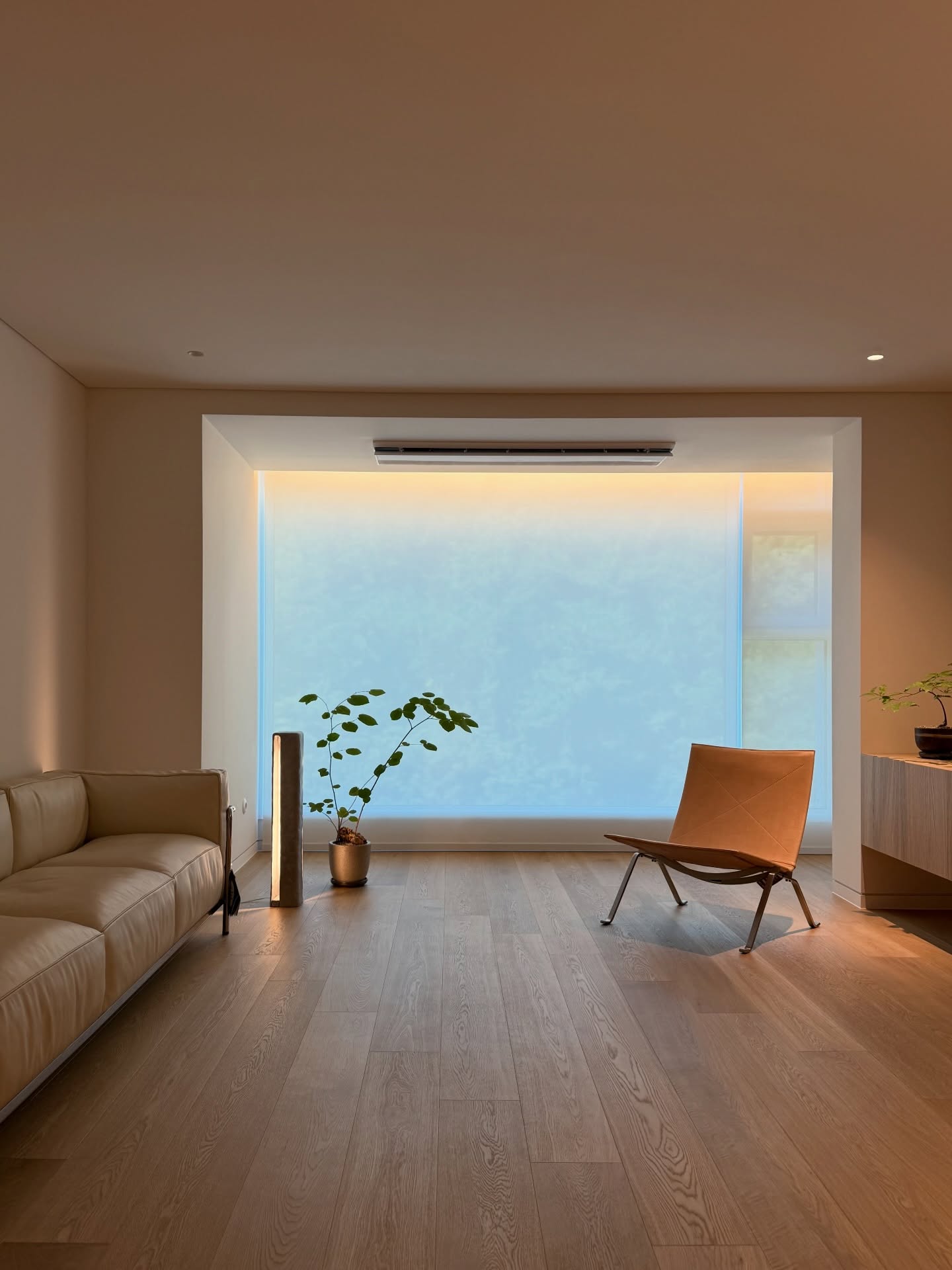
Oak is one of the most widely used natural woods for flooring, valued for its balance of appearance and durability.

Characteristics:

• Light colour, ranging from pale gold to soft brown

• Distinct, consistent and recognisable grain

• Good hardness and reliable stability across a range of conditions

Well suited to:

• Contemporary interiors

• Minimalist and Japandi styles
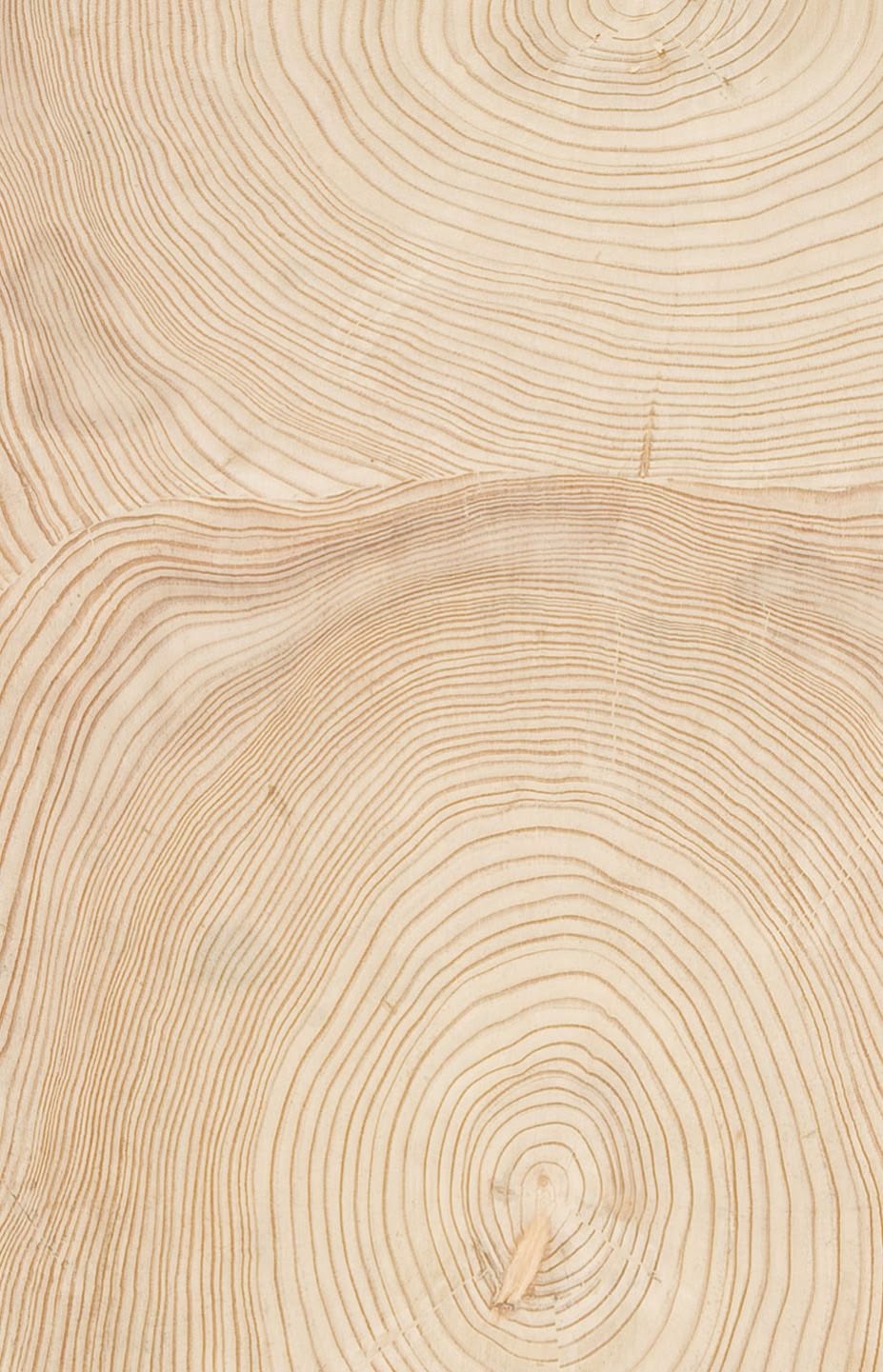
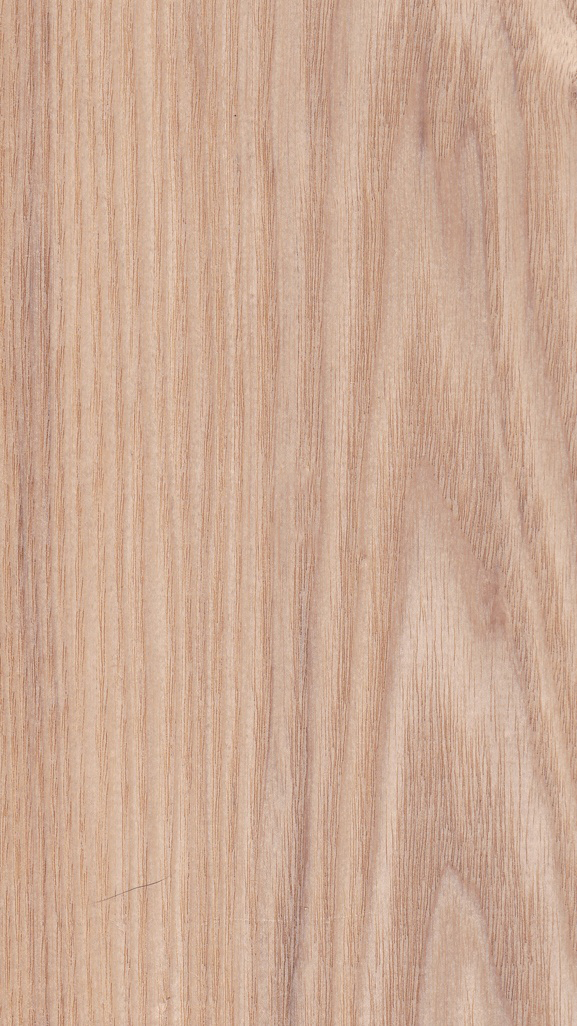
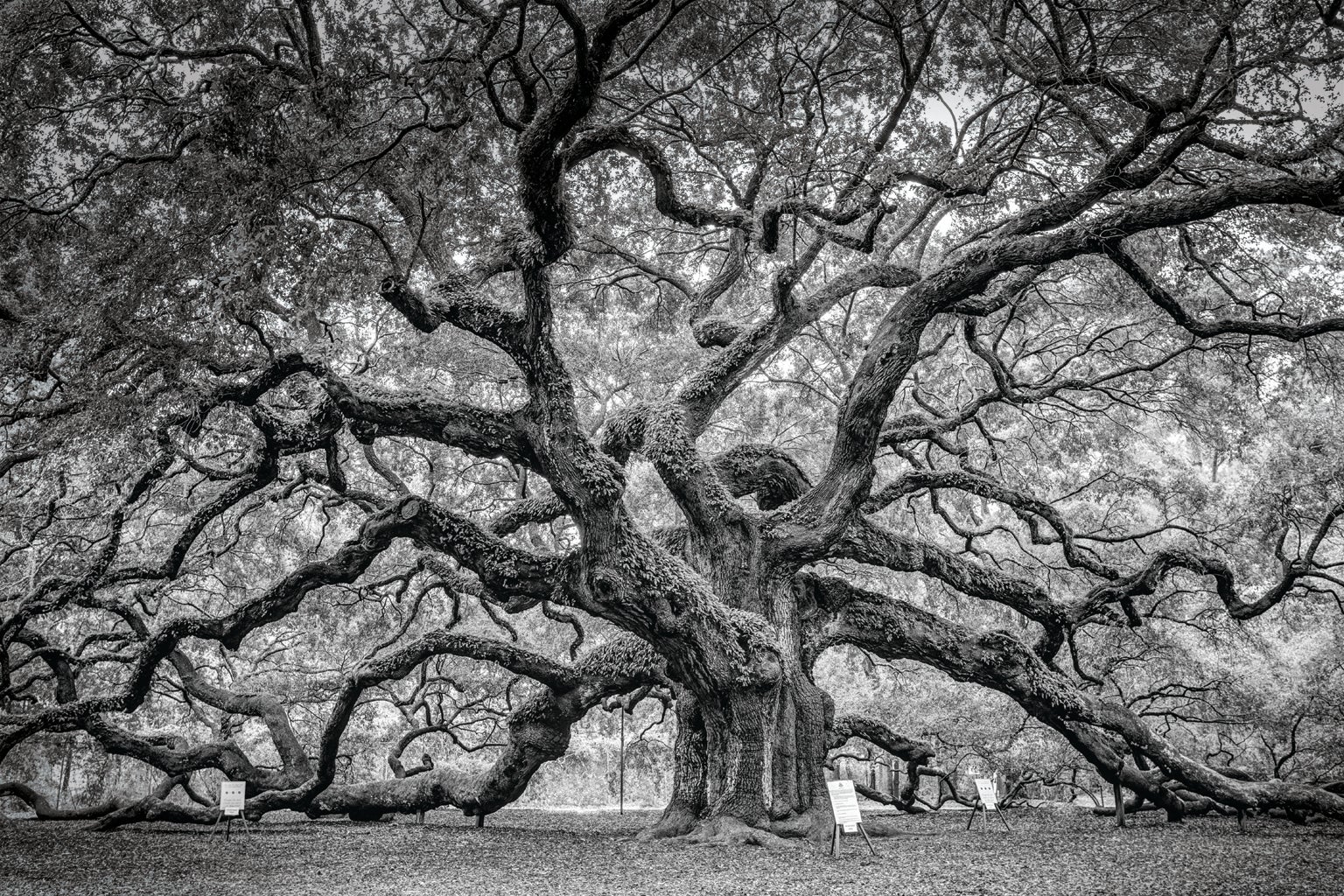
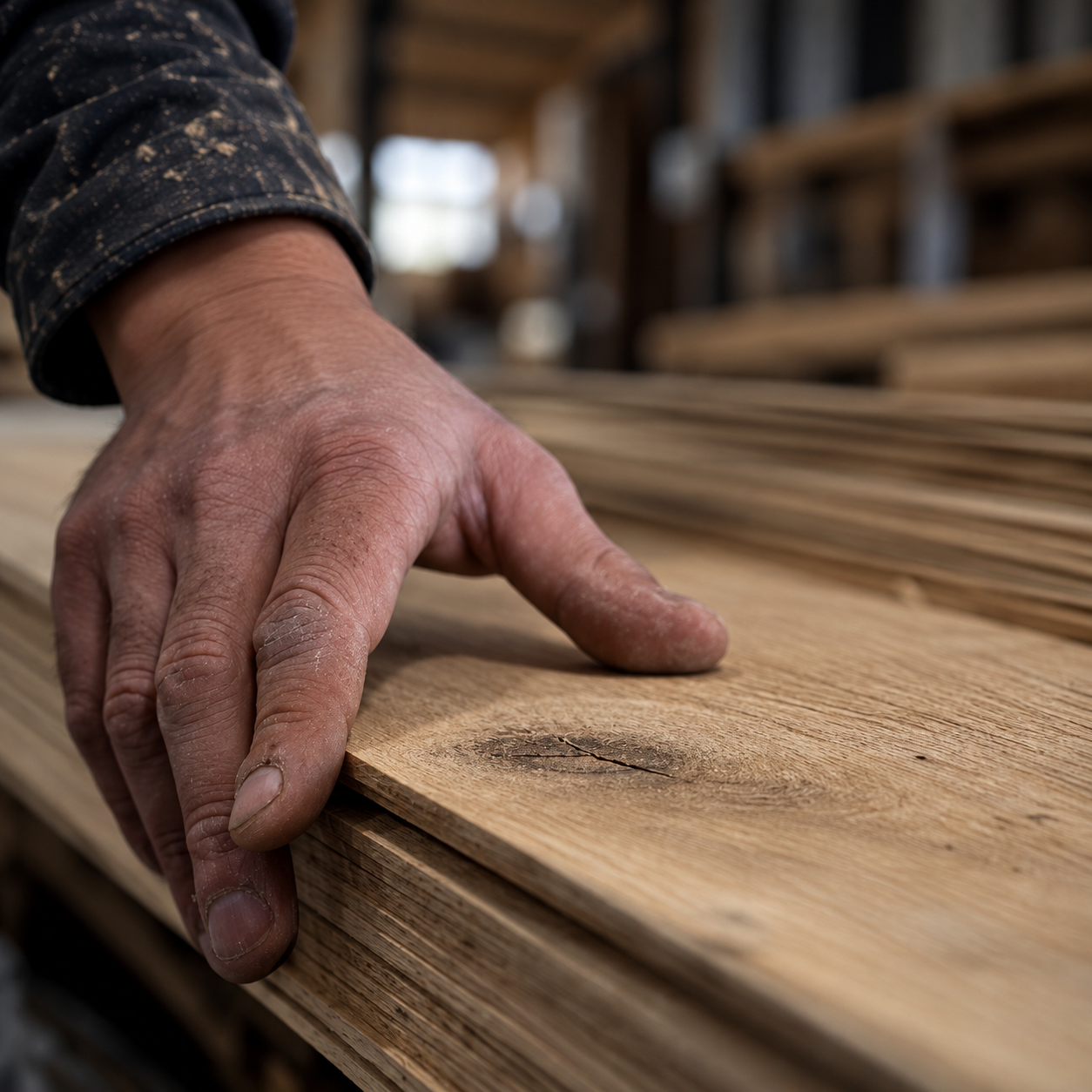
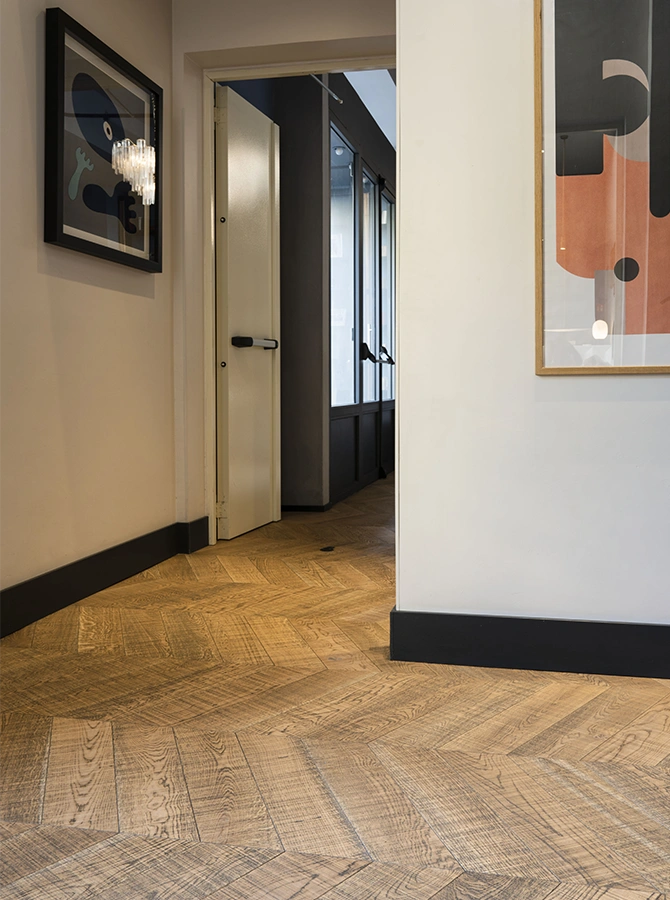
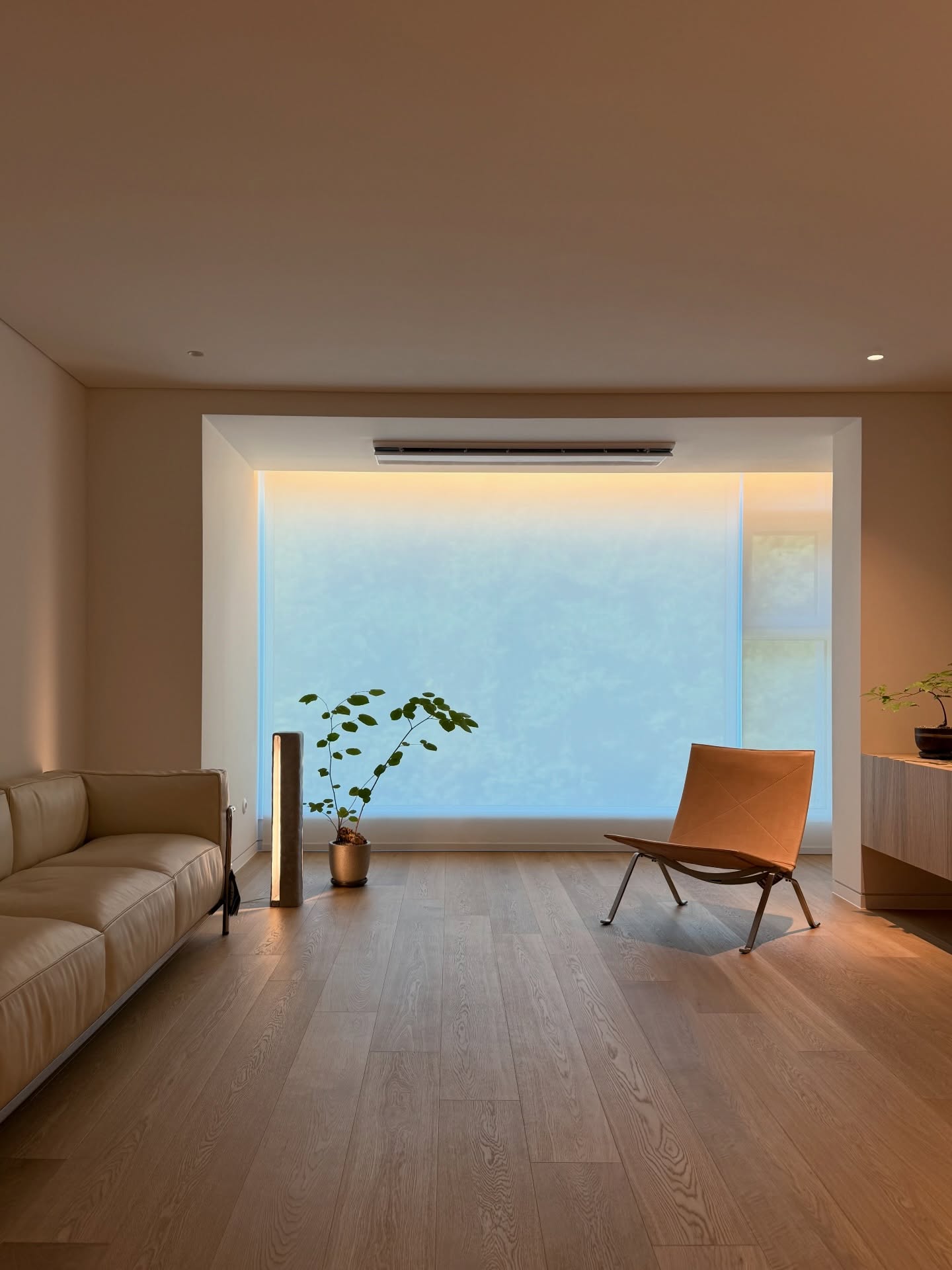
Natural oak grain
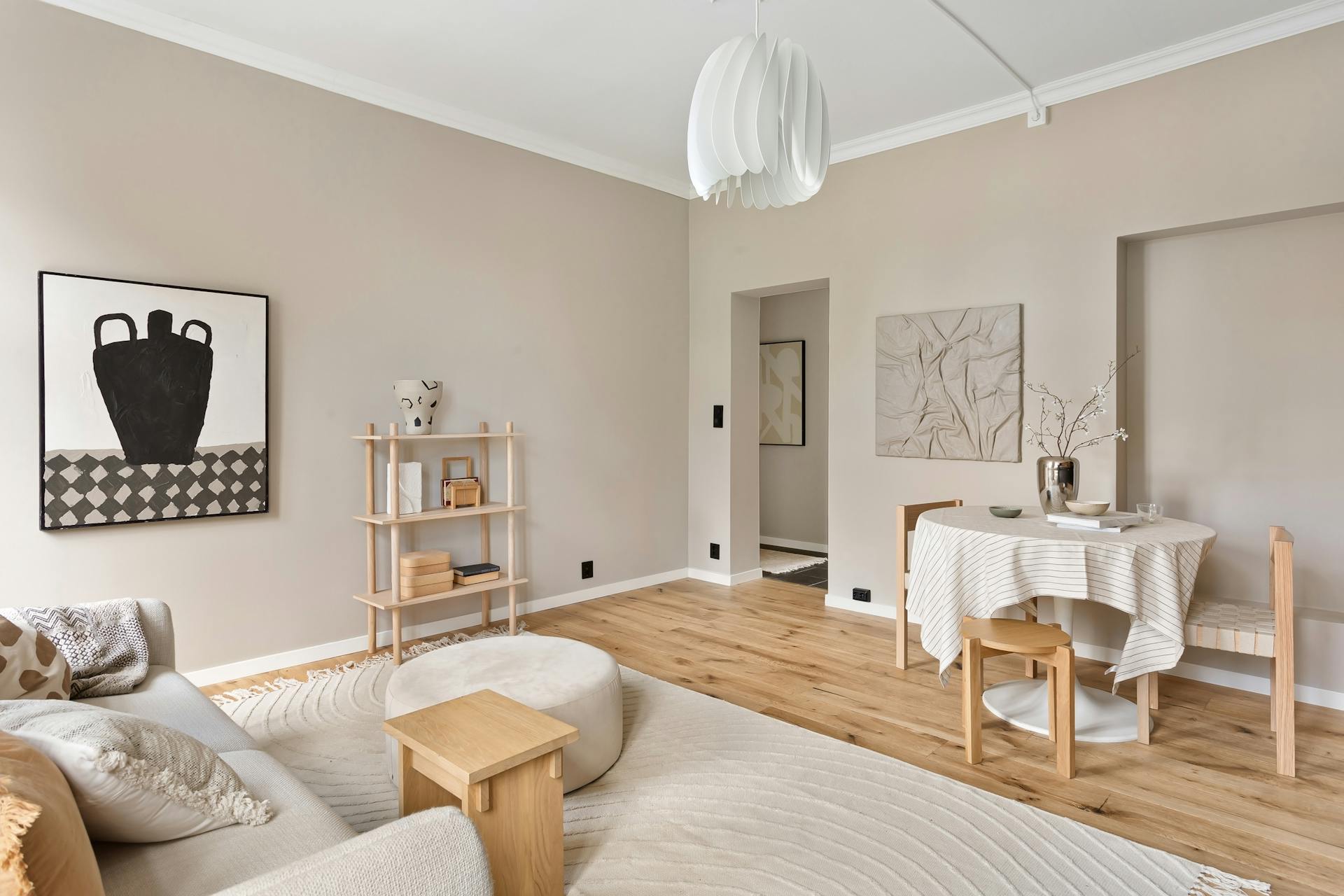
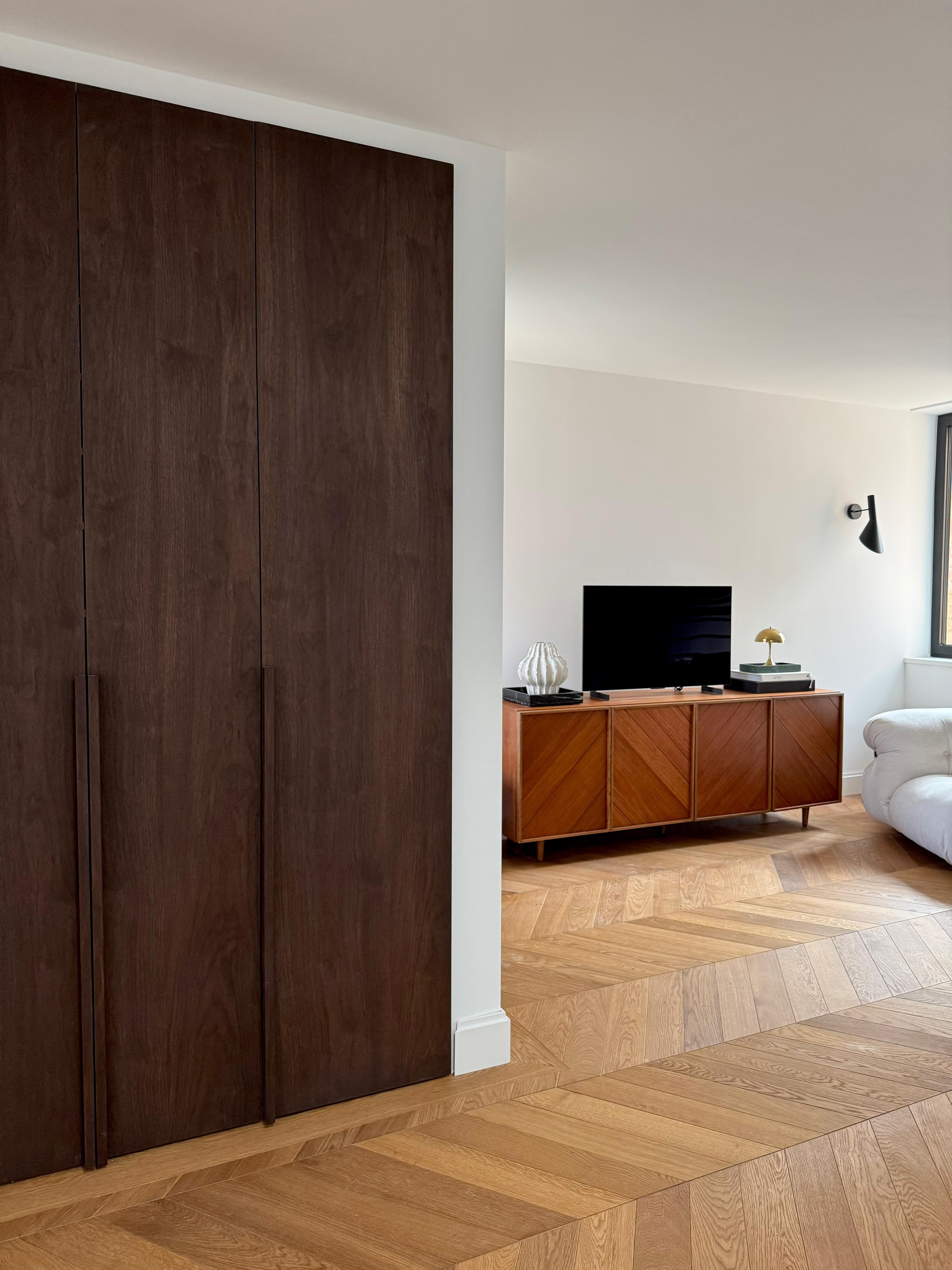
Light-toned natural oak flooring

Walnut

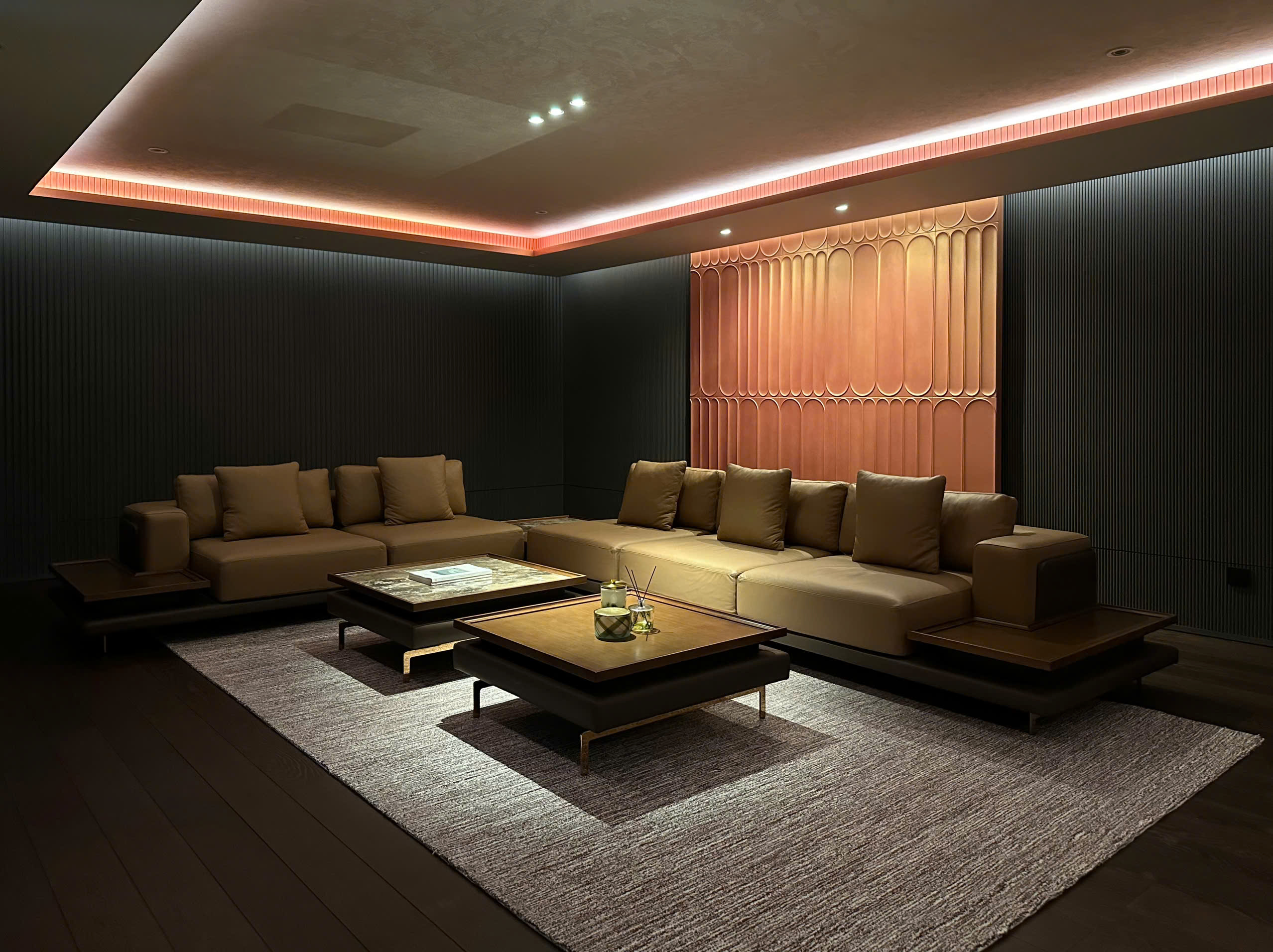
Walnut is associated with premium natural wood, bringing depth and a richer tonal presence to interiors.

Characteristics:

• Distinctive deep-brown colour

• Soft, flowing grain

• Creates warmth and visual richness

Well suited to:

• Refined interiors

• Classic or sophisticated contemporary settings

Teak

Teak is notable for its ability to perform in humid conditions, making it a practical choice where durability is a priority.

Characteristics:

• Natural golden-brown colour

• Naturally occurring oils

• Good resistance to moisture and termites

Well suited to:

• Areas with higher humidity

• Spaces where long-term durability is important

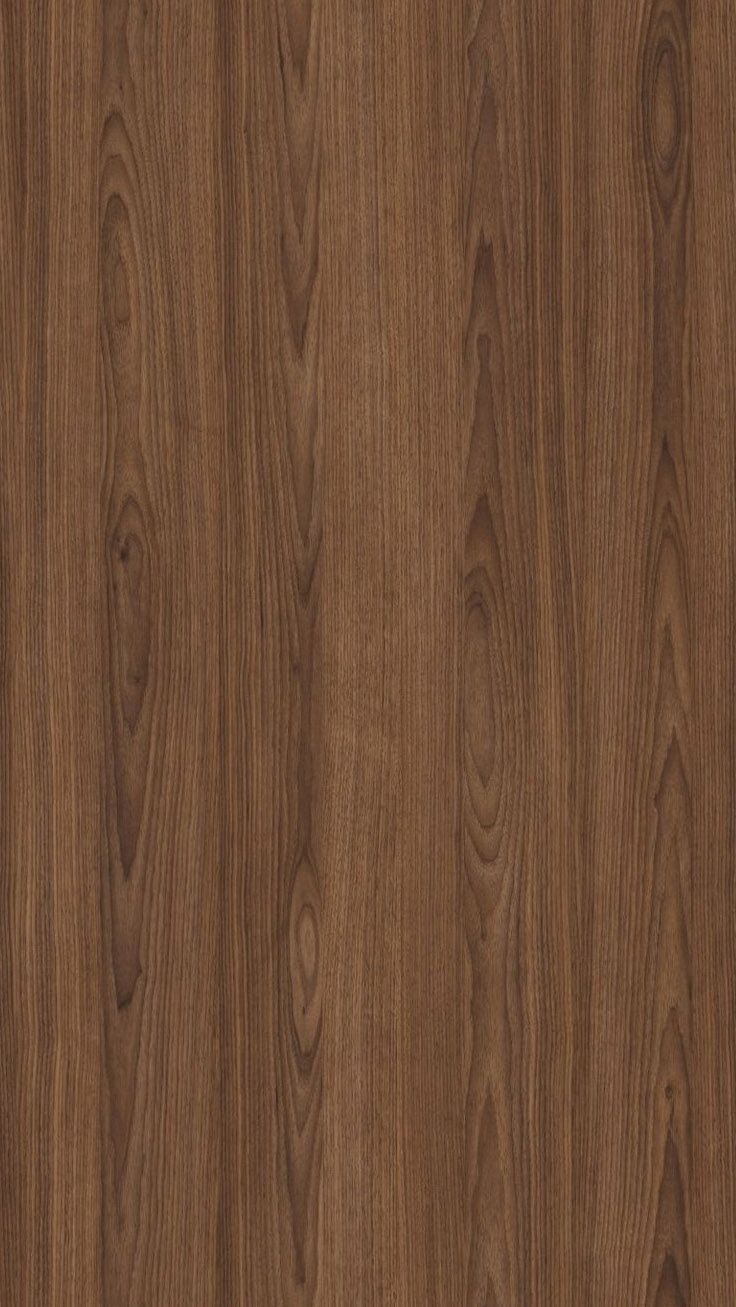
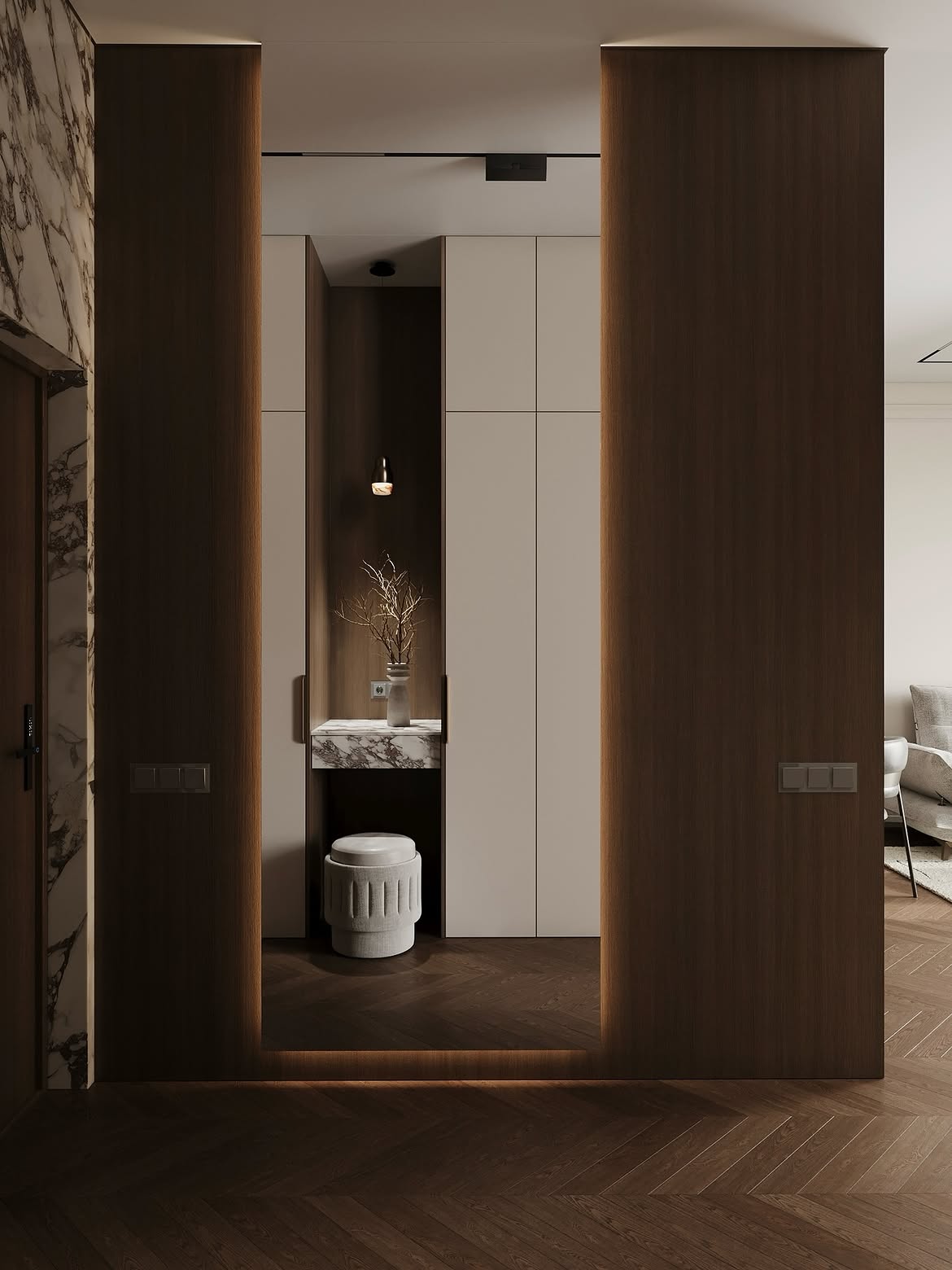
Premium walnut flooring
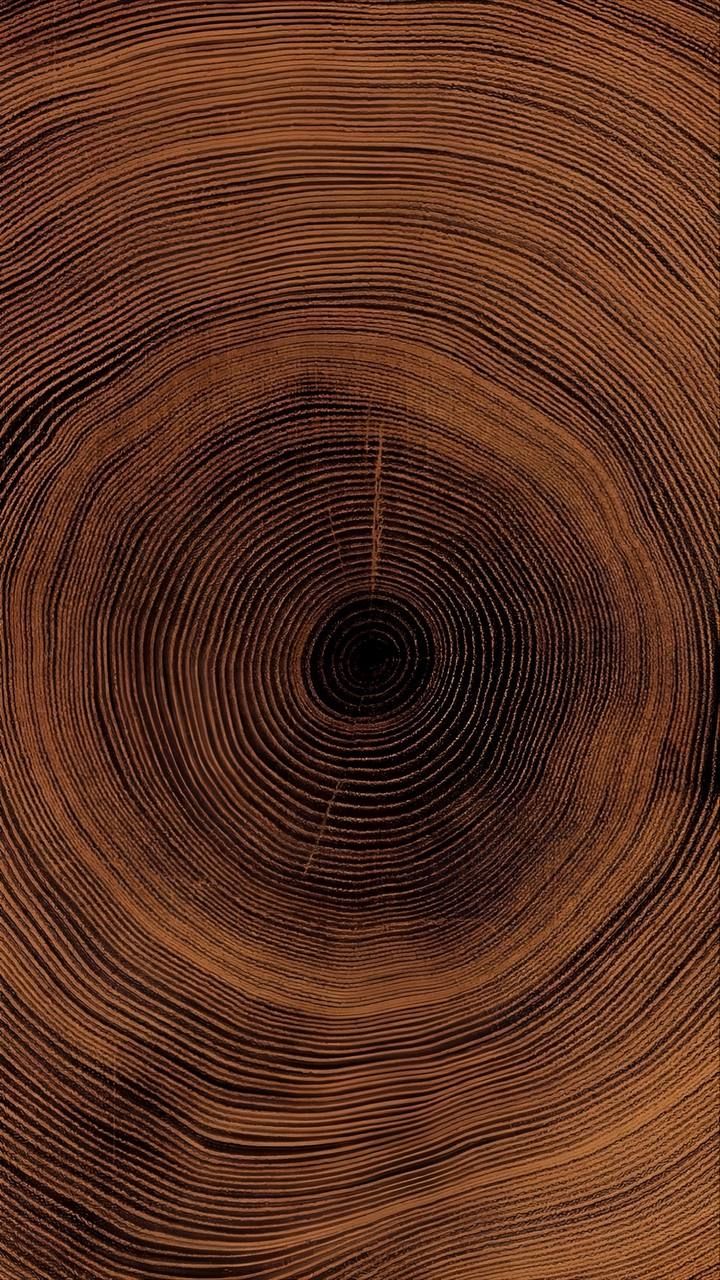
Natural teak flooring with moisture resistance

Ash

Ash offers a lighter-toned alternative to oak, with a more open visual character.

Characteristics:

• Lighter in colour than oak

• Broad, pronounced grain

• Good elasticity

Well suited to:

• Fresh, contemporary spaces

• Designs seeking a lighter, airier feel

Premium walnut flooring
Natural teak flooring with moisture resistance

Other Natural Wood Species

Beyond these widely used species, other natural woods also appear in flooring applications:

• Xylia: deep in colour and high in hardness, often used in more traditional projects

• Afzelia: distinctive colour, pronounced grain and strong visual character

Each has its own place within the natural wood material system, depending on the intended use and design language.

Which Wood Species Should You Choose for Flooring?

The choice should respond to practical requirements:

• Balance of appearance and durability → Oak

• Deeper, more refined character → Walnut

• Higher-humidity environments → Teak

• A lighter, brighter interior → Ash

From Material to Flooring Structure

Whatever the species, flooring construction remains a decisive factor in dimensional stability and service life.

Pairing the right wood species with an appropriate construction helps reduce issues such as warping and shrinkage.

Explore NOËL’s Flooring Structure

Learn More About the Natural Wood System

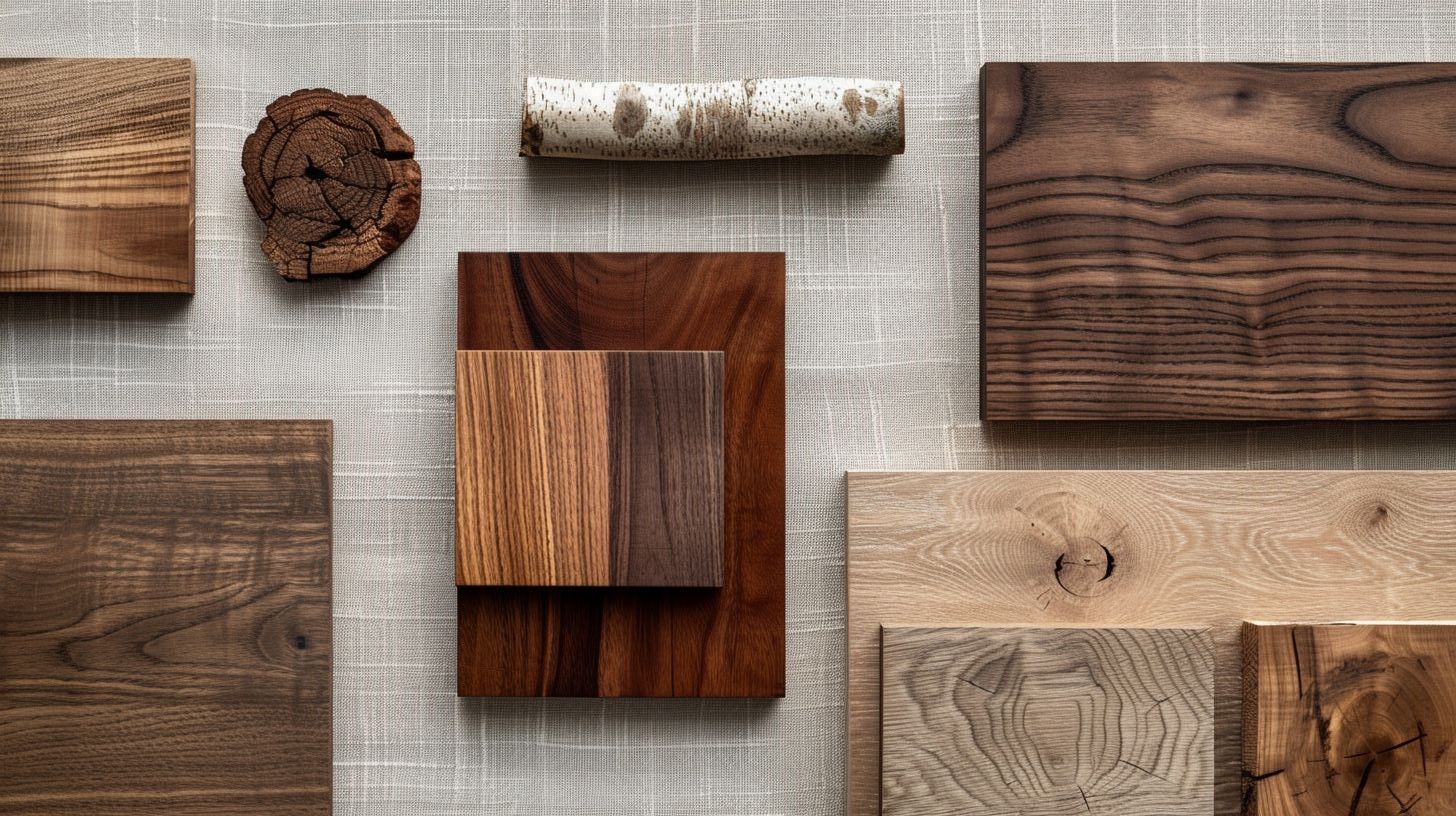
Every wood species has its own colour, grain and performance characteristics.

Understanding those differences supports a more precise choice for each interior.

Explore NOËL’s Complete Natural Wood System

Warranty Policy

View warranty terms

Engineered Structure

Explore the engineered wood layers

Laying Systems

Explore flooring patterns
Zalo Call
SAMPLE BOX

Exclusive Sample Collection

Request our wood flooring sample set.

Select wood type / tone
Oak - Light / Natural Tone
Walnut - Deep Tone
Ash - Natural
Teak - Natural
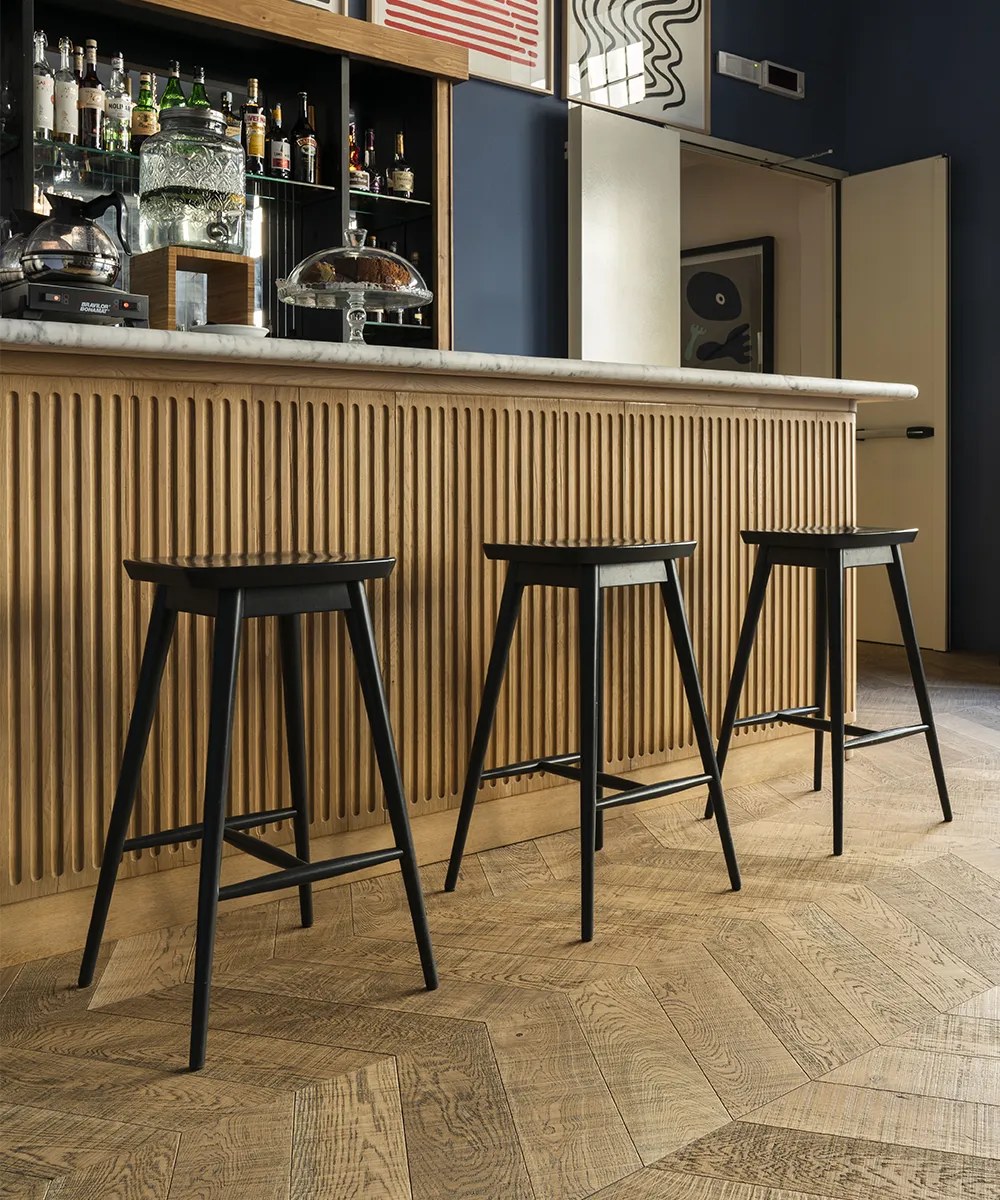
Herringbone / Chevron
Straight Lay