

Language

Background

Natural Wood Structure and Characteristics in Flooring Applications

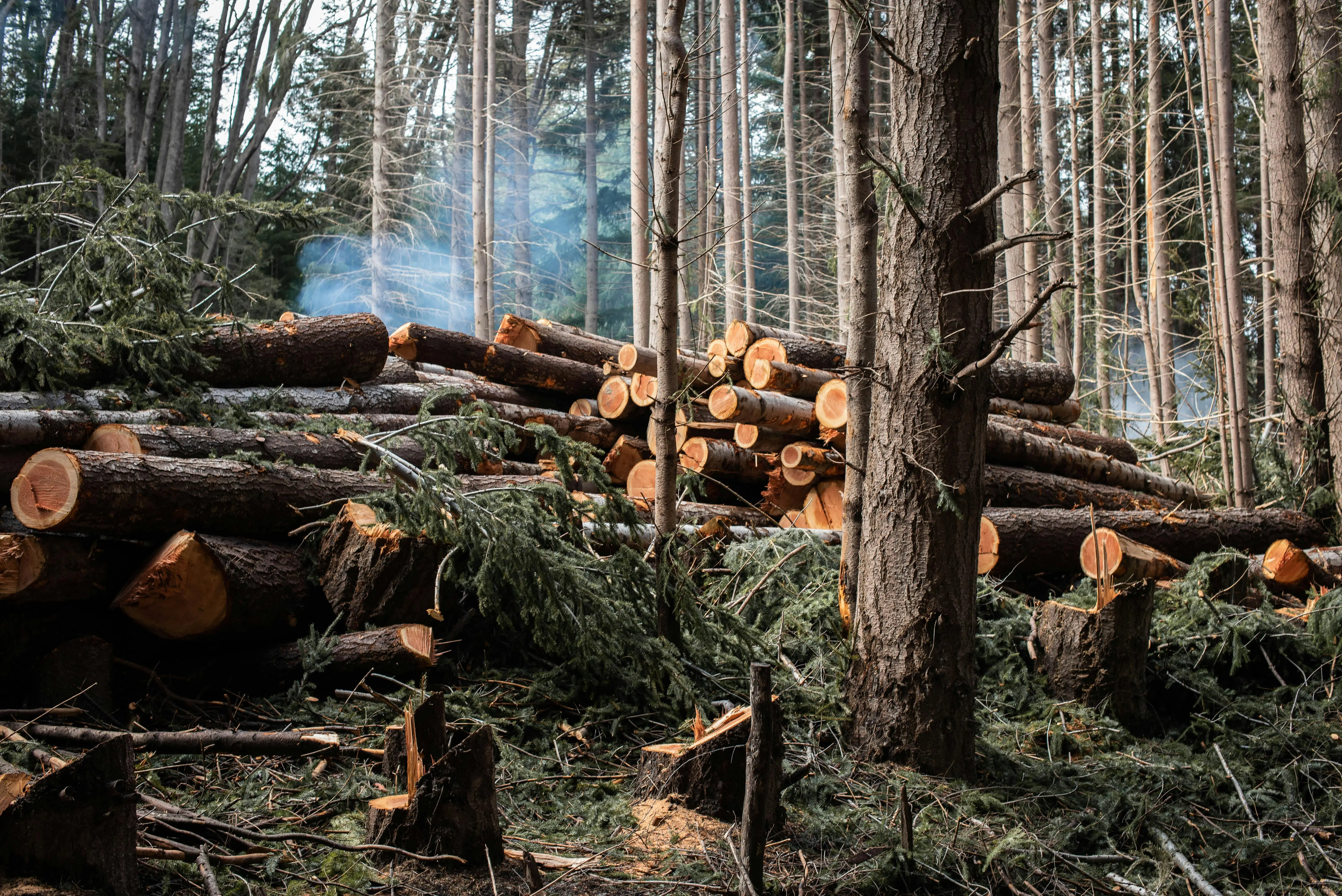
Behind every wood surface lies a living structure, where the material follows natural principles and develops character over time.

When choosing wood flooring, attention often goes first to colour or laying pattern. Yet long-term durability and performance depend on the structure and characteristics of natural wood — less visible qualities that play a fundamental role.

Understanding the properties of natural wood, from grain structure to the way the material responds to its environment, provides the foundation for selecting the right material within the natural wood system, particularly for flooring applications where dimensional stability matters.

Wood Grain and Its Structural Role

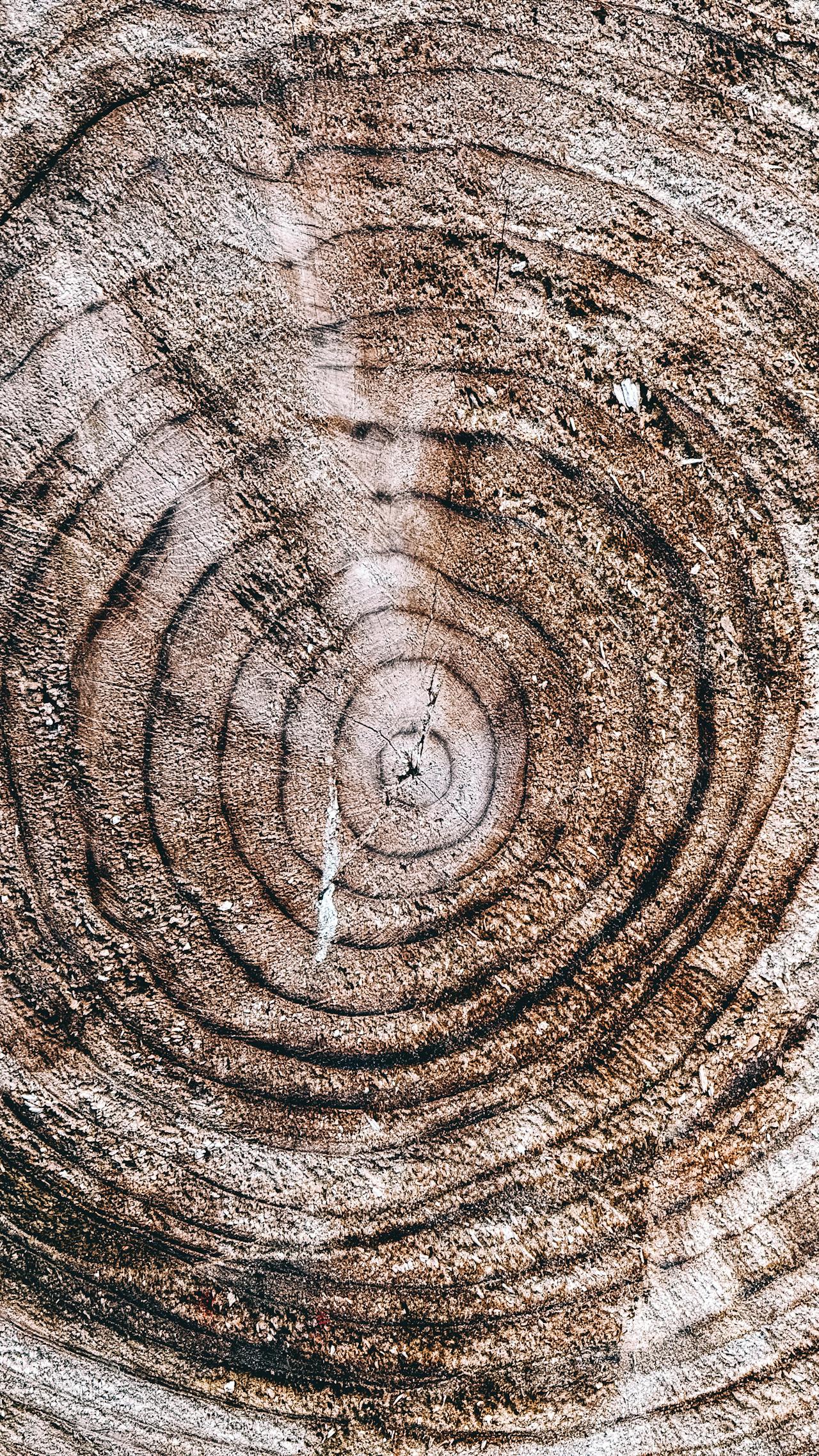
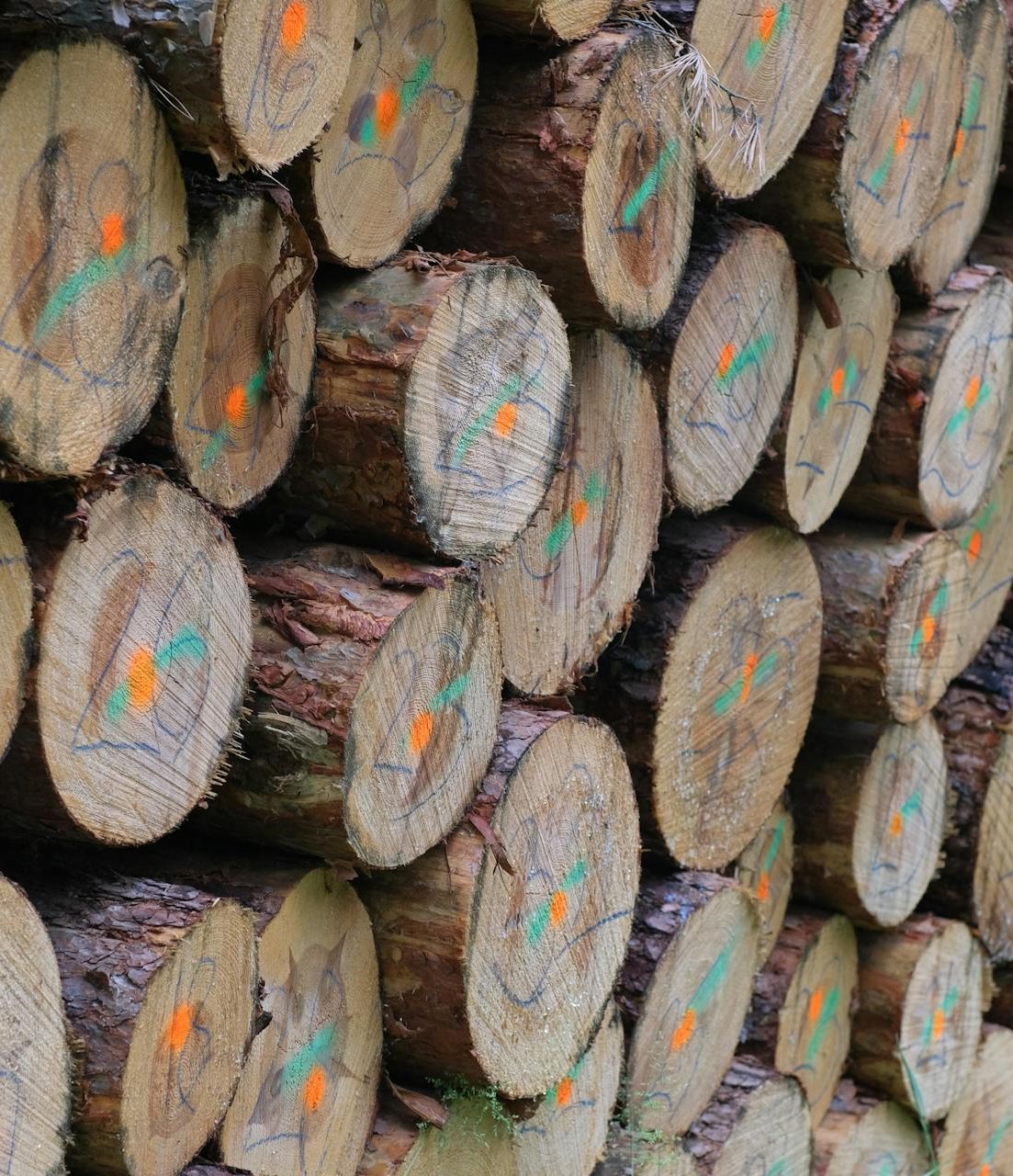
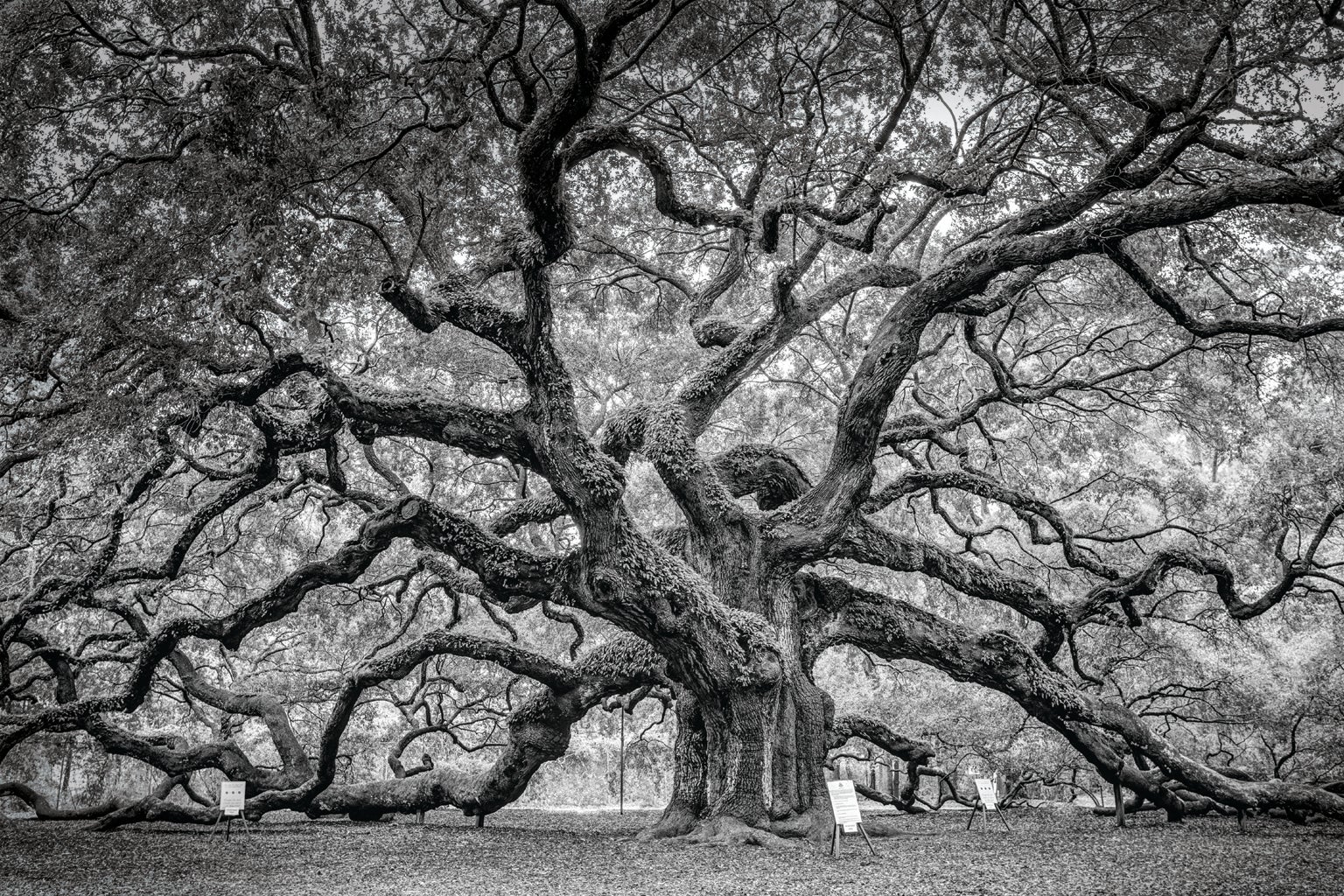
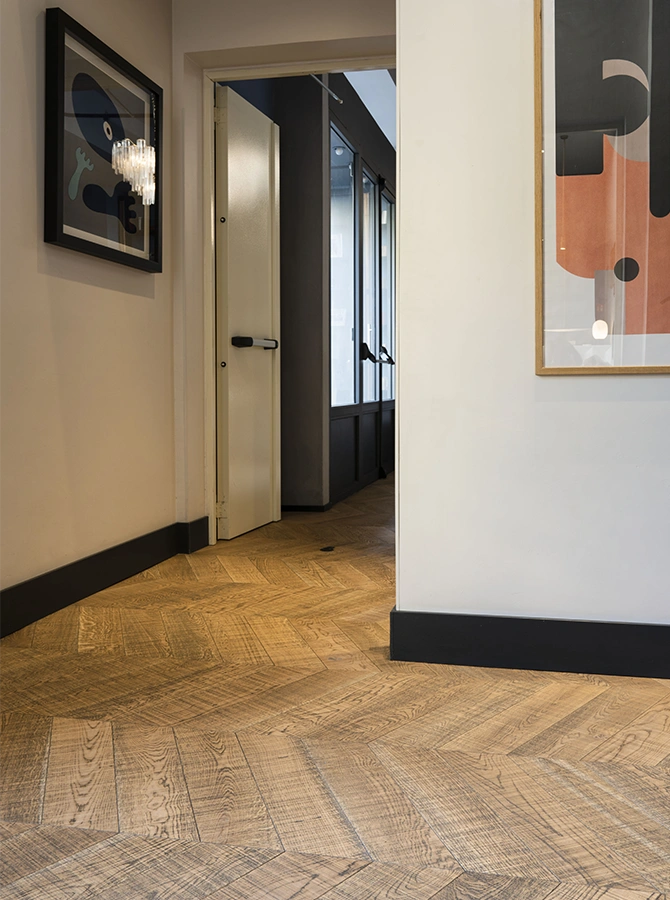
Wood grain follows the tree’s natural direction of growth and is a key element of natural wood structure.

In practice, what wood grain is extends beyond appearance: it directly affects mechanical strength, load resistance and the long-term stability of a wood floor.

Wood with a stable grain structure is less prone to deformation as environmental conditions change, helping the floor remain dimensionally stable over time.
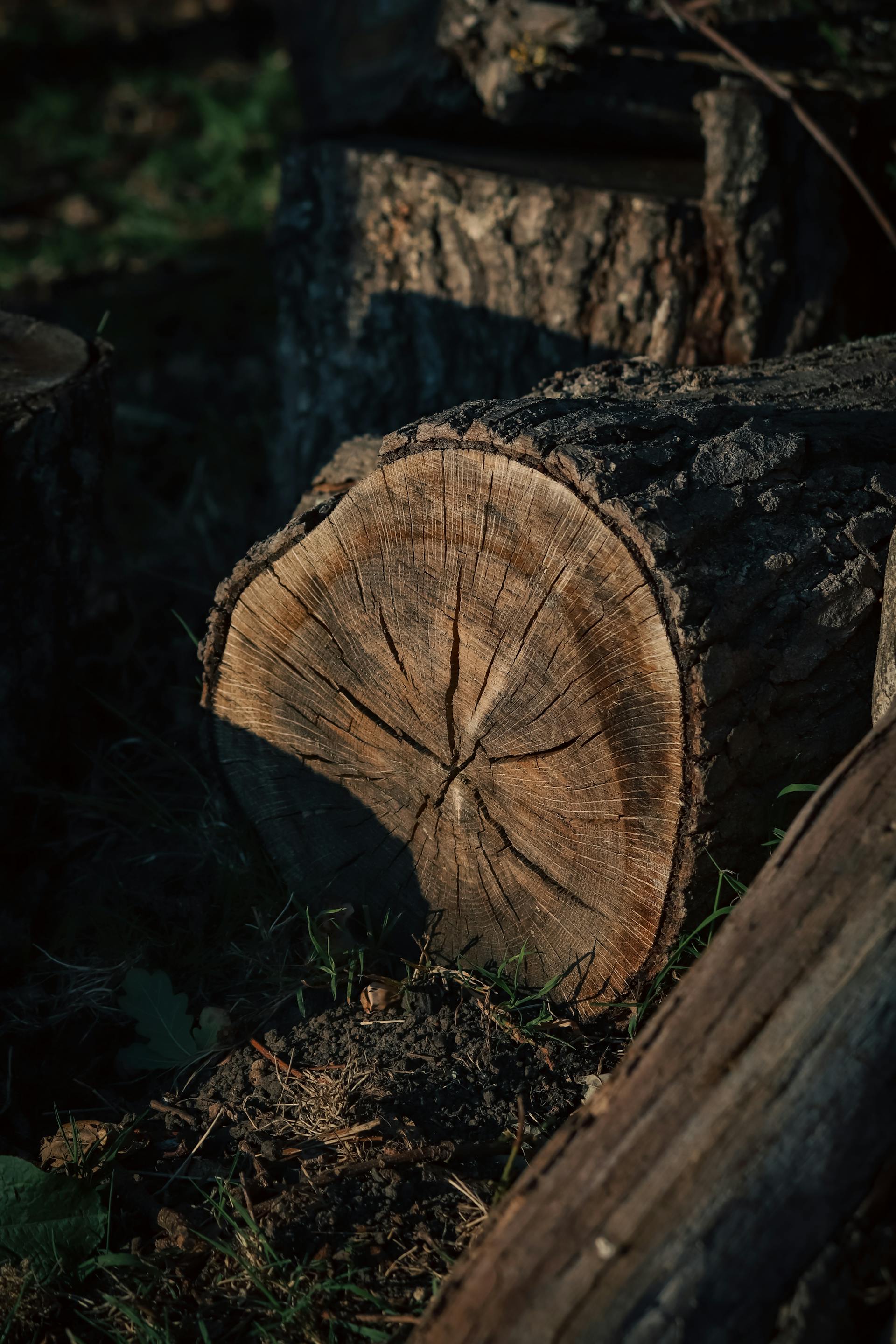
Natural wood grain
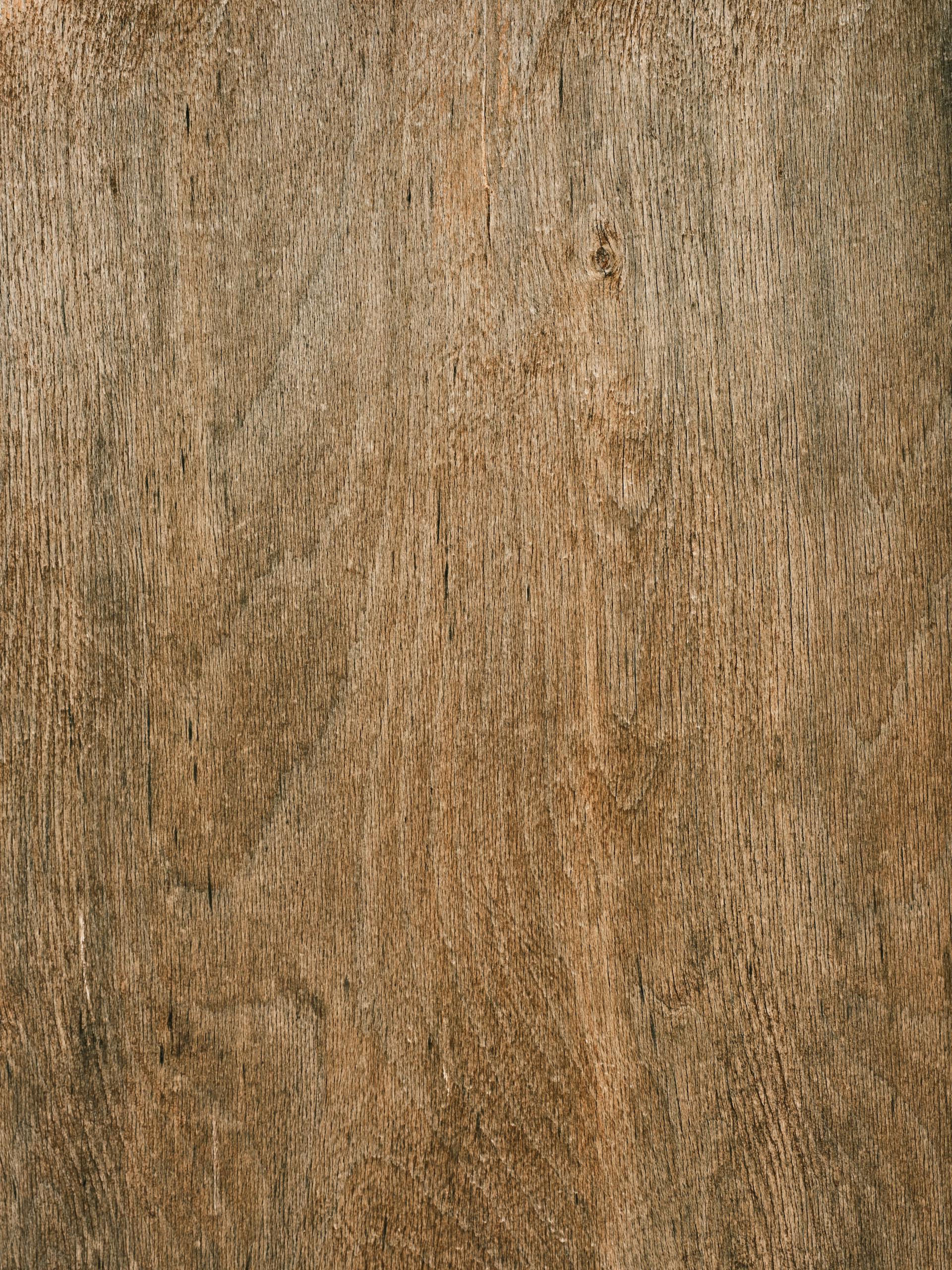
Natural wood grain detail

Natural Wood Grain Pattern

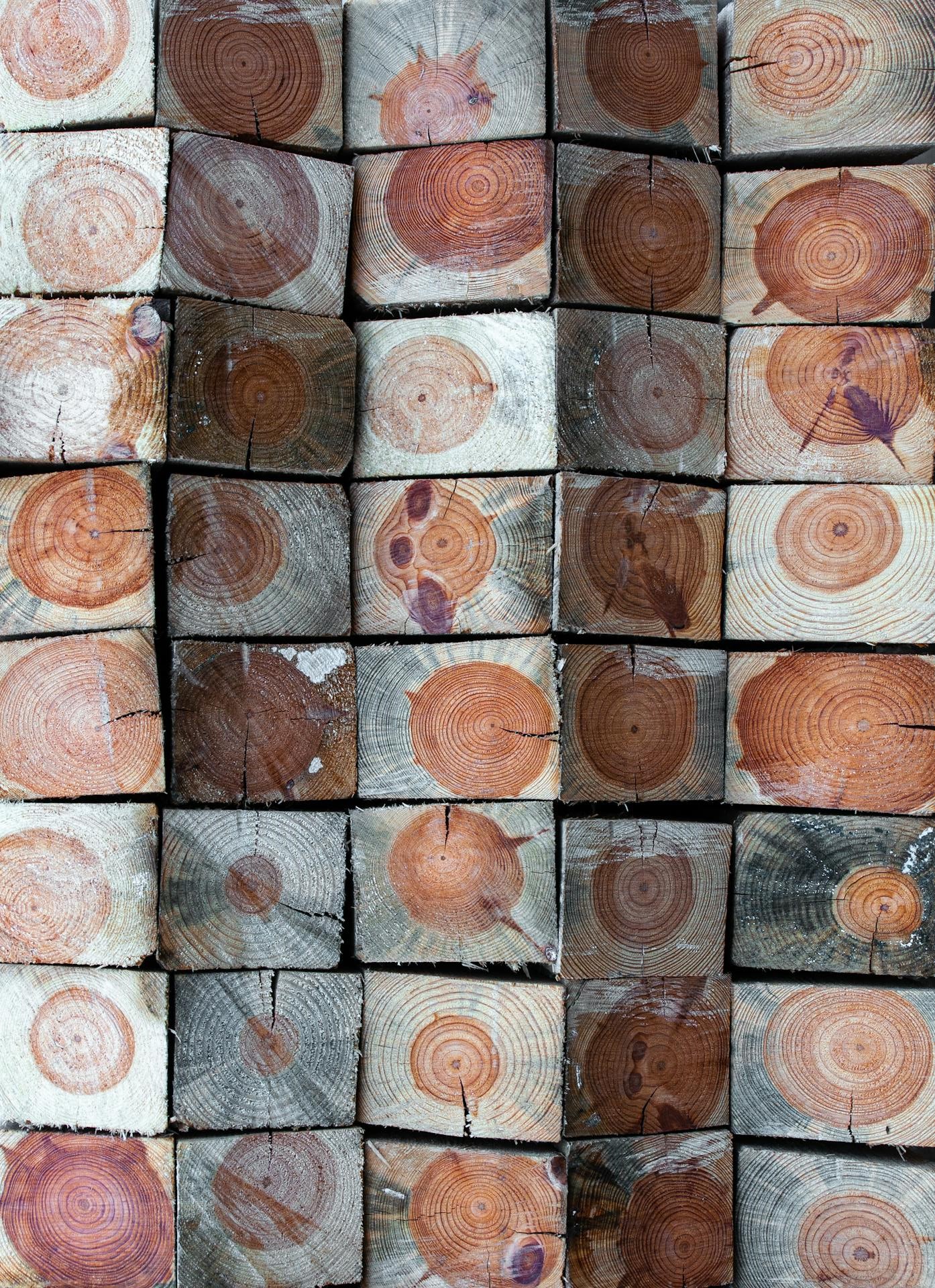
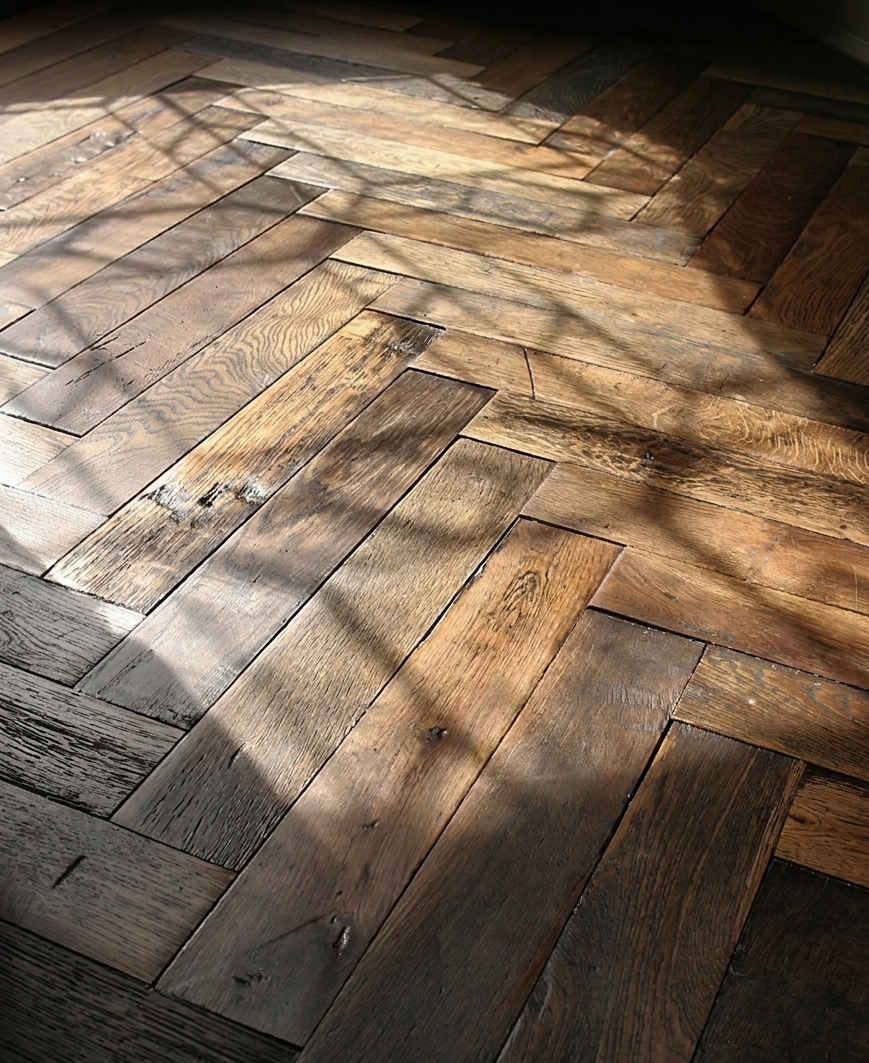
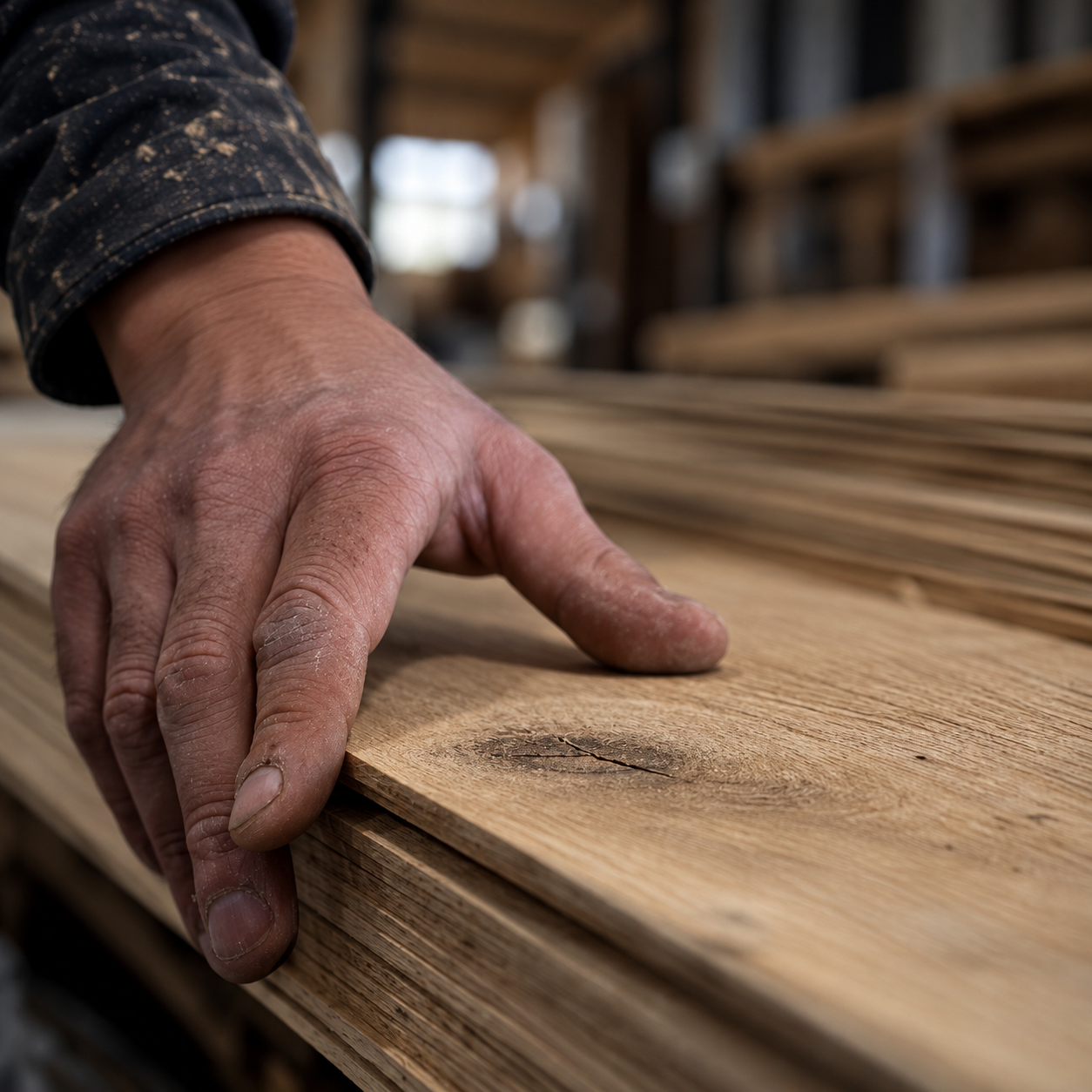
Natural wood grain is the visible expression of the material’s internal structure, giving each species its distinctive appearance.

Beyond aesthetics, grain also reflects the characteristics of natural wood, offering clues to both material quality and processing.

Wood Density and Hardness

Wood density is an important consideration when evaluating a material.

Density directly influences natural wood hardness and its ability to withstand loads in use:

• High-density wood: hard, durable and load-resistant, making it well suited to premium natural wood flooring

• Lower-density wood: lighter and easier to machine, but generally less durable

Detailed natural wood grain
Comparison of natural wood density

Wood Expansion and Contraction

One of the most important the properties of natural wood properties of natural wood is its response to humidity.

• Humidity rises → wood expands

• Humidity falls → wood contracts

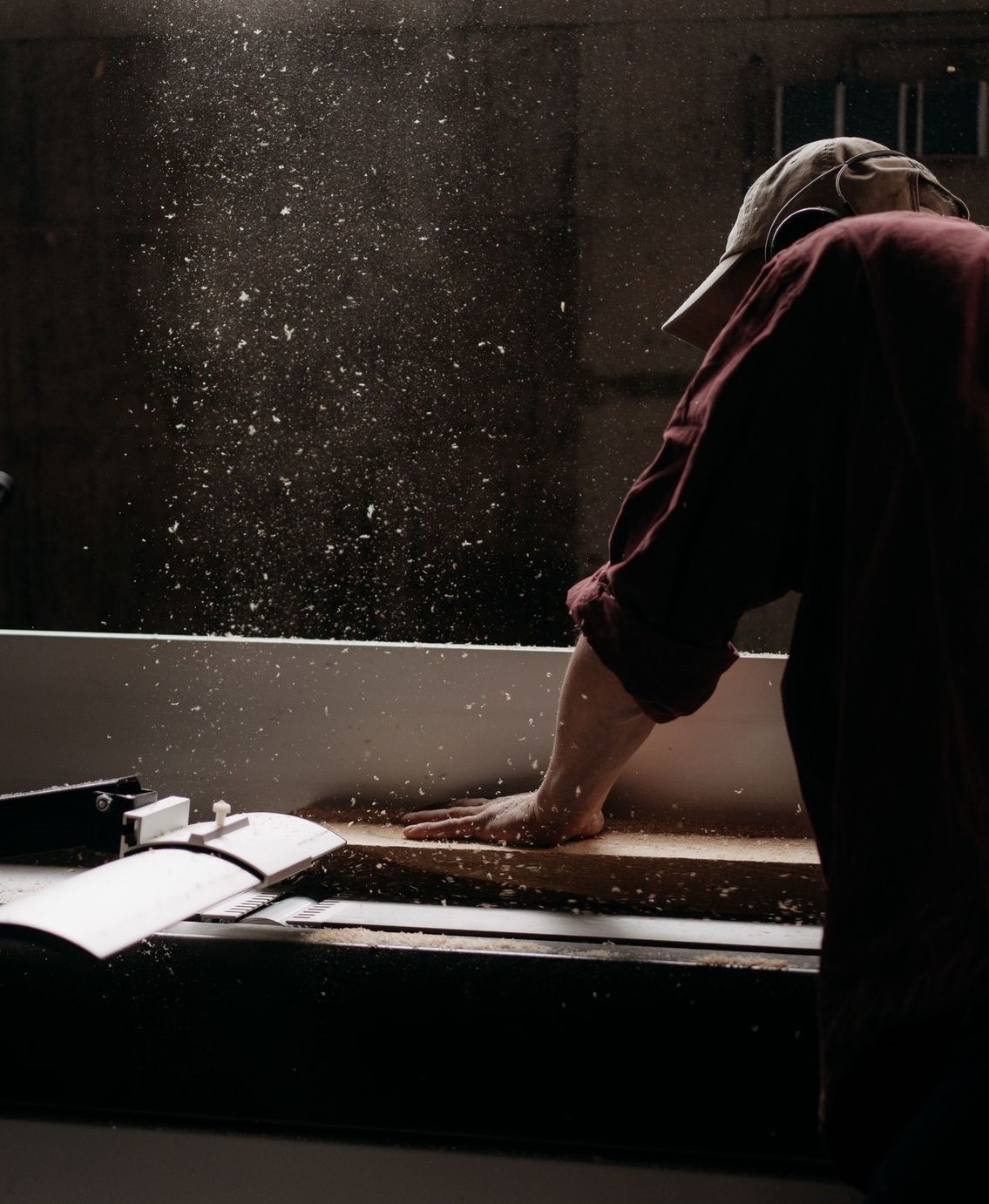
This natural movement can lead to issues such as warping, shrinkage or gaps between boards if the material is not properly processed and installed.

Stability and Wood-Cutting Methods

Wood stability depends on several factors:

• Wood species

• Cutting method (radial or tangential)

• Processing and kiln-drying methods

Hardness and Environmental Response

Beyond structure, surface characteristics also shape day-to-day performance:

• Hardness influences scratch and load resistance

• Wood responds to temperature, light and its surrounding environment

• The material evolves over time, developing natural depth

Each species has its own characteristics within the natural wood material system, which in turn shape its real-world performance.

Applications in Modern Wood Flooring

To preserve the strengths of natural wood while limiting its inherent movement:

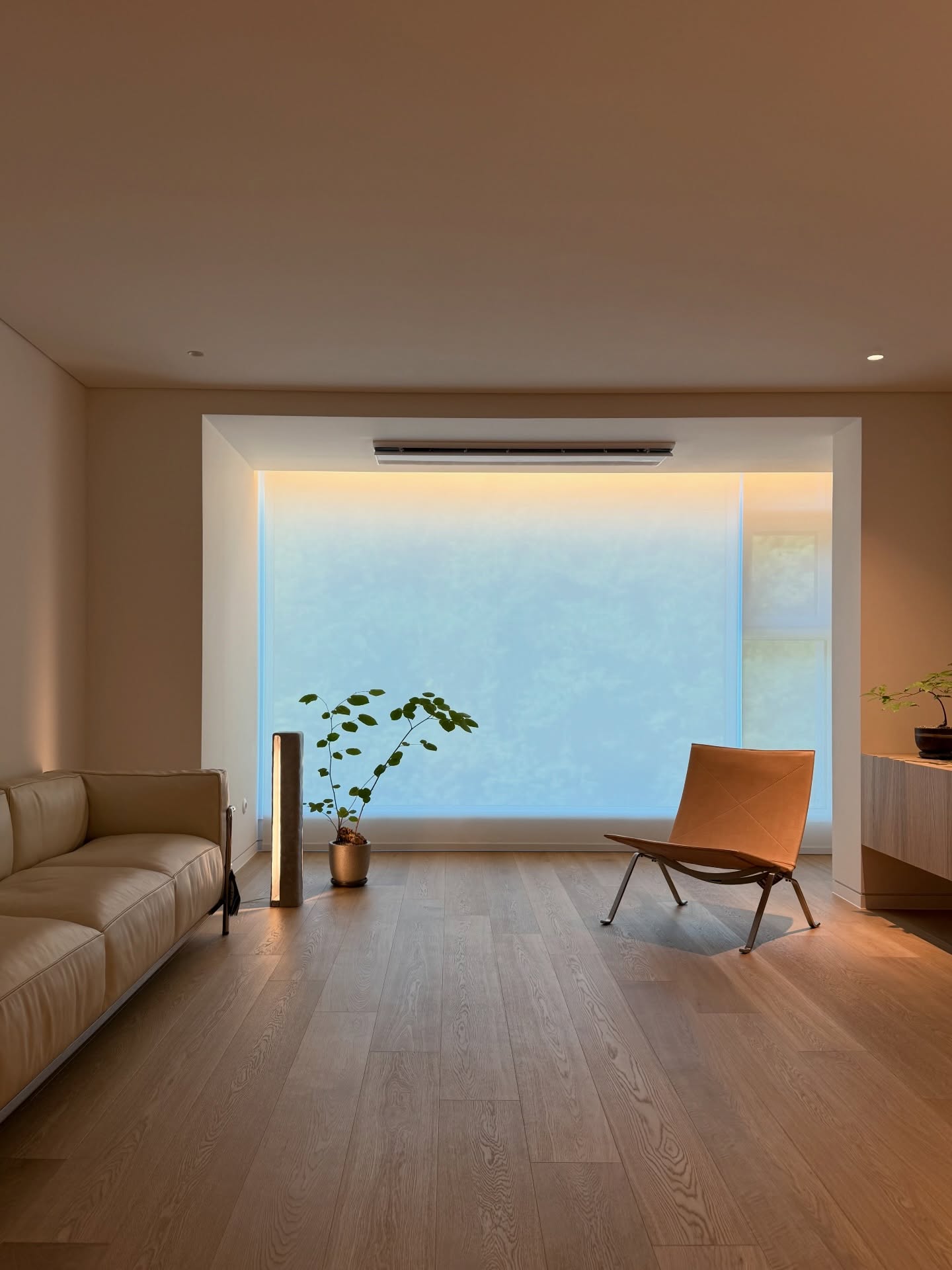
• Natural wood wear layer: retains the authentic appearance and tactile quality of wood

• Multi-layer construction: improves dimensional stability in use

This is how premium natural wood flooring balances material beauty with long-term performance.

Understanding the Natural Wood Material System

Understanding structure is the first step toward choosing the right wood species for each space.

Each species brings its own grain, hardness and environmental response.

Explore NOËL’s Natural Wood System

Warranty Policy

View warranty terms

Engineered Structure

Explore the engineered wood layers

Laying Systems

Explore flooring patterns
Zalo Call
SAMPLE BOX

Exclusive Sample Collection

Request our wood flooring sample set.

Select wood type / tone
Oak - Light / Natural Tone
Walnut - Deep Tone
Ash - Natural
Teak - Natural
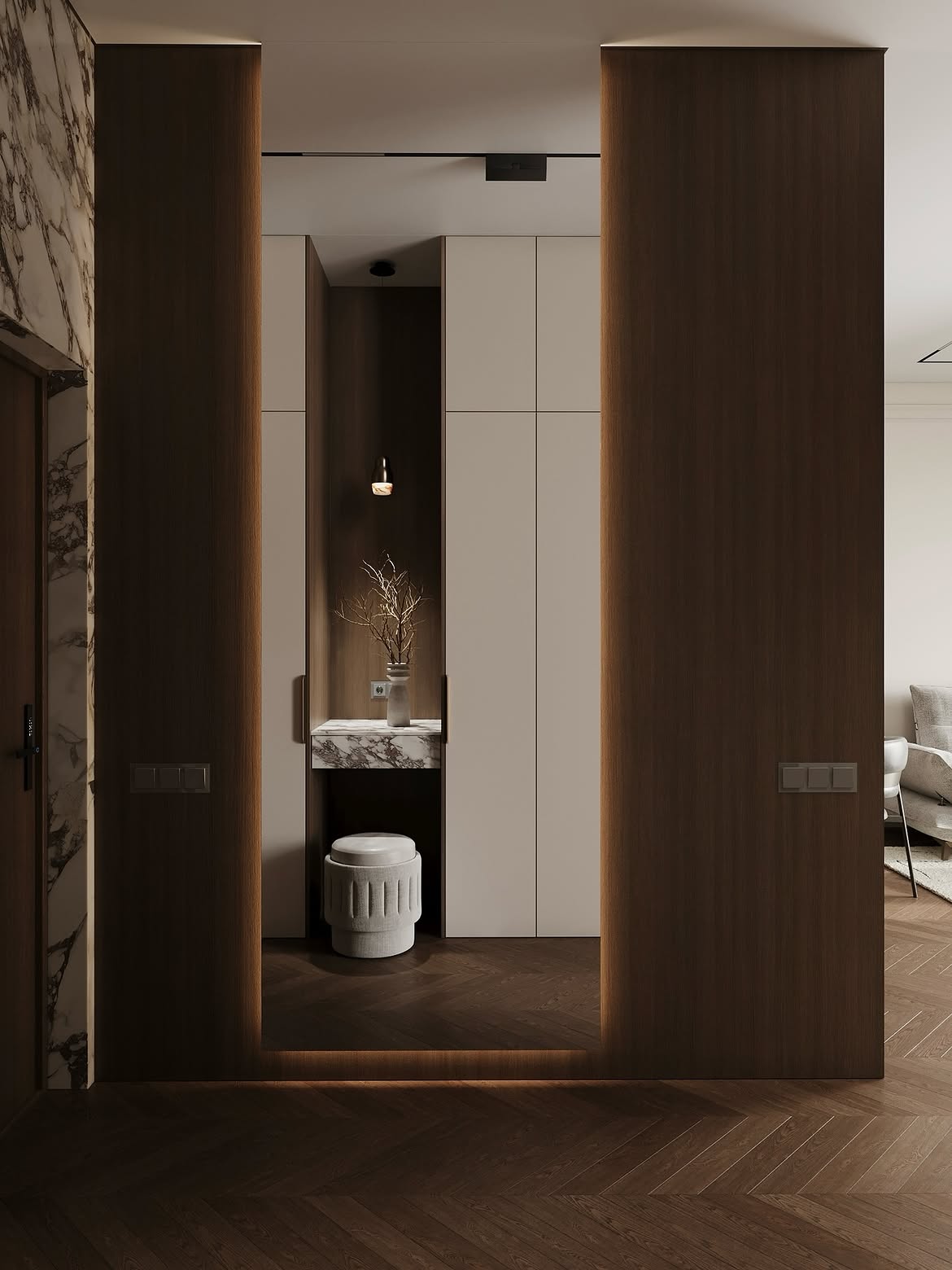
Herringbone / Chevron
Straight Lay