
Language

Background

What Is the Difference Between Natural Wood Veneer and Laminate?

The two surfaces can look similar, yet differ significantly in material construction, tactile experience and the way they change over time.

In contemporary interiors and wood flooring, natural wood veneer and laminate are often confused because they can appear visually similar.

Their differences go beyond appearance, extending to material construction, tactile quality, stability and the way each surface develops over time.

What Is Natural Wood Veneer?

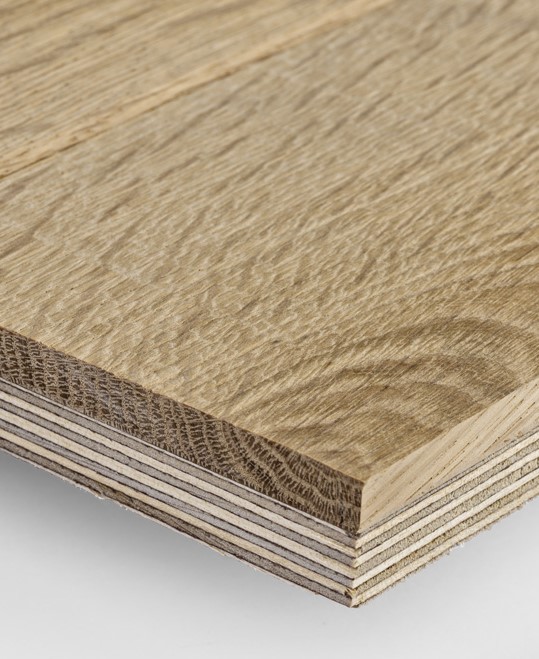
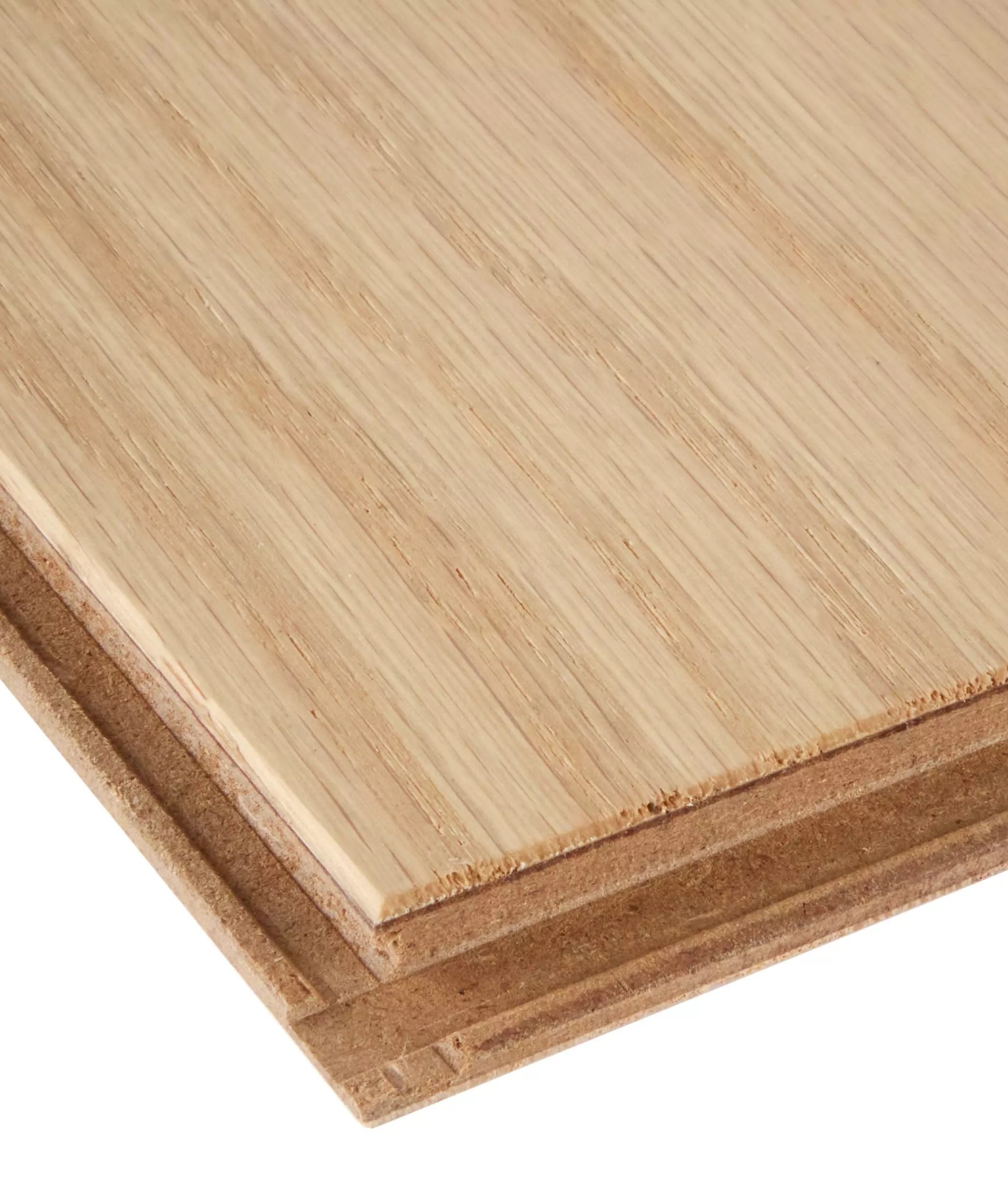
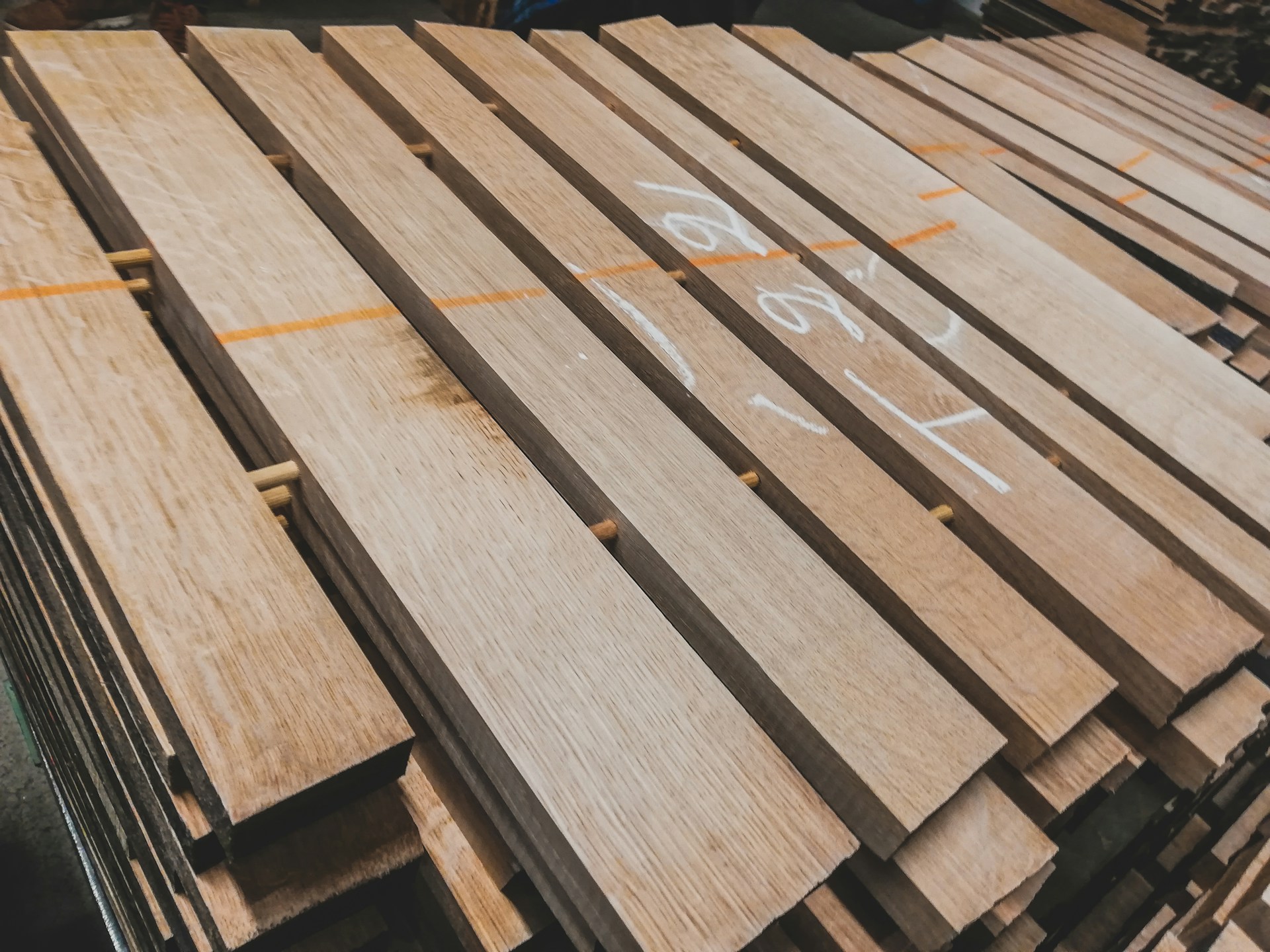
Natural wood veneer is a thin layer of real wood cut from natural timber and applied over a substrate such as plywood or an engineered core.

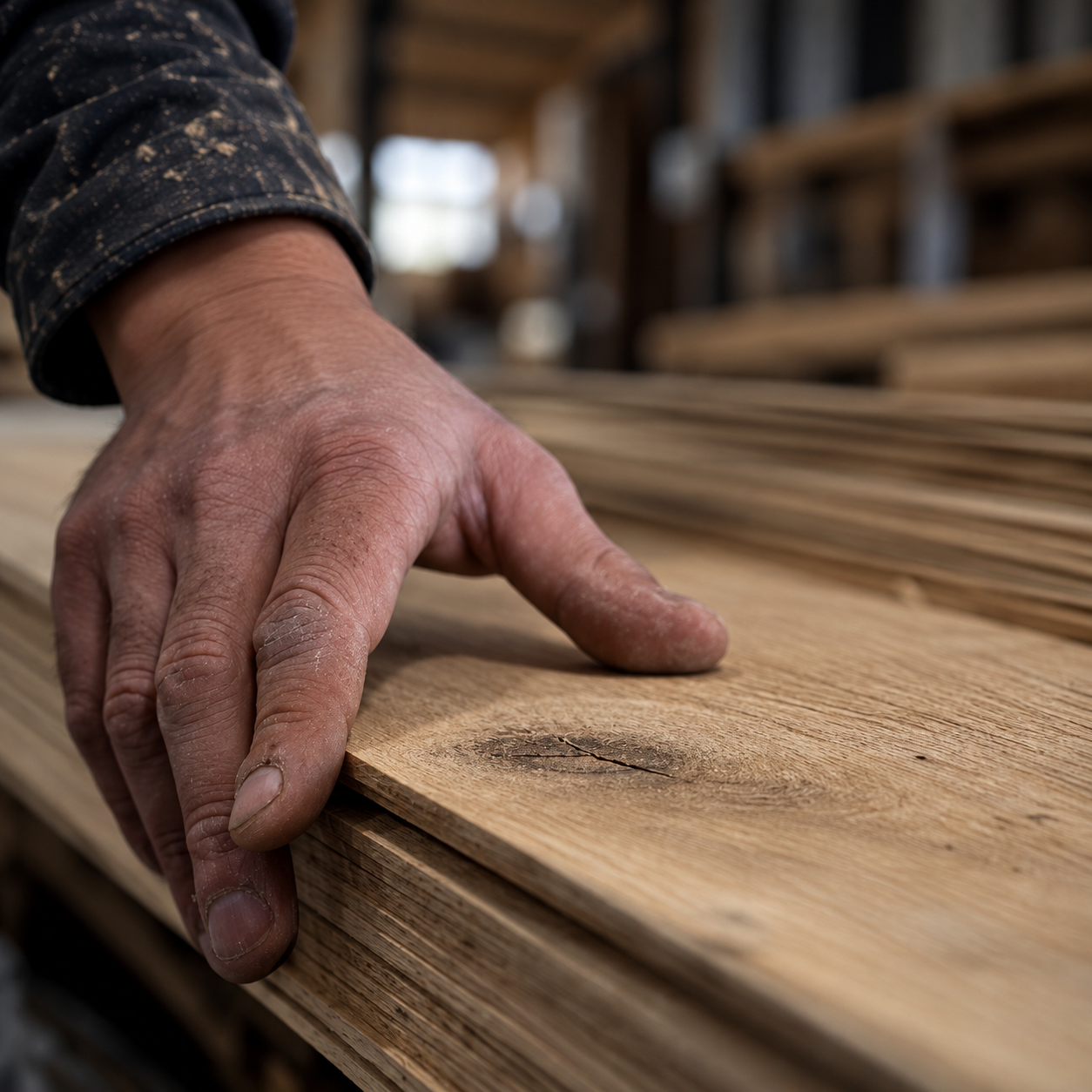
Because it is real wood, veneer retains natural characteristics such as grain, knots, colour variation and surface depth.

Each veneer surface therefore carries some degree of natural variation rather than repeating exactly.

Characteristics of Natural Wood Veneer:

• The surface is real wood

• Natural depth and texture

• Grain does not repeat exactly

• Can change subtly over time
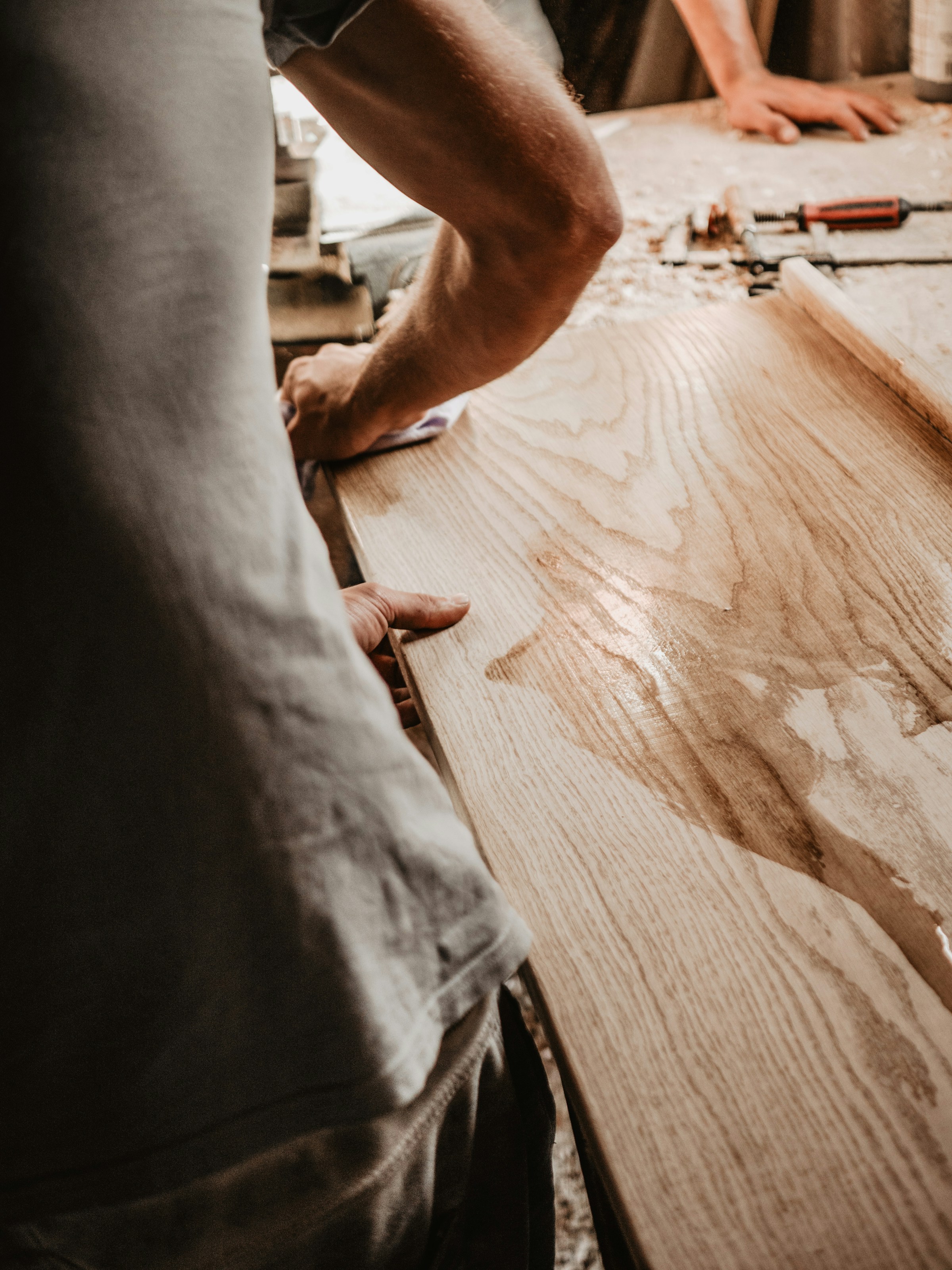
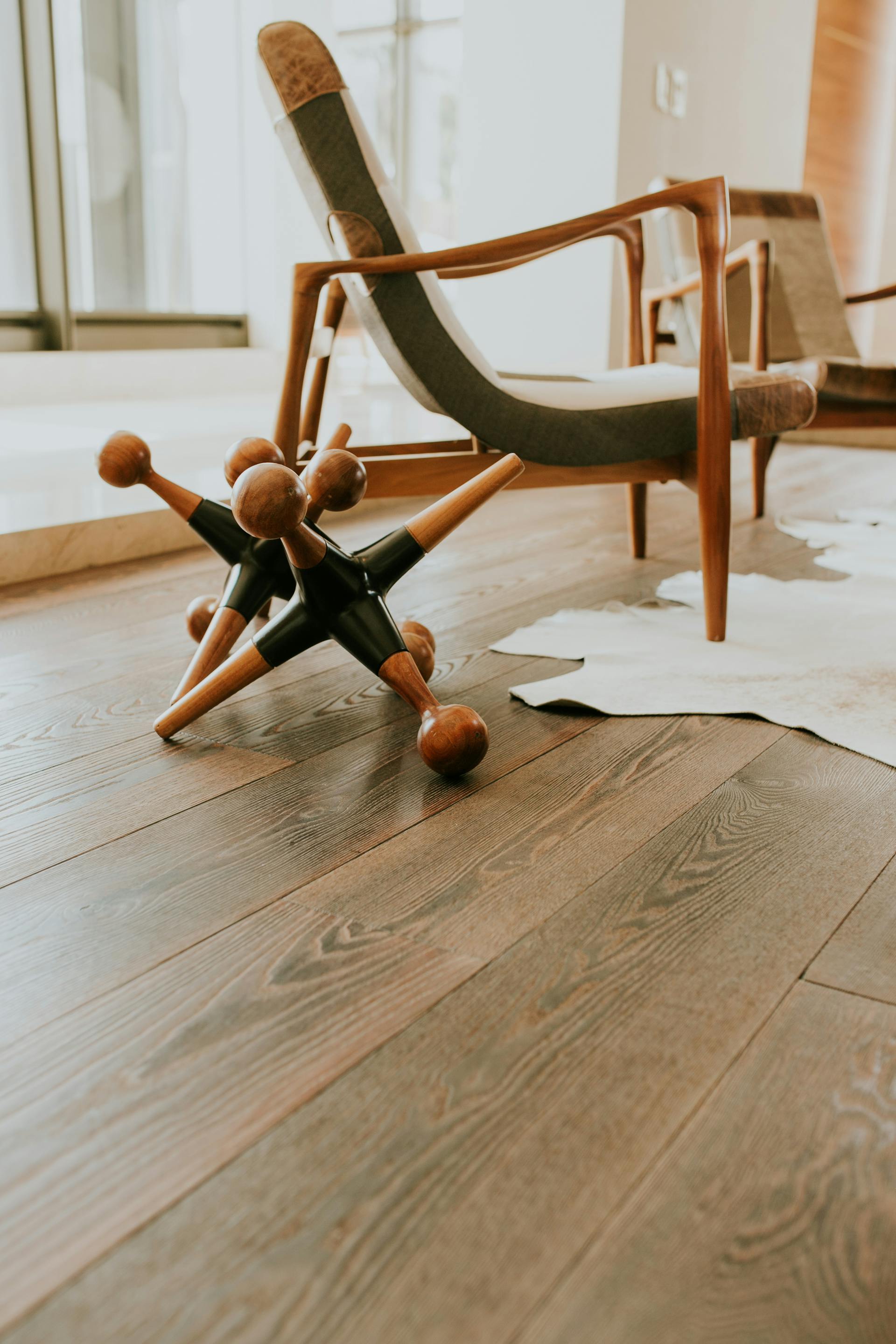
Natural wood veneer surface
Natural wood veneer texture

What Is Laminate?

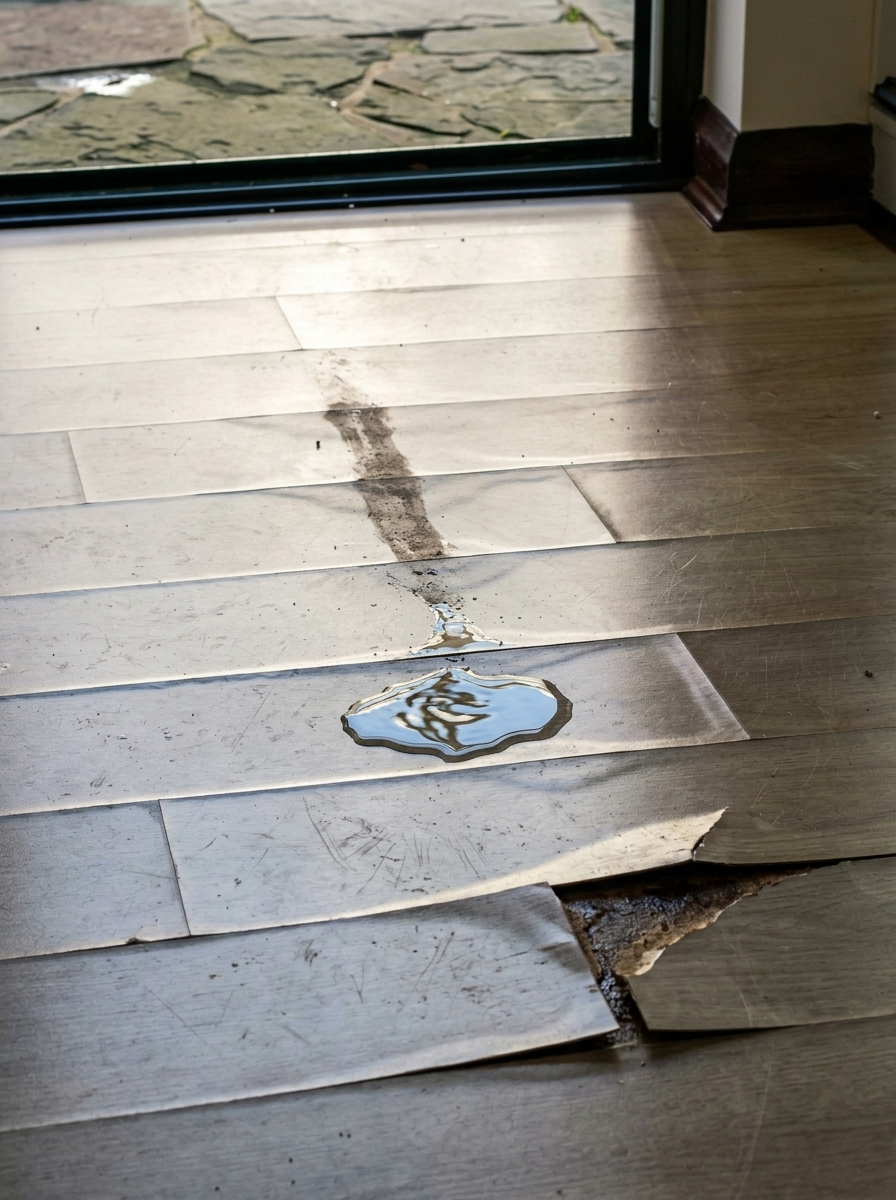
Laminate is a surface made from a printed image or pattern that imitates wood grain, then bonded to a substrate through a heat-pressing process.

Unlike veneer, laminate is not real natural wood. It is a manufactured surface designed to reproduce the visual appearance of timber.

Its production consistency and colour control make laminate common in many industrial and commercial interior applications.

Characteristics of Laminate:

• Printed wood-grain surface

• Consistent colour and pattern

• Relatively little visual change over time

• Production cost is generally lower than natural wood

Differences in Surface Experience

One of the clearest differences lies in how each surface responds to light and feels in everyday use.

Natural wood veneer usually shows greater material depth because real wood fibres remain present at the surface.

Laminate appears more visually uniform because its pattern is controlled through printing.

At close range or under natural light, differences in texture and surface depth usually become more apparent.

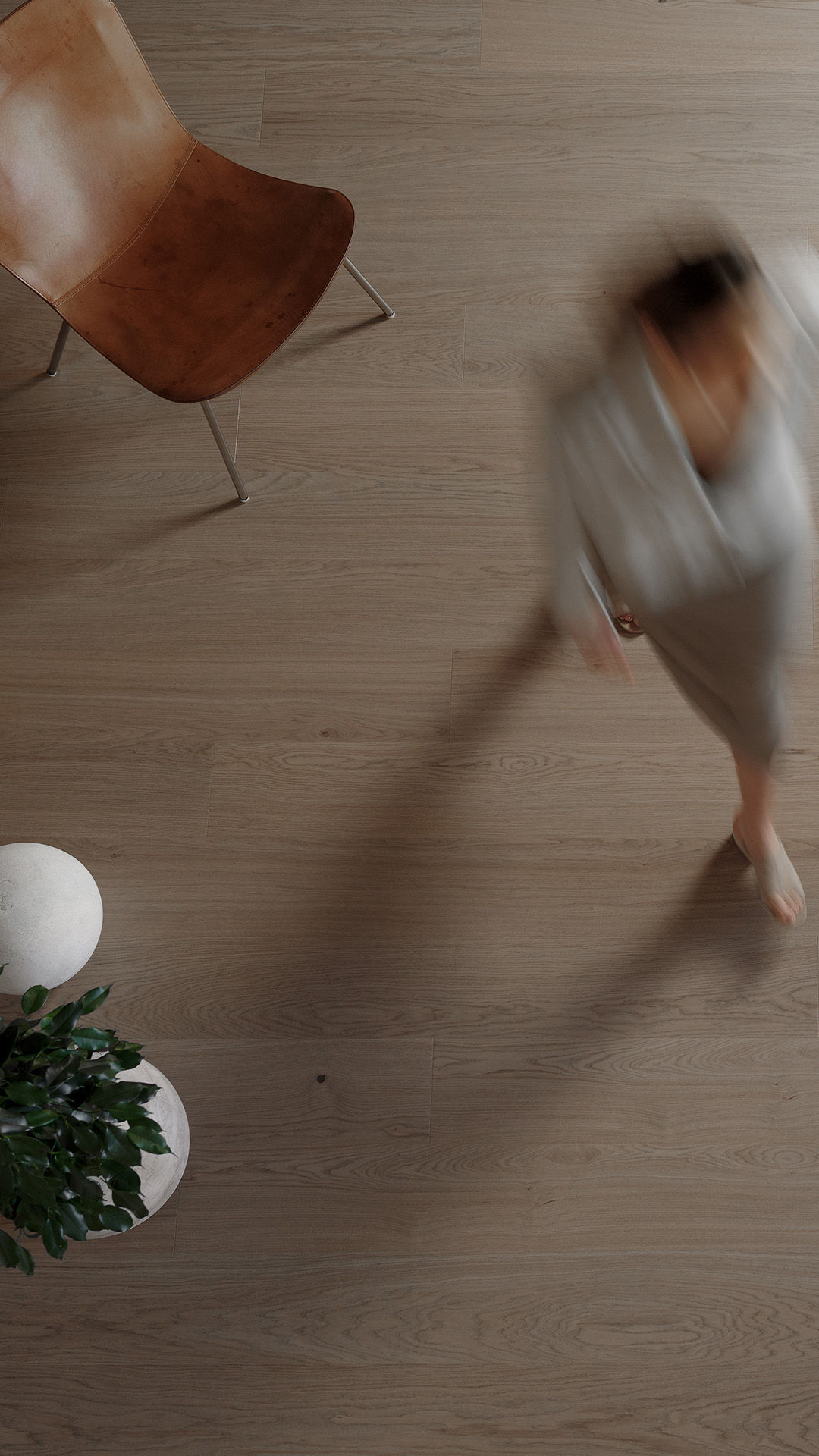
Wood-grain laminate surface
Veneer and laminate comparison

Differences in Performance

Beyond appearance, veneer and laminate also differ in how they perform over long-term use.

Natural wood veneer generally offers a more authentic material experience and can change subtly over time, much like other natural wood surfaces.

Laminate offers greater uniformity, tighter surface control and less colour variation during use.

Depending on material construction and manufacturing quality, each can suit different requirements and conditions of use.

When Should You Choose Veneer or Laminate?

• Natural wood veneer suits spaces that prioritise authentic material feel and natural depth

• Laminate suits applications where consistency and cost efficiency are priorities

• The choice should reflect intended use, budget and the desired spatial experience

How Does Natural Wood Veneer Work in Engineered Wood Flooring?

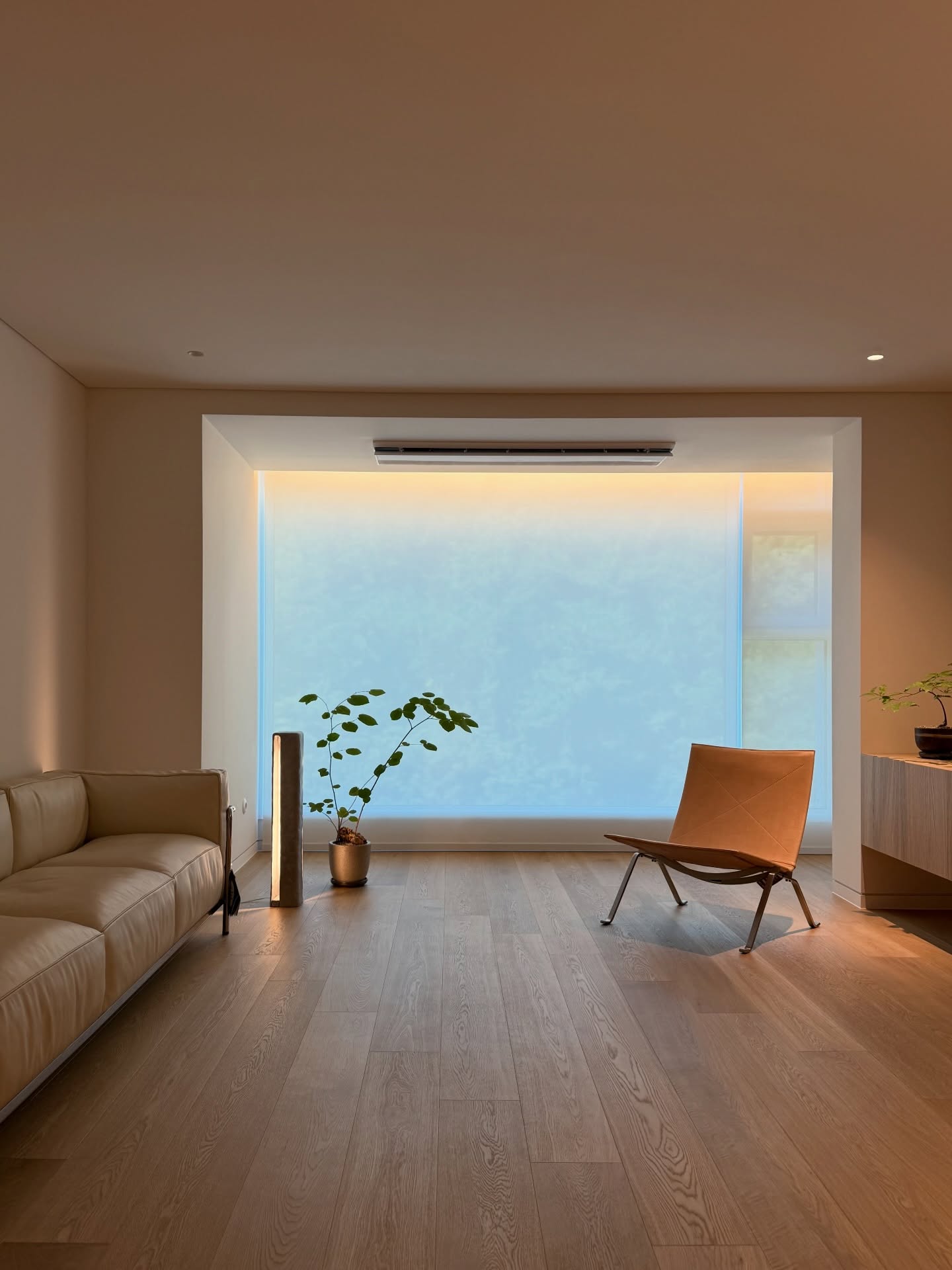
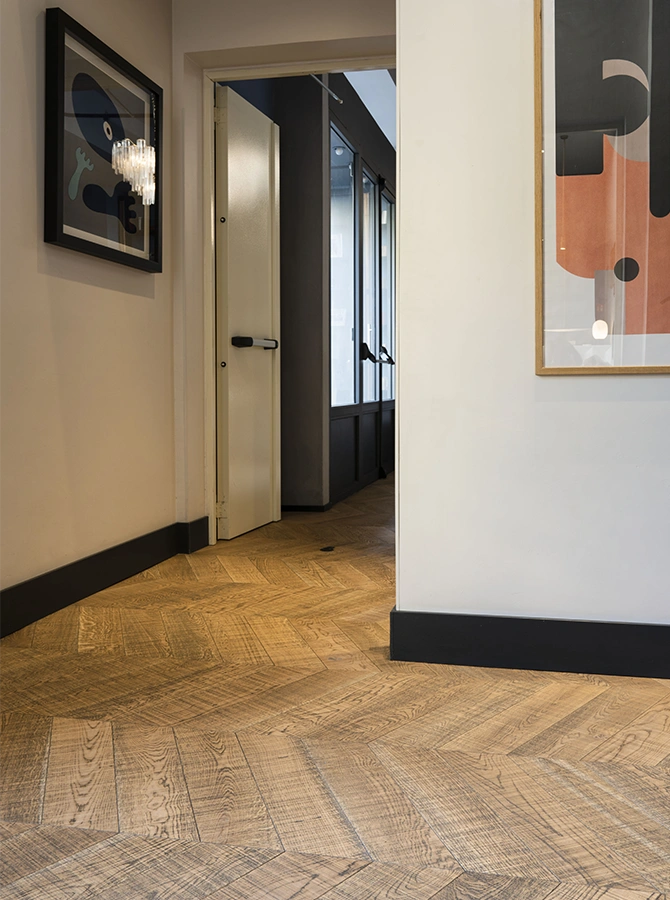
In many contemporary engineered wood flooring systems, natural wood veneer forms the surface layer, retaining the feel of real wood while the structure beneath contributes additional stability.

Understanding the material construction makes it easier to balance appearance, durability and long-term performance.

Explore NOËL Flooring Structure

Warranty Policy

View warranty terms

Engineered Structure

Explore the engineered wood layers

Laying Systems

Explore flooring patterns
Zalo Call
SAMPLE BOX

Exclusive Sample Collection

Request our wood flooring sample set.

Select wood type / tone
Oak - Light / Natural Tone
Walnut - Deep Tone
Ash - Natural
Teak - Natural
Herringbone / Chevron
Straight Lay