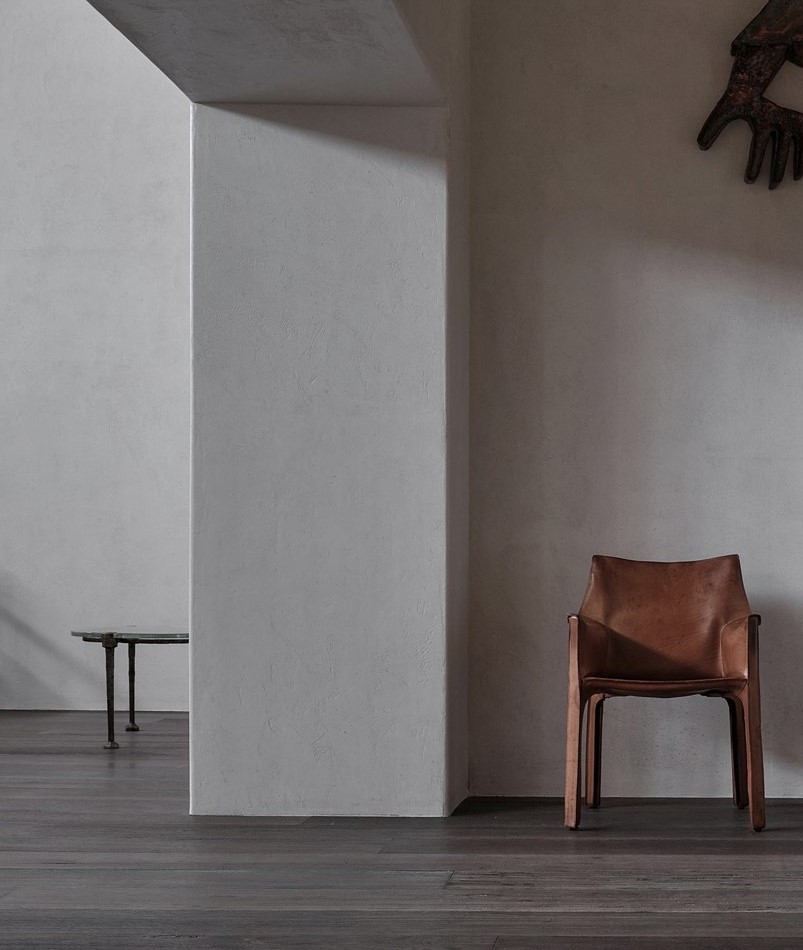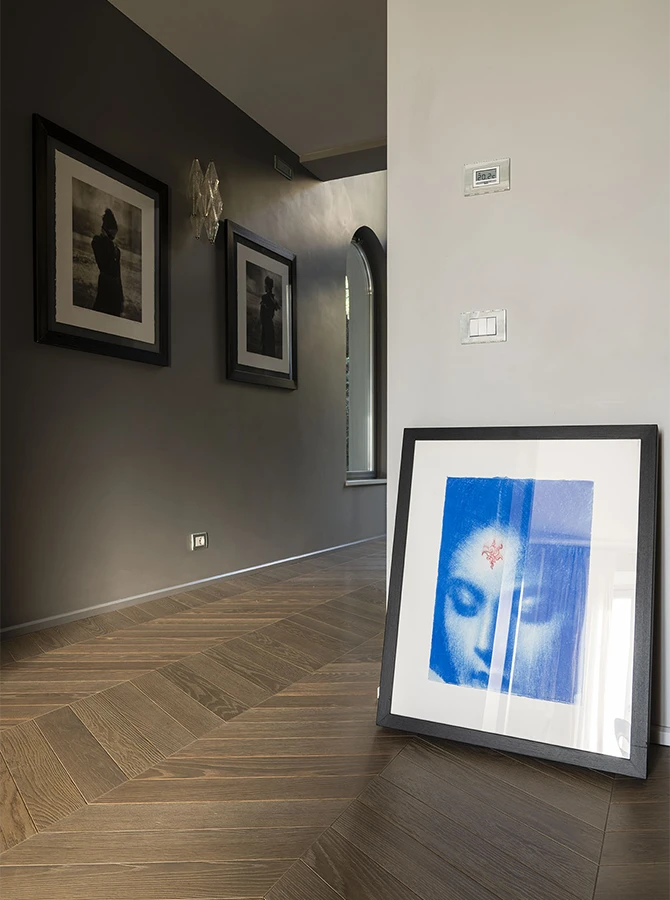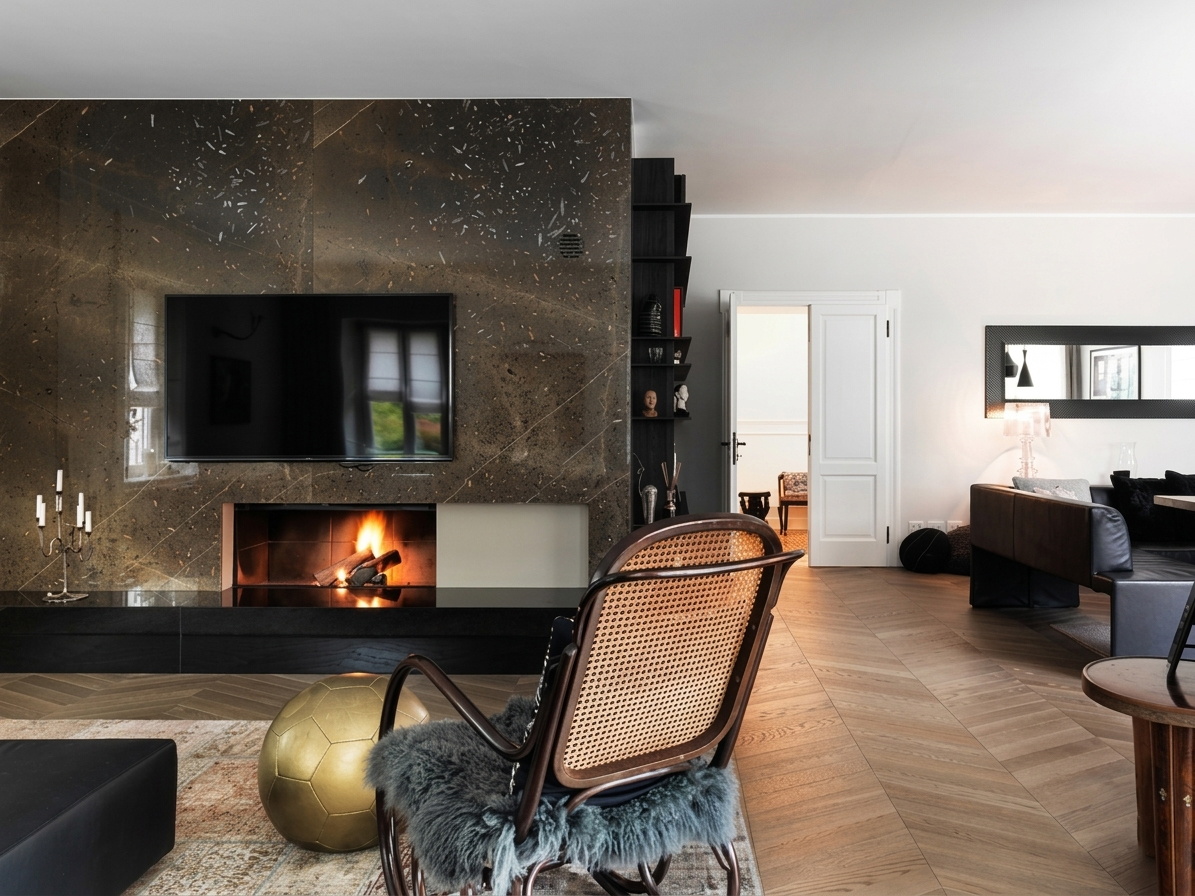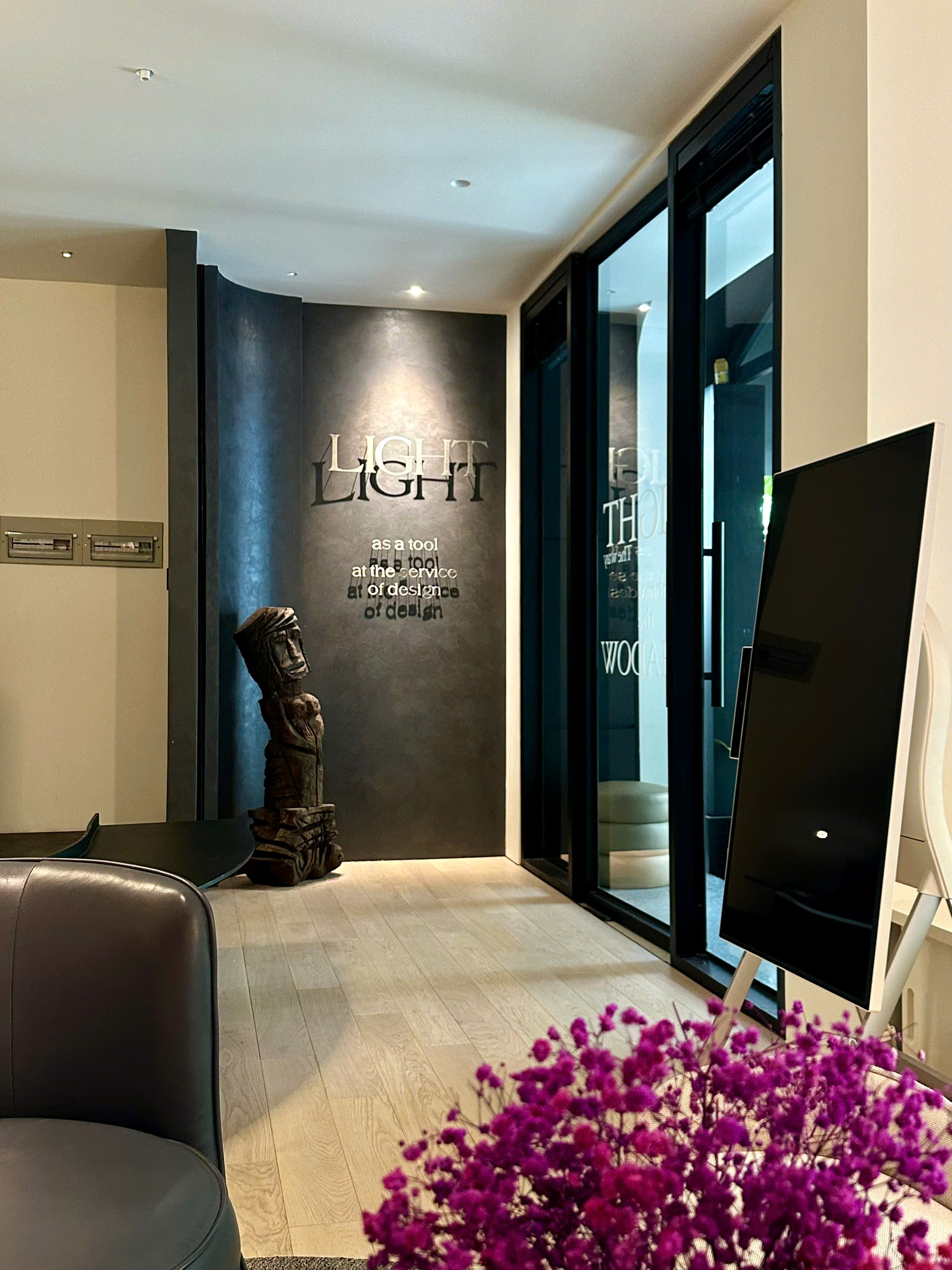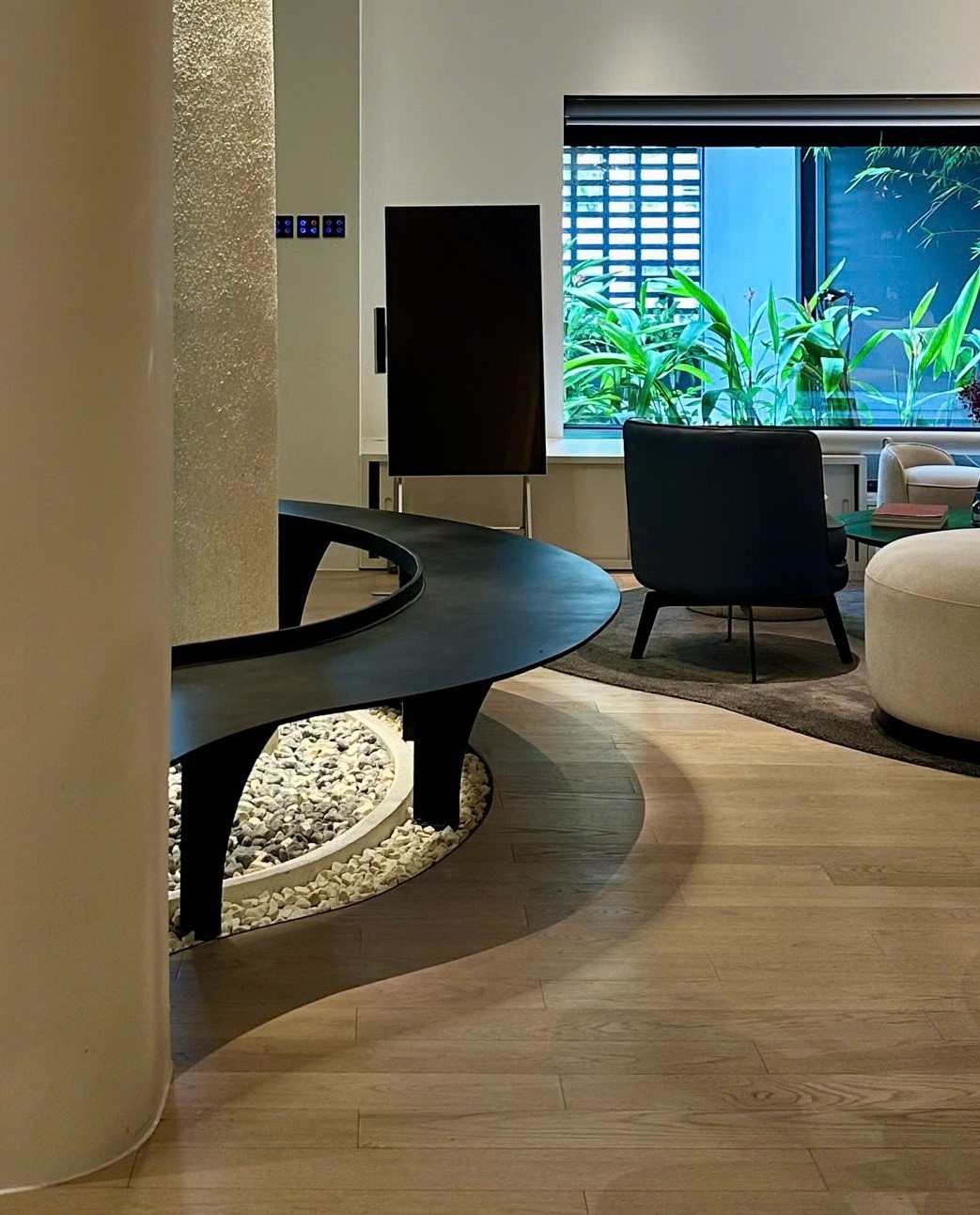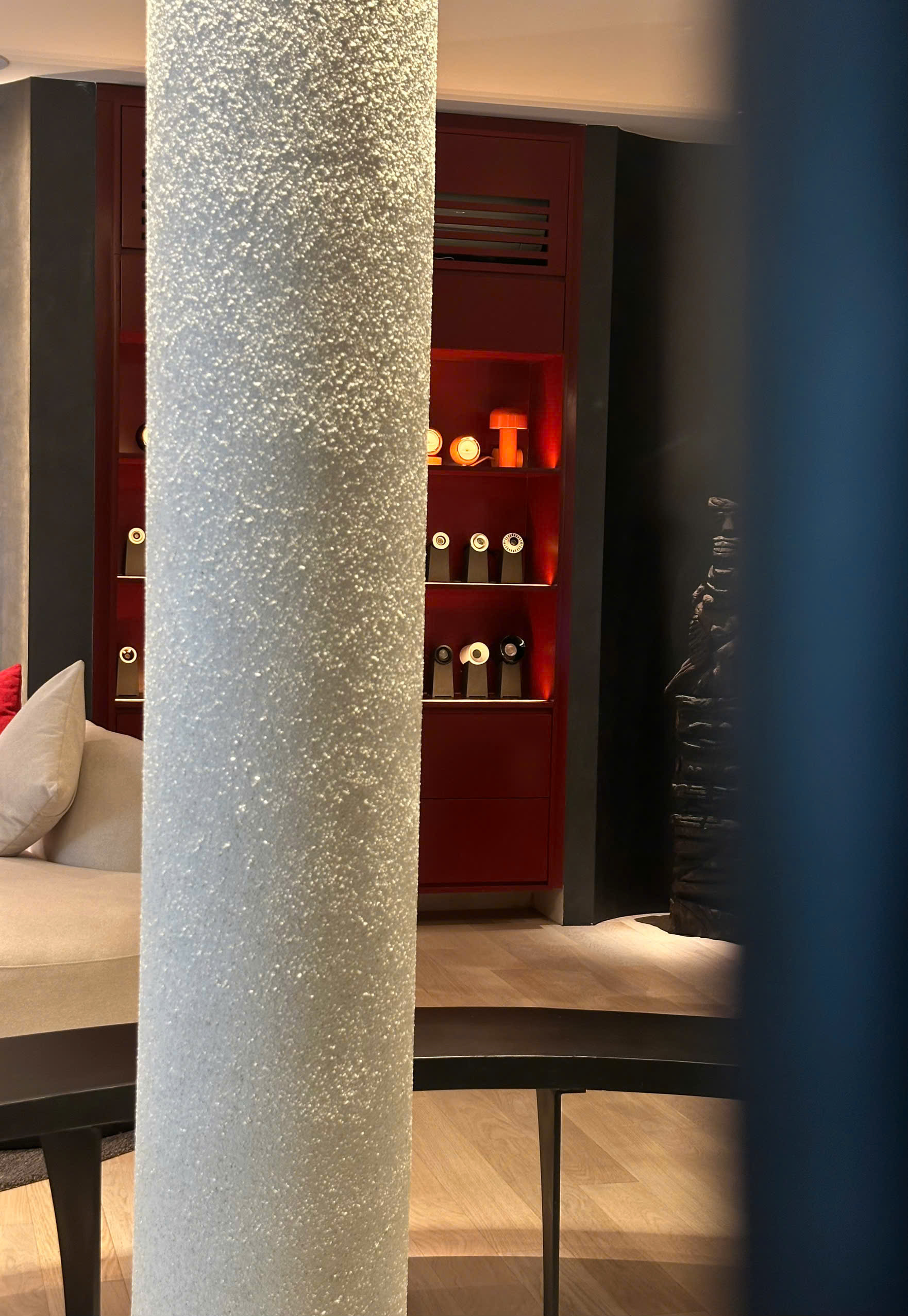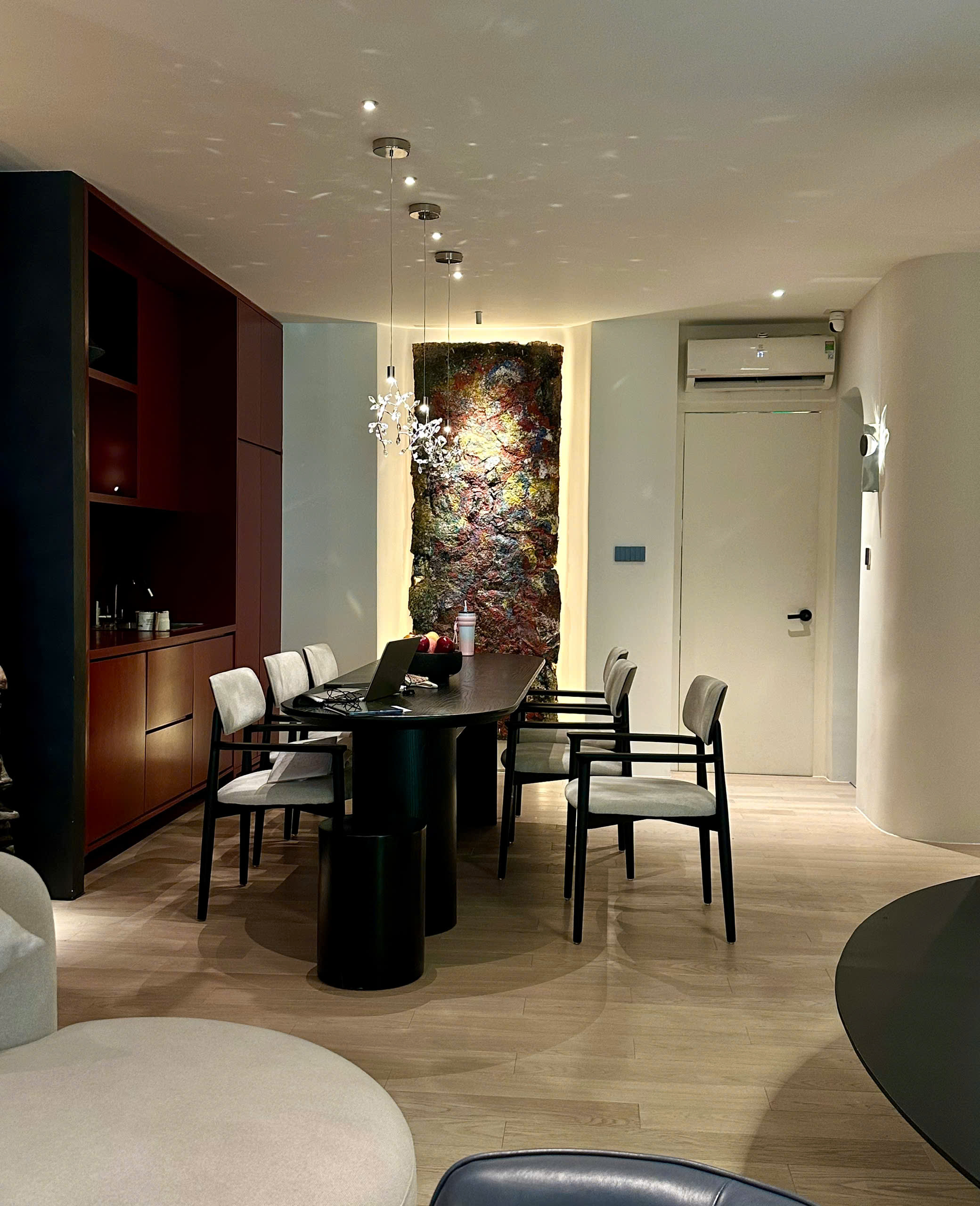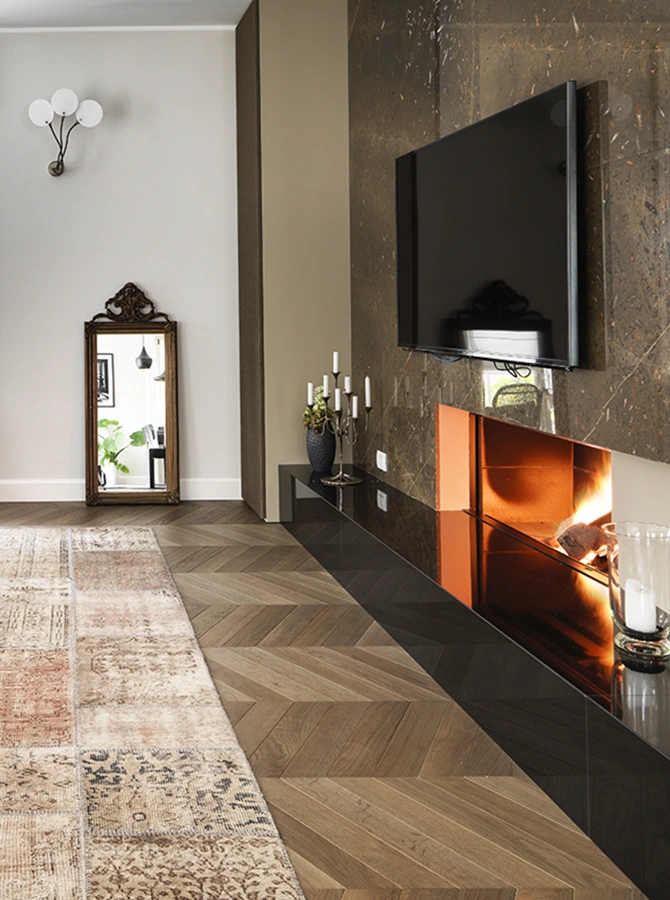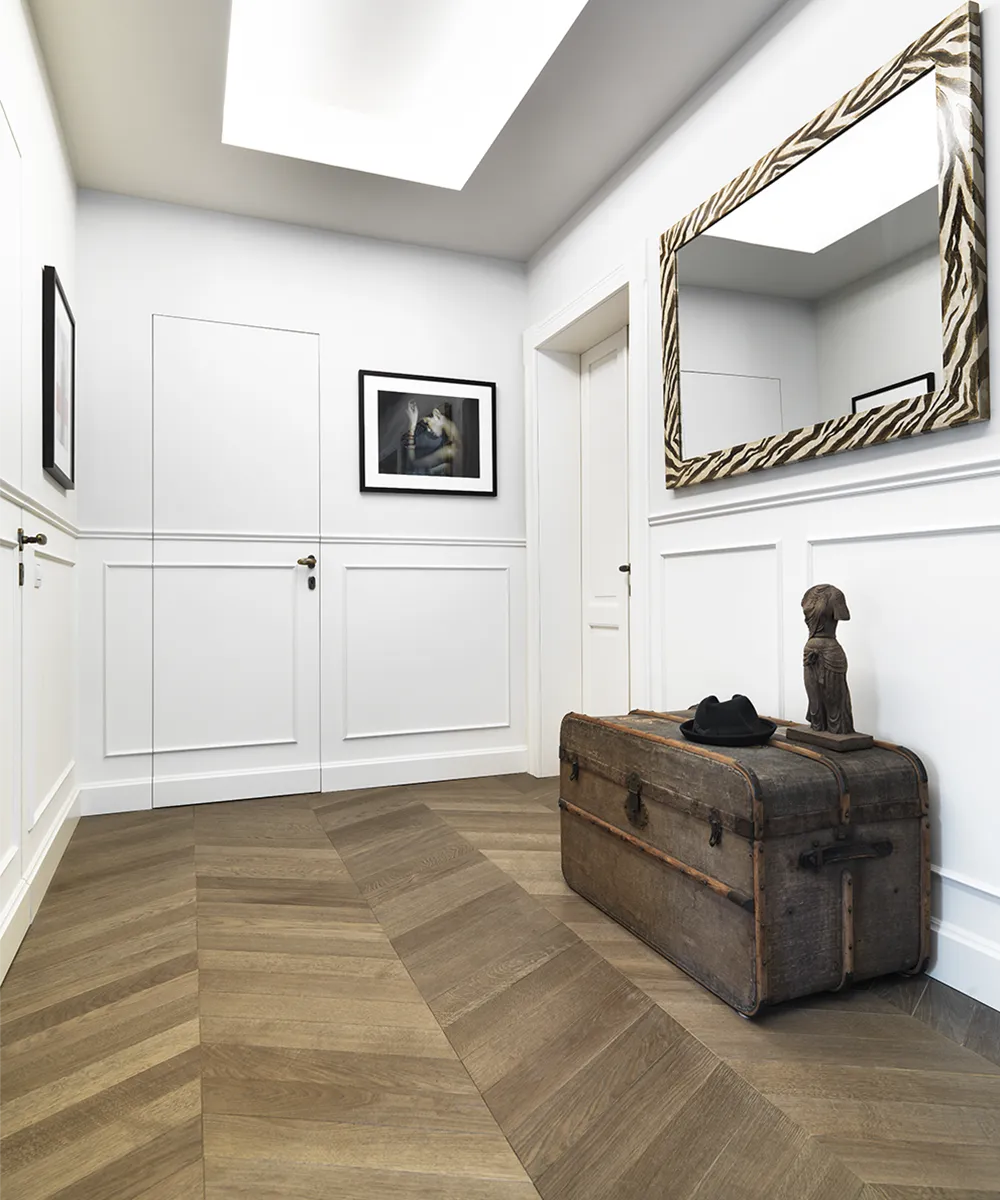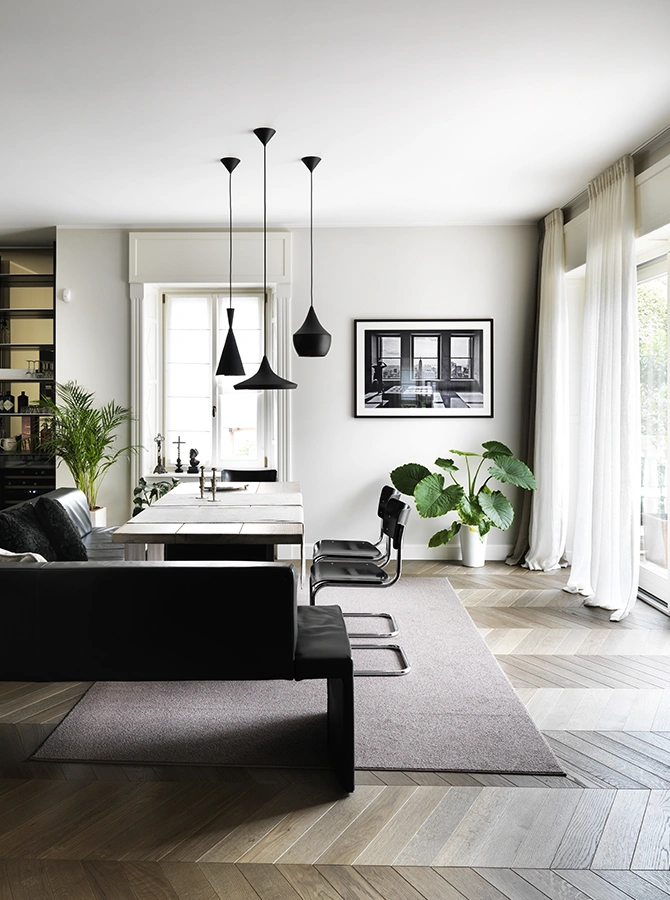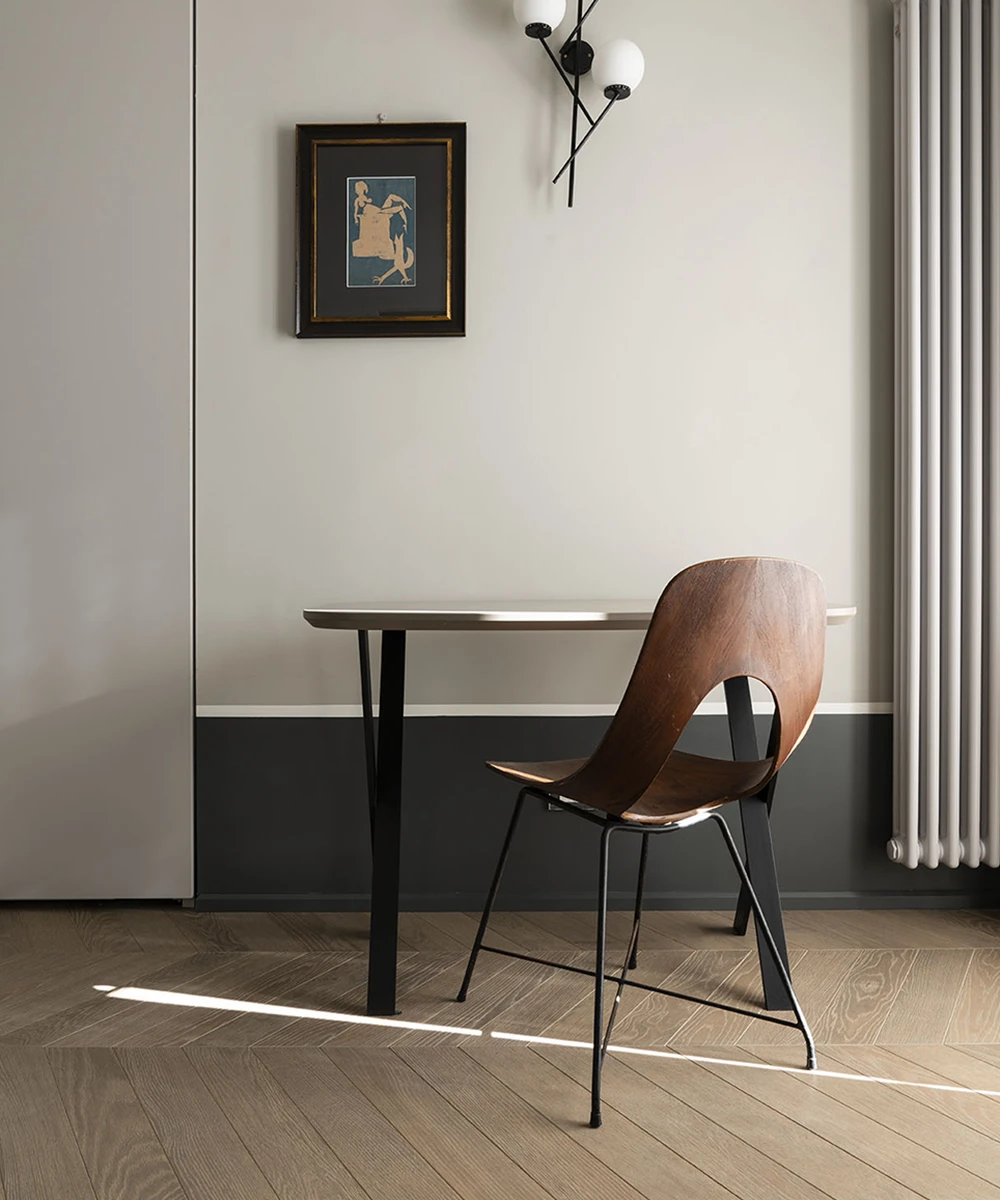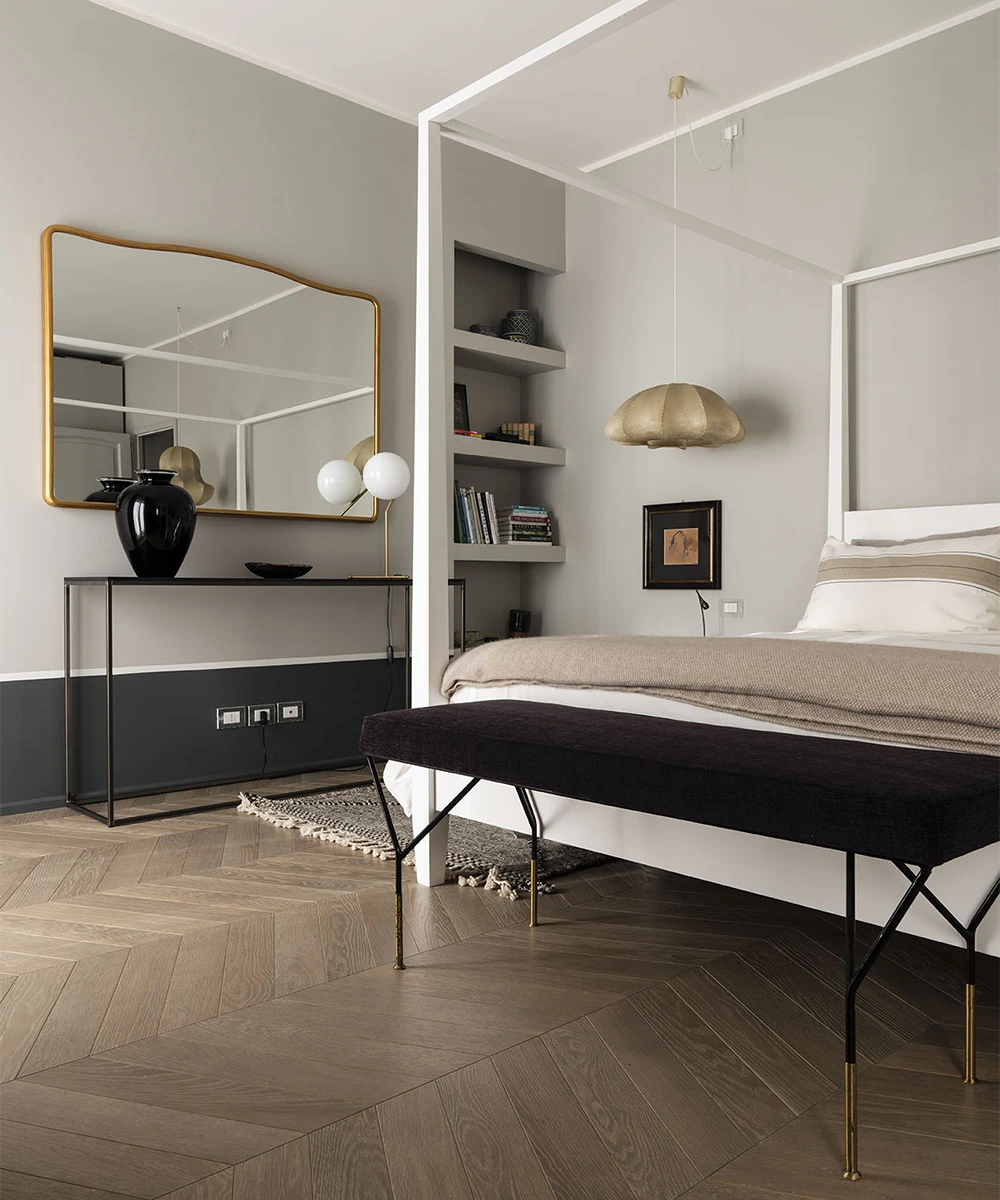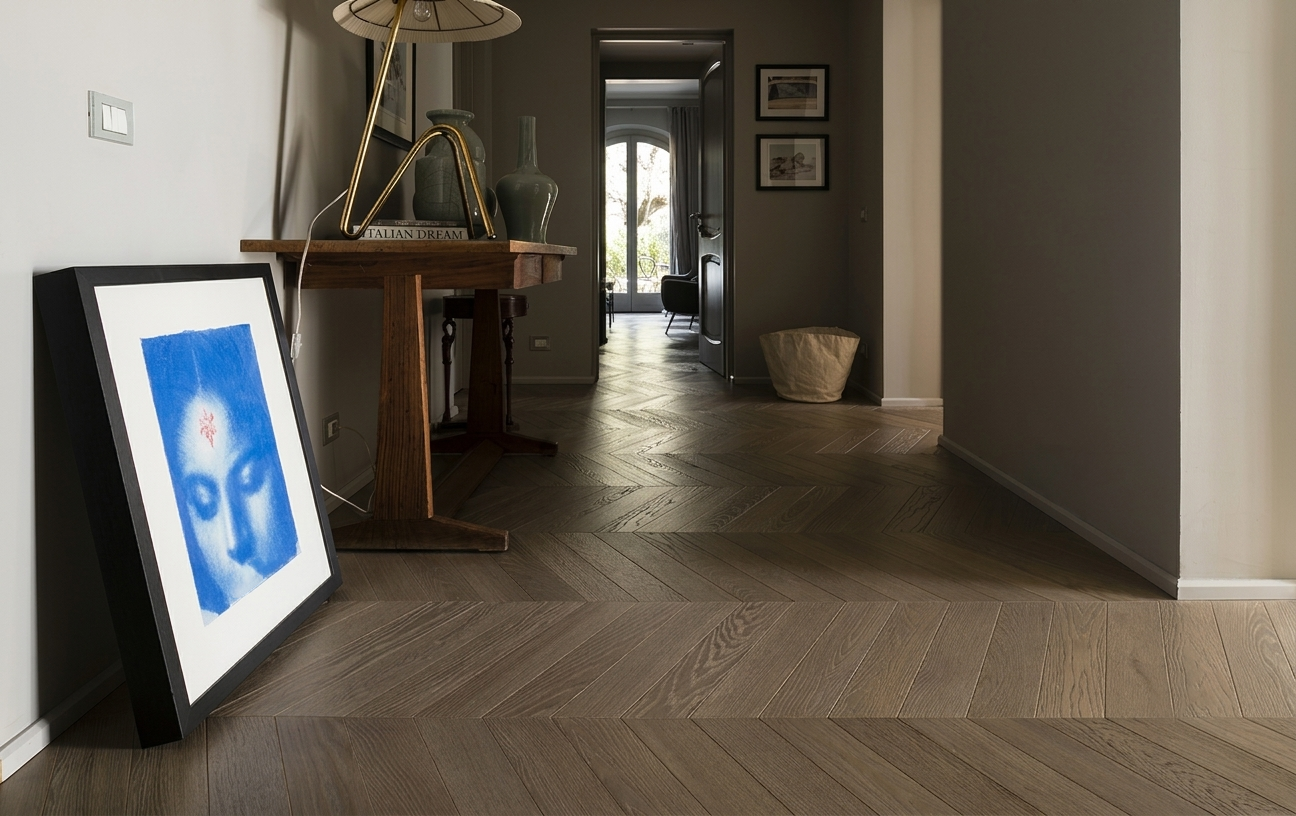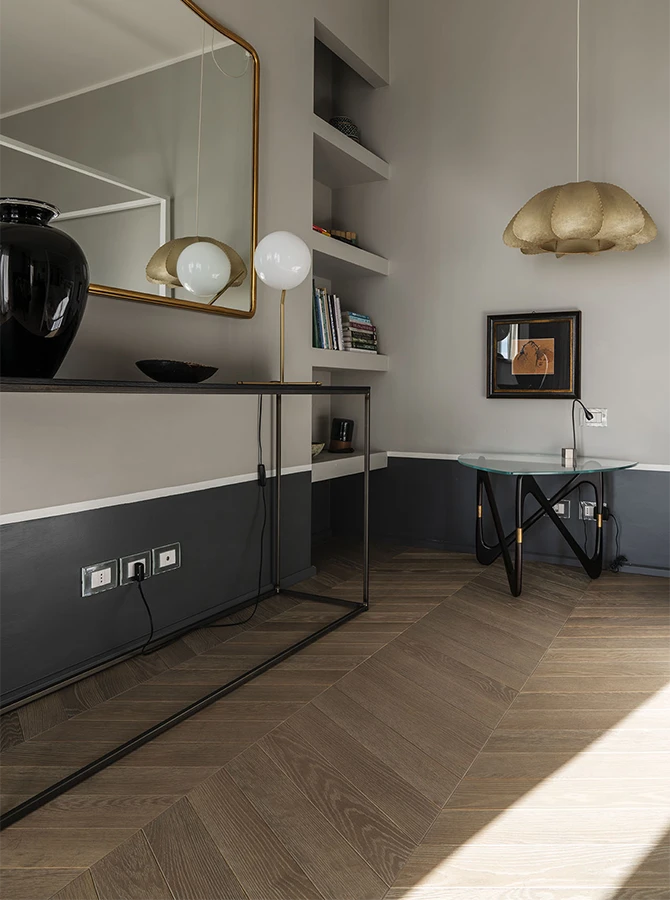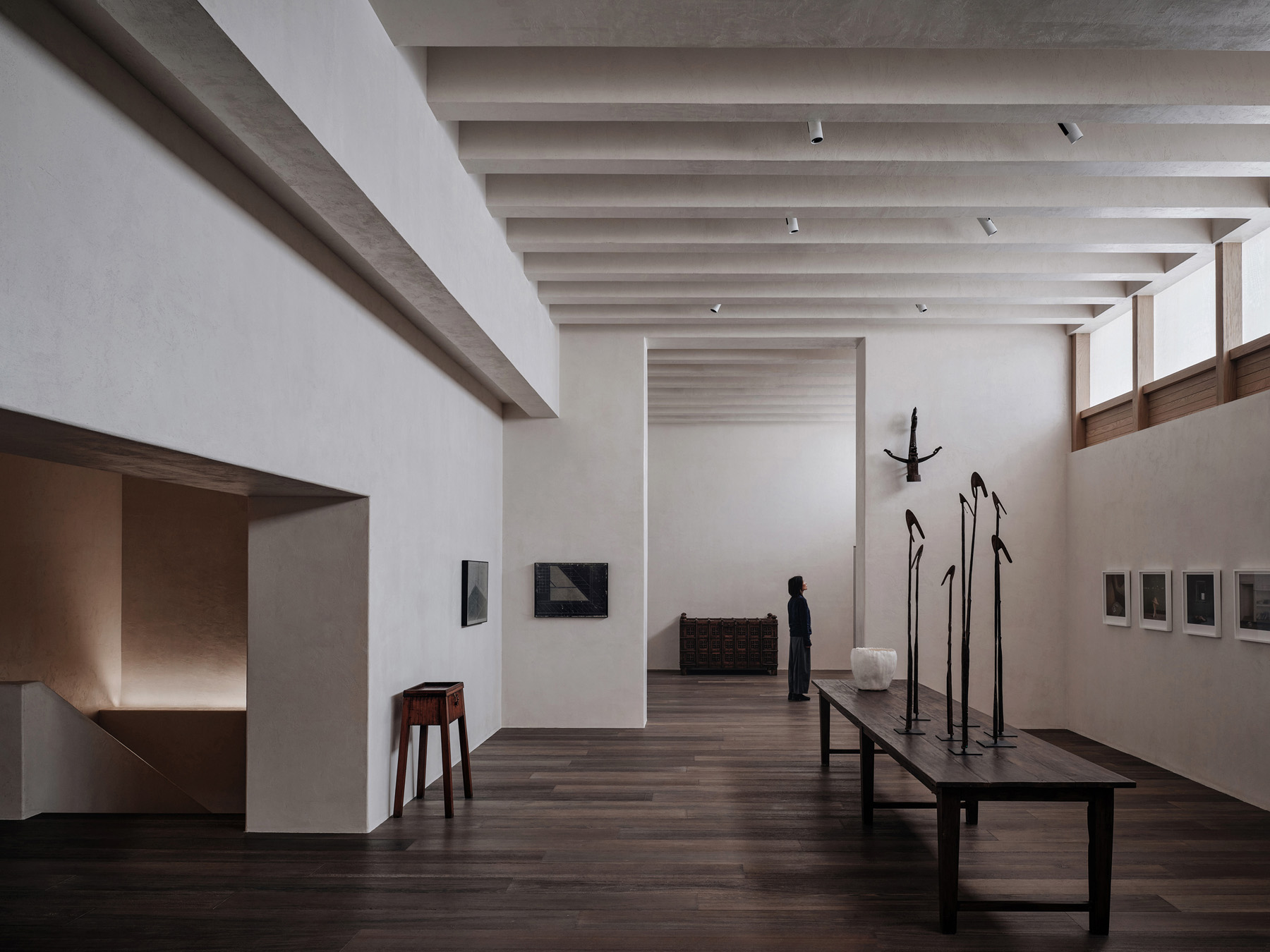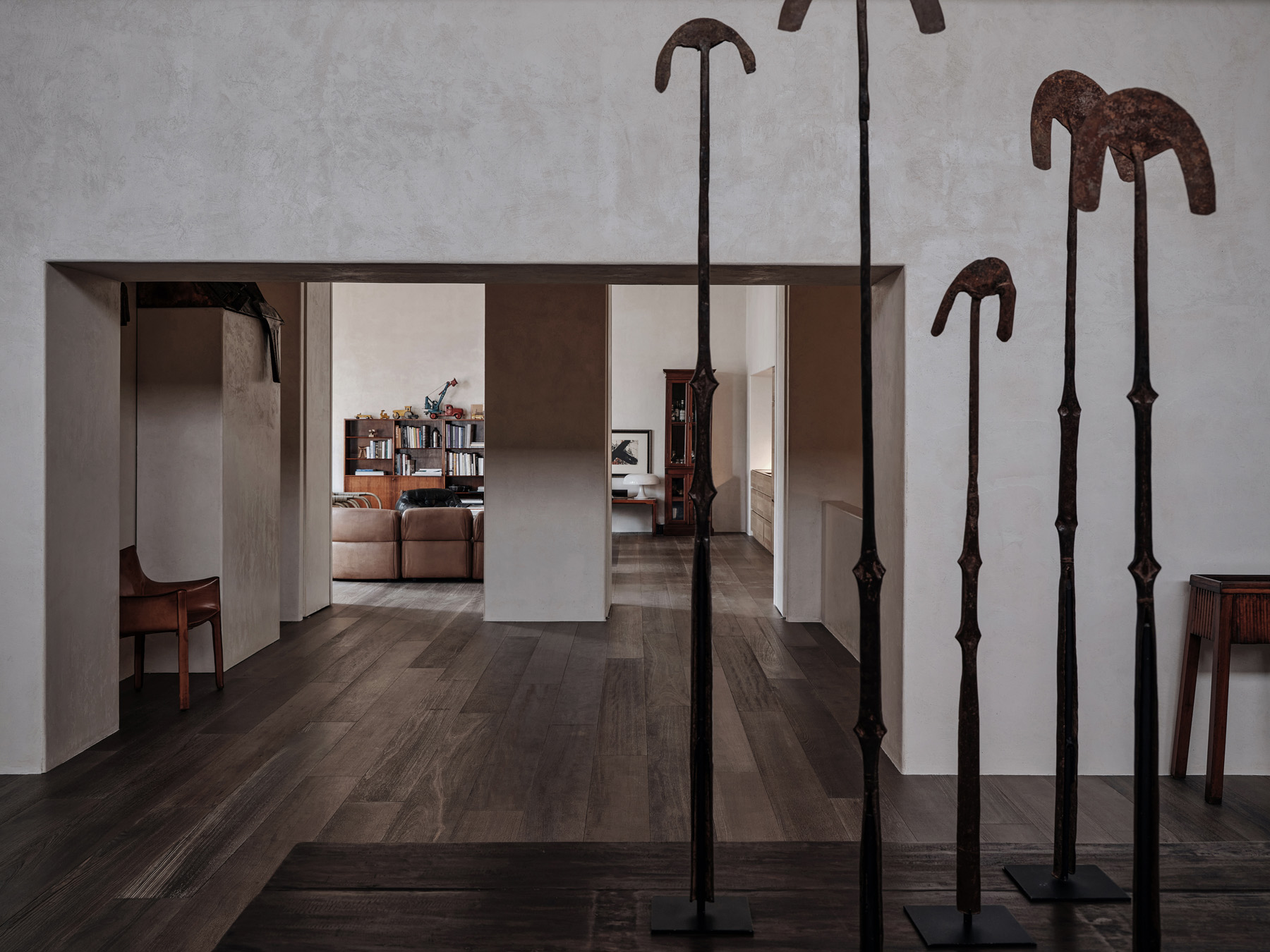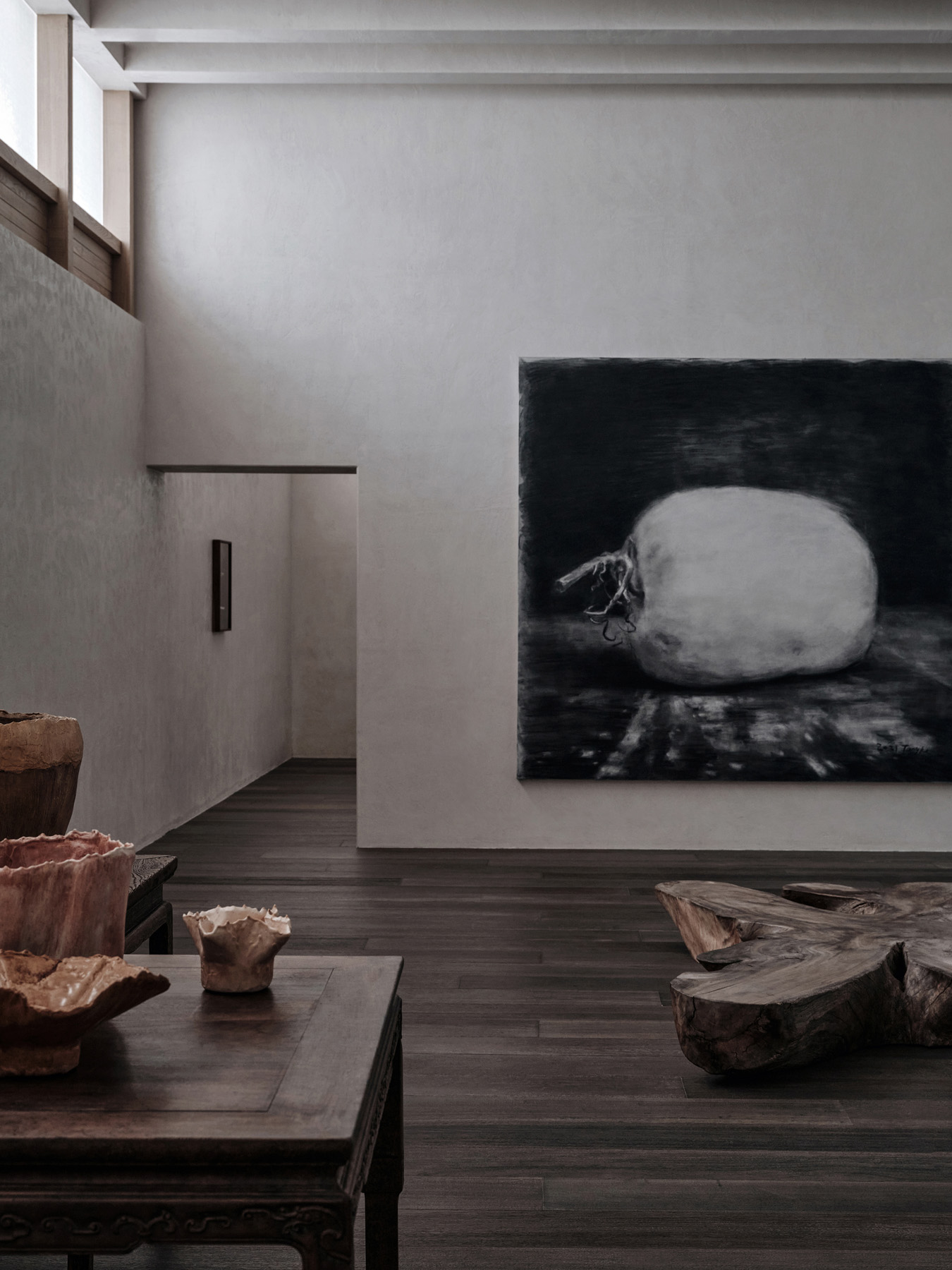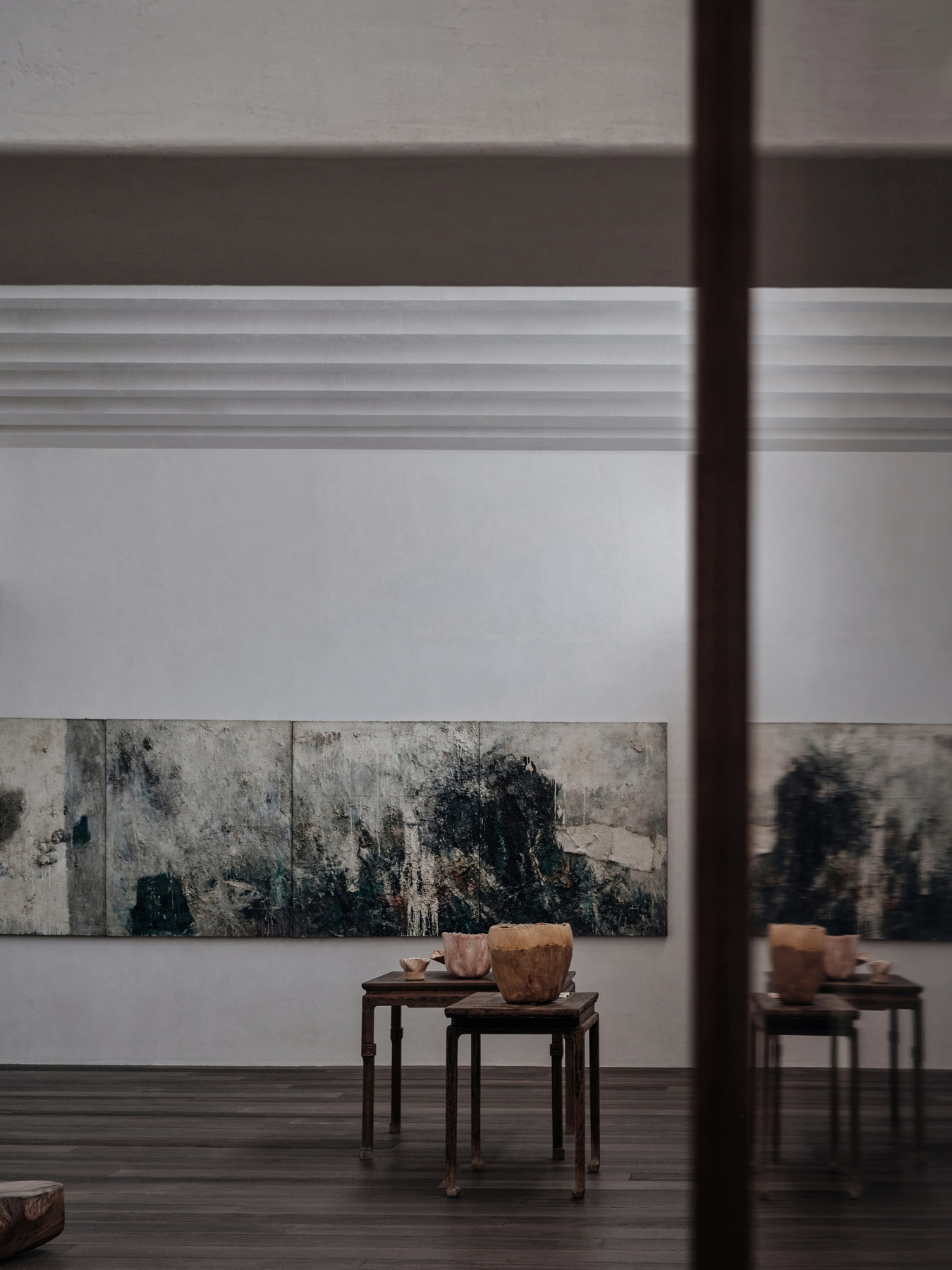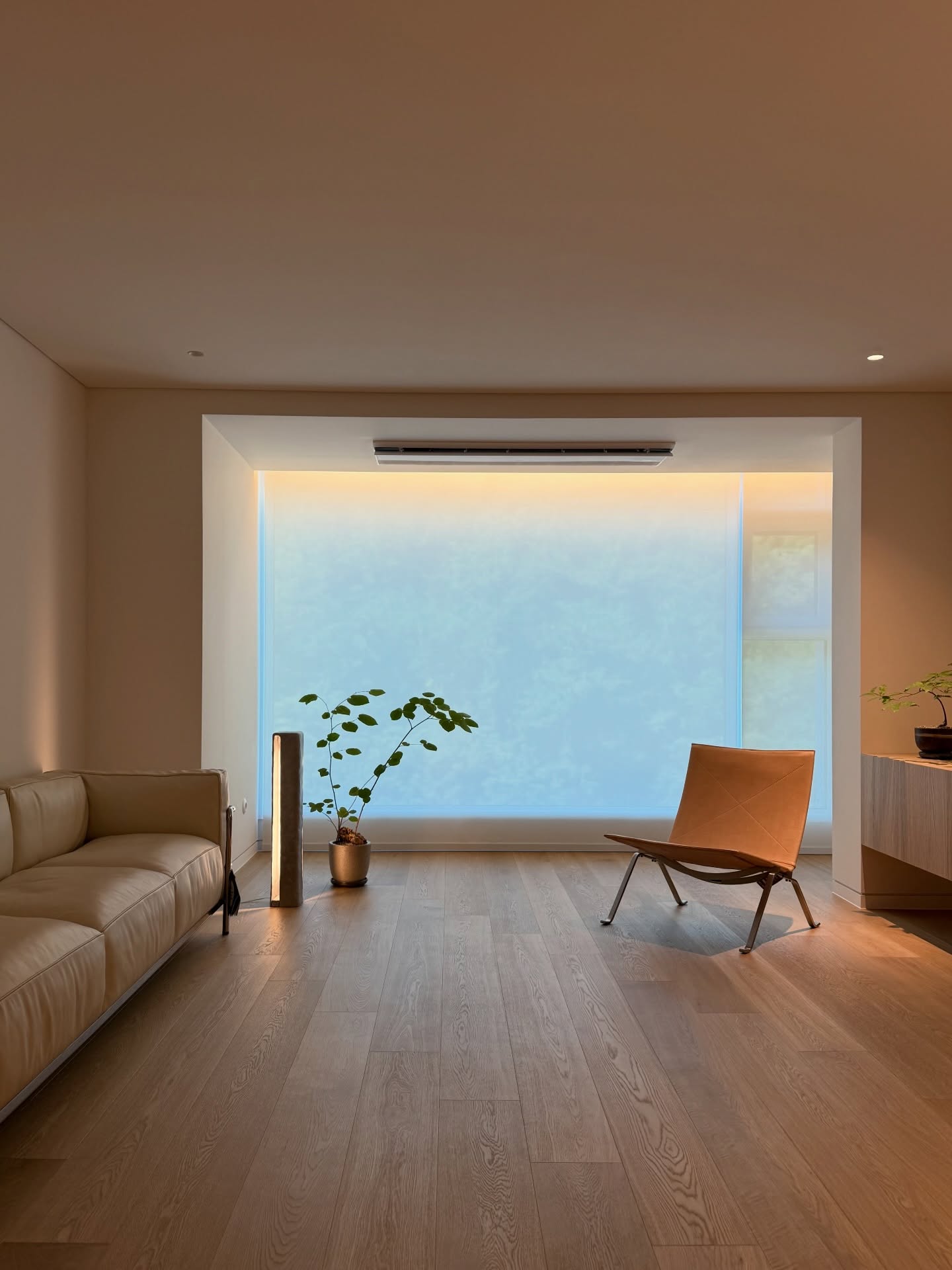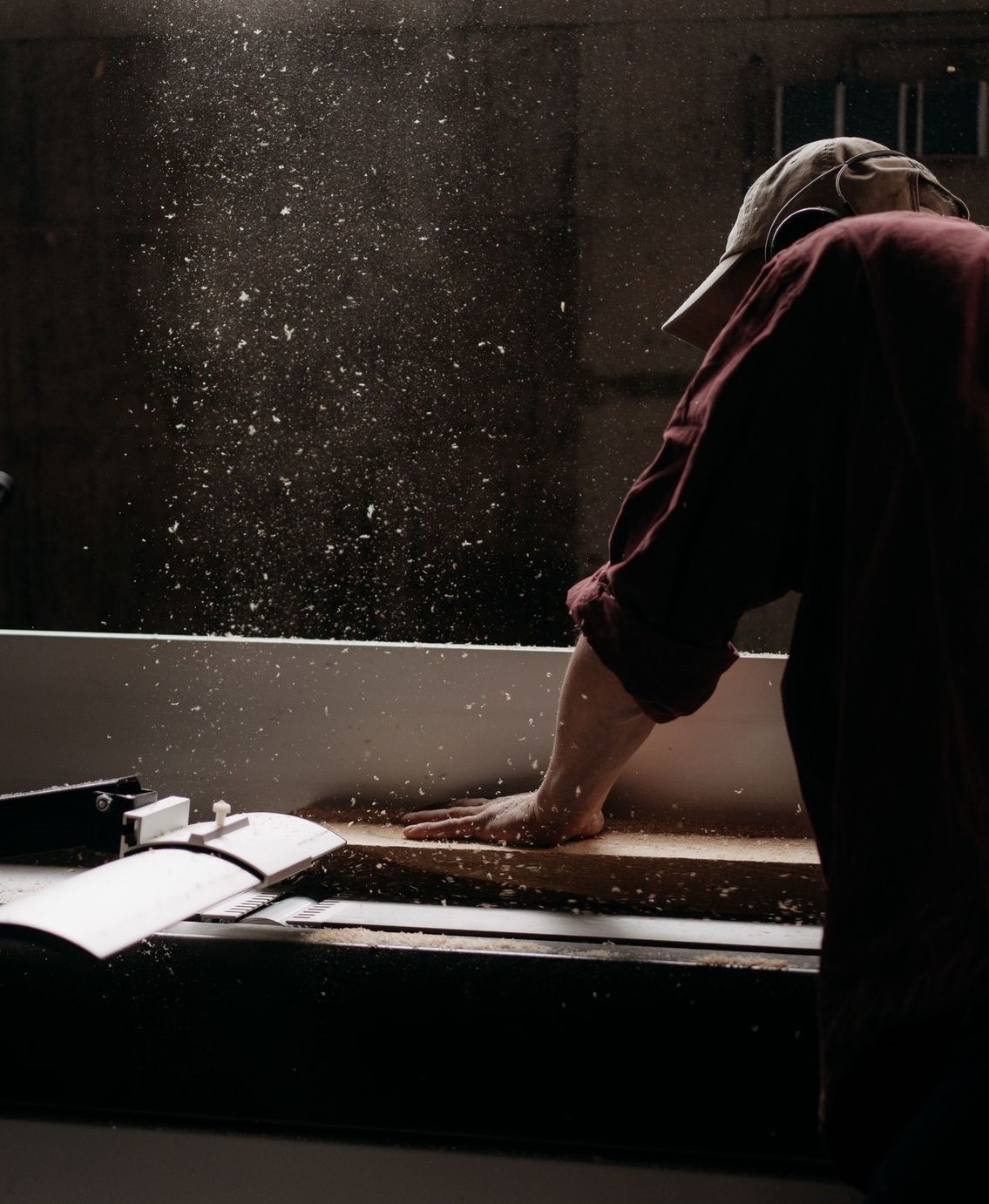
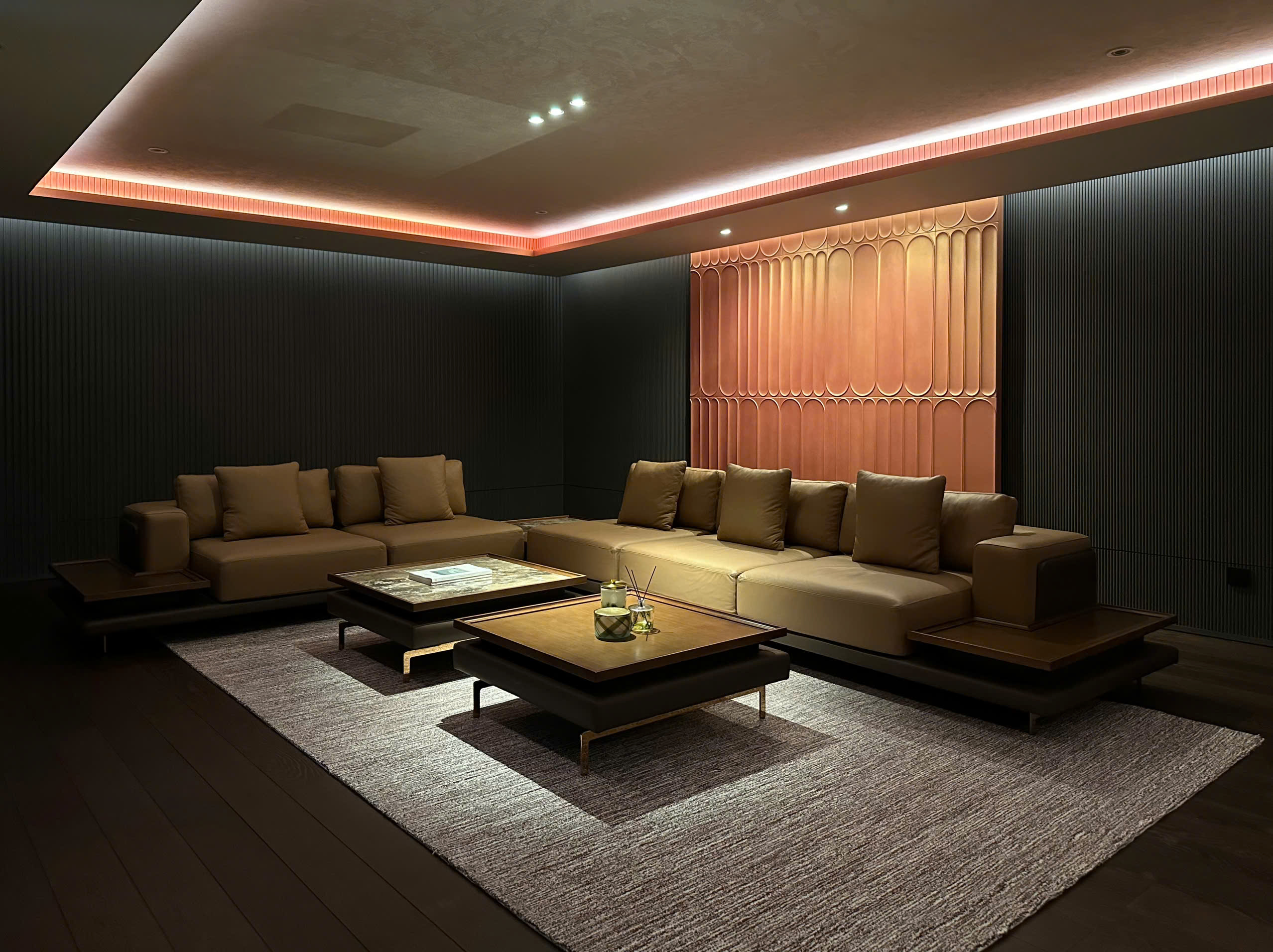
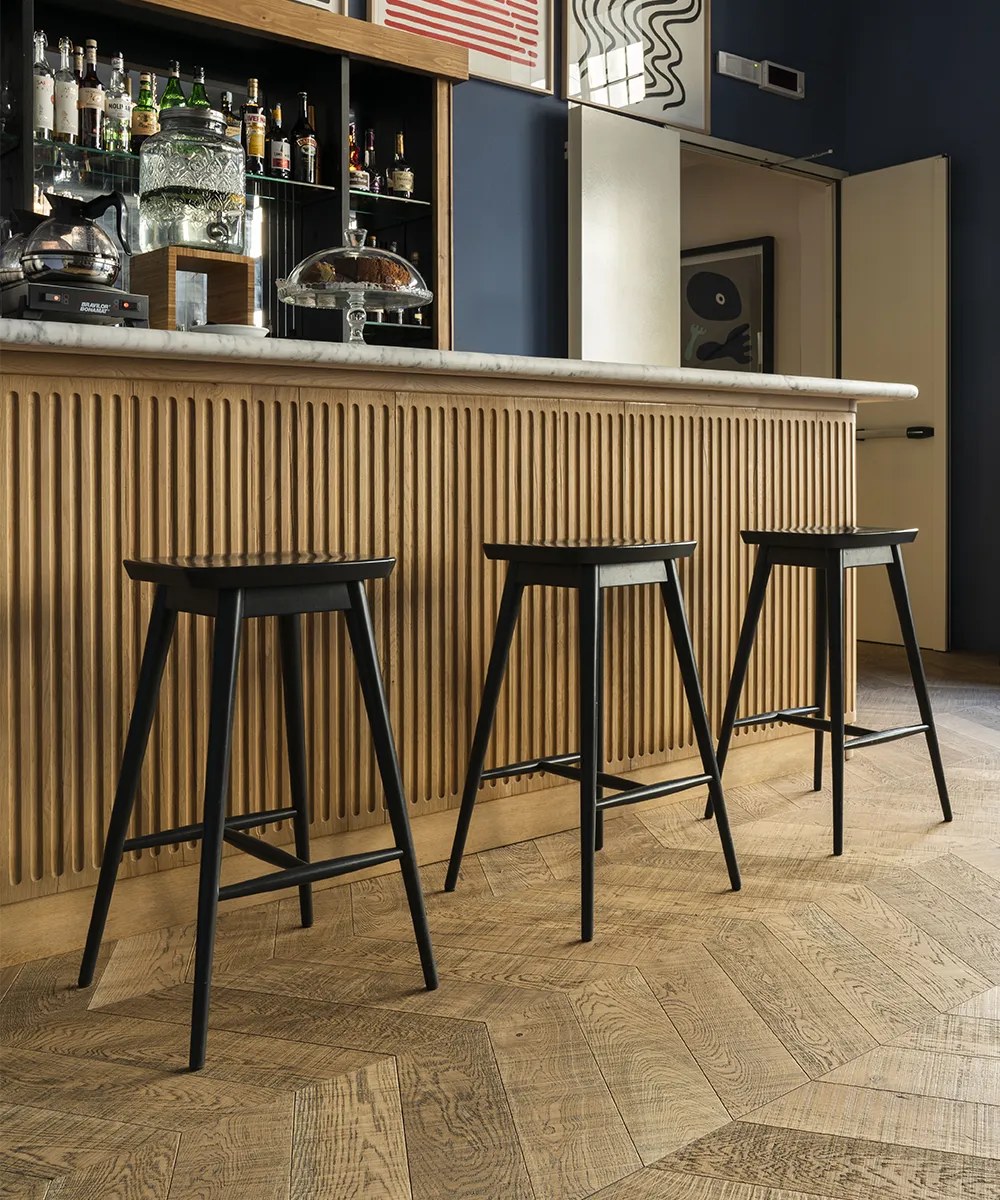
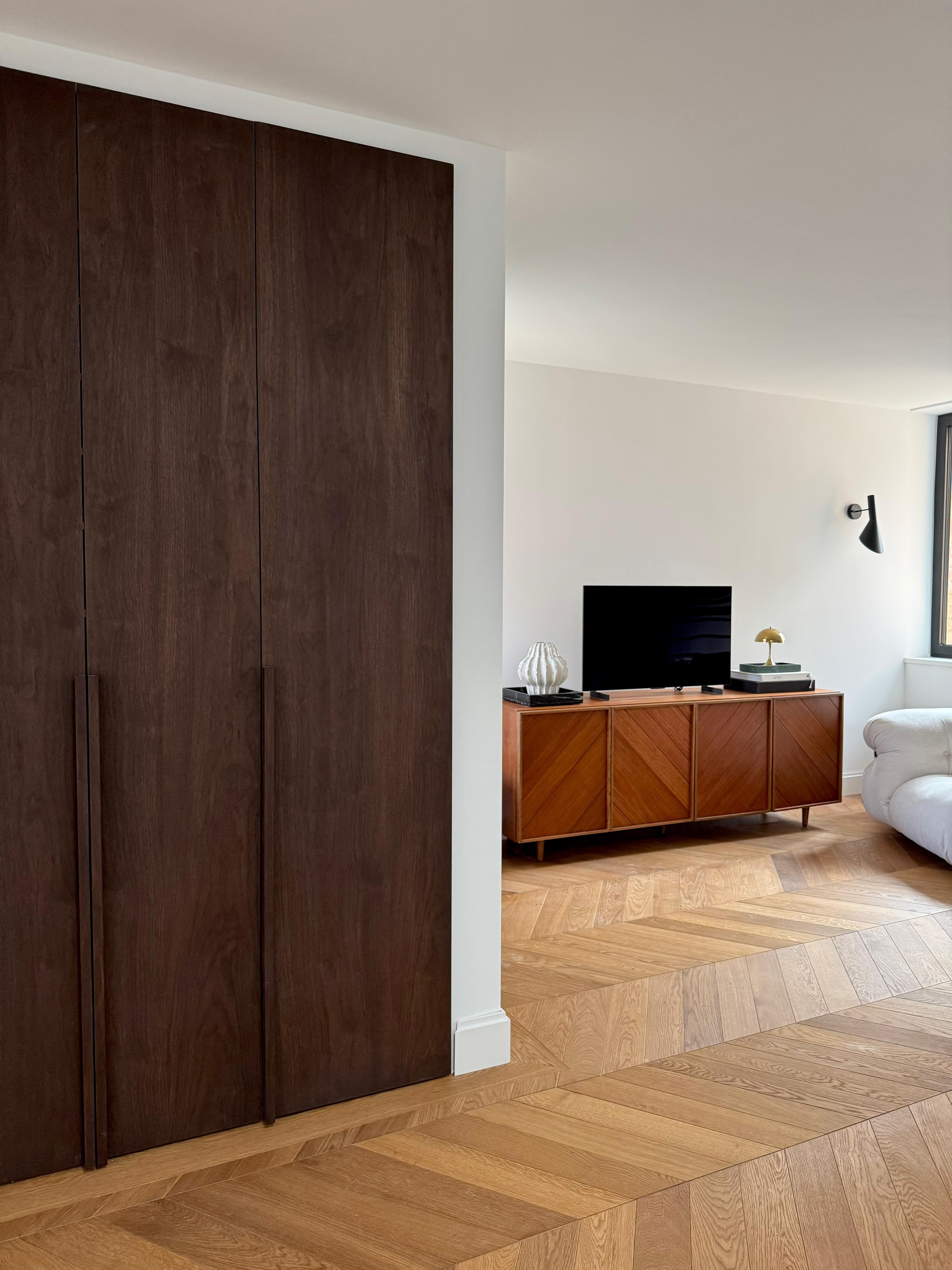




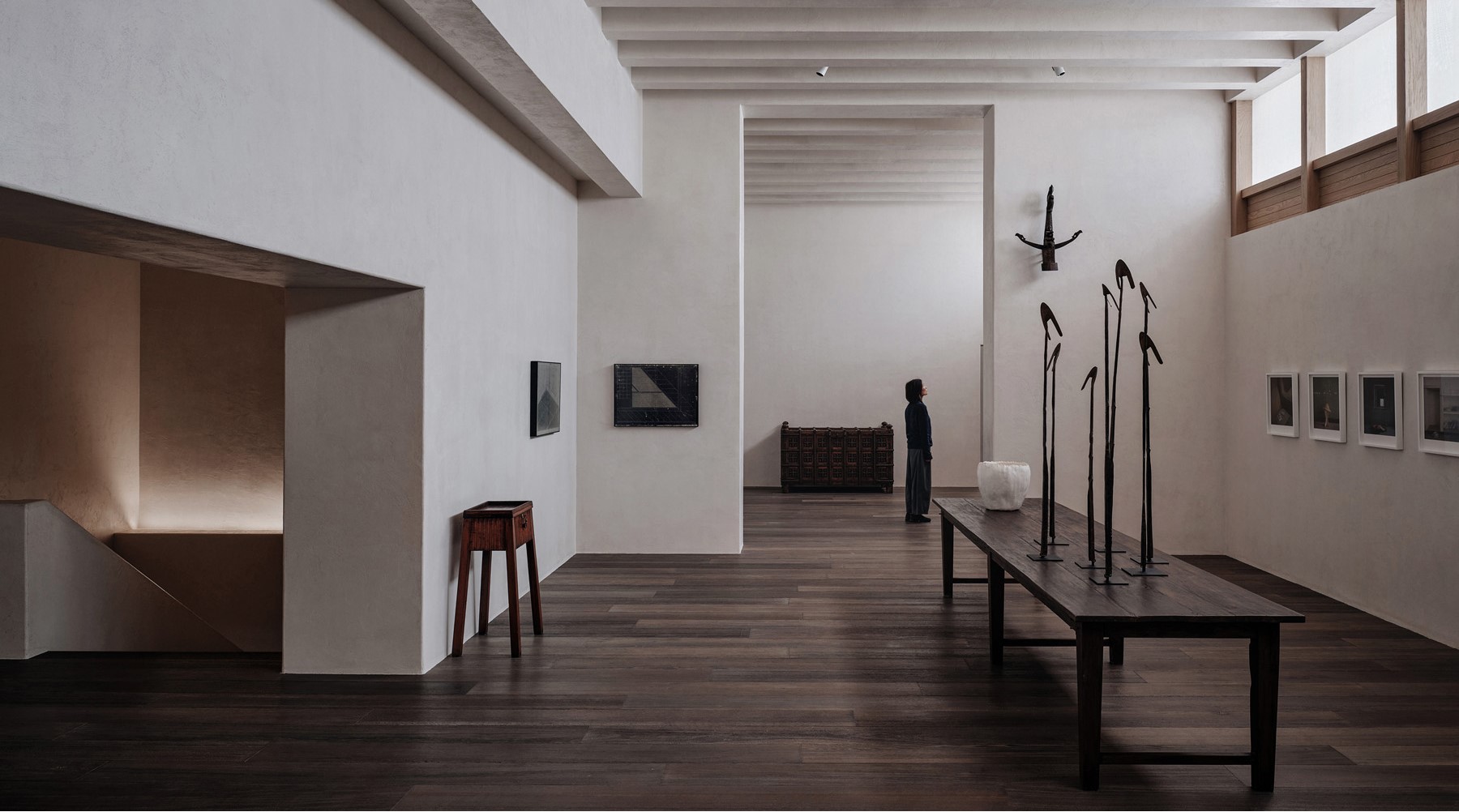
We often remember a building through what is most immediately visible: a shaft of light falling through the interior, a curve in the architecture, or the sense of refinement on entering a main lobby. Less attention is given to the surface beneath each step — a quiet foundation that connects those experiences into a coherent whole.
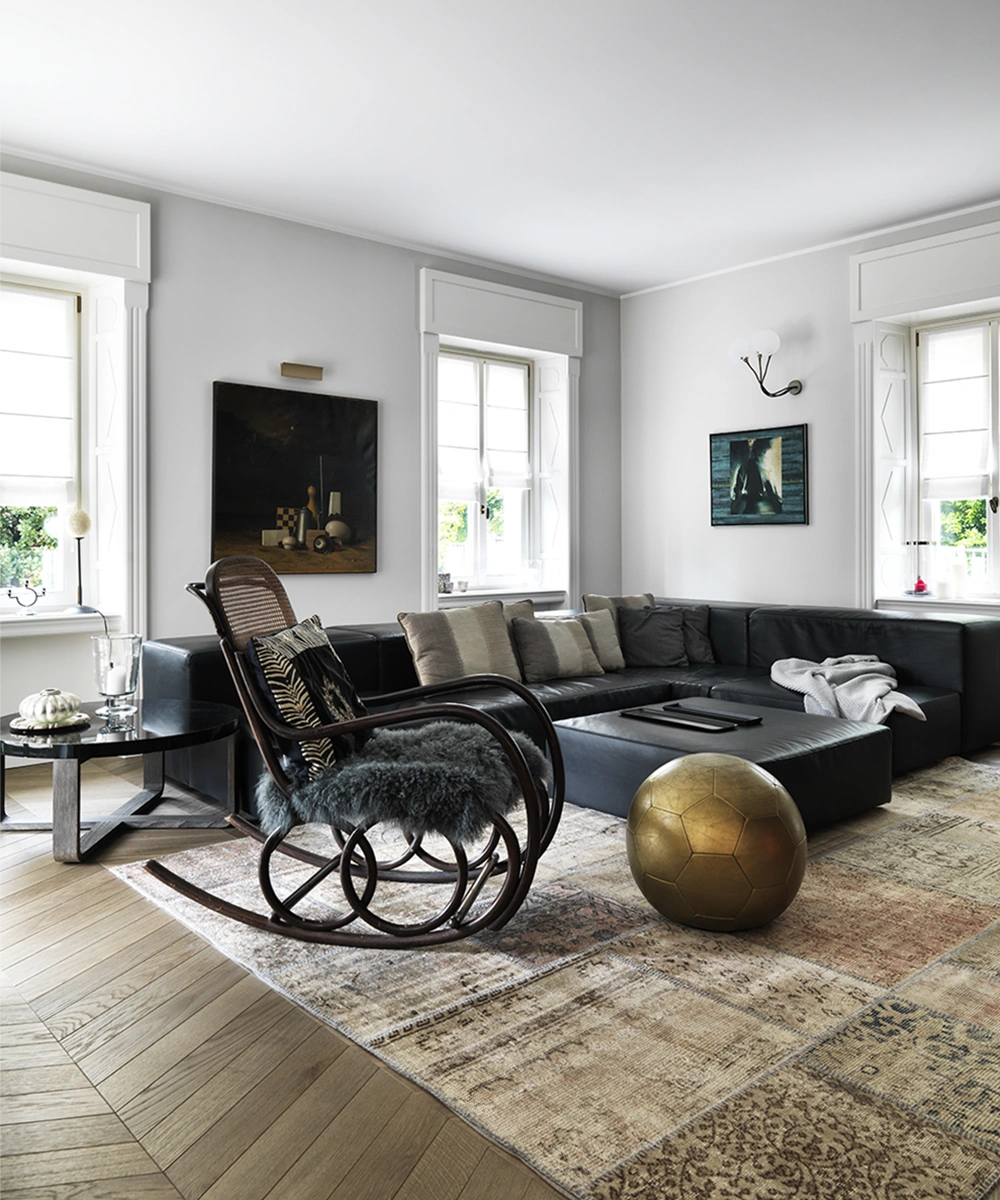
Across projects ranging from showrooms and penthouses to hotels and museums, NOËL Parquet has found that every space carries a distinct identity. There is no single formula for every project, and no material that suits every context. The difference lies in choosing materials to serve the architecture rather than compete to become its focal point.
Where Does a Space Begin?
Some begin with the first drawing. Others begin with light, proportion, or the way walls define volume. Each approach has its own logic. Yet as a project moves toward completion, the question shifts from "What will this space look like?"to "How will this space feel?".
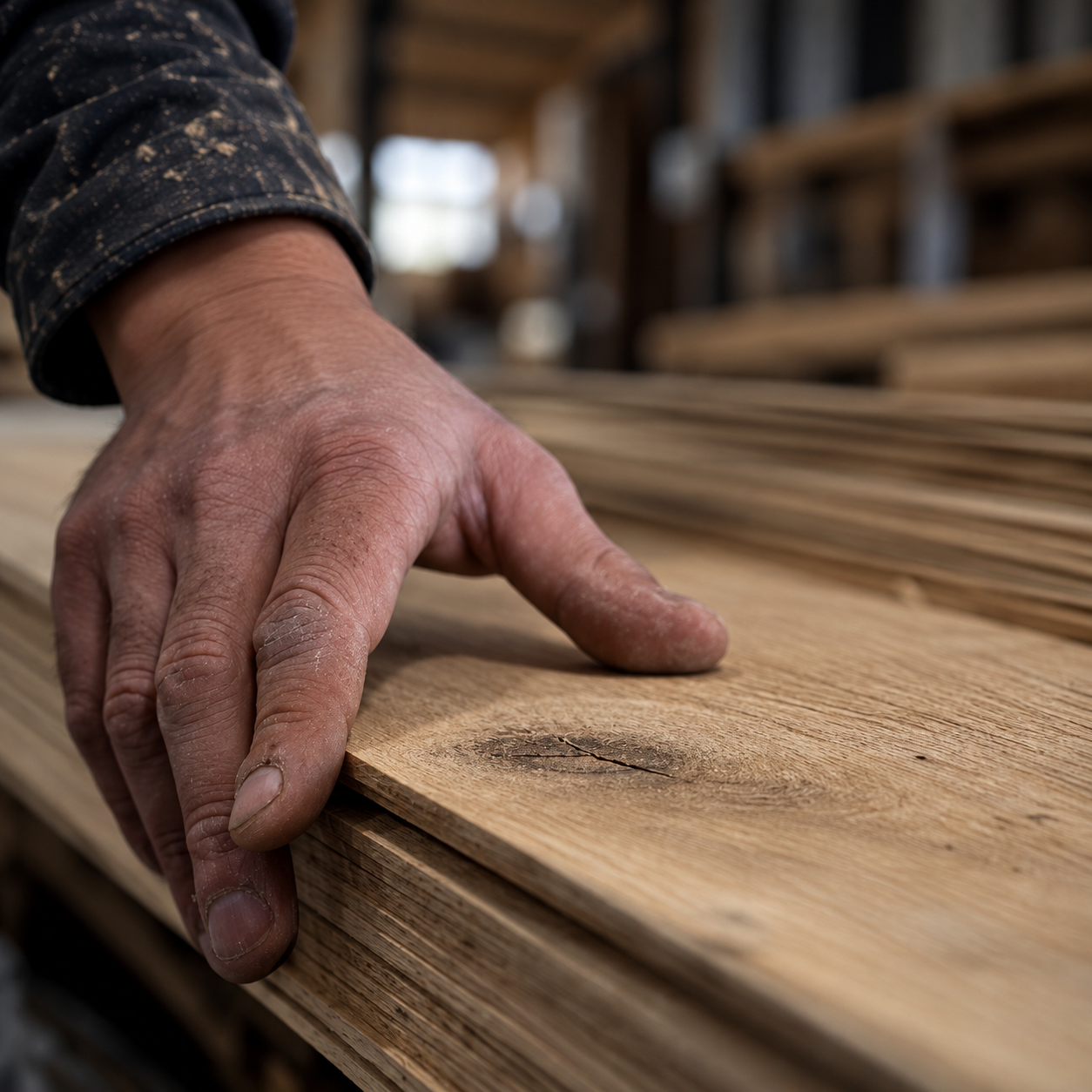
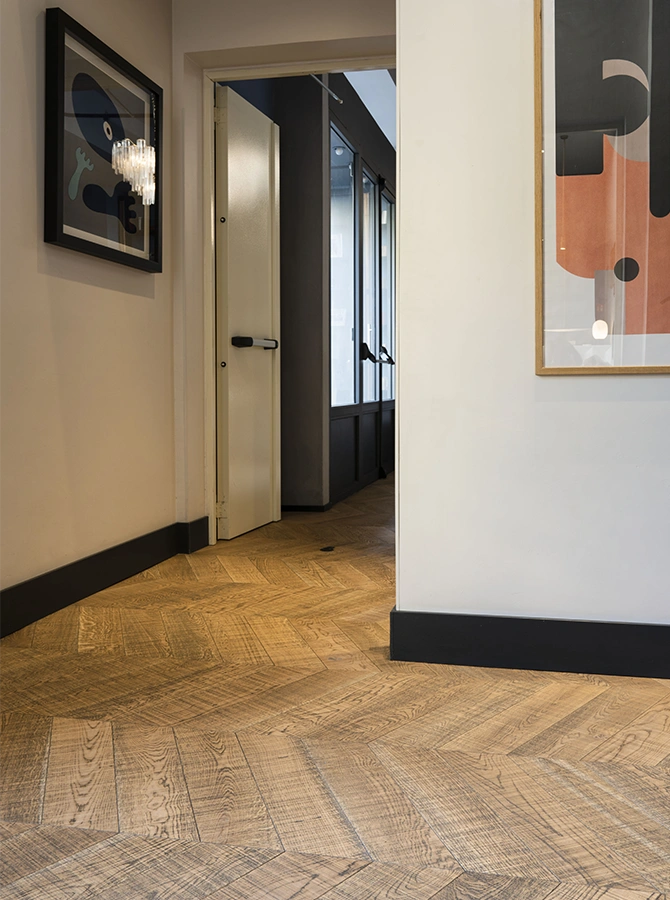
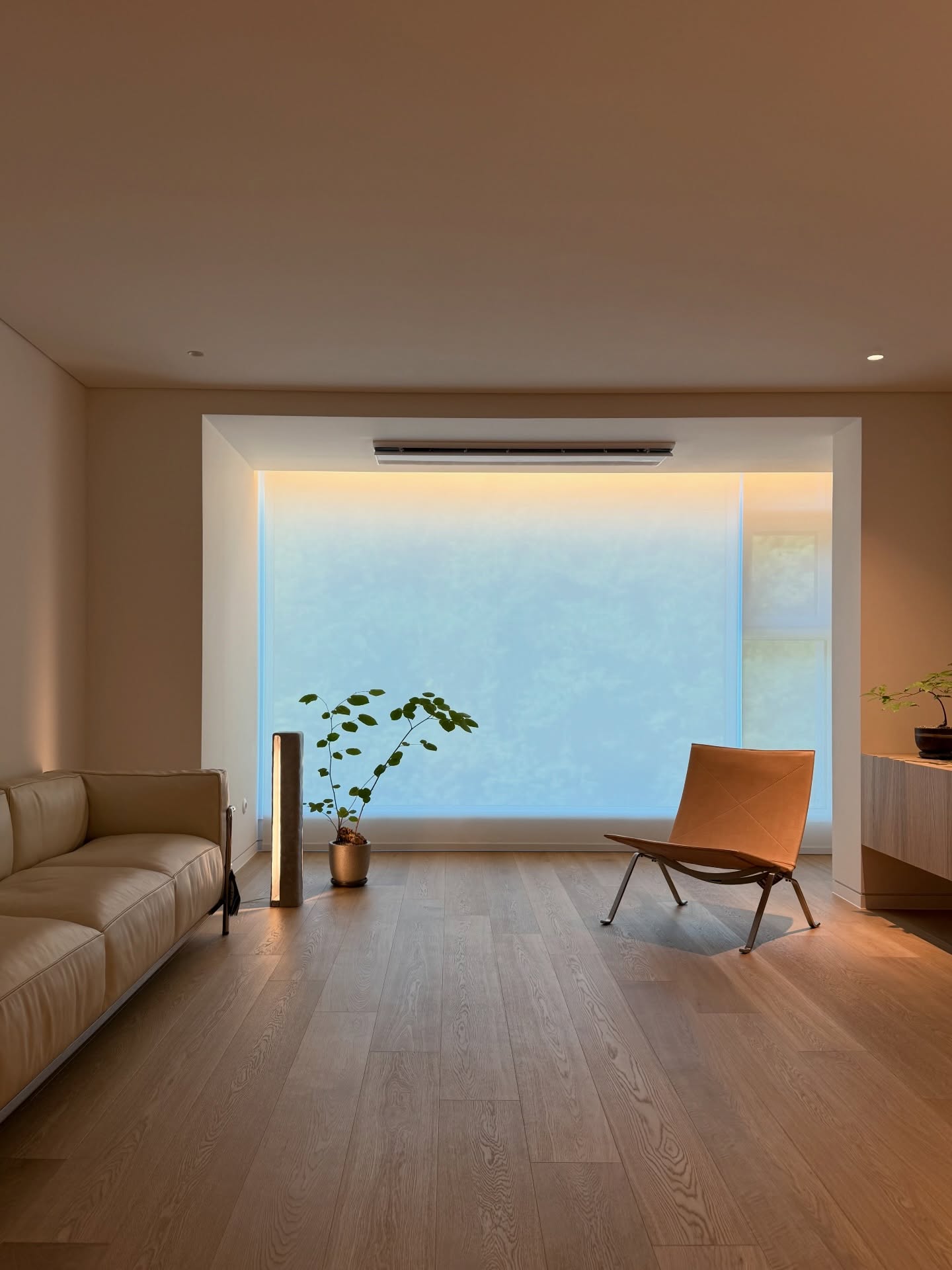
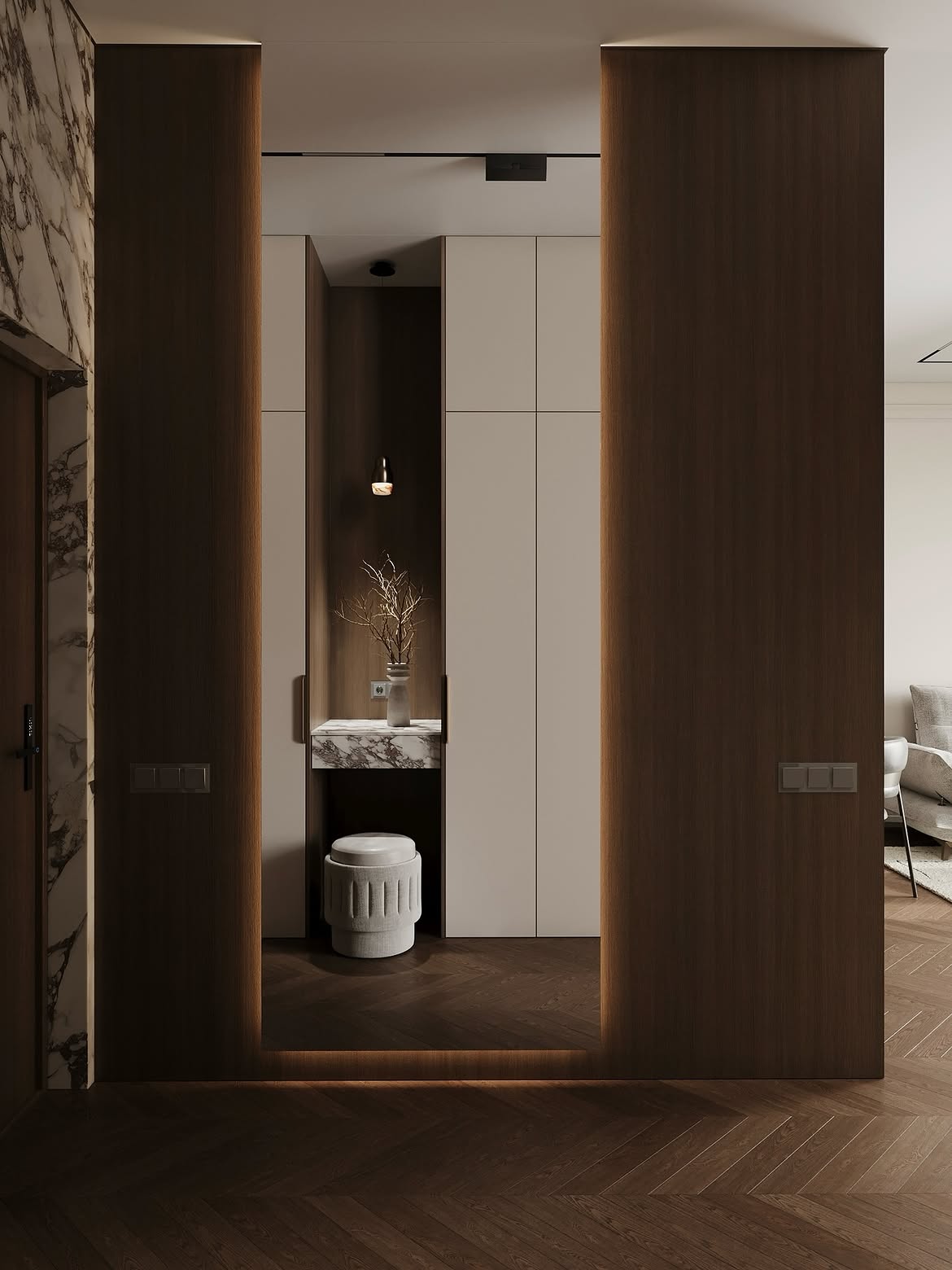
That is when material begins to speak — not through display, but through the feeling underfoot, the way light reaches the wood surface, the continuity between functional zones and the ability to remain with the building through years of use. A well-resolved floor does not change the architecture, but it can change how that architecture is experienced every day.