
Language

Background

What causes wood flooring to warp?

Warping is not determined by wood quality alone. Material construction, moisture and real conditions of use all influence how a wood floor performs.

Wood flooring warping is one of the more common issues affecting natural and engineered wood flooring, particularly in hot, humid climates where moisture levels fluctuate.

In practice, warping is not caused by the wood species alone. It is directly related to material construction, subfloor moisture, installation and the floor system’s ability to respond to its environment.

Natural wood always responds to moisture

Wood is a natural material that absorbs and releases moisture as environmental conditions change.

As relative humidity rises, wood fibres tend to expand. In drier conditions, the material contracts as it seeks moisture equilibrium.

This is an inherent characteristic of most wood species and explains why small dimensional changes can occur throughout the life of a wood floor.

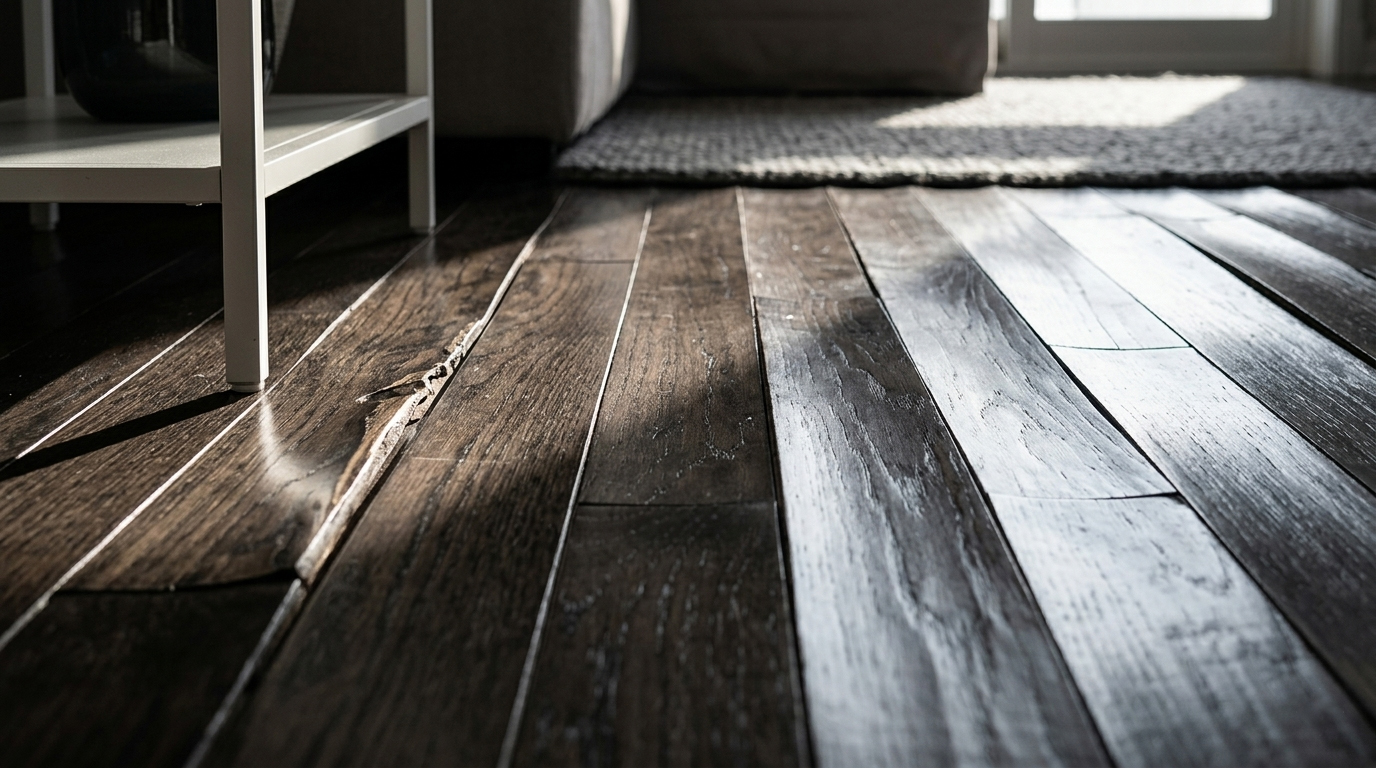
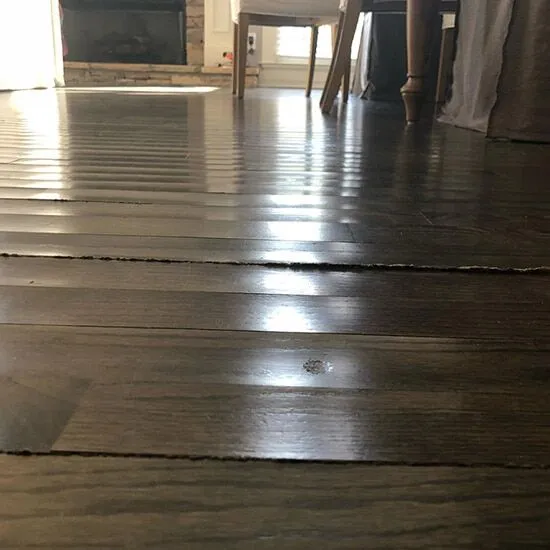
If the floor system lacks sufficient stability or installation conditions are unsuitable, this movement can lead to cupping, lifting or gaps between boards.
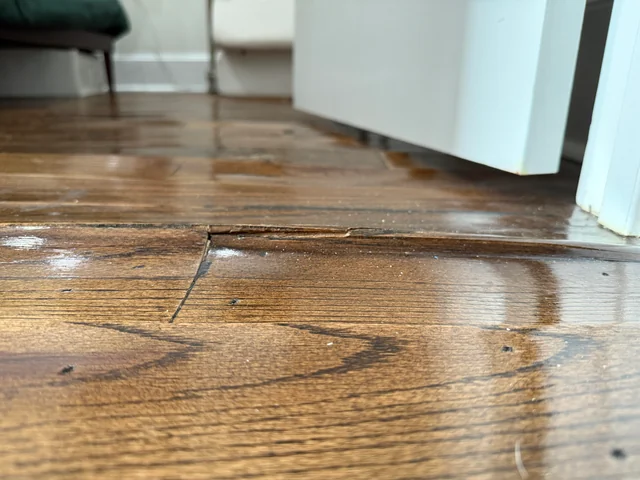
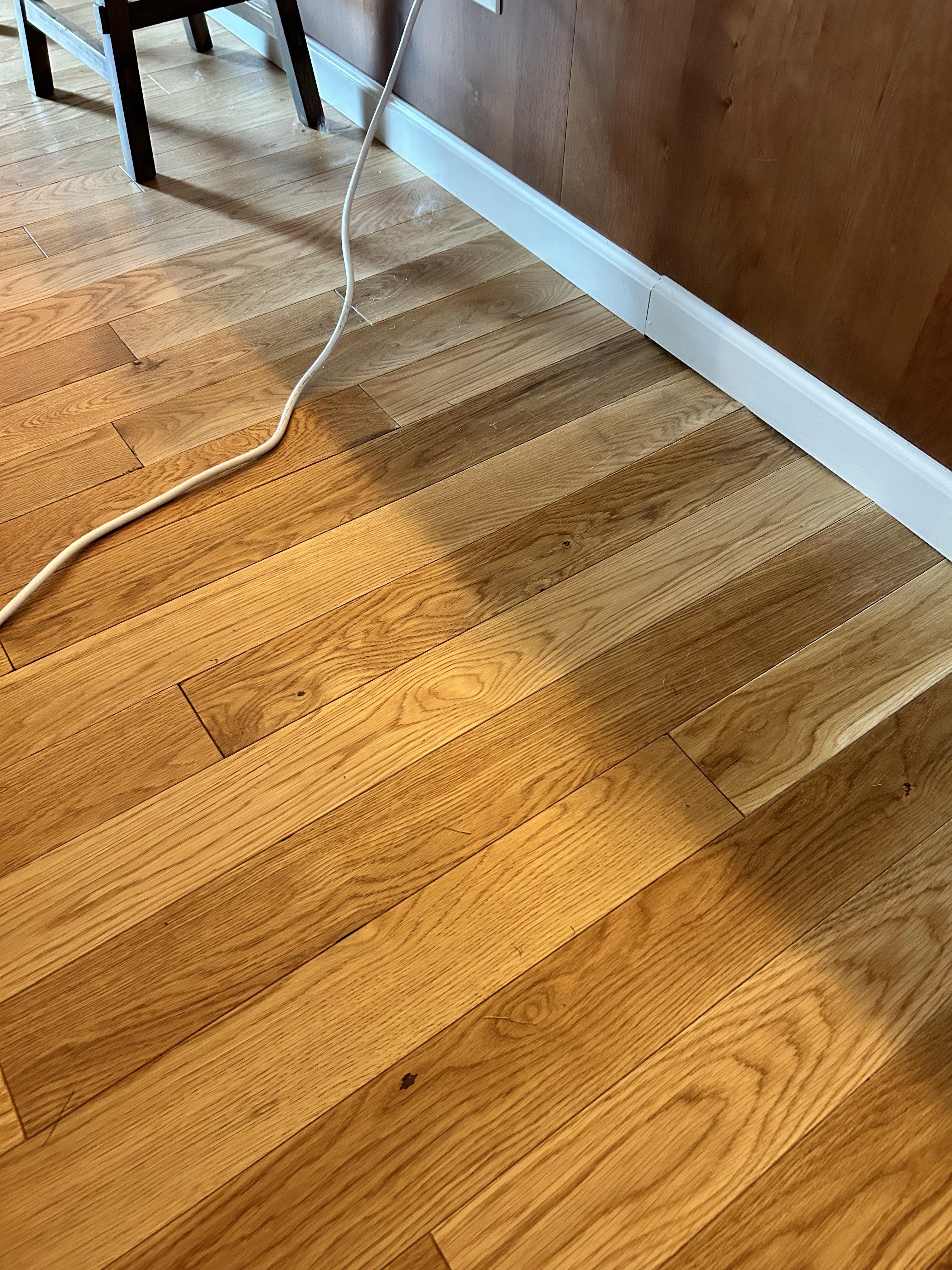
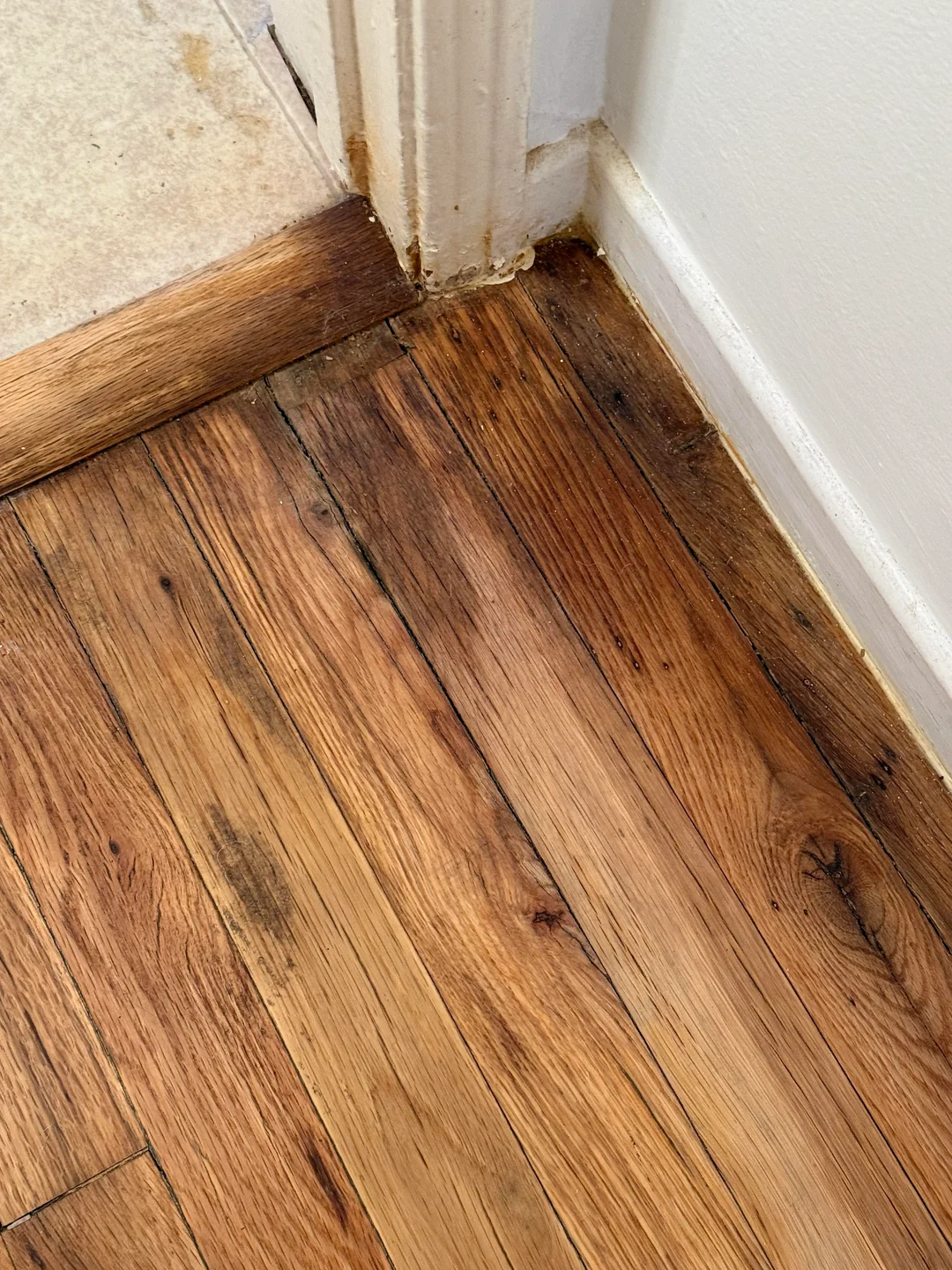
Warped natural wood flooring
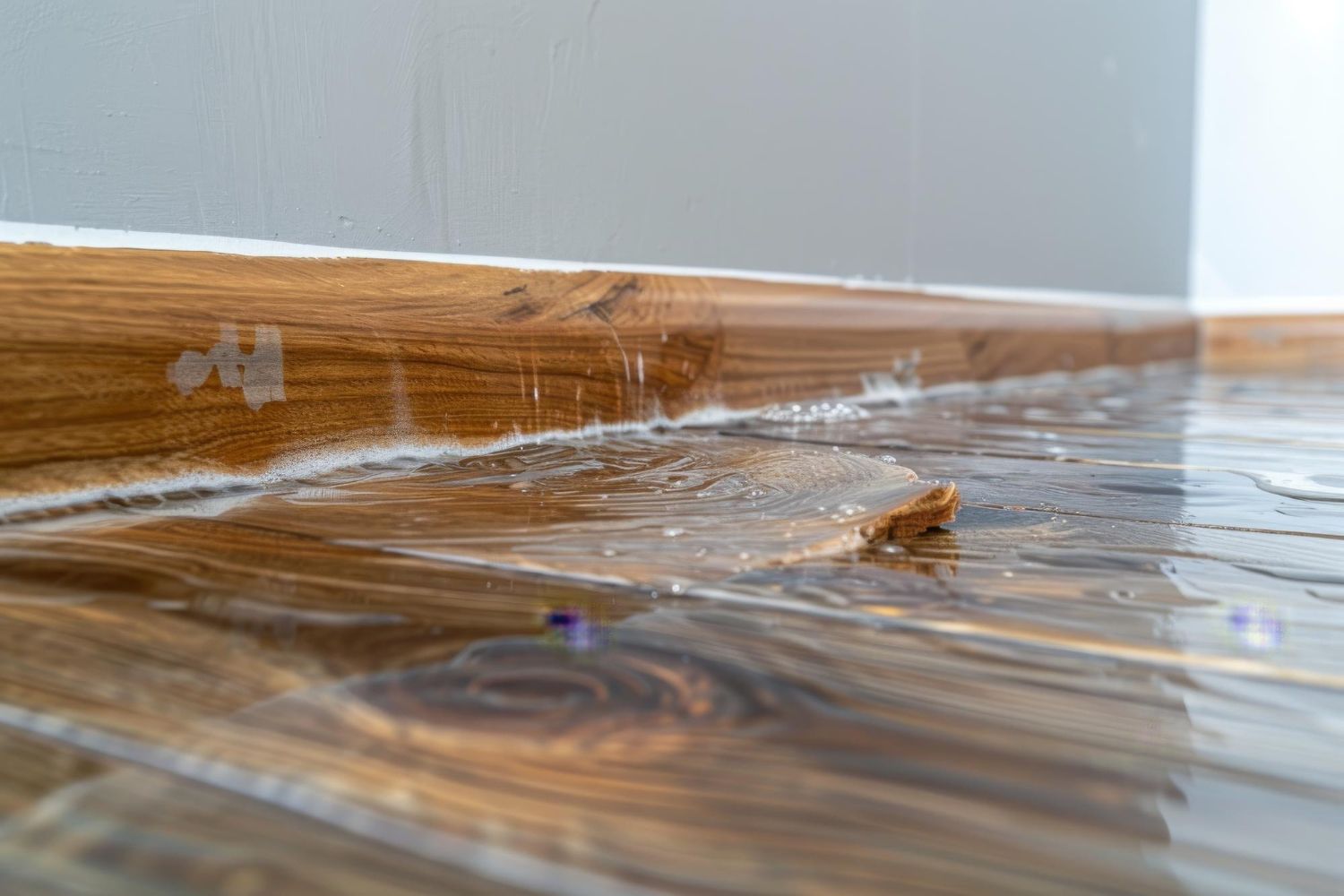
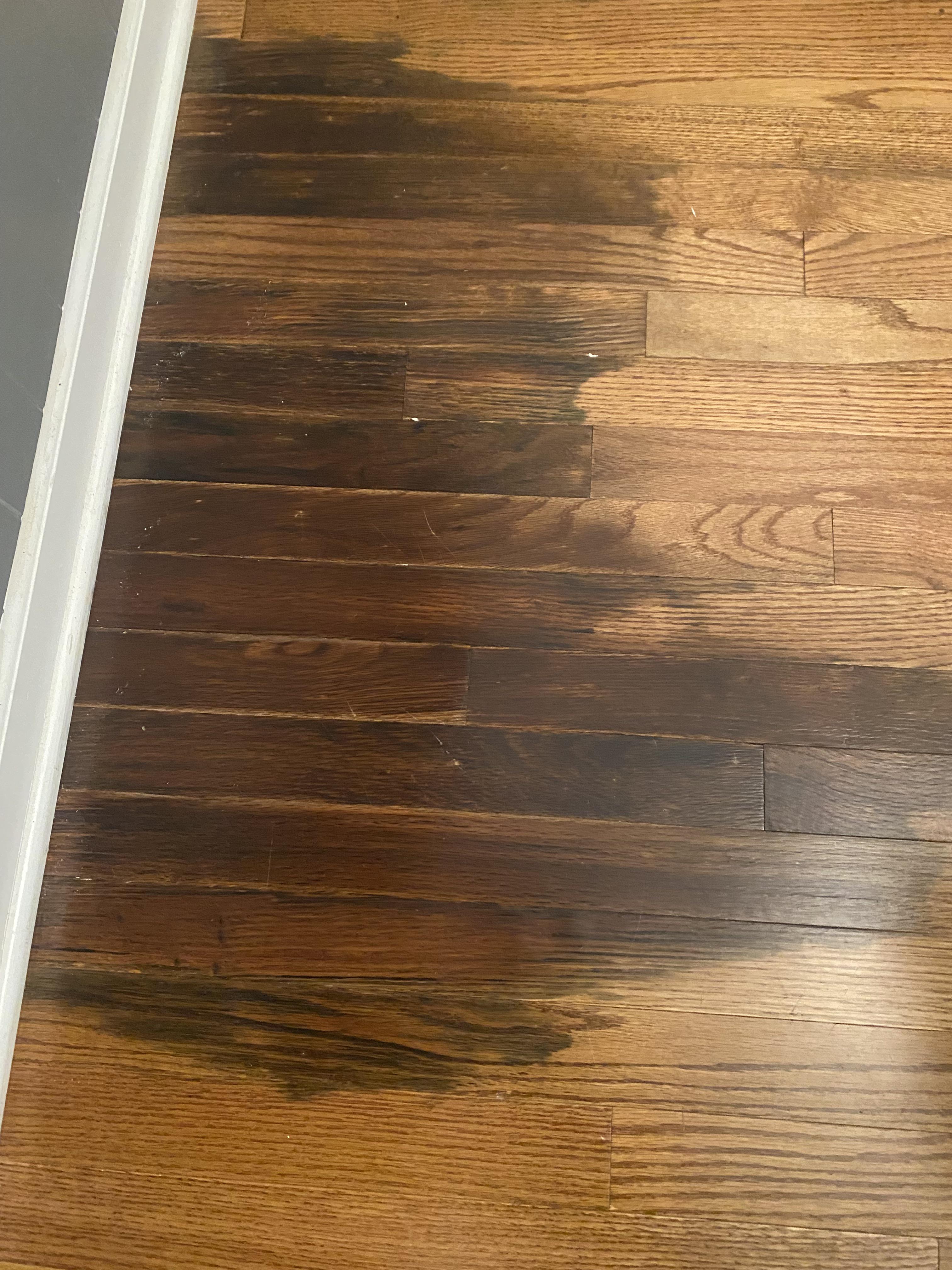
Moisture affecting wood flooring

Subfloor moisture is a common cause

In many cases, the cause of wood flooring warping does not lie in the wood surface, but in moisture beneath the floor.

If a concrete subfloor has not reached an appropriate moisture level or lacks a suitable moisture barrier, moisture can affect the flooring system over an extended period.

• A subfloor that is still damp

• No suitable underlay or moisture barrier

• Strong seasonal humidity fluctuations

• Poorly ventilated areas or frequent water exposure

Each of these factors can directly affect material stability over time.

Material construction directly affects stability

Not every wood flooring system offers the same level of stability in real conditions.

Engineered engineered wood flooring wood flooring commonly uses a multi-layer construction to reduce deformation as temperature and humidity change.

Within this construction, layers are arranged in different directions to balance stress and reduce the natural movement of wood.

This is why core construction, plywood quality and material processing play an important role in the long-term performance of the floor.

Engineered wood flooring construction
Natural wood flooring installation

Incorrect installation can also cause warping

Beyond the material itself, installation has a major influence on flooring performance.

One of the most important details is the expansion gap at walls and material transitions.

This gap gives the floor room for natural movement as temperature and humidity change.

If the floor is installed too tightly or without sufficient expansion space, pressure from movement can cause lifting or edge deformation over time.

Using a material unsuited to the climate, or installing it before site conditions have stabilised, can also increase the risk of deformation after completion.

How to reduce the risk of warping

A stable flooring system usually depends on several factors working together:

• Choose a dimensionally stable material

• Check subfloor moisture before installation

• Use a flooring construction suited to hot, humid climates

• Install correctly with appropriate expansion gaps

• Avoid prolonged exposure to water

How this relates to flooring construction

Wood flooring stability does not depend only on the natural wood surface. It is shaped by the entire construction beneath it and by how the material system performs in real conditions.

Choosing the right construction can significantly reduce issues such as warping, shrinkage and gaps over long-term use.

Explore NOËL flooring construction

Warranty Policy

View warranty terms

Engineered Structure

Explore the engineered wood layers

Laying Systems

Explore flooring patterns
Zalo Call
SAMPLE BOX

Exclusive Sample Collection

Request our wood flooring sample set.

Select wood type / tone
Oak - Light / Natural Tone
Walnut - Deep Tone
Ash - Natural
Teak - Natural
Herringbone / Chevron
Straight Lay