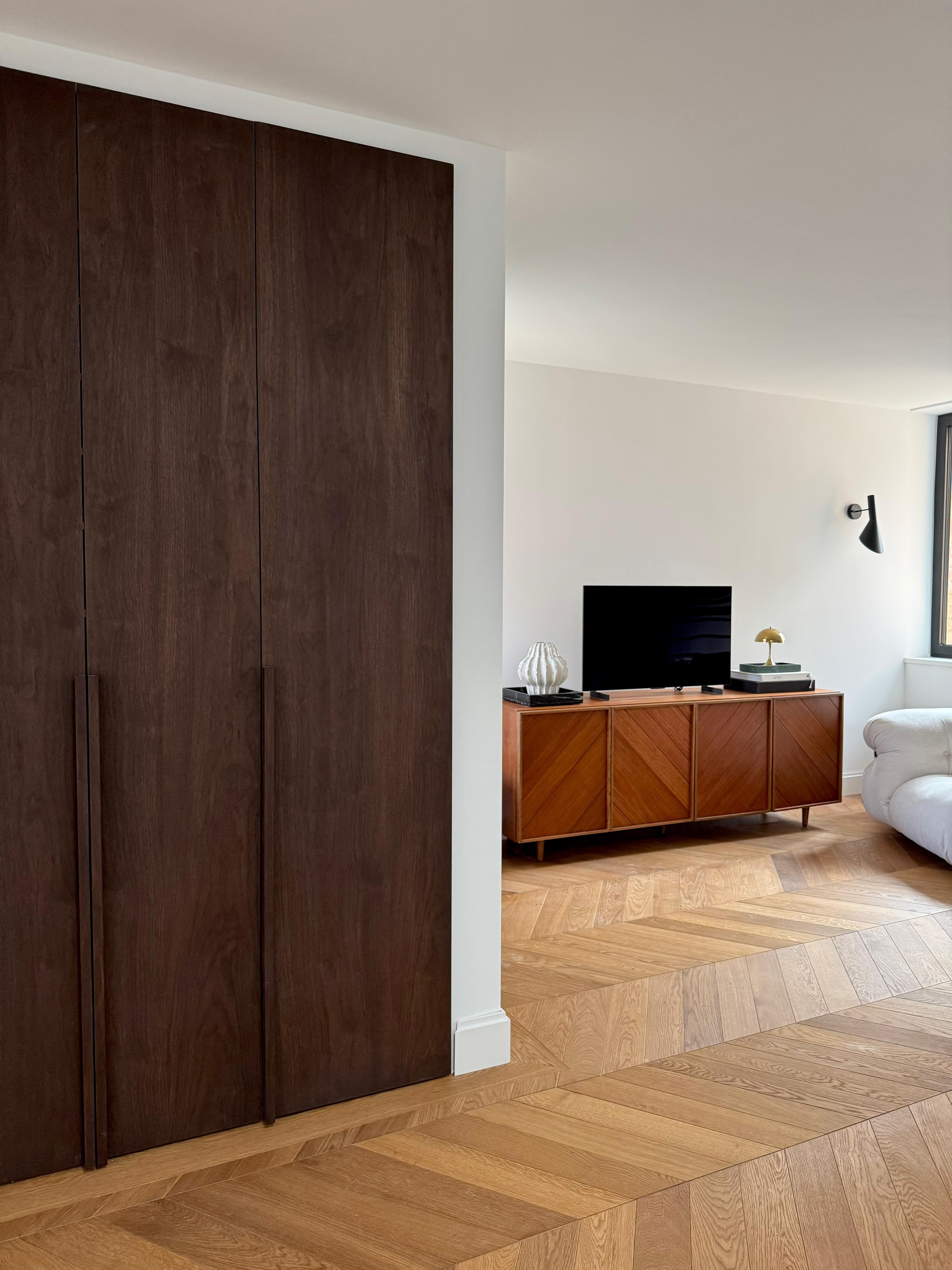

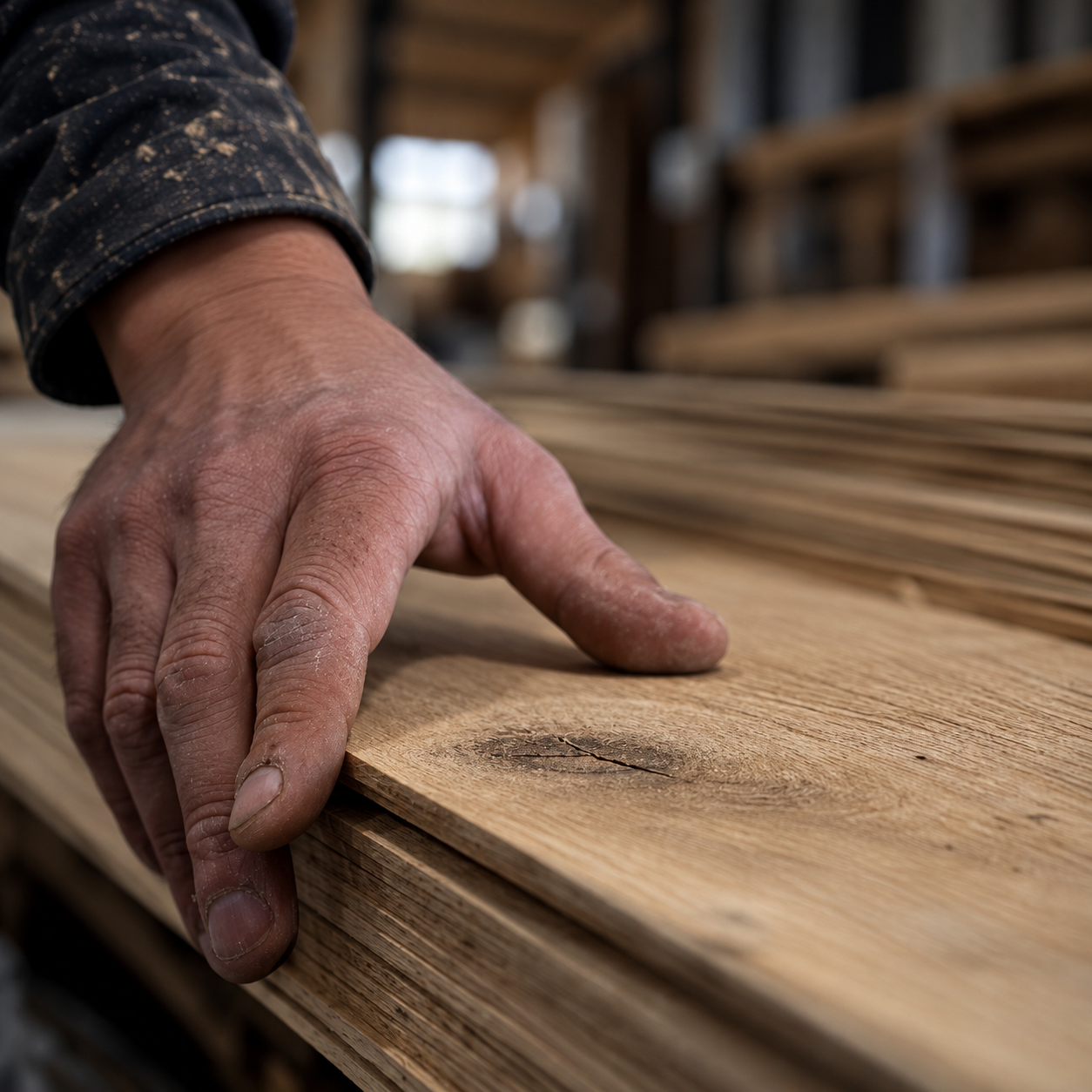

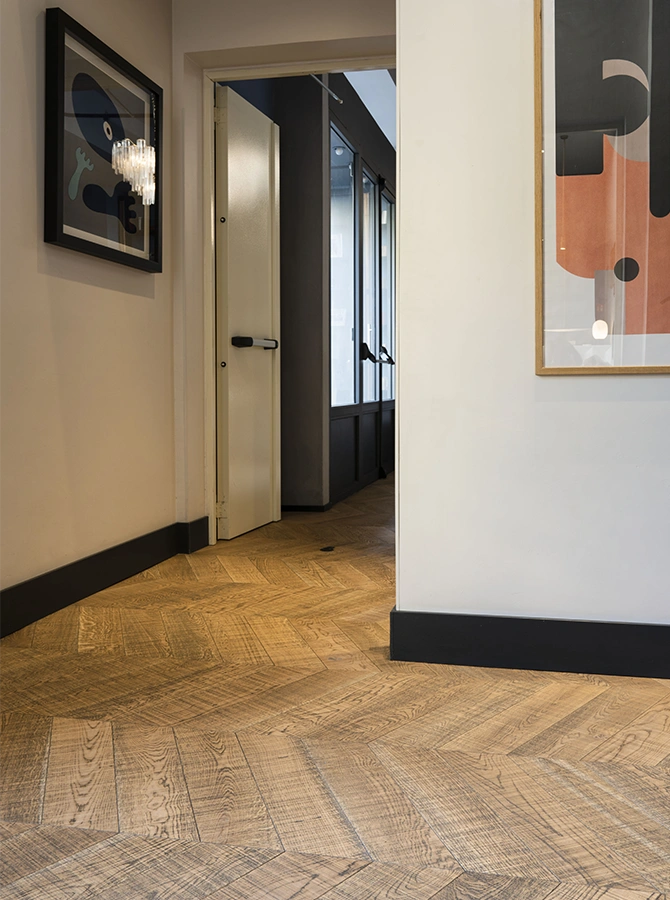
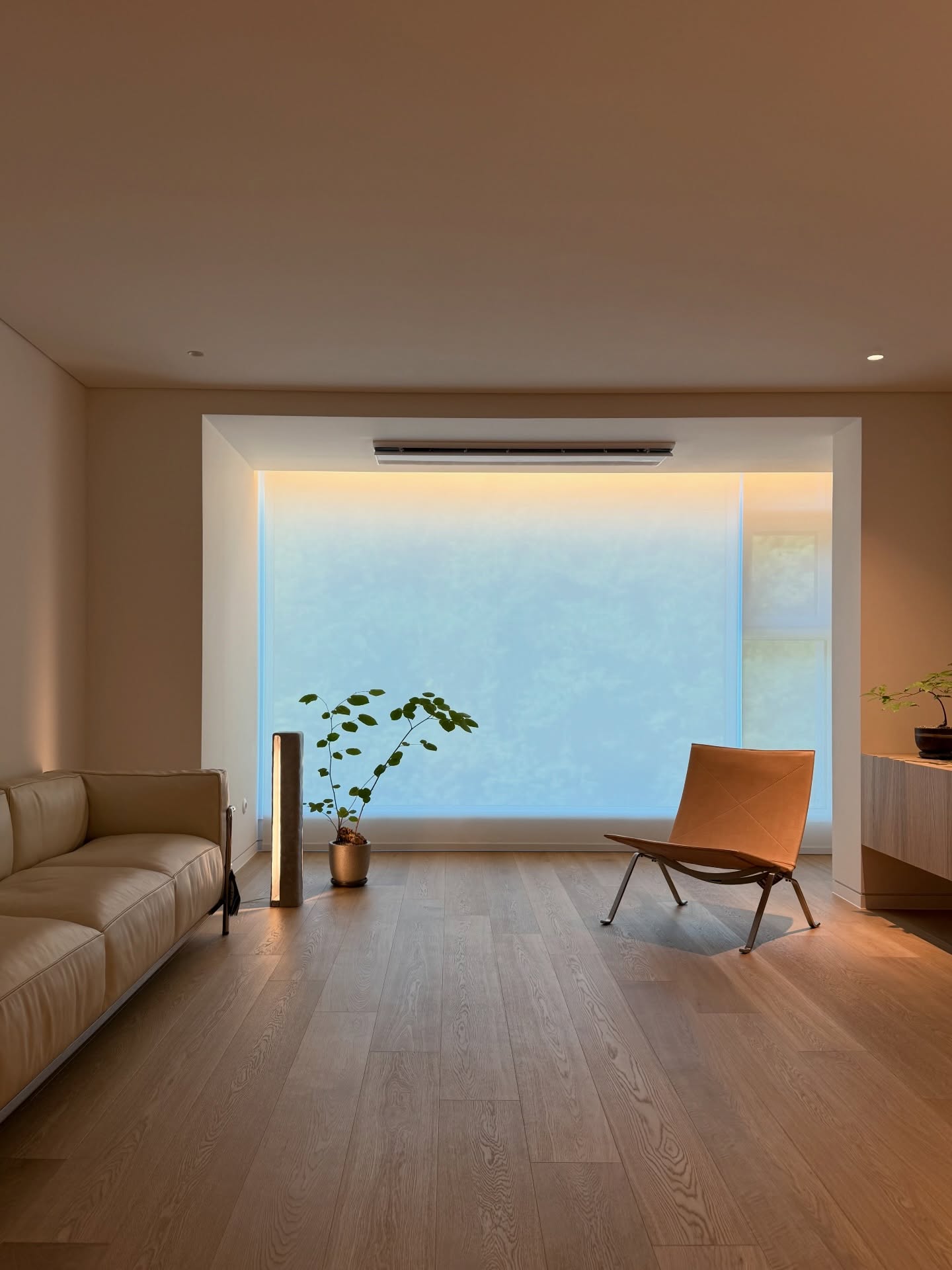
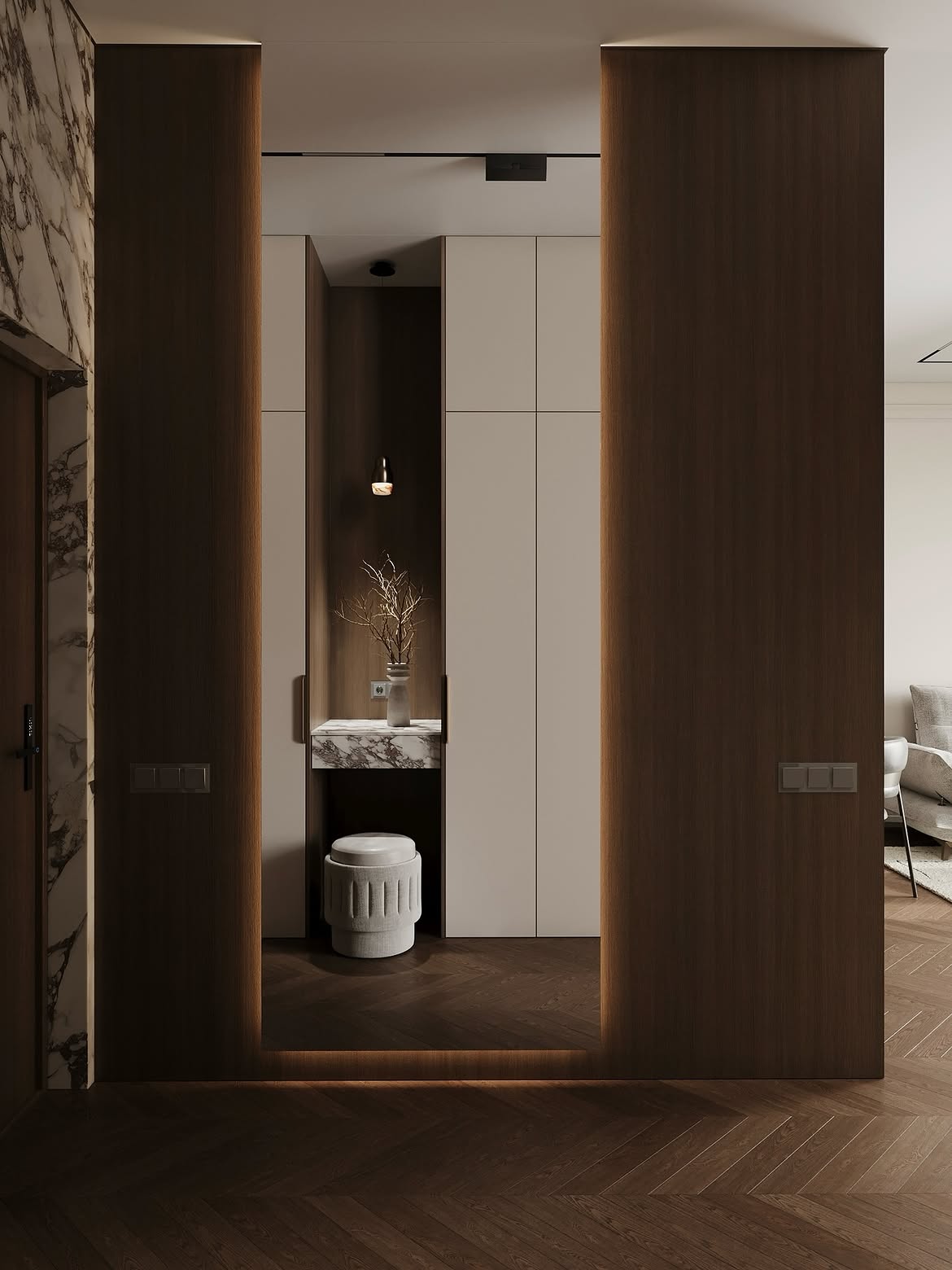


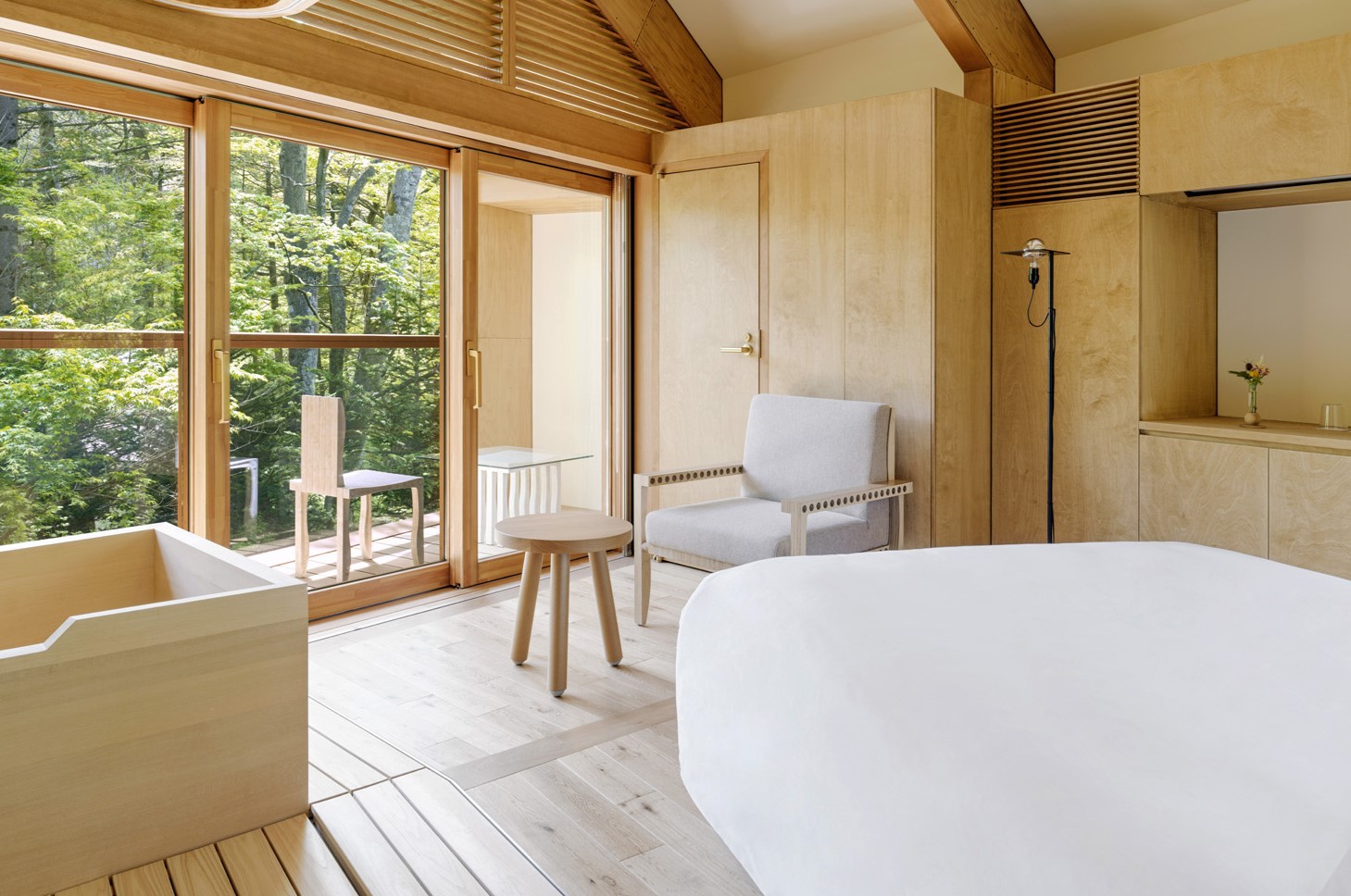
In hot, humid climates, wood is constantly responding to changes in temperature and ambient humidity. This is one reason engineered wood flooring has become increasingly common in contemporary projects.
Rather than focusing only on the visible wood layer, engineered wood is developed as a structural system designed to better control the natural movement of the material over long-term use.
Natural Wood Always Responds to Humidity
Wood naturally absorbs and releases moisture. As relative humidity rises, wood fibres take on moisture and expand. In drier conditions, the material tends to contract as it moves toward moisture equilibrium.
This process continues throughout the life of the product, whether the floor is solid wood or engineered wood.
In climates with substantial humidity variation, such as Vietnam, the ability to manage this movement directly affects flooring stability.
This is why material construction can be just as important as the wood species itself.