
 Vietnam (VIE)
 English (ENG)
Set beside the water in Durgerdam, the house retains the character of a Dutch dijkwoning while being organised around a bright, open and contemporary way of living.
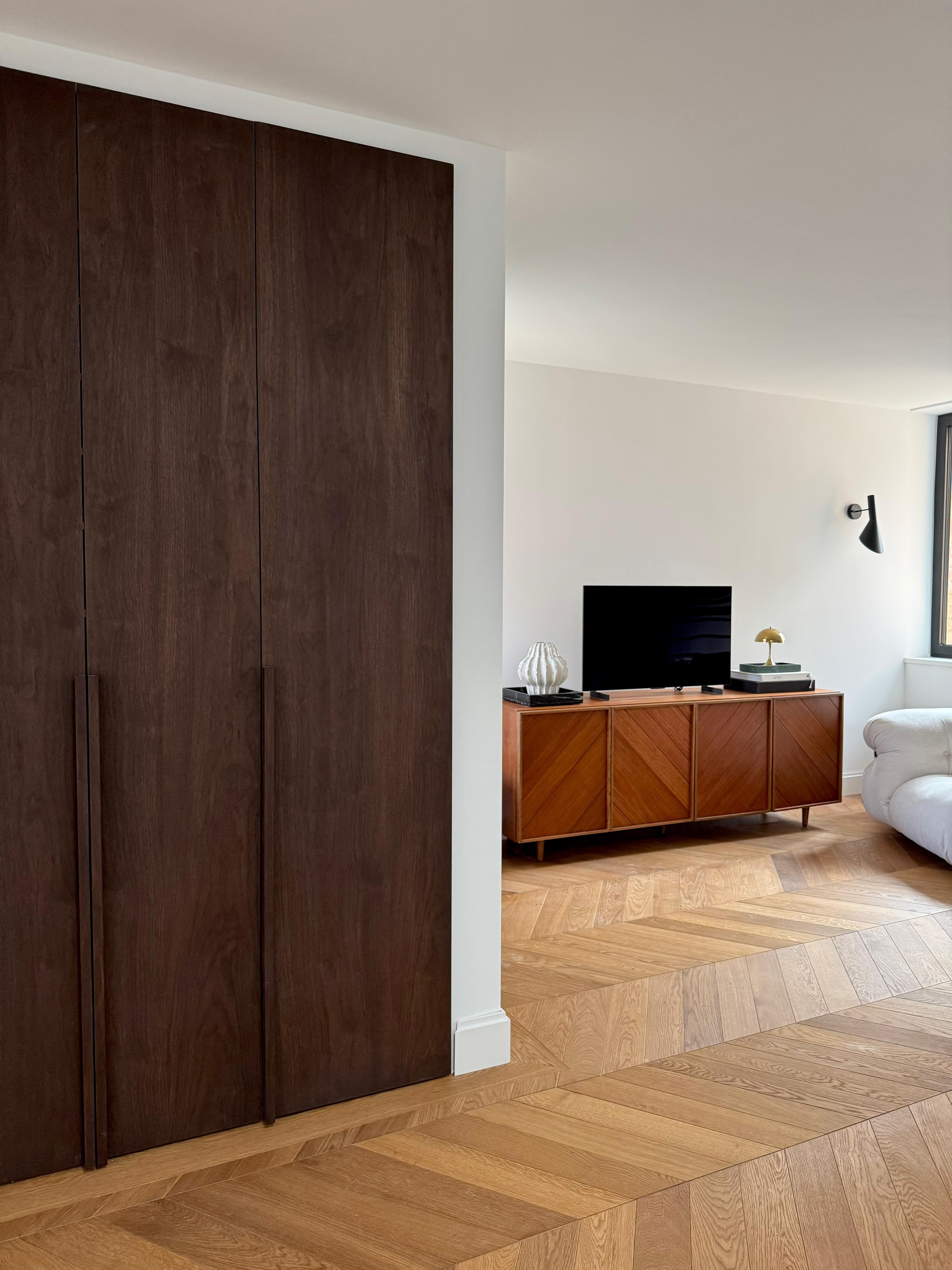
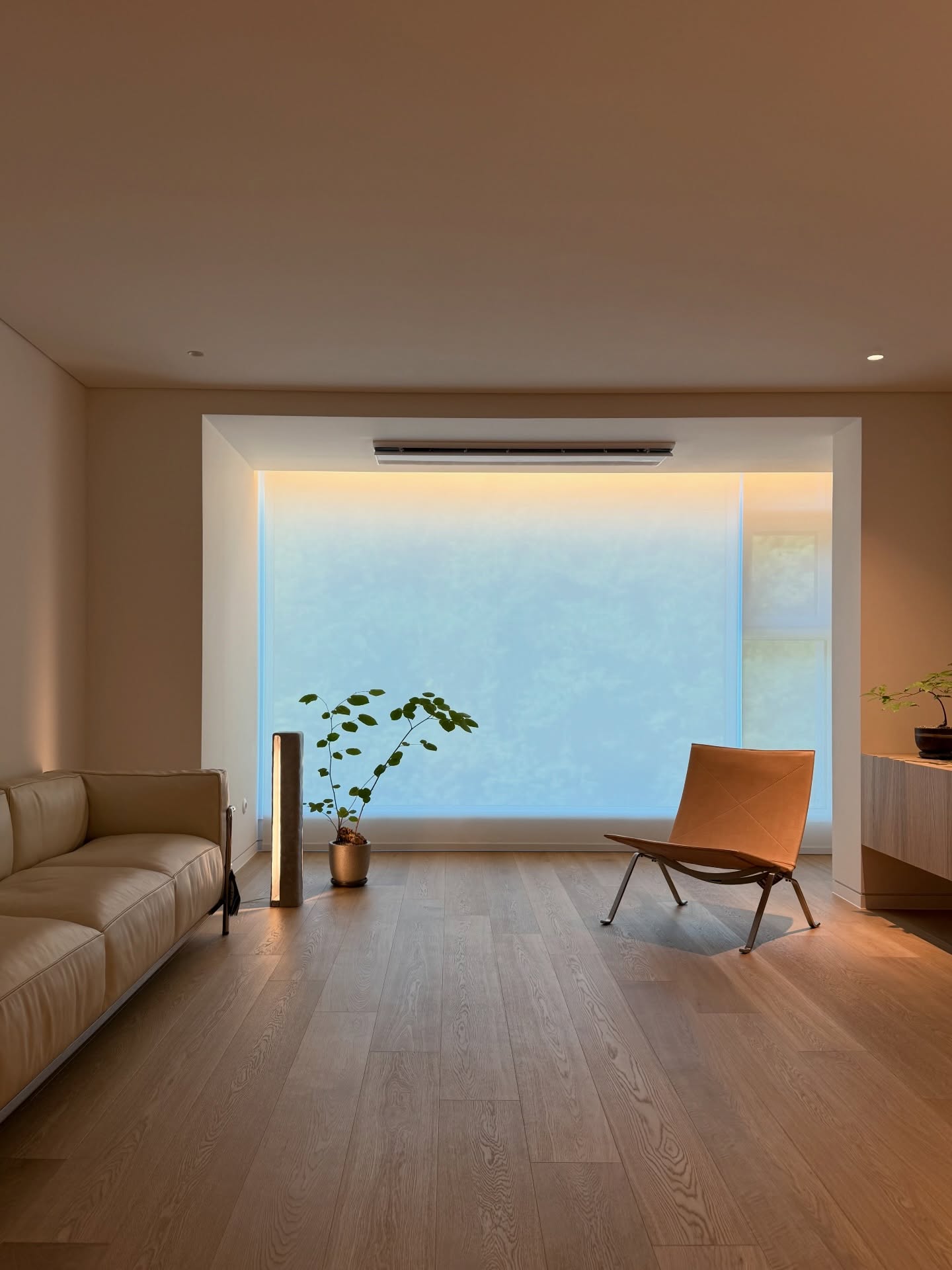
Against a restrained white backdrop, Bauwerk Parkett with 19 cm-wide planks, a brushed surface and Mandorla oil brings a continuous warmth throughout the interior.
The material selection shows how wood flooring can do more than finish a surface: it helps connect light, architectural proportion and the natural character of a home oriented toward the landscape.
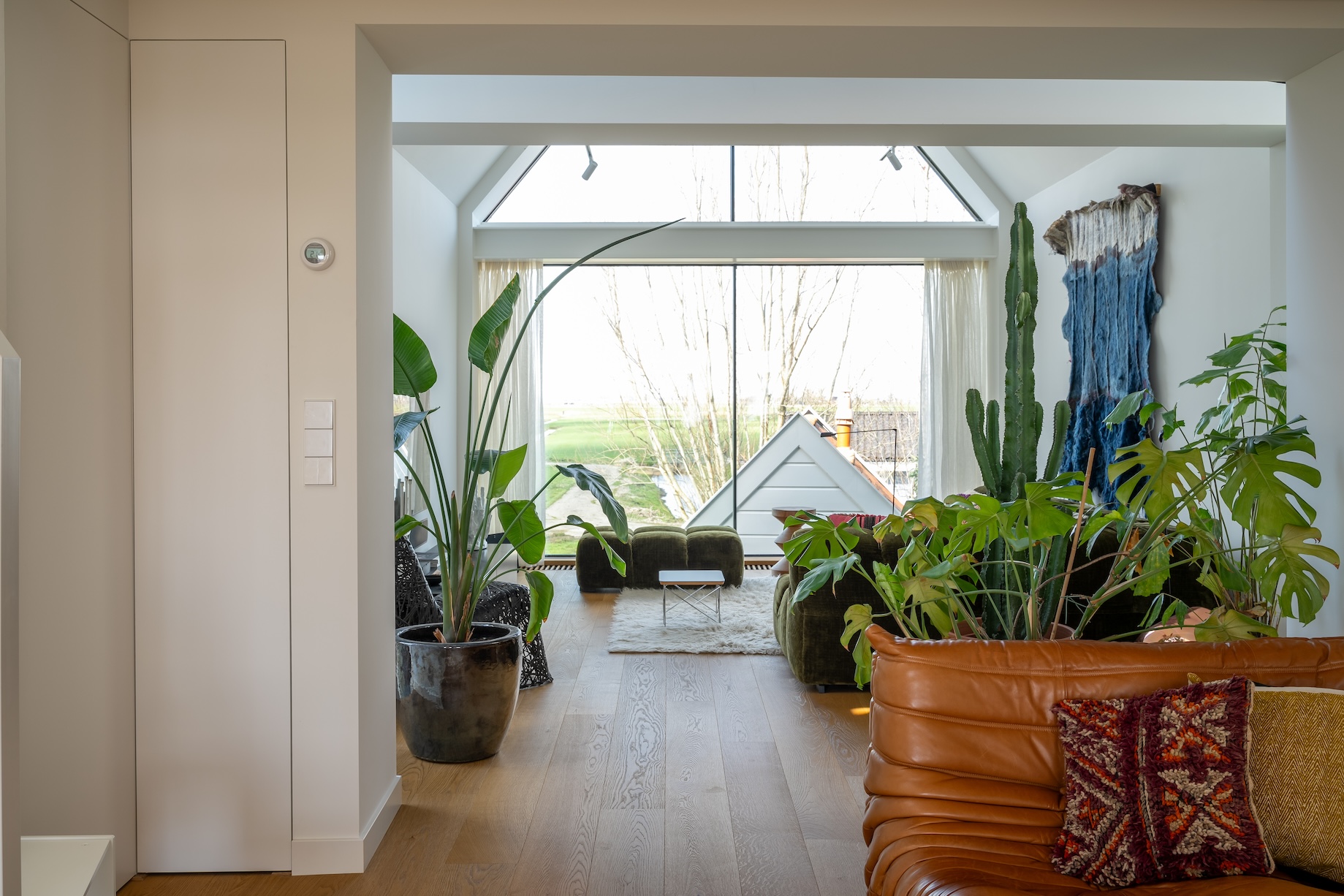
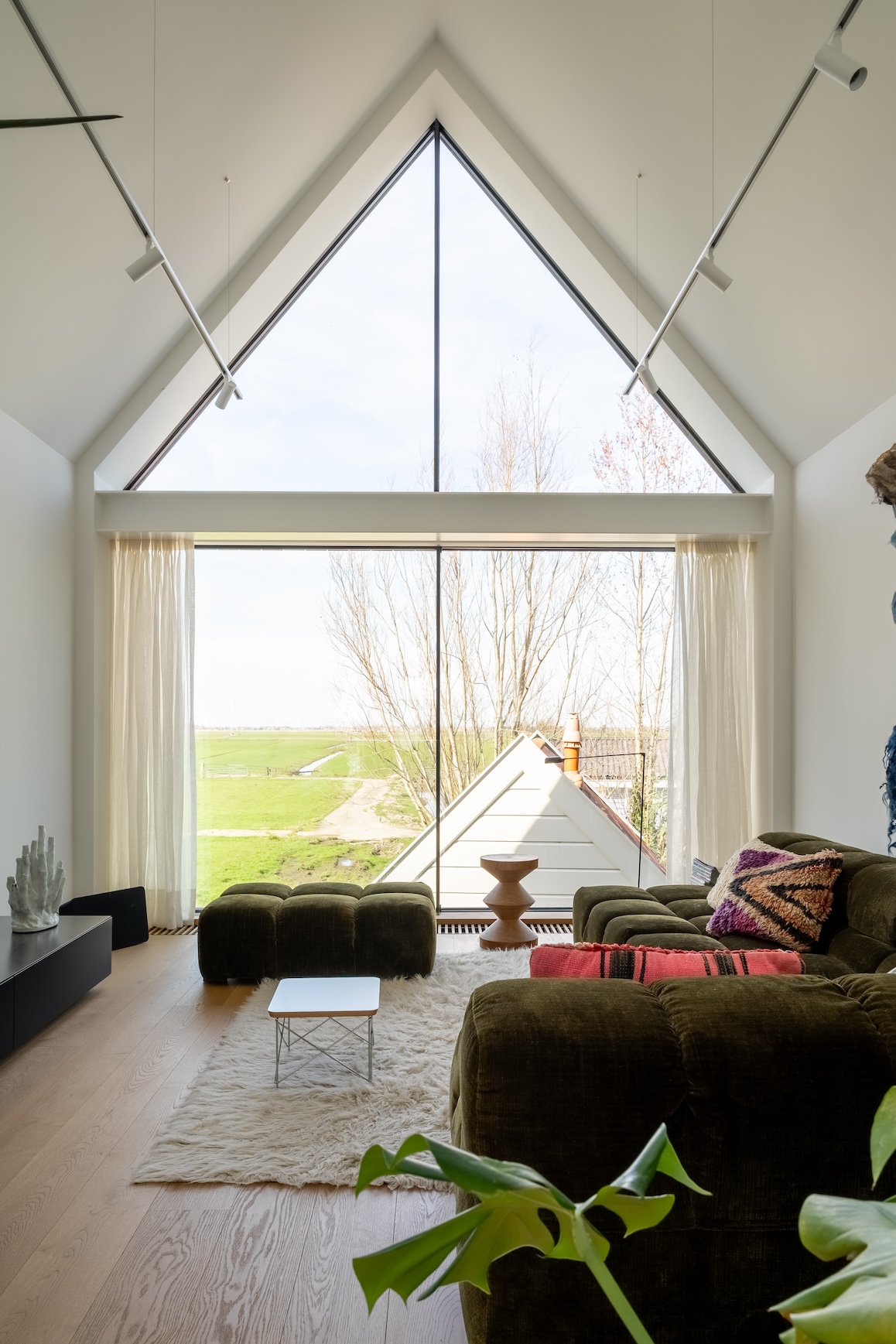
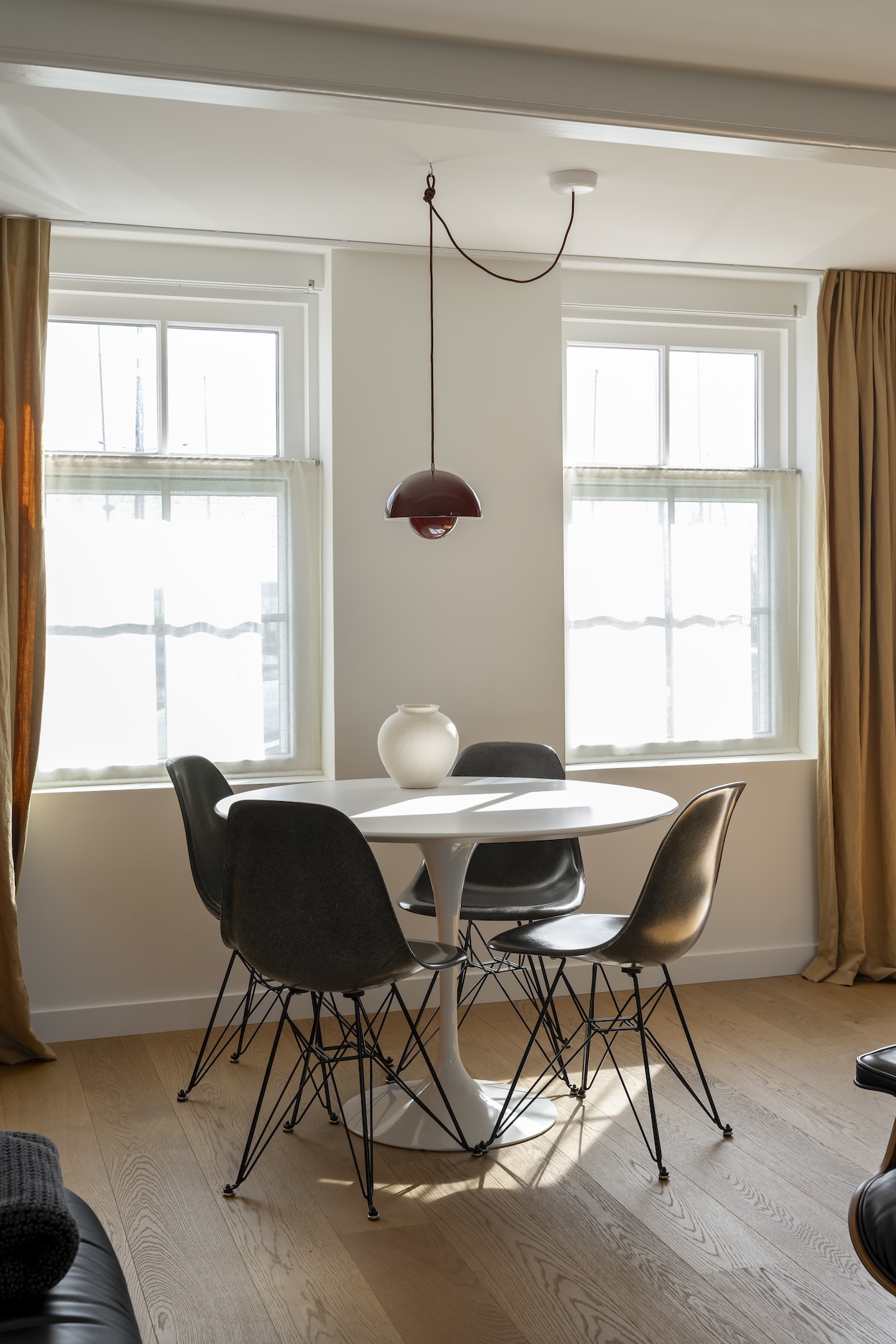
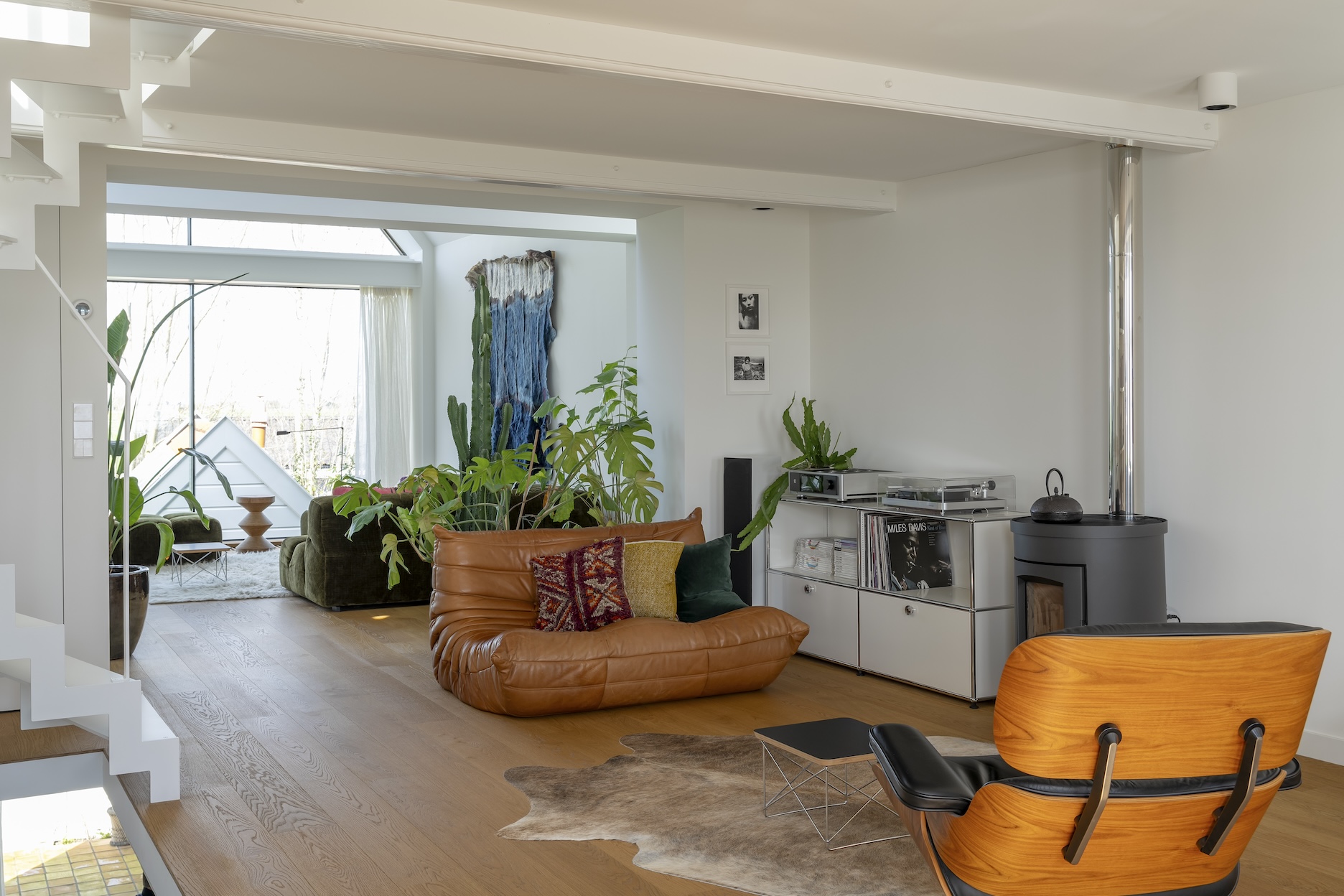
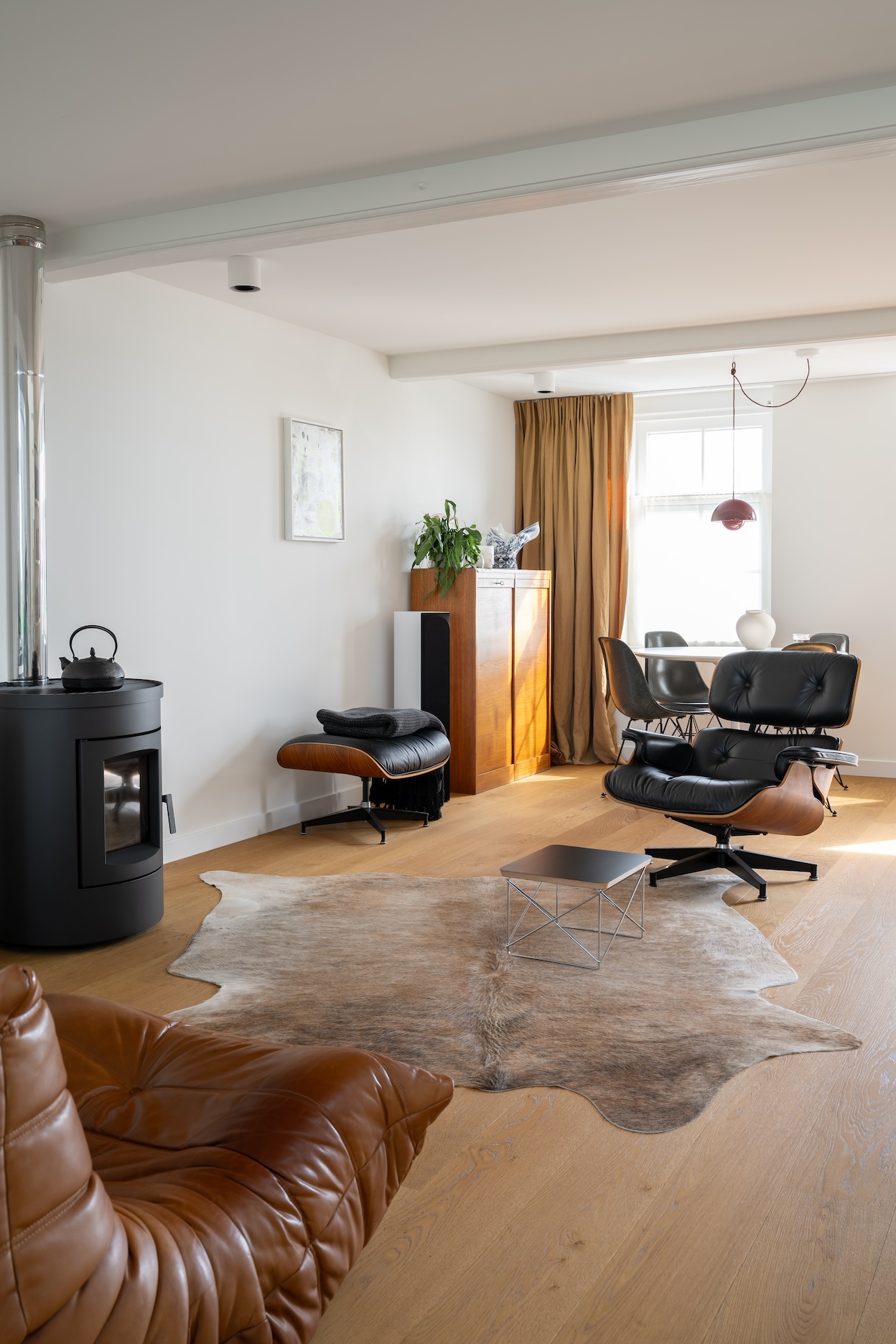
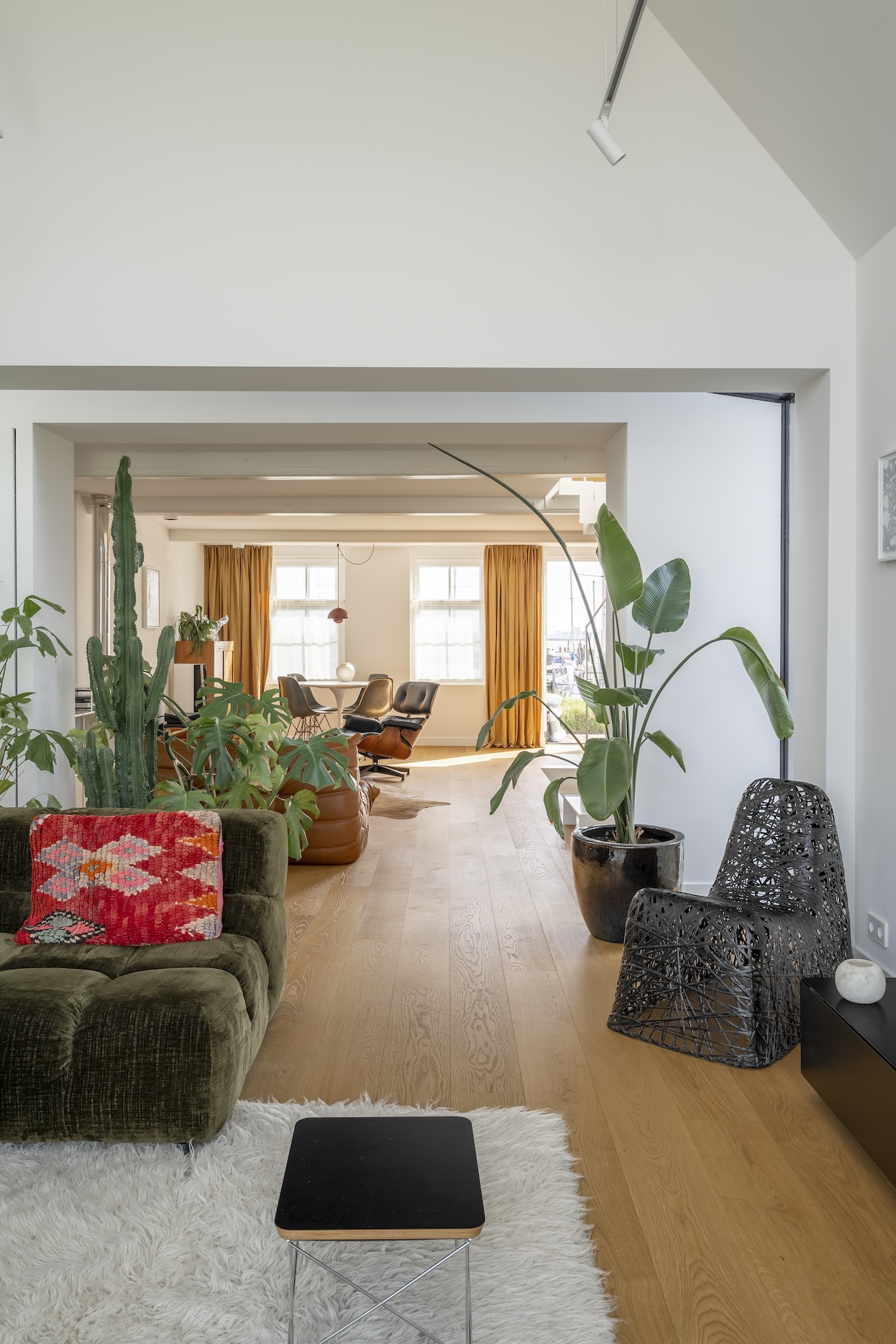
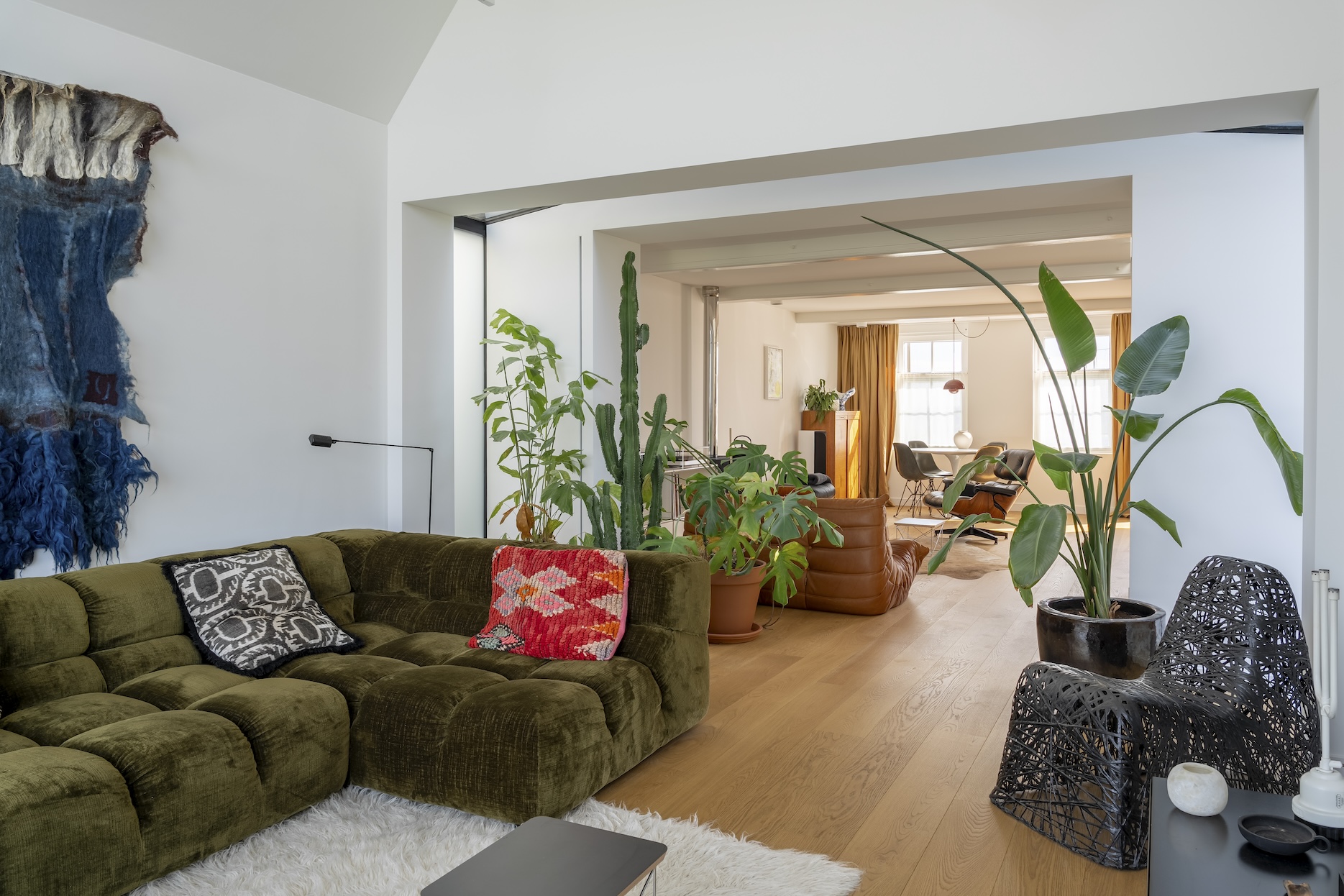
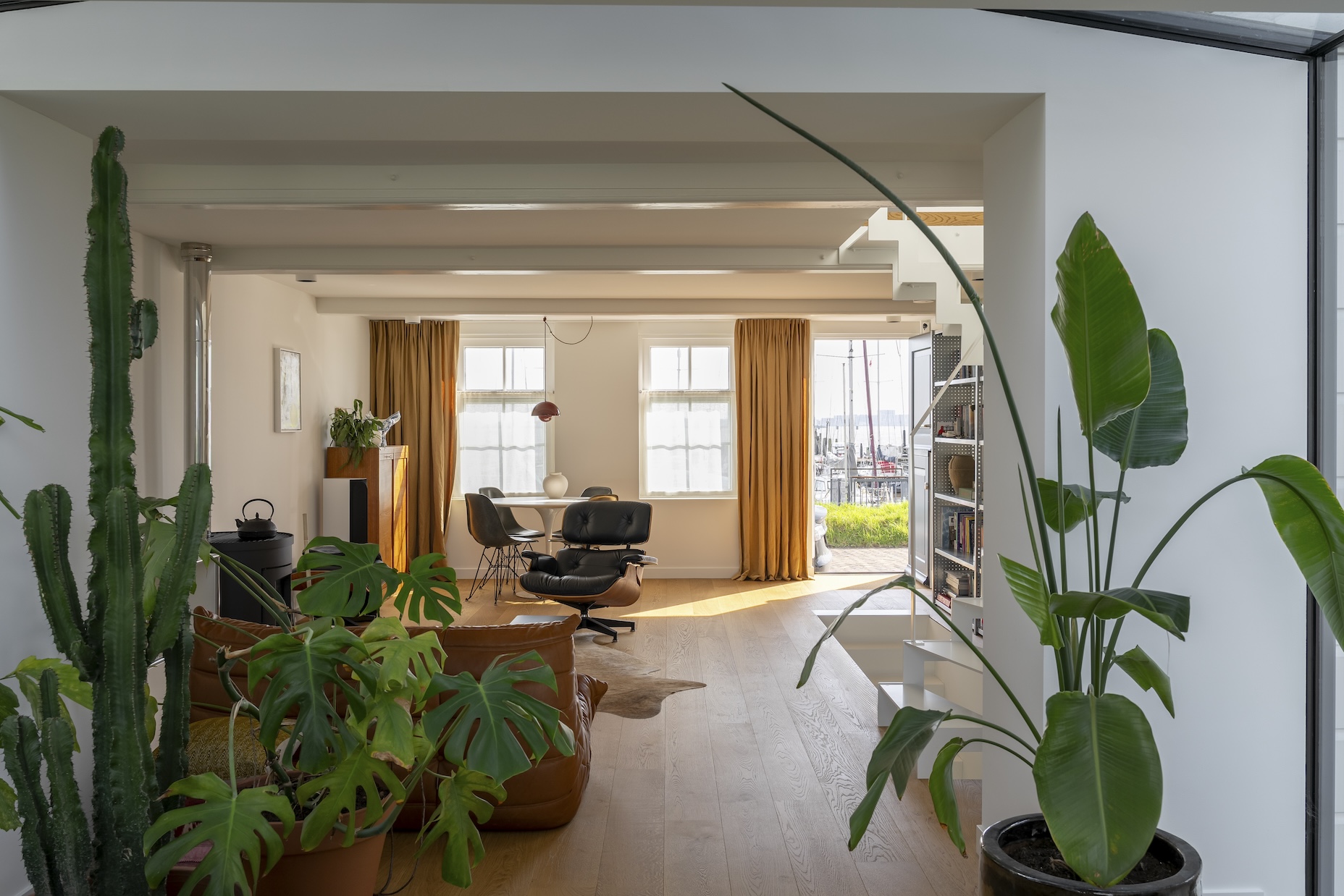
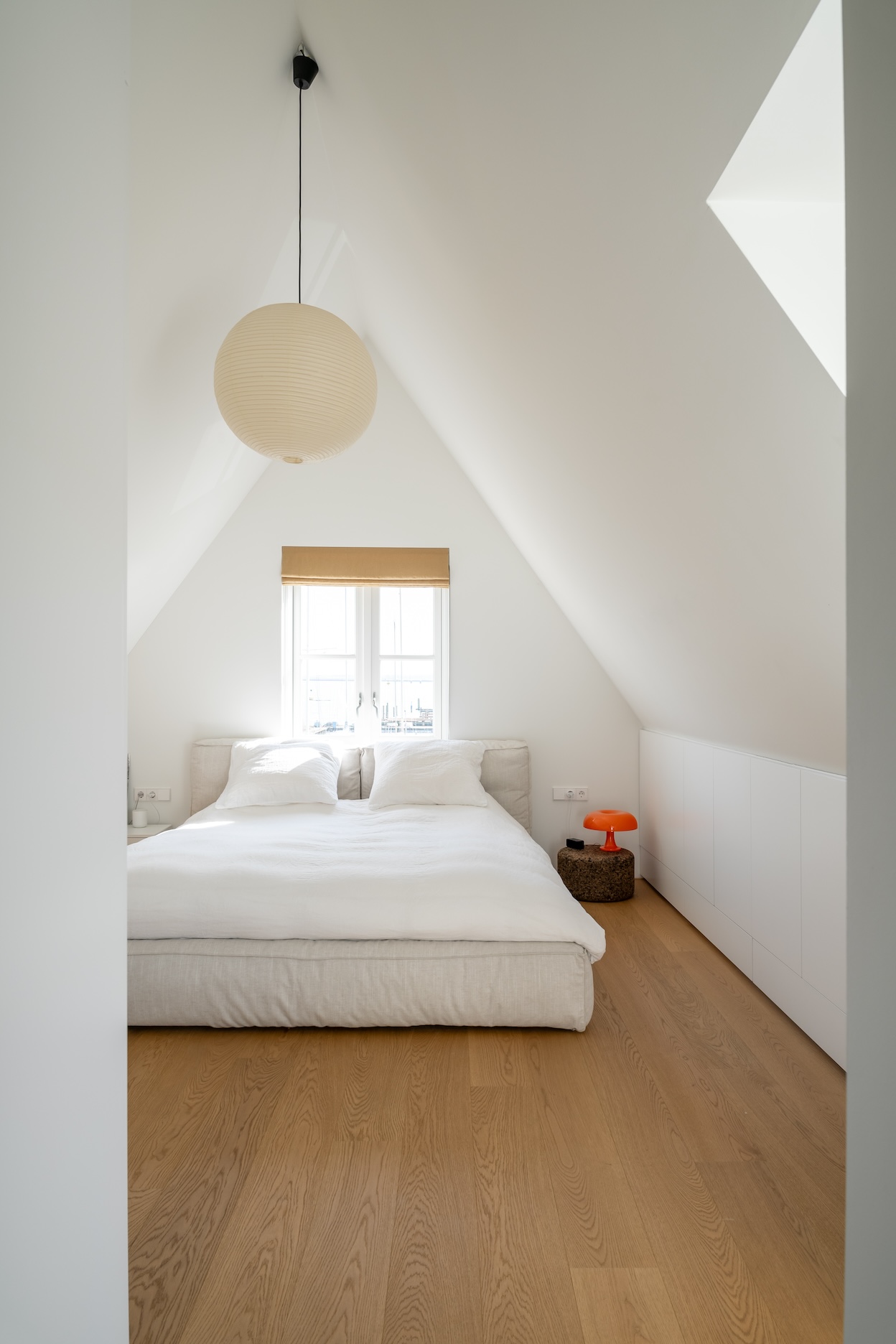
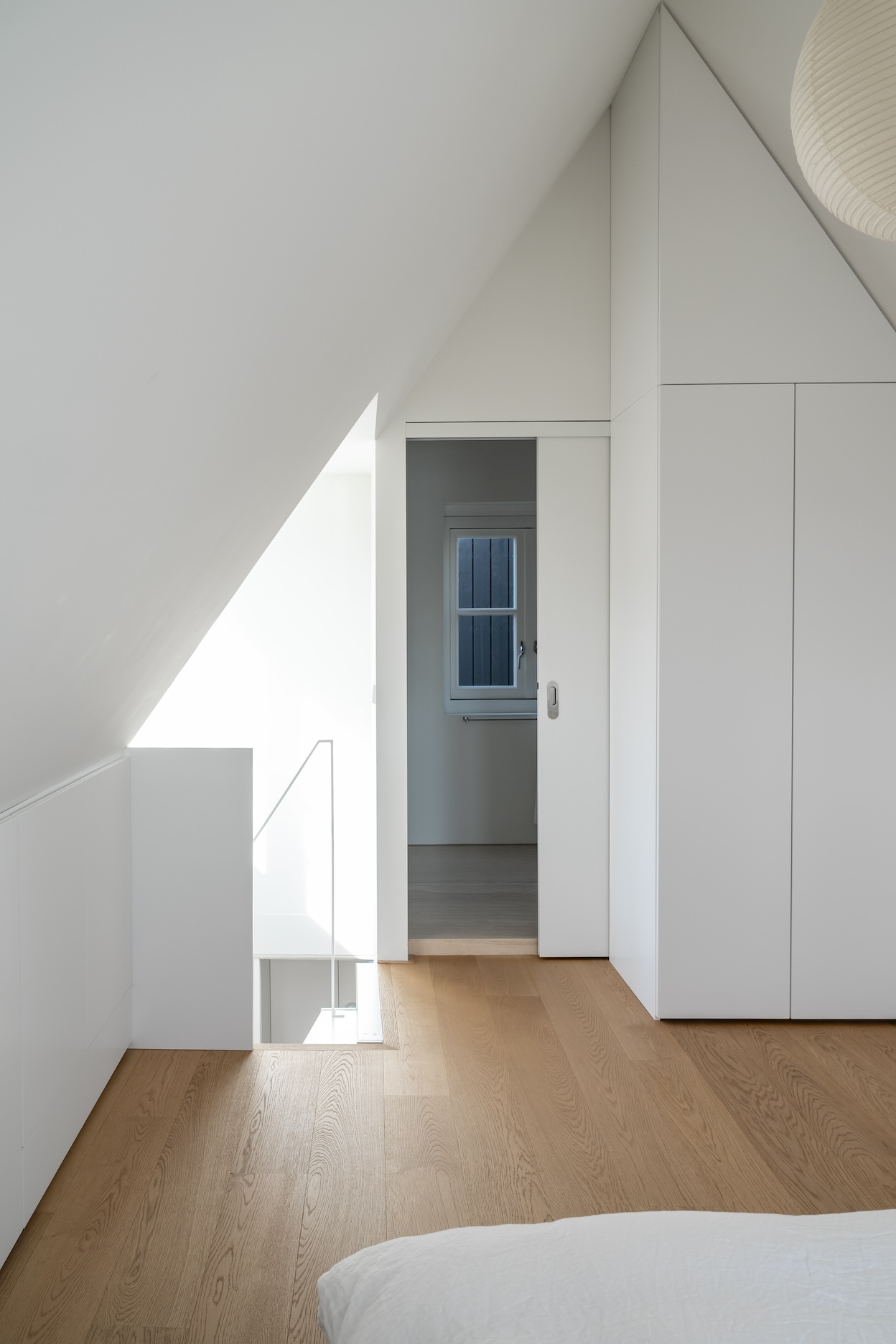
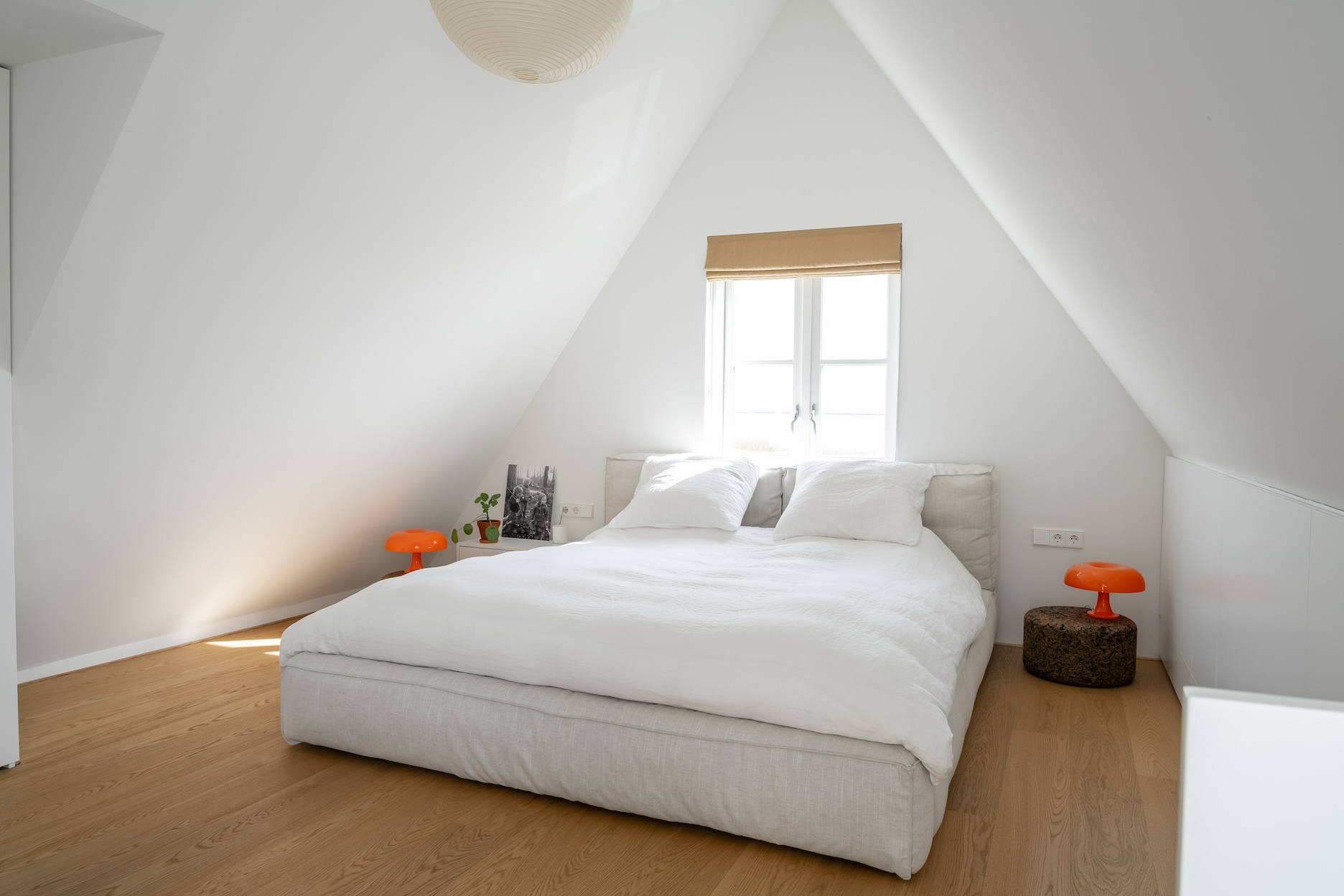
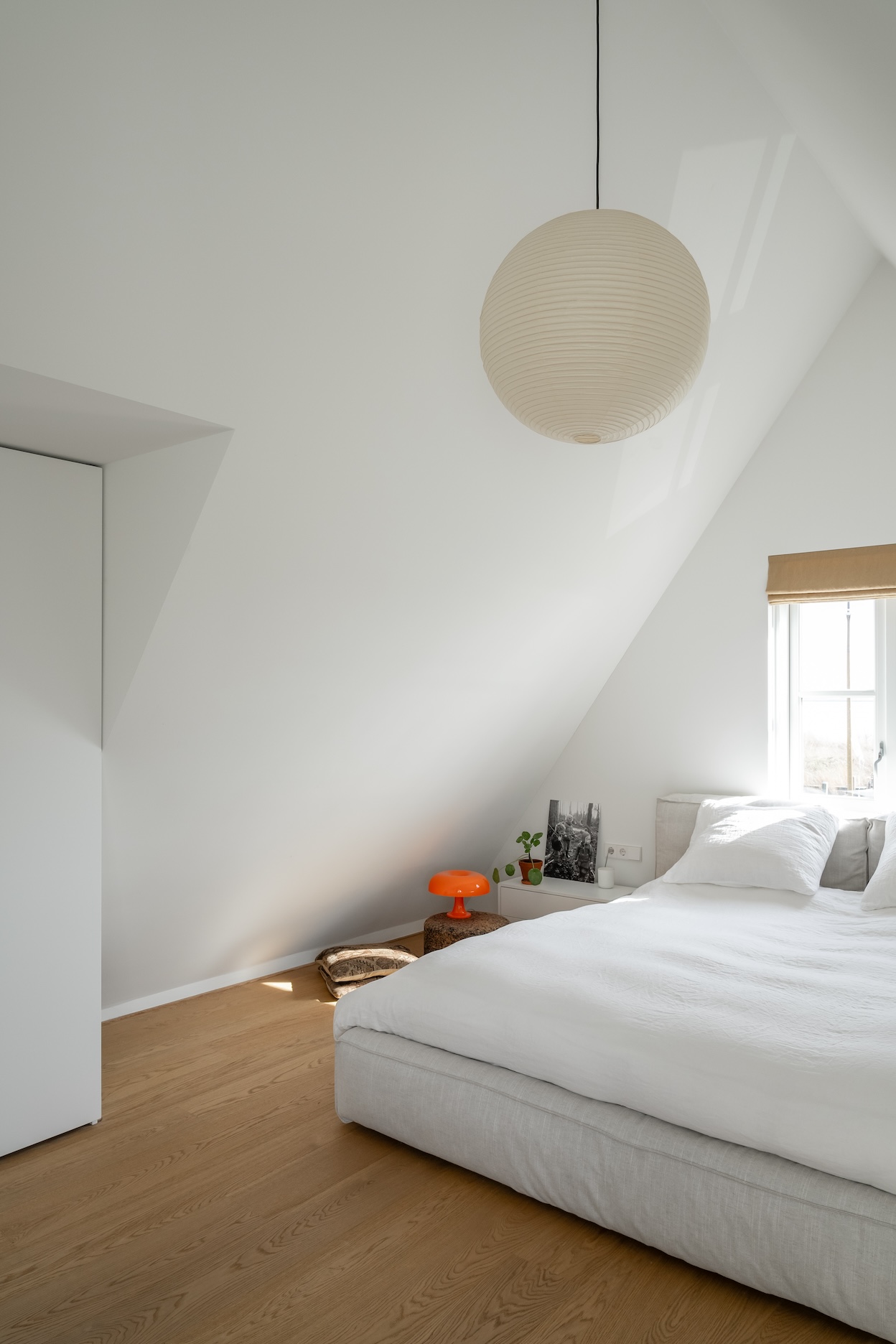
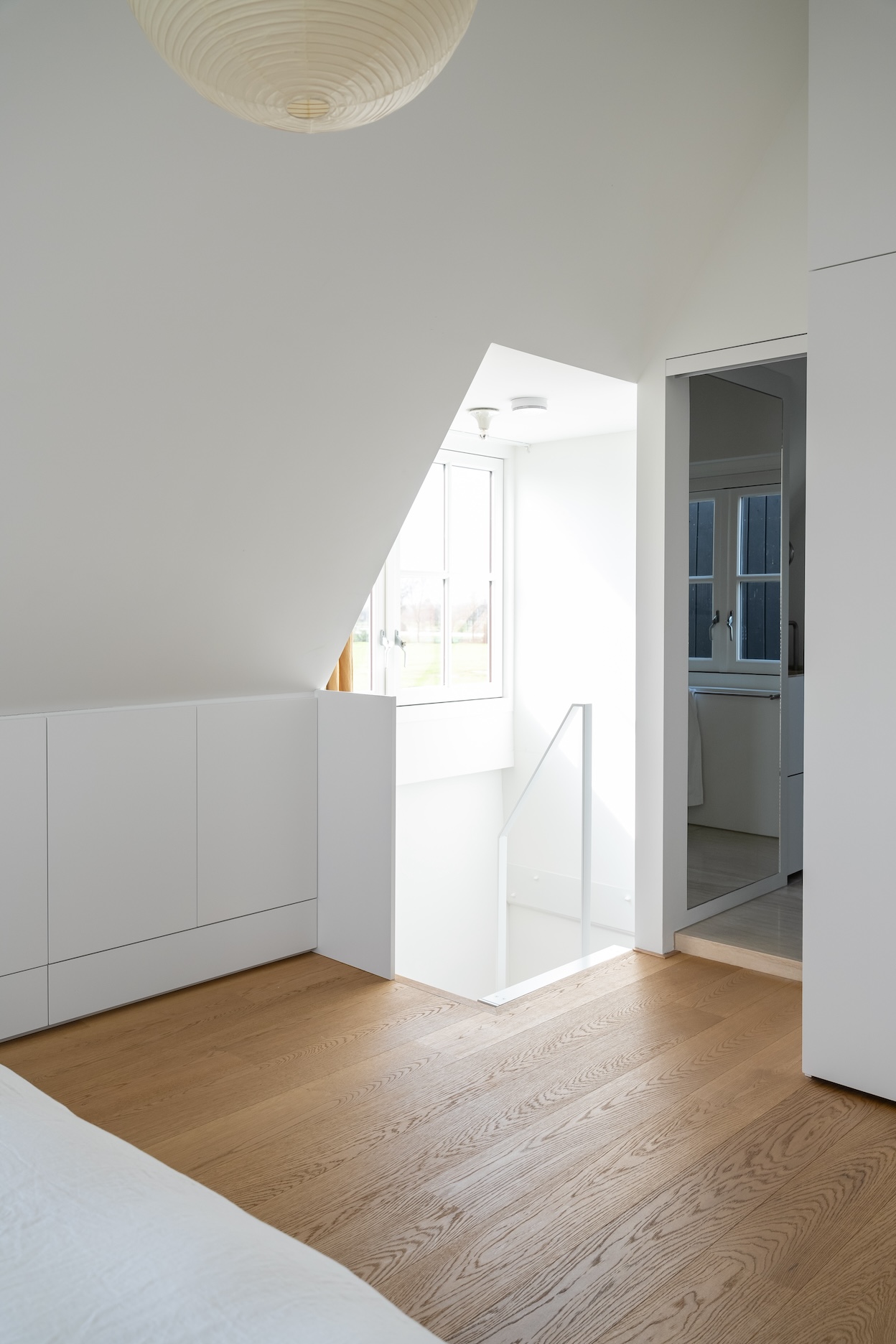
From the living and dining areas to the attic level, the flooring continues throughout, allowing the spaces to transition naturally even as the architecture changes.
The brushed surface and Mandorla tone preserve the authenticity of the oak while adding depth to the white material palette and natural light.
Most notable is the consistency of the detailing — from the floor to corner trims and convector-pit grilles — allowing the material to become a seamless part of the architecture.
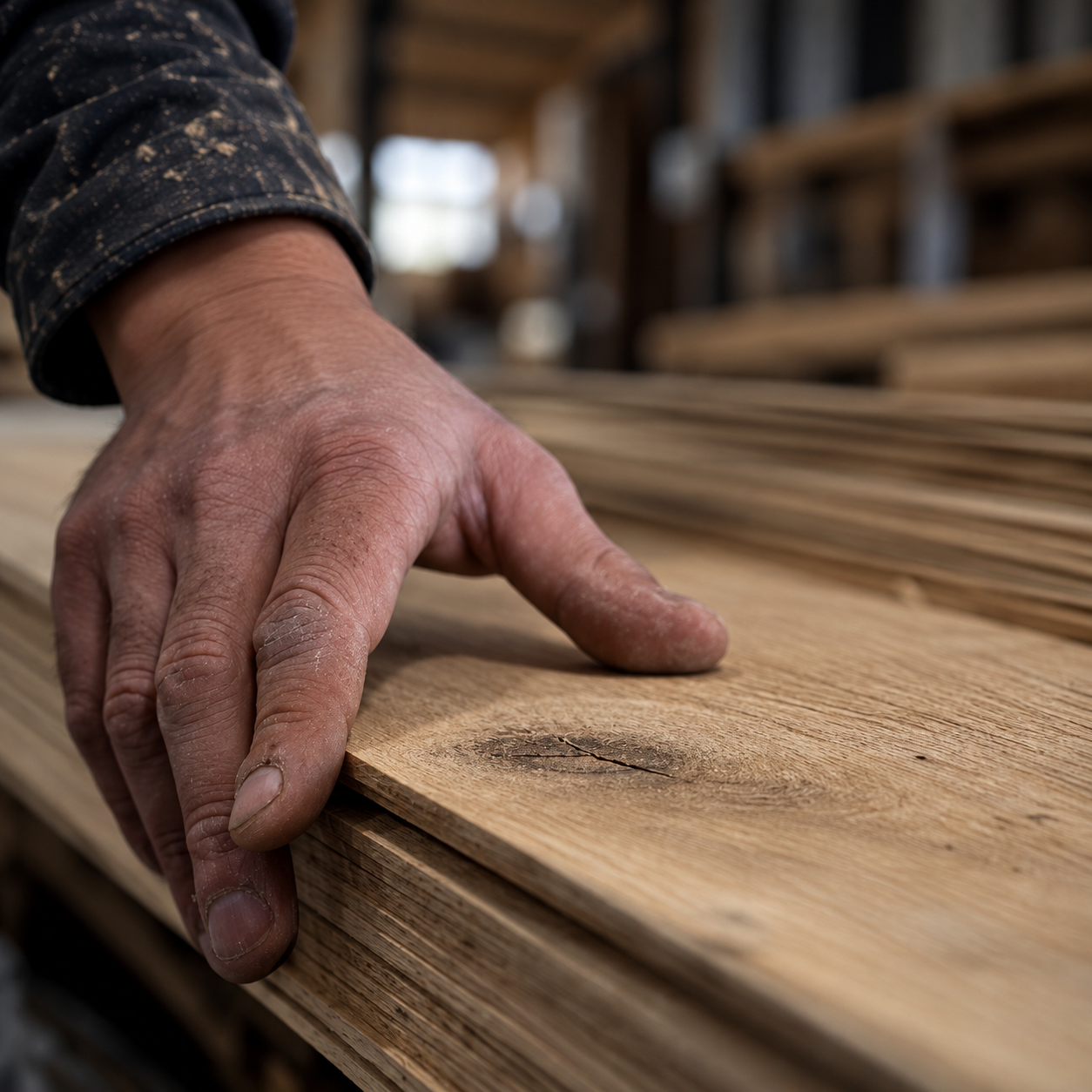
Solid wood flooring is cut from a single piece of timber and is therefore more susceptible to seasonal expansion, contraction, and warping. By contrast, engineered wood flooring uses a layered engineered structure: a natural wood wear layer is stabilized by cross-laminated Birch Plywood, helping control dimensional movement while preserving the authentic character of real wood.
Plank dimensions directly affect spatial perception. NOËL recommends considering the following factors:
Spatial proportion: Larger spaces can accommodate wider planks to reduce visual joints and reinforce scale. Smaller rooms often benefit from medium-width planks for a more balanced composition.
Visual effect: Running planks along the room's length or in the direction of natural light can visually extend the space and enhance a sense of depth.
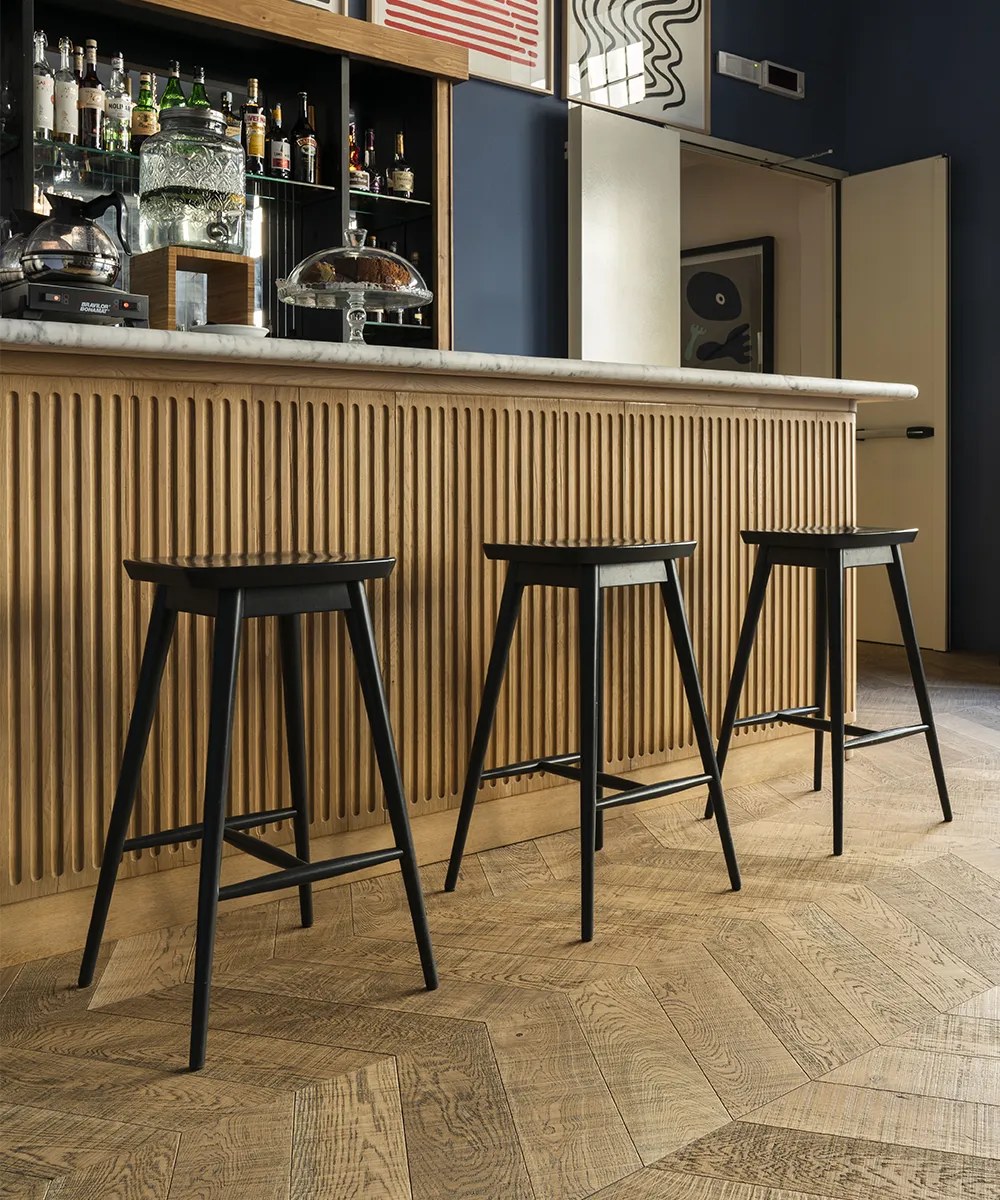
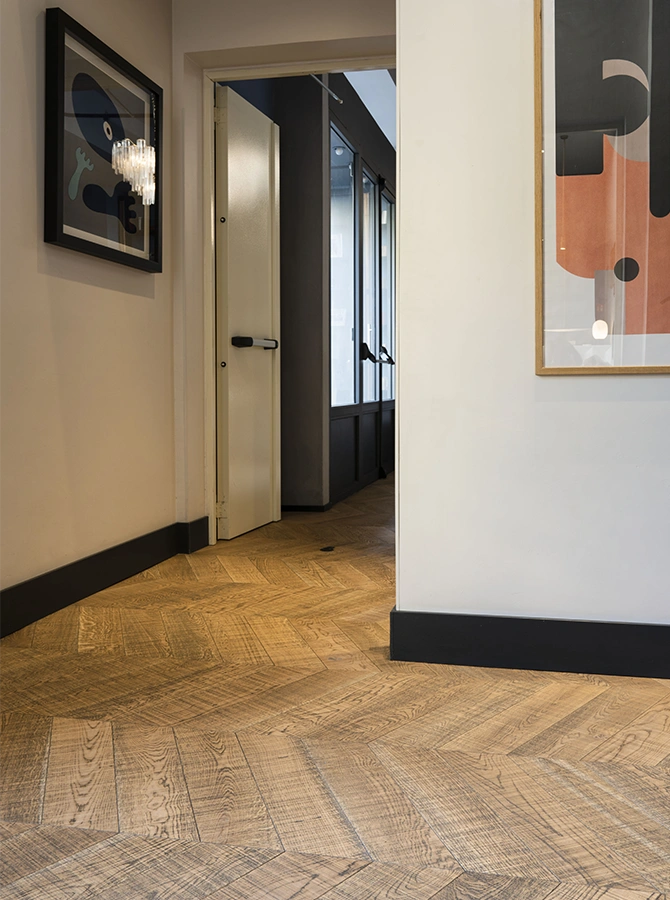
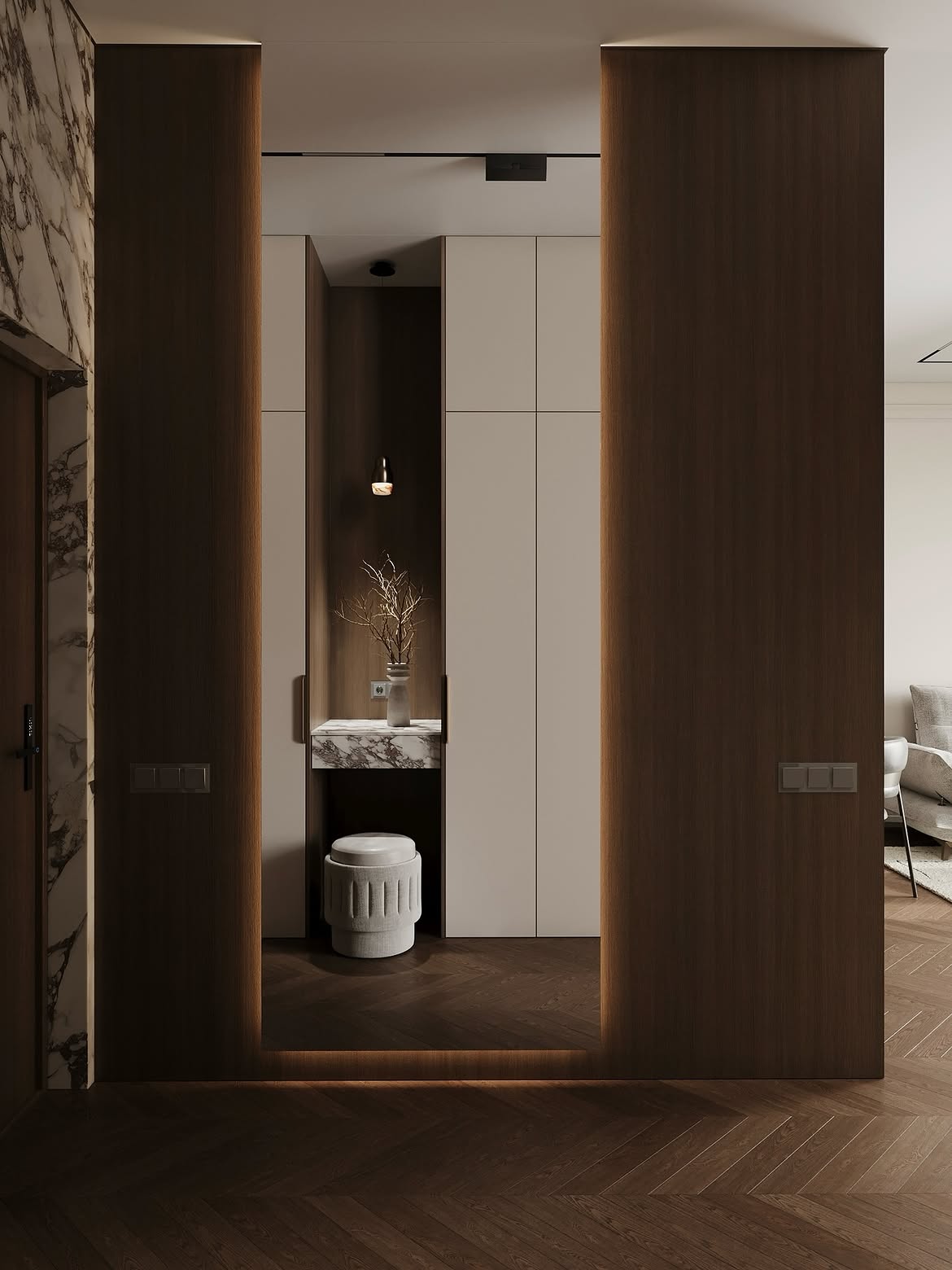
Personal aesthetic: You may choose a traditional straight lay for a restrained expression, or a more graphic pattern such as Herringbone to create a stronger architectural accent.
Installation quality depends on workmanship, subfloor flatness, and the use of appropriate installation materials such as adhesives and underlay. NOËL Parquet follows a process professional installation standard.
Yes. Our technical team can visit the site to take measurements, assess subfloor moisture, and recommend suitable flooring options for the space.
We provide a 12-month warranty for installation-related issues and a 10–25 year product warranty depending on the flooring range. Reported issues are handled within 48 hours. See the warranty policy of NOËL.
Dimensional stability is measured in laboratory conditions according to UNI EN 1910. By using a multilayer Birch Plywood core with a dedicated vinylic adhesive system, engineered wood flooring NOËL flooring maintains strong bending resistance and structural stability under changes in temperature and humidity.
Yes. With even heat transfer, natural flexibility, and the thermal behavior of wood, NOËL flooring can work with underfloor systems while maintaining comfort and dimensional performance.
Kitchen installations are suitable when the protective surface finish is properly maintained. In dry bathroom zones, flooring may be installed when the correct process moisture-control process is followed at wall edges and joints.
An oil finish penetrates into the wood fibers rather than forming a plastic-like film, preserving a more natural tactile quality. The product meets French VOC Label Class A+ for indoor air quality and also allows localized maintenance and restoration.
NOËL states that its adhesives and surface coatings do not use added formaldehyde. Products are specified to meet European Class A+ low-emission requirements for indoor air quality.
Technical test reports document measured performance such as hardness, abrasion resistance, and water resistance, while certifications such as CO/CQ, FSC, and CARB P2 relate to origin, compliance, or sourcing requirements.
Remove dust regularly and clean with a well-wrung damp cloth and a suitable neutral cleaner. Avoid excessive plain water, as mineral residue can dull the protective oil finish.
With an oil-finished, textured wood surface, everyday use can gradually develop a richer patina rather than producing the peeling associated with film-forming finishes.