
 Vietnam (VIE)
 English(ENG)
At an altitude of 3,600 metres, Sunyata Meili was restored over 1,095 days on the foundations of an old structure, with the architecture shaped by the demanding terrain and the surrounding Meili Mountains. Tibetan architectural principles provide the basis for maintaining a close relationship with the natural setting.
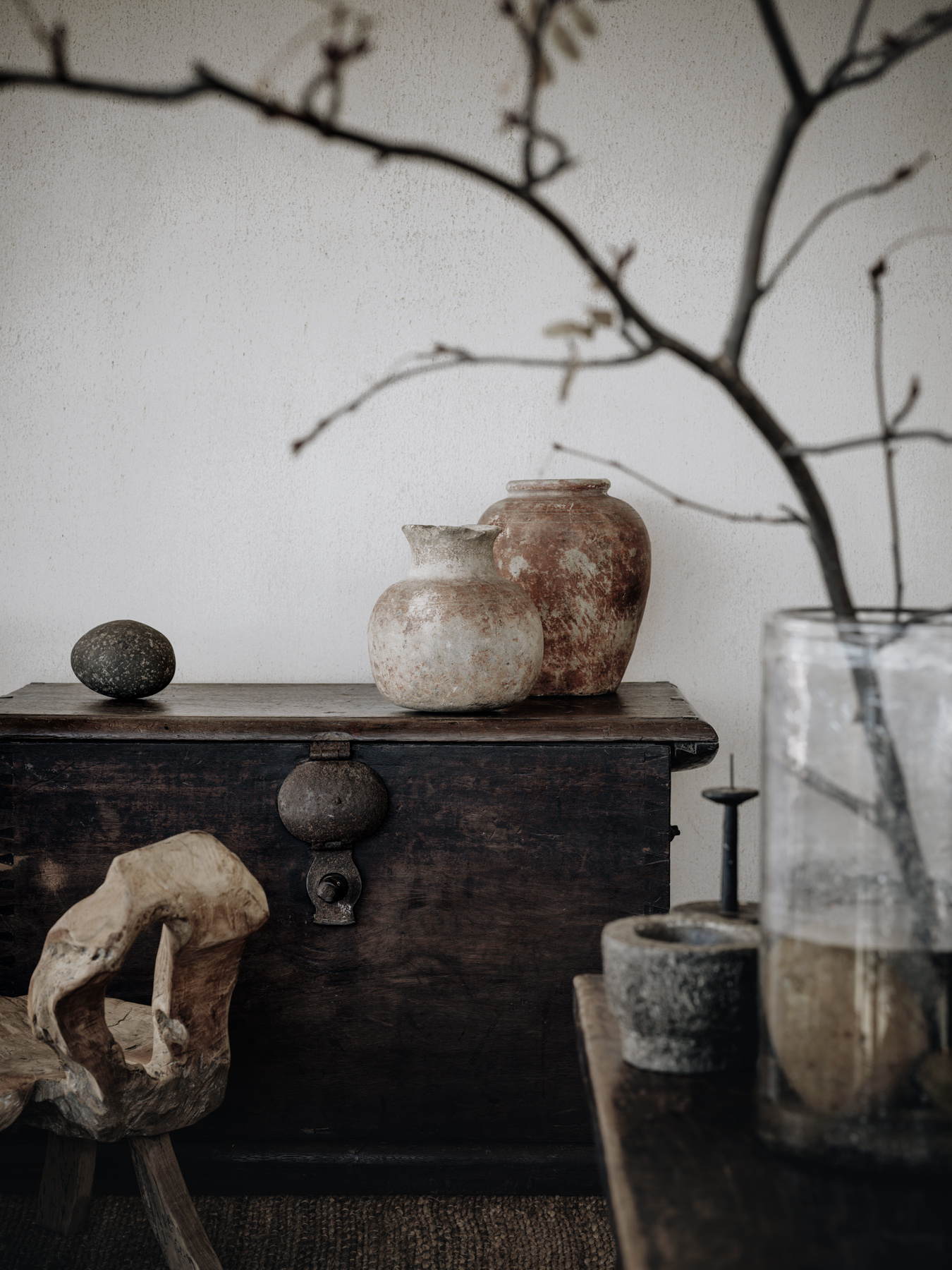
Inside, Zhaoyang Architects develops a Wabi-Sabi sensibility through rammed earth, reclaimed wood and a restrained material palette. Voids are deliberately preserved so that natural light and surfaces marked by age and use can give the interior greater depth.
An interior that finds stillness through original materials and the spaces intentionally left open.
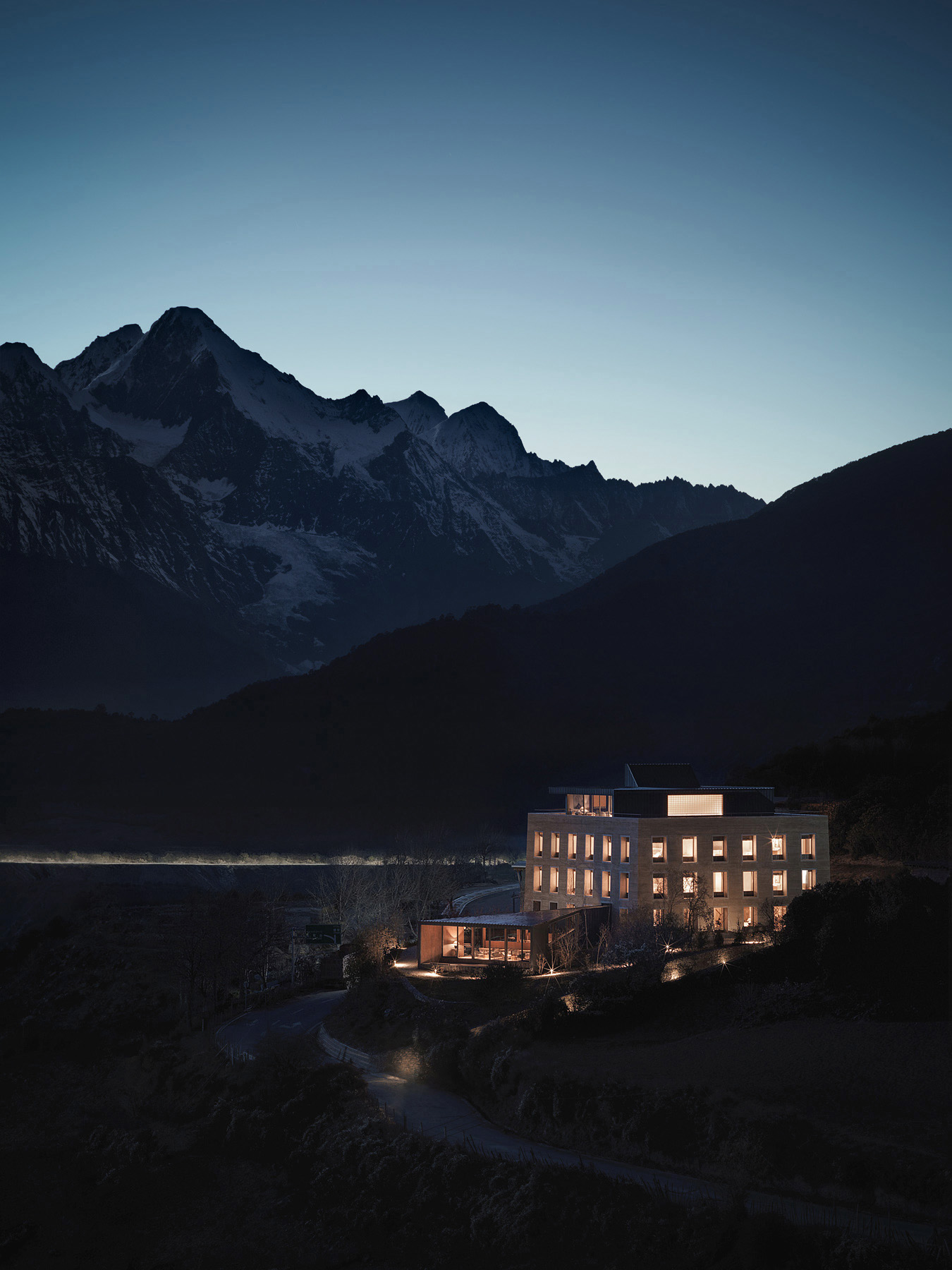
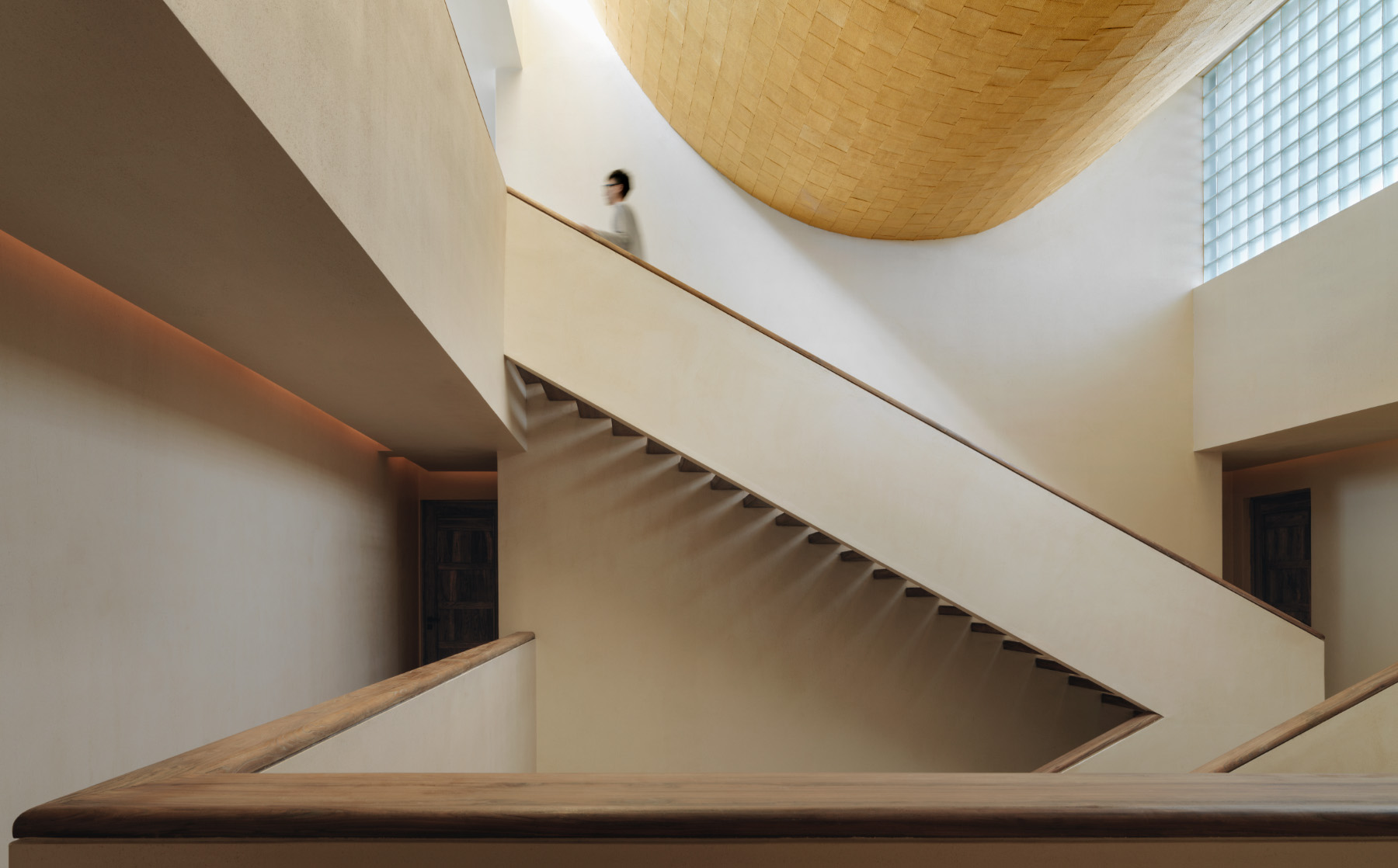
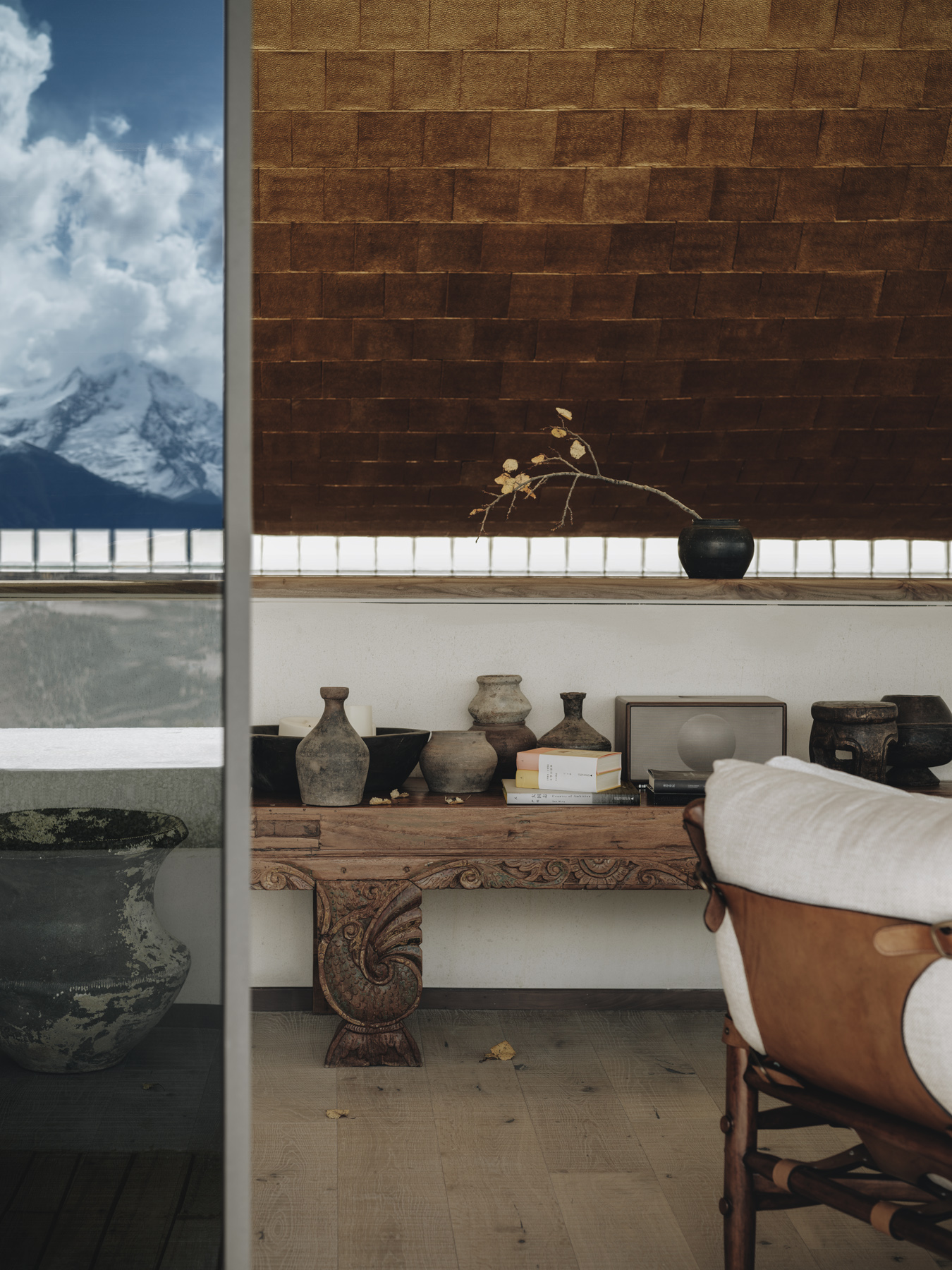
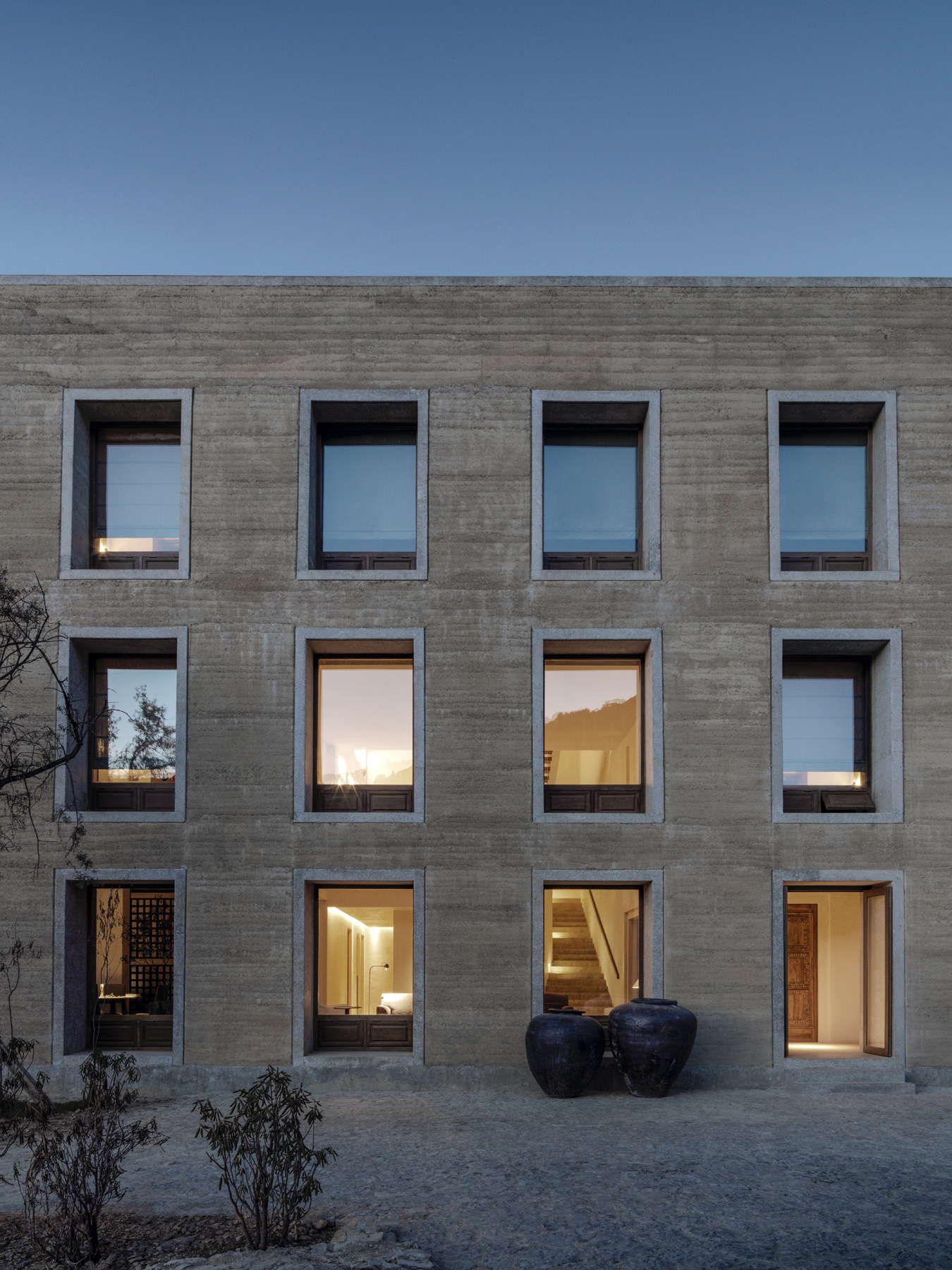
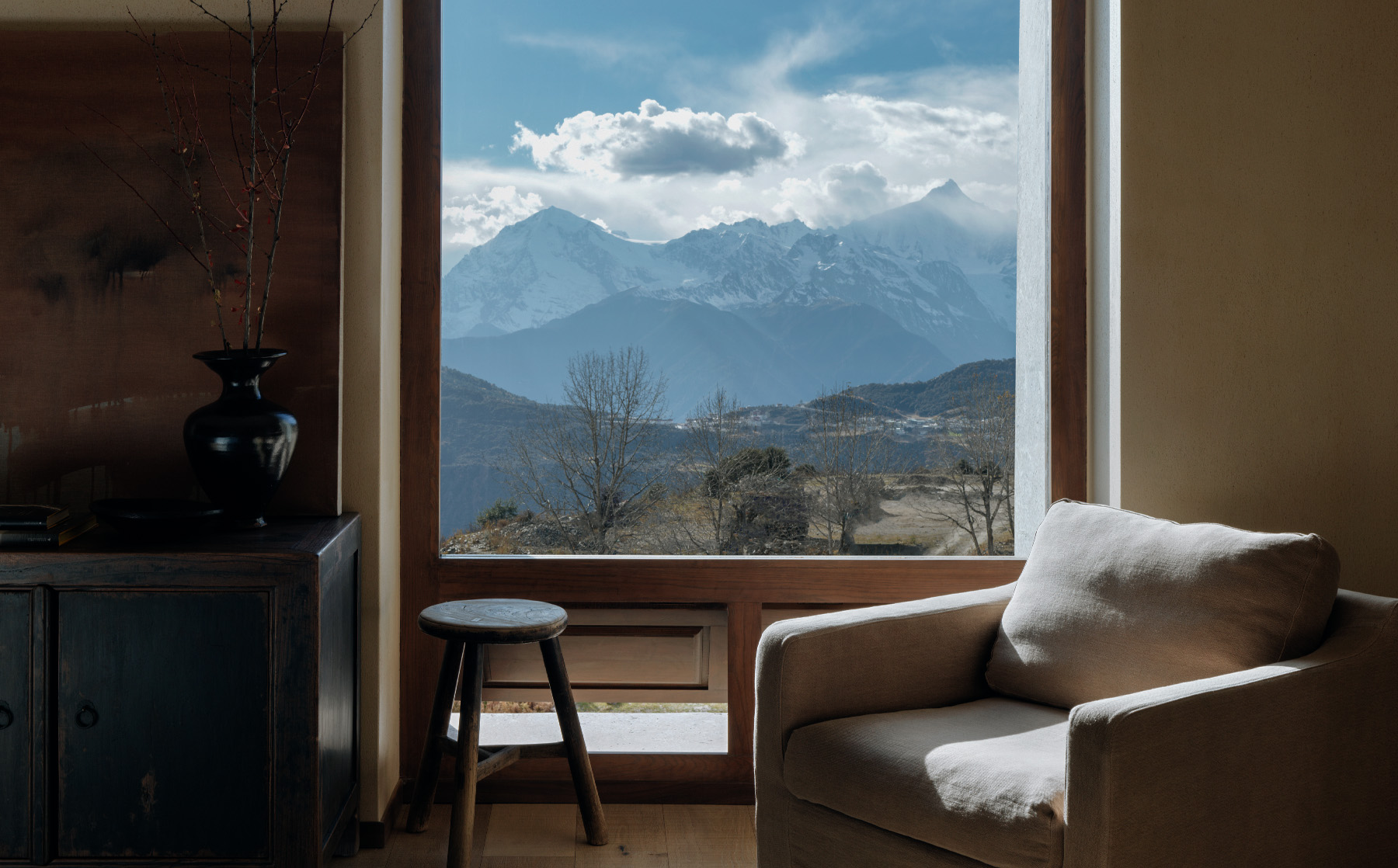
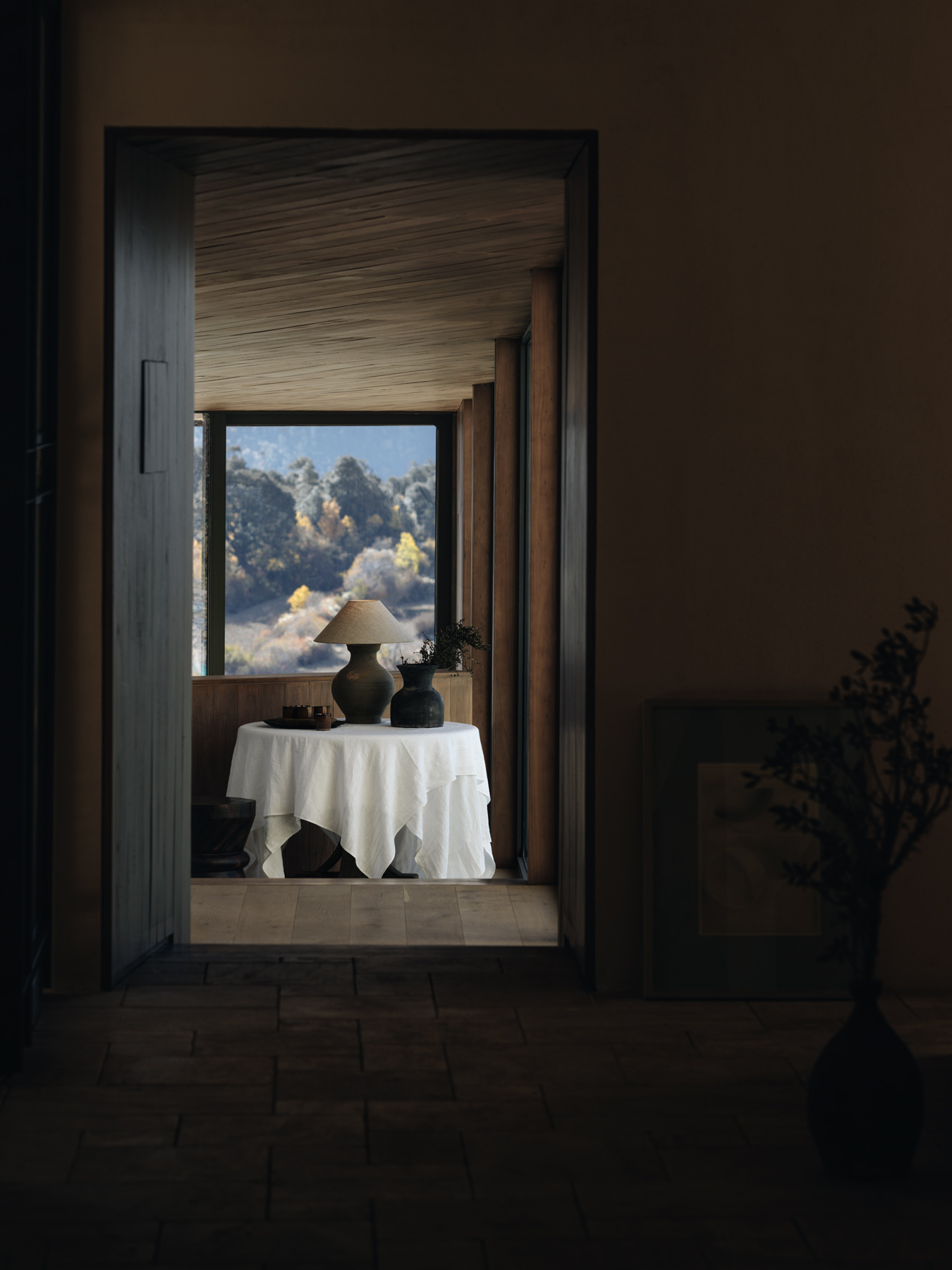

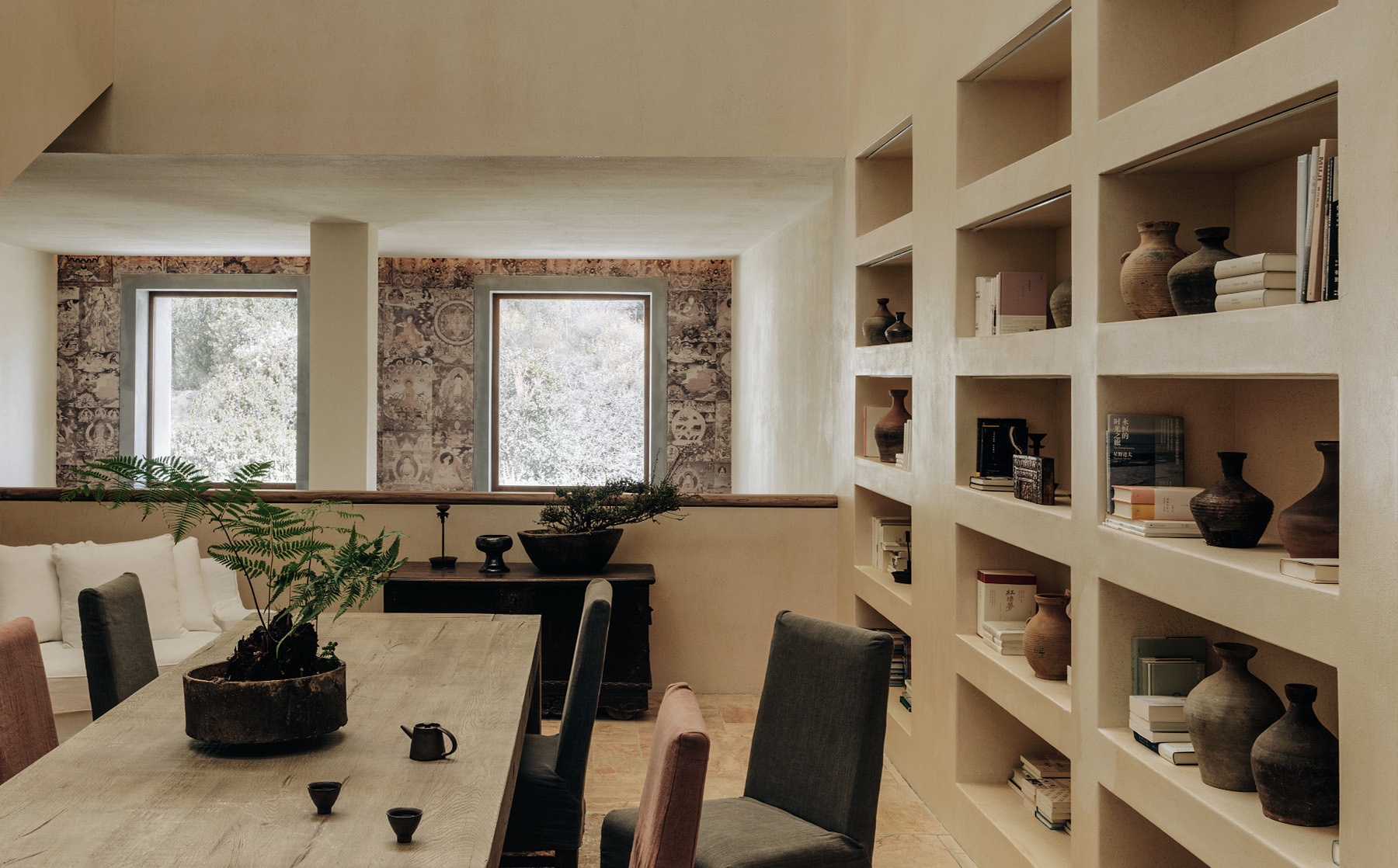
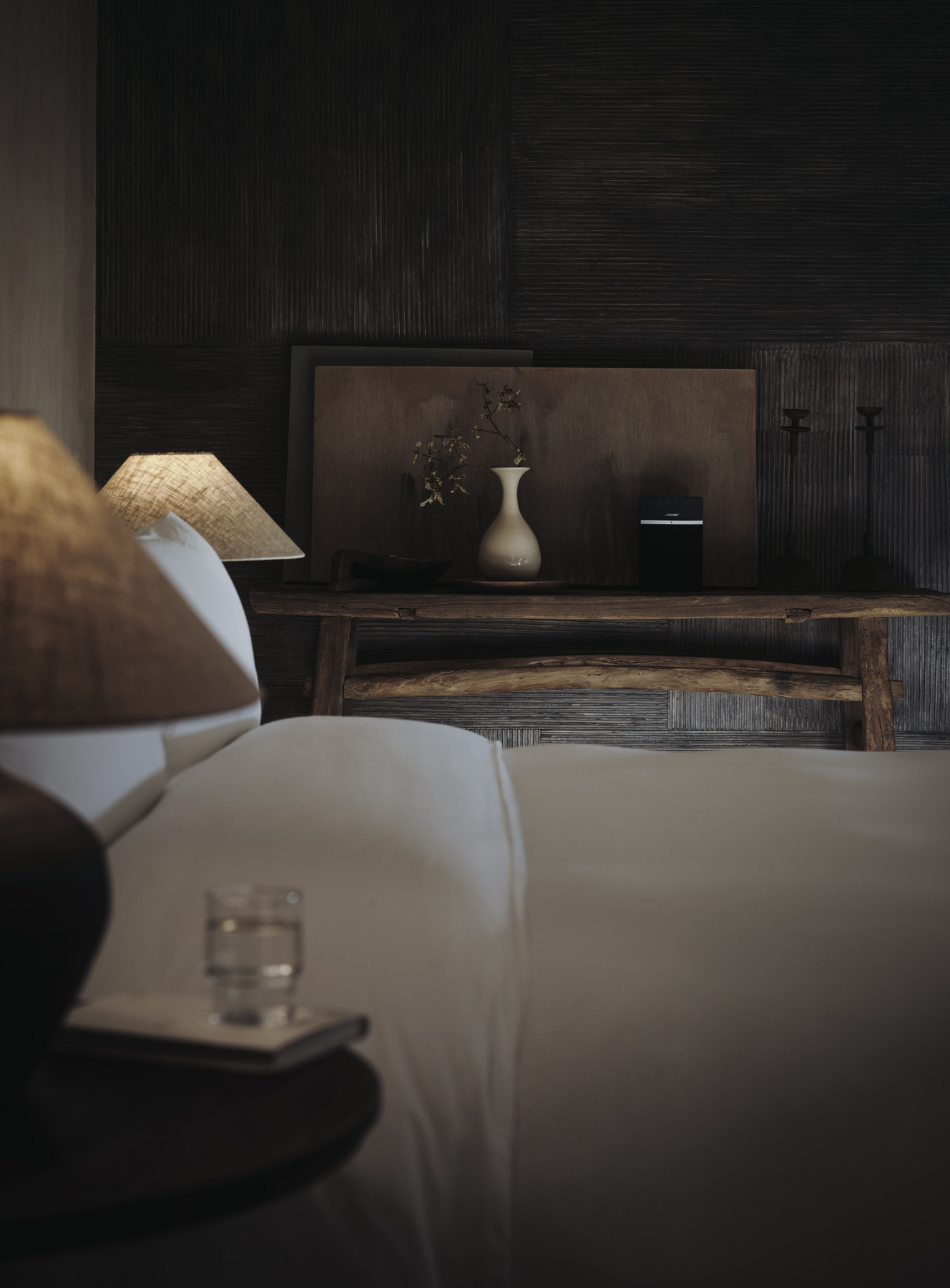
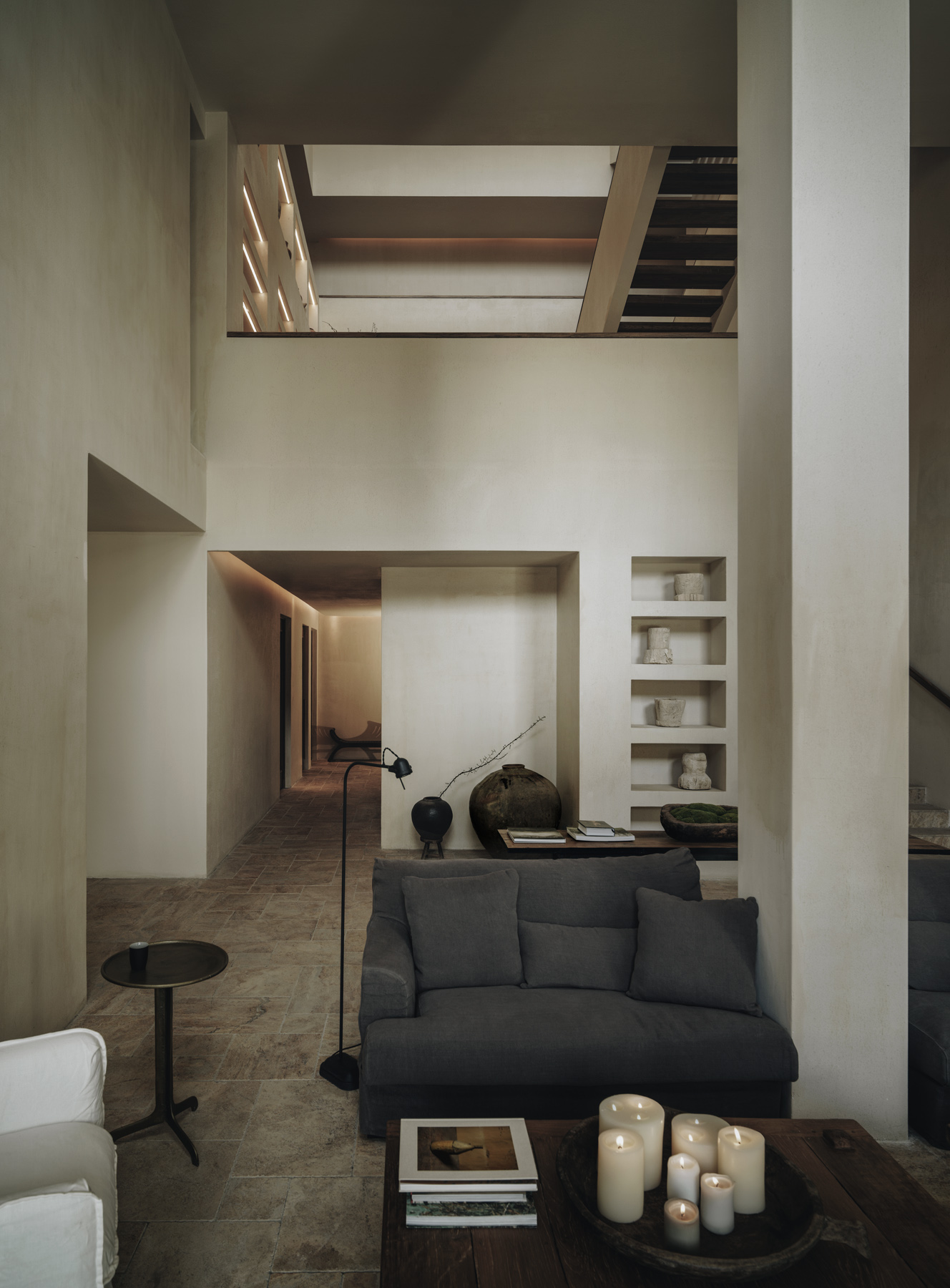
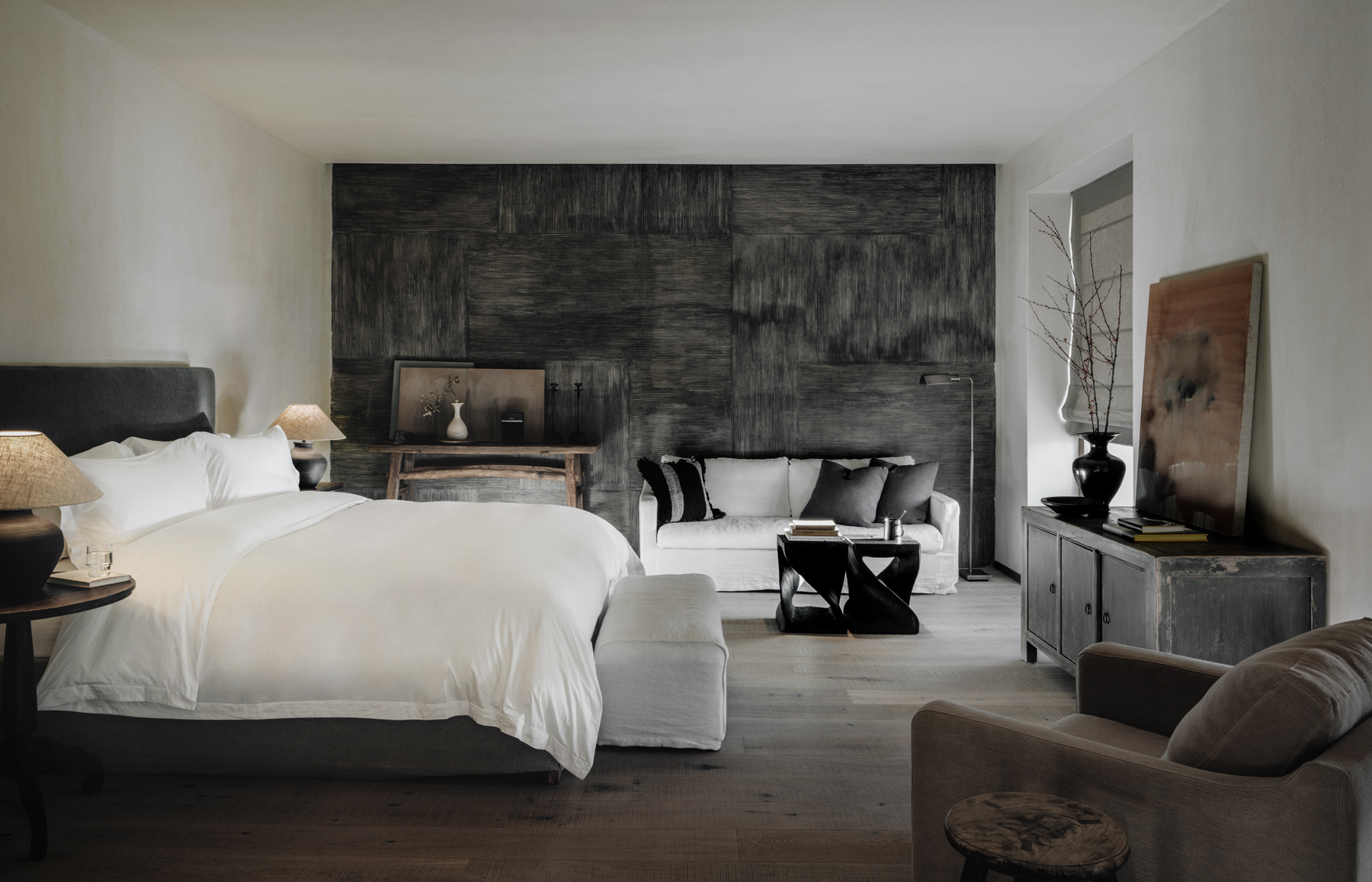
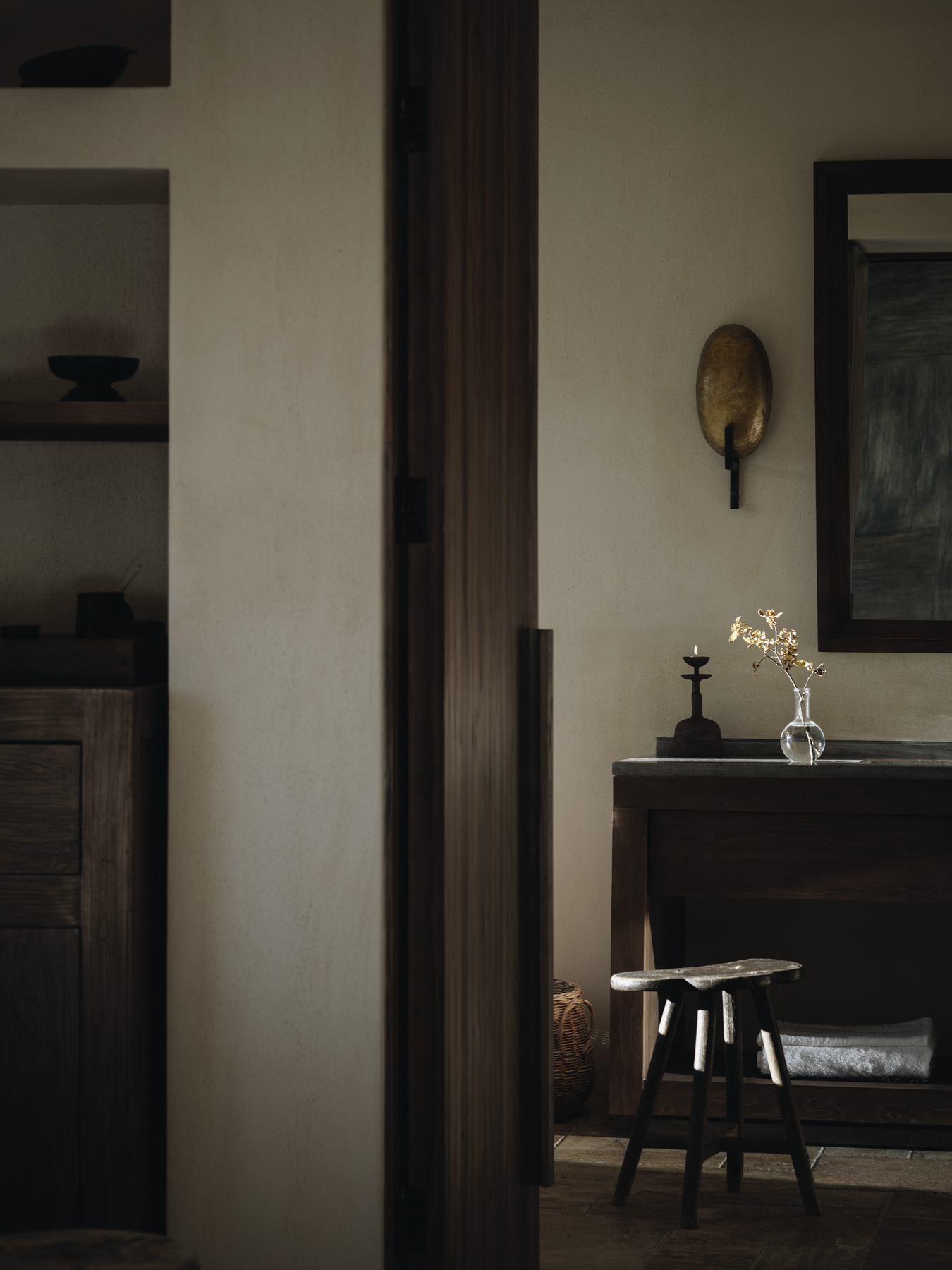
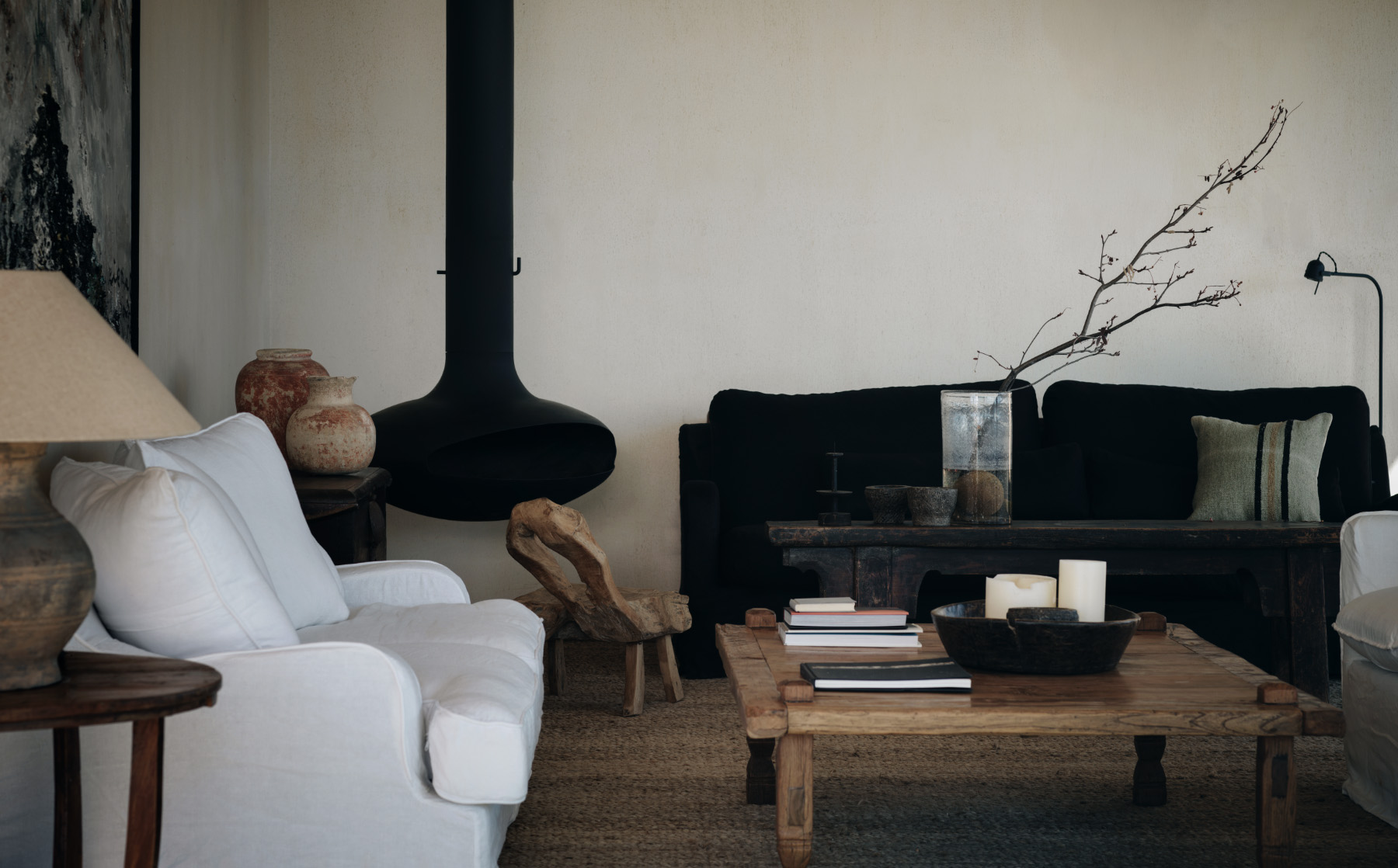
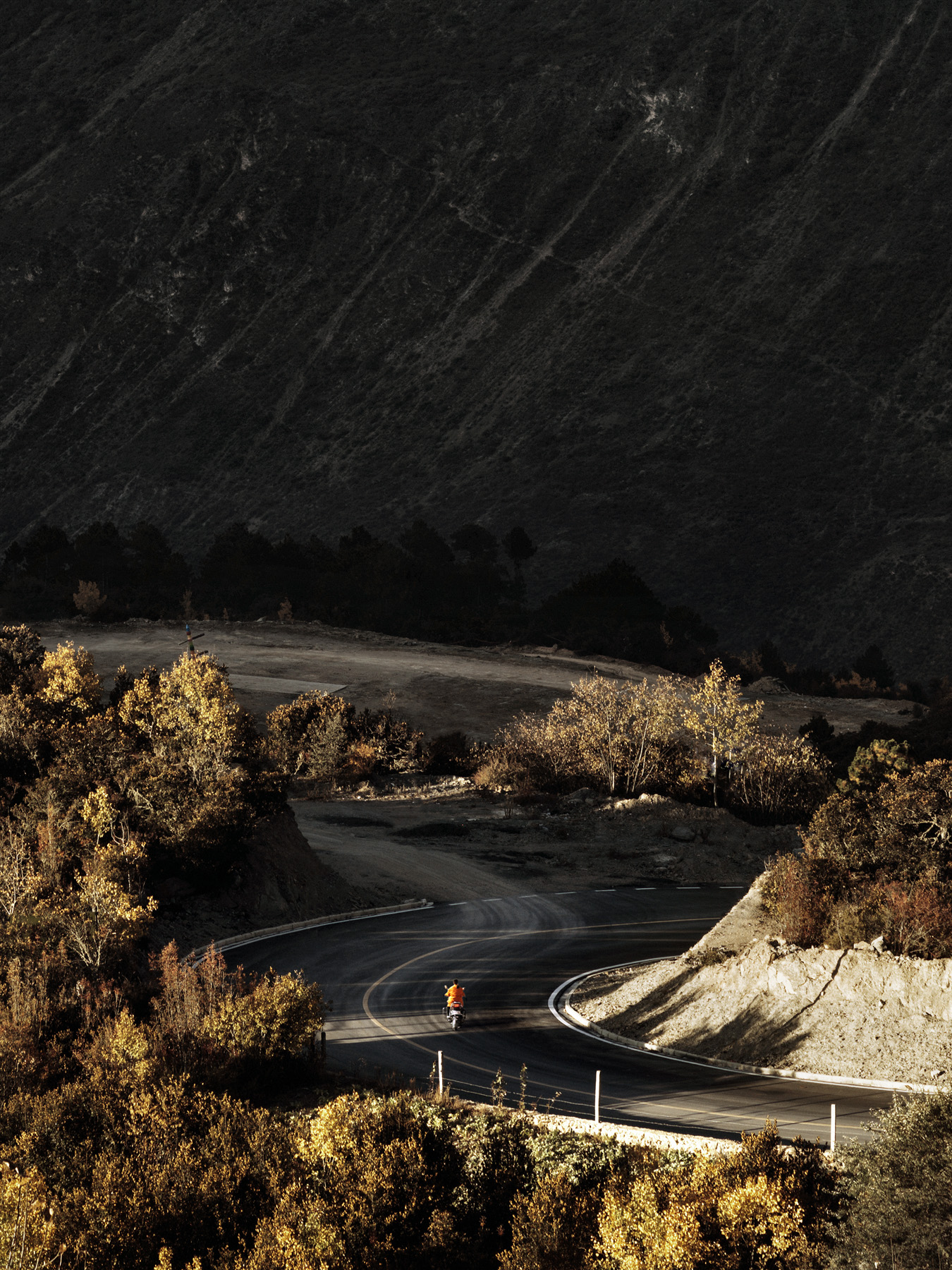
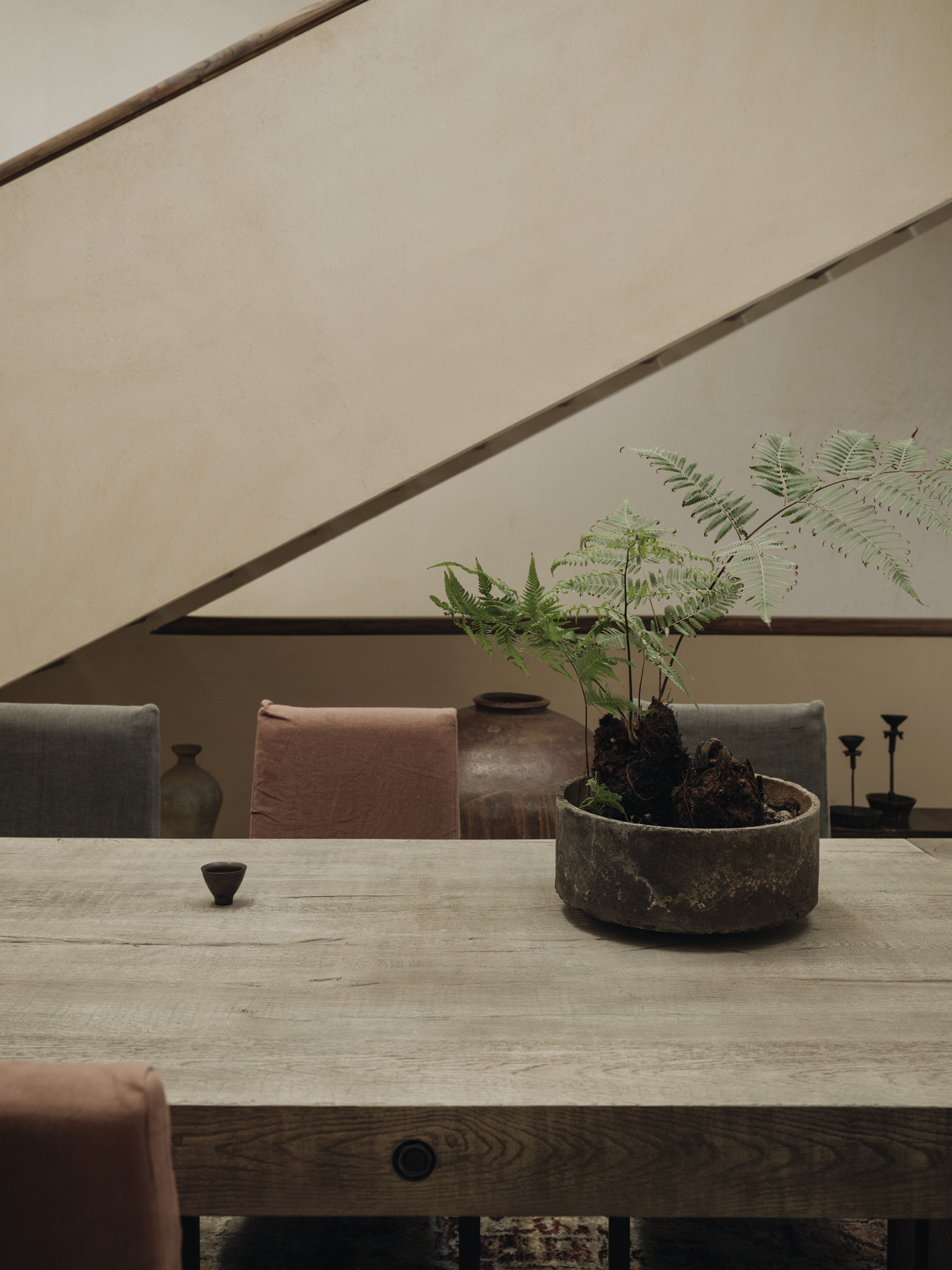

A defining feature is the large gilded arch within the atrium. Its curved form reflects natural light deep into the interior, creating a subtle contrast with the quieter surfaces of earth, wood and stone.
Rather than using materials as decoration, Sunyata Meili allows natural materials to reveal themselves through texture, age and inherent imperfection. This approach preserves the necessary rawness of the architecture while creating a Wabi-Sabi experience suited to the high-mountain landscape.
A sense of stillness shaped by material, light and time.
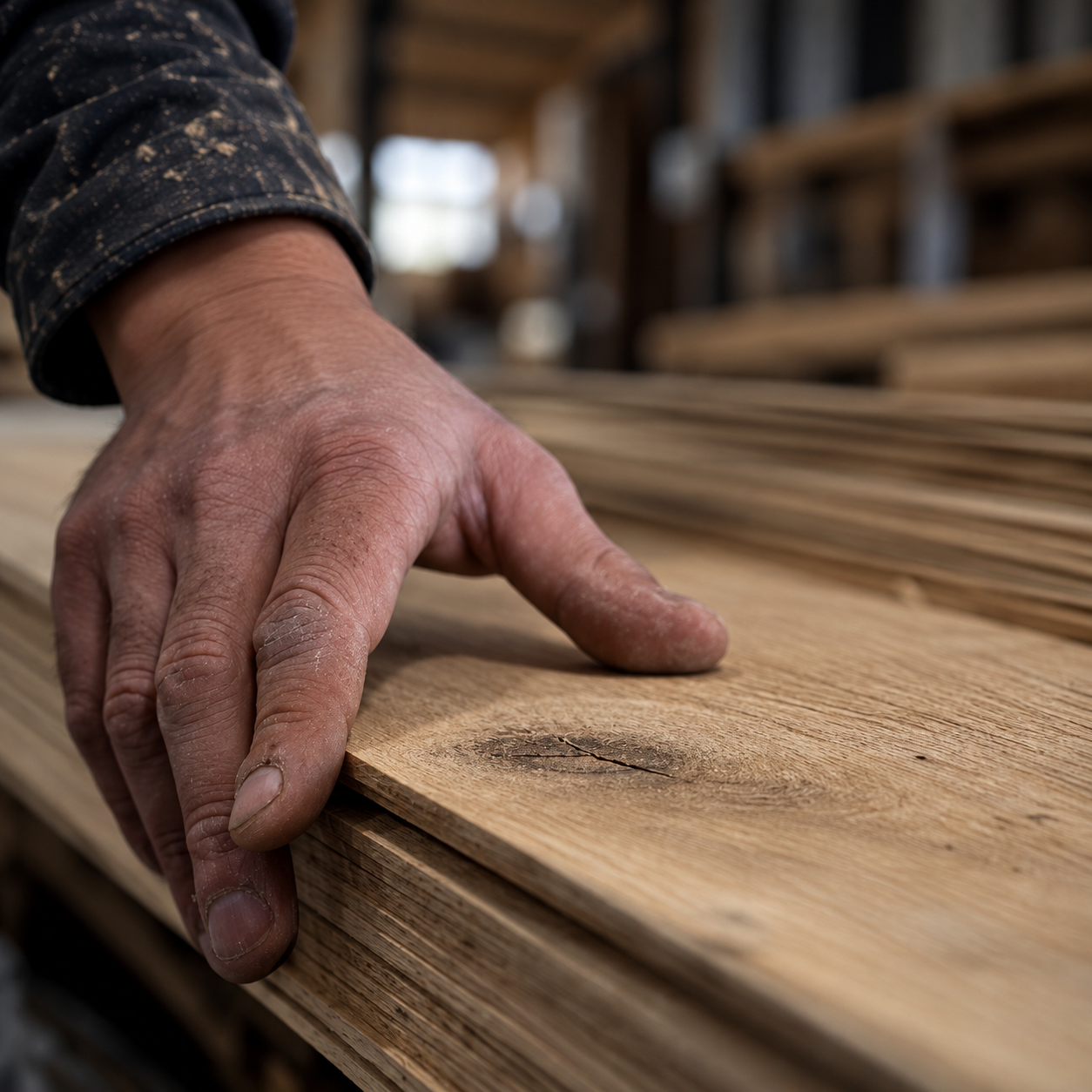
Solid wood flooring is cut from a single piece of timber and can therefore be more susceptible to expansion, contraction and warping as conditions change. By contrast, engineered wood flooring uses a multi-layer construction in which the natural wood surface is stabilised by cross-layered Birch Plywood beneath, helping control dimensional movement while preserving the authentic character of real wood.
Plank dimensions have a direct influence on how a space is perceived. At NOËL, we recommend considering the following factors:
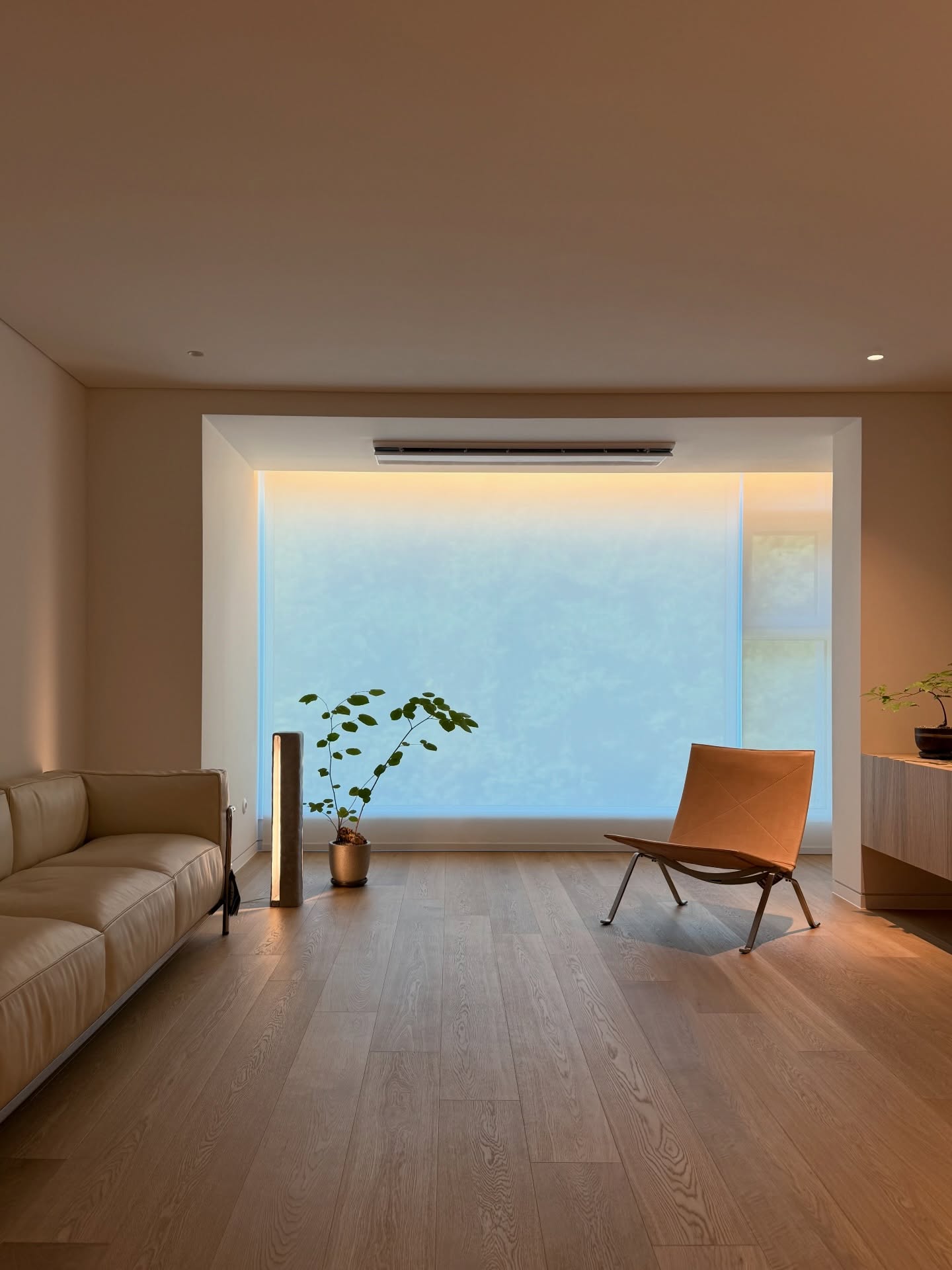
Spatial Proportion: Larger spaces can accommodate wider boards, reducing the number of visible joints and reinforcing a more expansive sense of scale. Smaller spaces often benefit from more moderate board widths for a balanced composition.
Visual Effect: Laying boards along the length of a room or in the direction of natural light can visually extend the space and create a greater sense of depth.
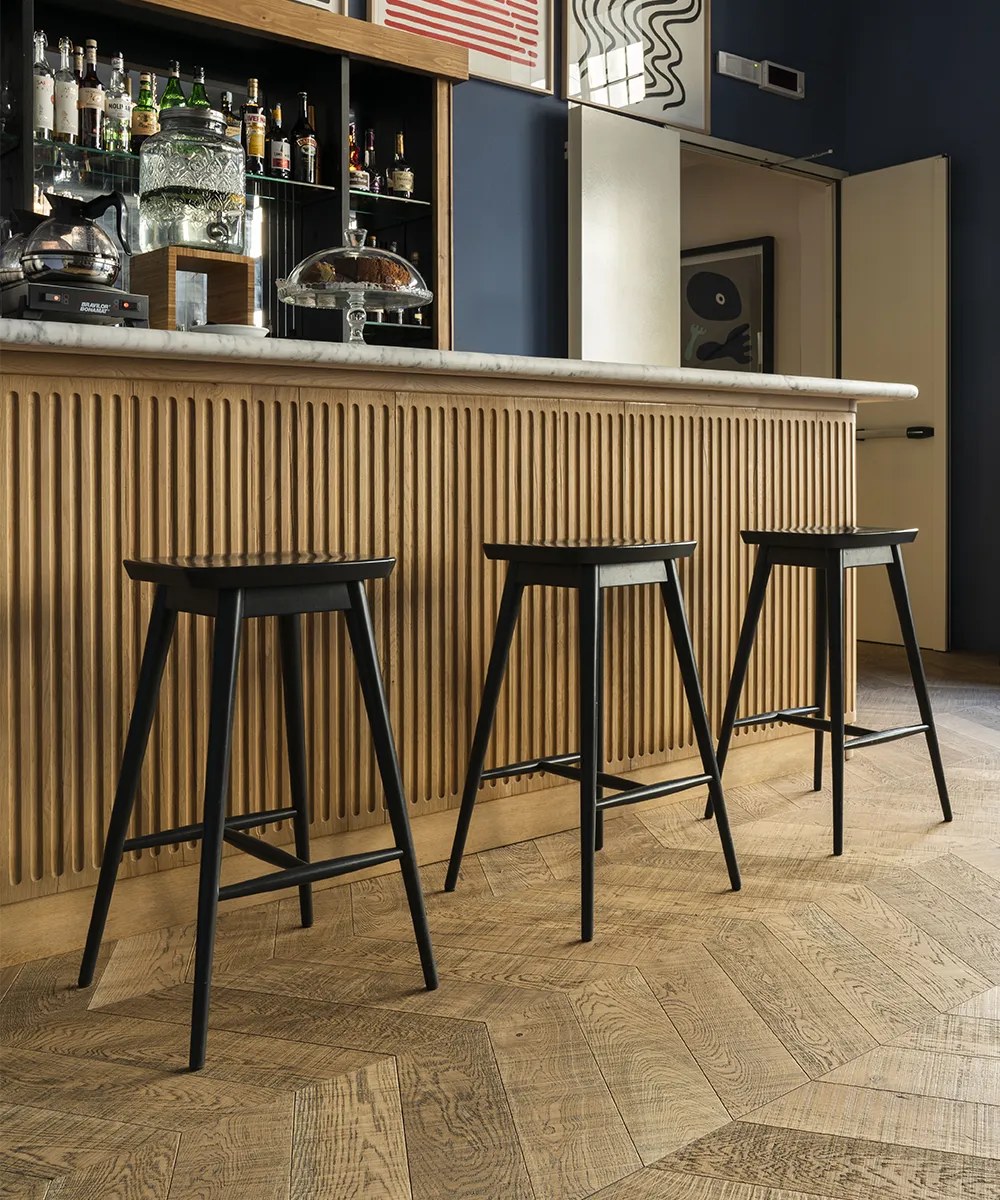
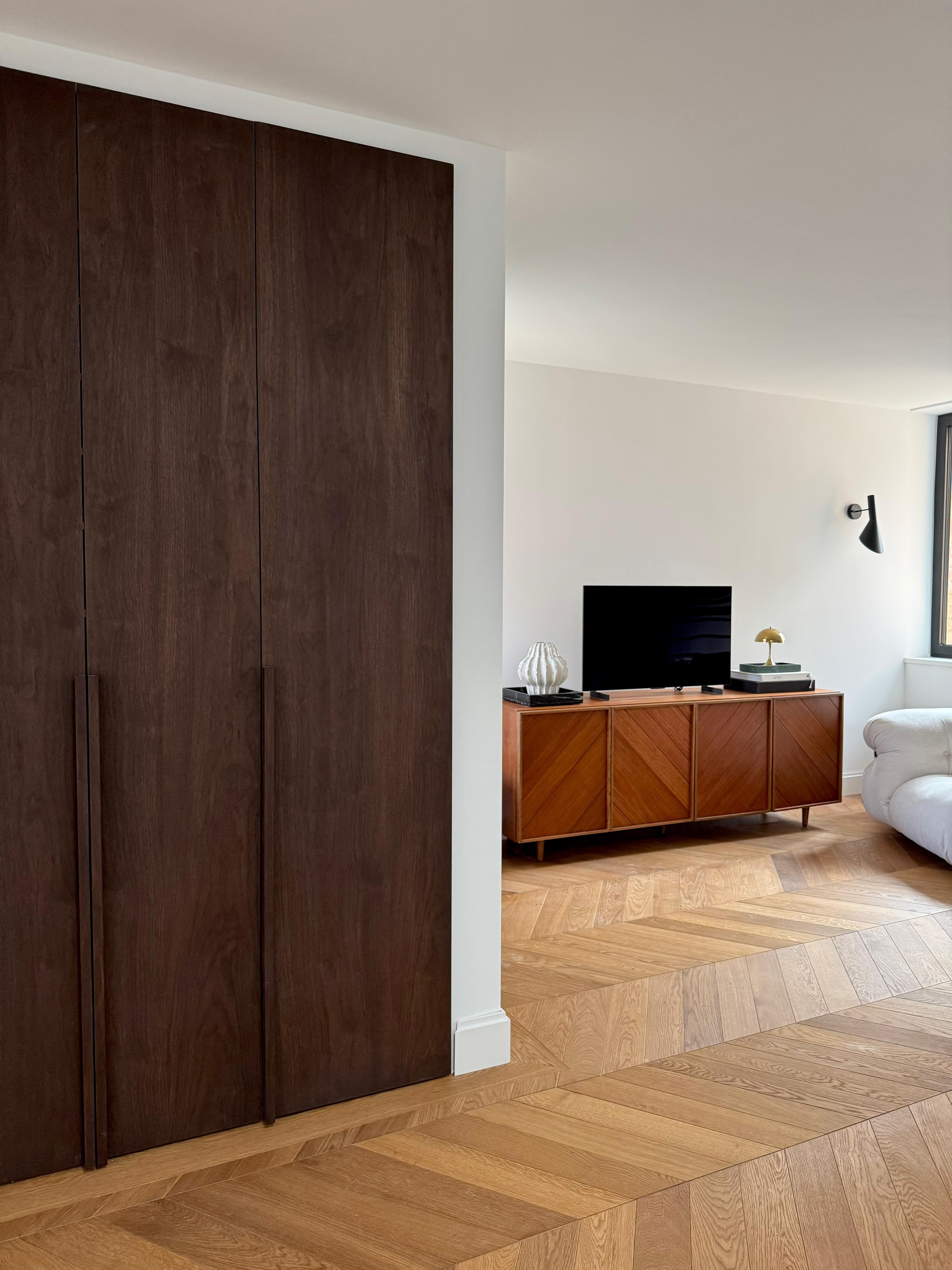
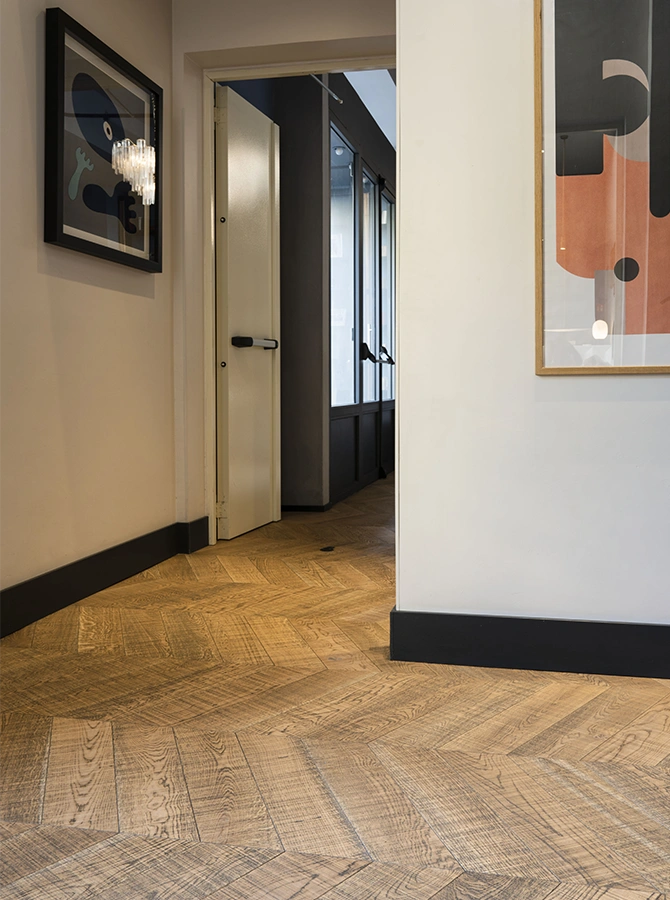
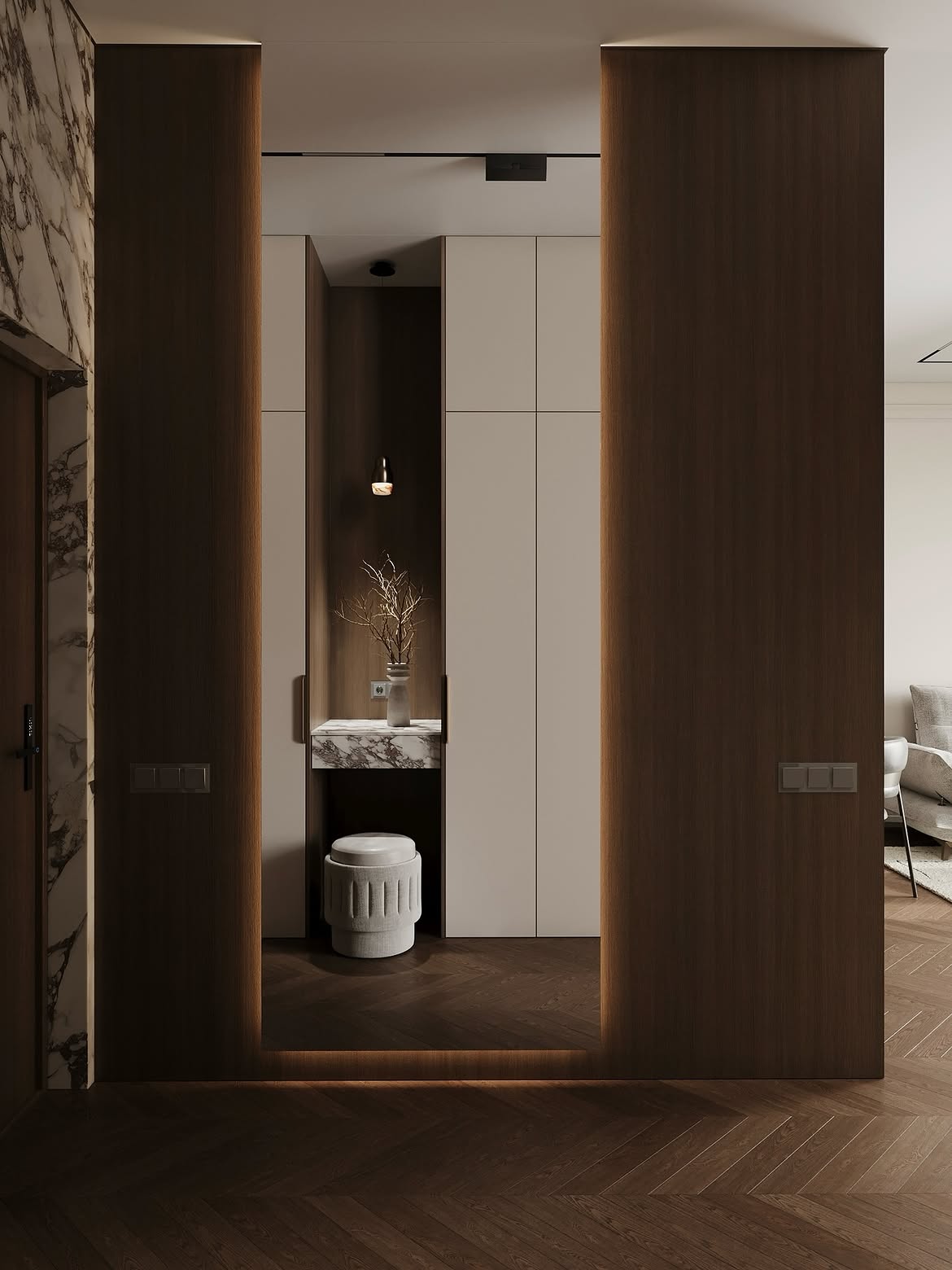
Personal Aesthetic: You may choose a traditional straight-lay pattern for a restrained expression, or a more graphic pattern such as Herringbone to create a distinctive architectural rhythm.
Installation quality depends on workmanship, subfloor flatness and the use of appropriate installation materials such as adhesives and underlay. NOËL Parquet follows a process designed to support professional installation standards.
Yes. NOËL’s technical team can visit the site to measure the space, check subfloor moisture and advise on suitable product specifications.
NOËL provides a 12-month warranty for installation-related issues and a 10–25 year product warranty depending on the flooring line. Reported issues are handled within 48 hours. Learn more about our warranty policy from NOËL.
Dimensional stability is measured in laboratory conditions according to UNI EN 1910. By using a multi-layer Birch Plywood core with a dedicated vinylic adhesive system, engineered wood flooring NOËL flooring is designed to resist bending forces and maintain structural stability as temperature and humidity conditions change.
Yes. The source specifies NOËL flooring as suitable for underfloor heating and cooling systems, supported by the natural thermal behaviour and dimensional performance of the engineered construction.
The source specifies that kitchens are suitable where the protective surface finish is maintained. In dry bathroom zones, installation is possible when the appropriate process wall-edge moisture protection and specialised joint waterproofing procedures are followed.
The oil finish penetrates into the wood fibres rather than forming a plastic-like film over the surface, helping preserve a more natural tactile quality. The product is stated to meet French VOC Label Class A+ for indoor-air safety and allows localised restoration and maintenance.
The source states that NOËL does not use adhesives or surface coatings containing formaldehyde and that its products meet European Class A+ requirements for very low emissions.
Technical test reports document measured physical and mechanical properties such as hardness, abrasion resistance and water resistance. Certifications such as CO/CQ, FSC and CARB P2 relate to origin, compliance or responsible sourcing requirements.
Remove dust regularly and clean with a well-wrung damp cloth together with a suitable neutral cleaning solution. Avoid leaving excess water on the surface, as mineral residue can affect the appearance of the protective oil finish.
With an oil-finished surface and textured wood treatment, everyday use can gradually develop a natural patina, giving the material a deeper and warmer appearance over time.