

Language

Background

TYPES OF WOOD FLOORING

Understanding the Material Before You Choose

Natural Wood, Laminate and Engineered Wood Flooring: Which Is Right for Your Space?

Each flooring type reflects a different approach to material. Understanding the differences in construction, value and intended use makes it easier to choose an option suited to each living space.

A beautiful wood surface is defined by more than colour or grain. Its value also lies in how it is made, how it responds to the environment and how well it performs over years of use. This is why projects focused on material experience look beyond the appearance of a floorboard.

Today, three common flooring groups include natural wood flooring (Solid Wood), laminate flooring and engineered wood flooring. Each is developed to address different aesthetic, performance and installation requirements. Rather than asking which is universally better, the more useful question is which material best suits the context of a particular project.

Each Flooring Type Reflects a Different Approach to Material

Although all three draw on the visual language of wood, they are built around different material philosophies. One preserves the original substance of natural wood, another prioritises production efficiency, while another seeks to balance authentic material character with the demands of contemporary use.

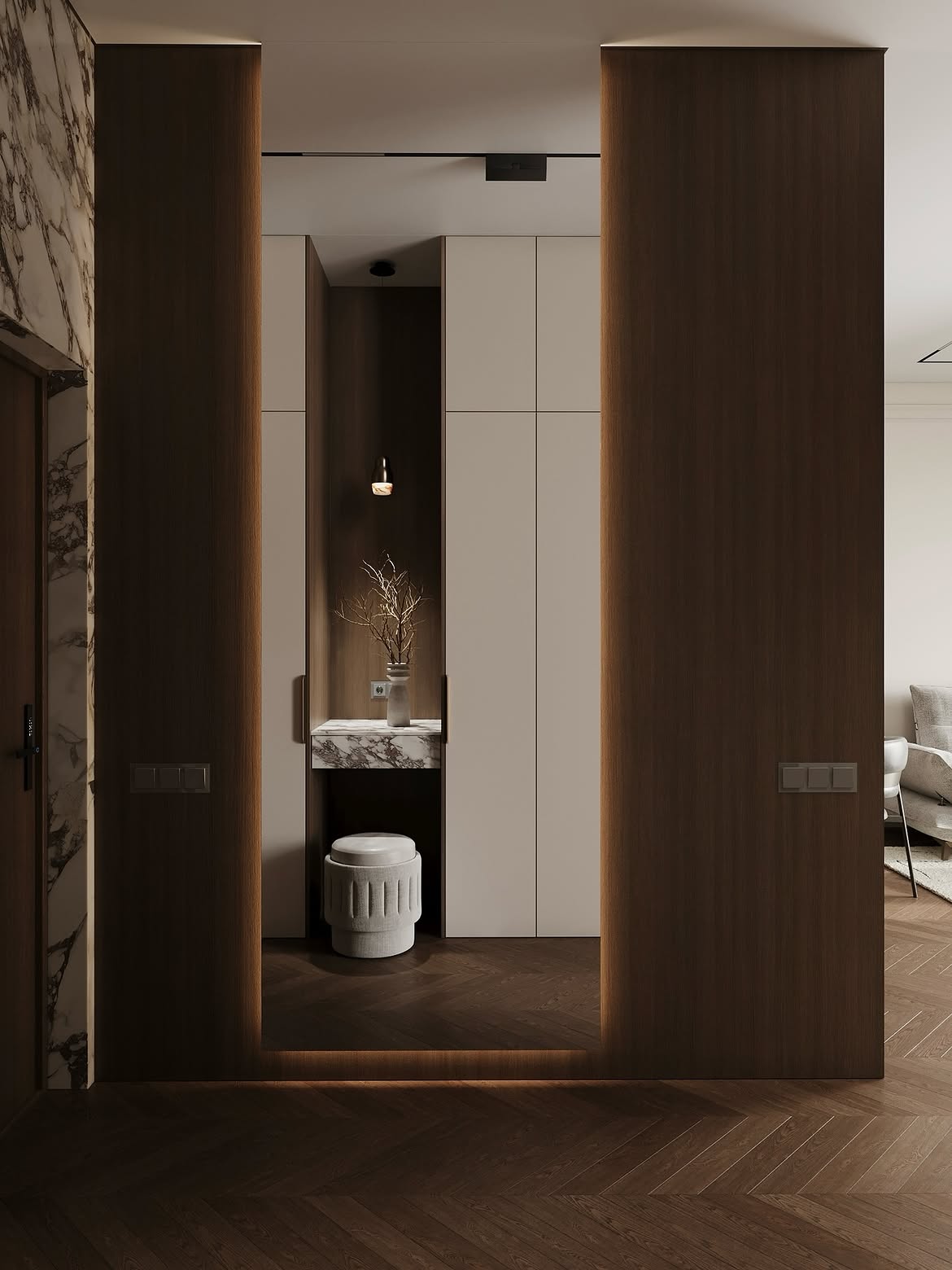
Natural wood flooring is made from solid wood, preserving almost the entire natural structure of the material. It suits projects that prioritise authenticity and the distinctive character of each grain.

Laminate flooring is developed for production efficiency and broad everyday use. Its layered construction and printed wood-look surface provide consistency and cost efficiency across many interior applications.

By contrast, engineered wood flooring combines a natural wood top layer with an engineered core designed to improve stability. This approach does not replace the value of natural wood; it extends that material character into a broader range of environments, from homes to commercial and hospitality spaces.
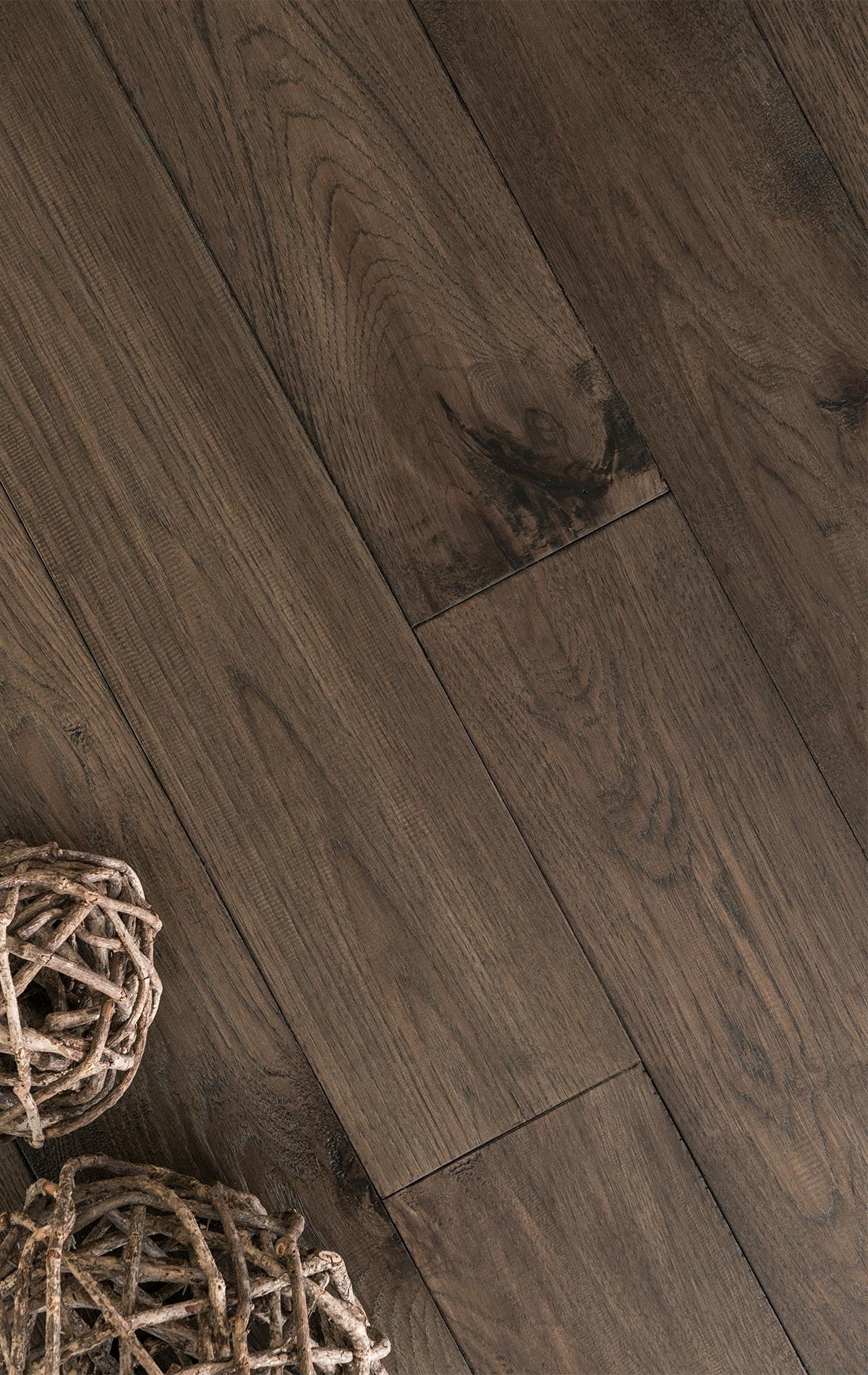
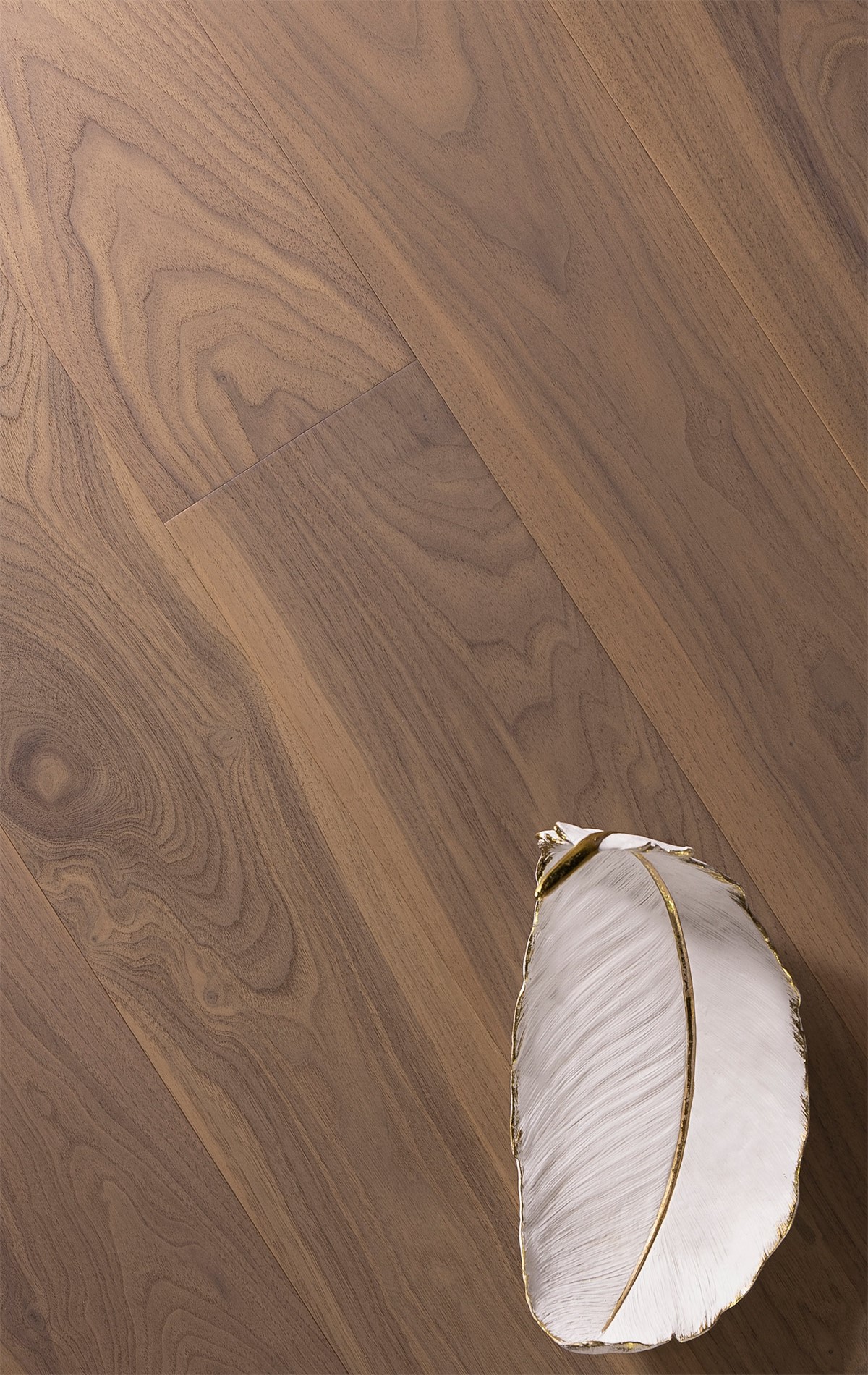
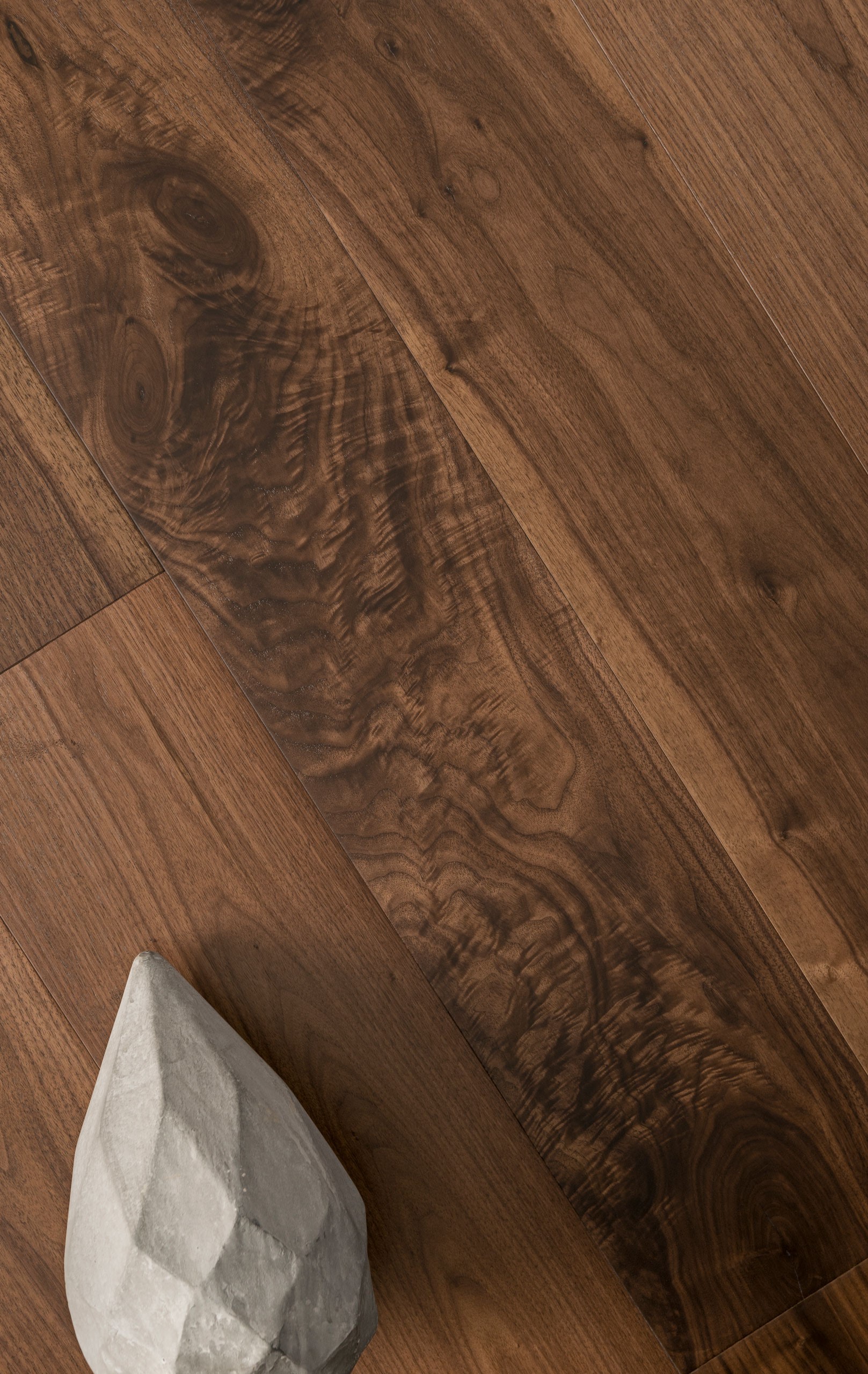
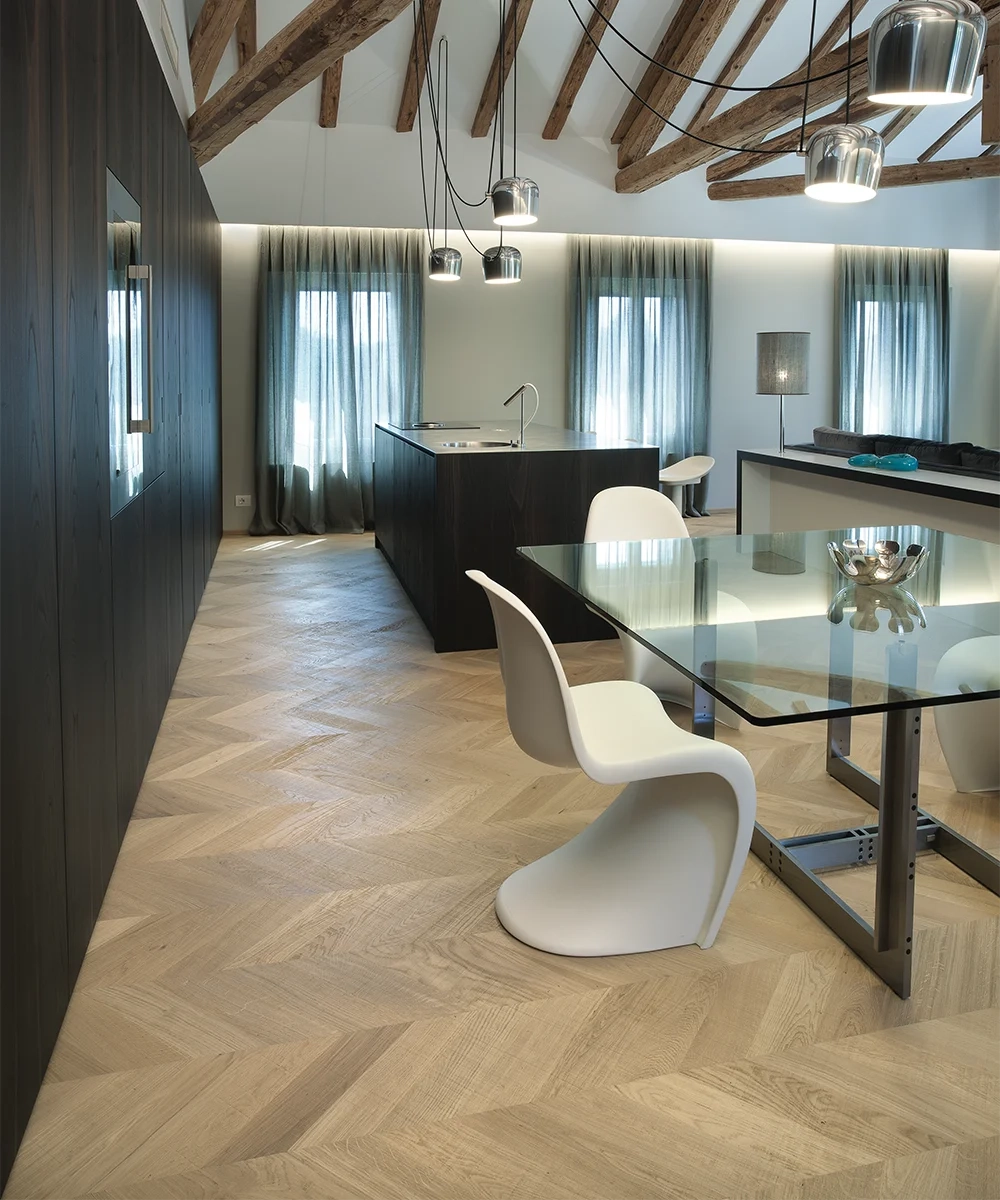
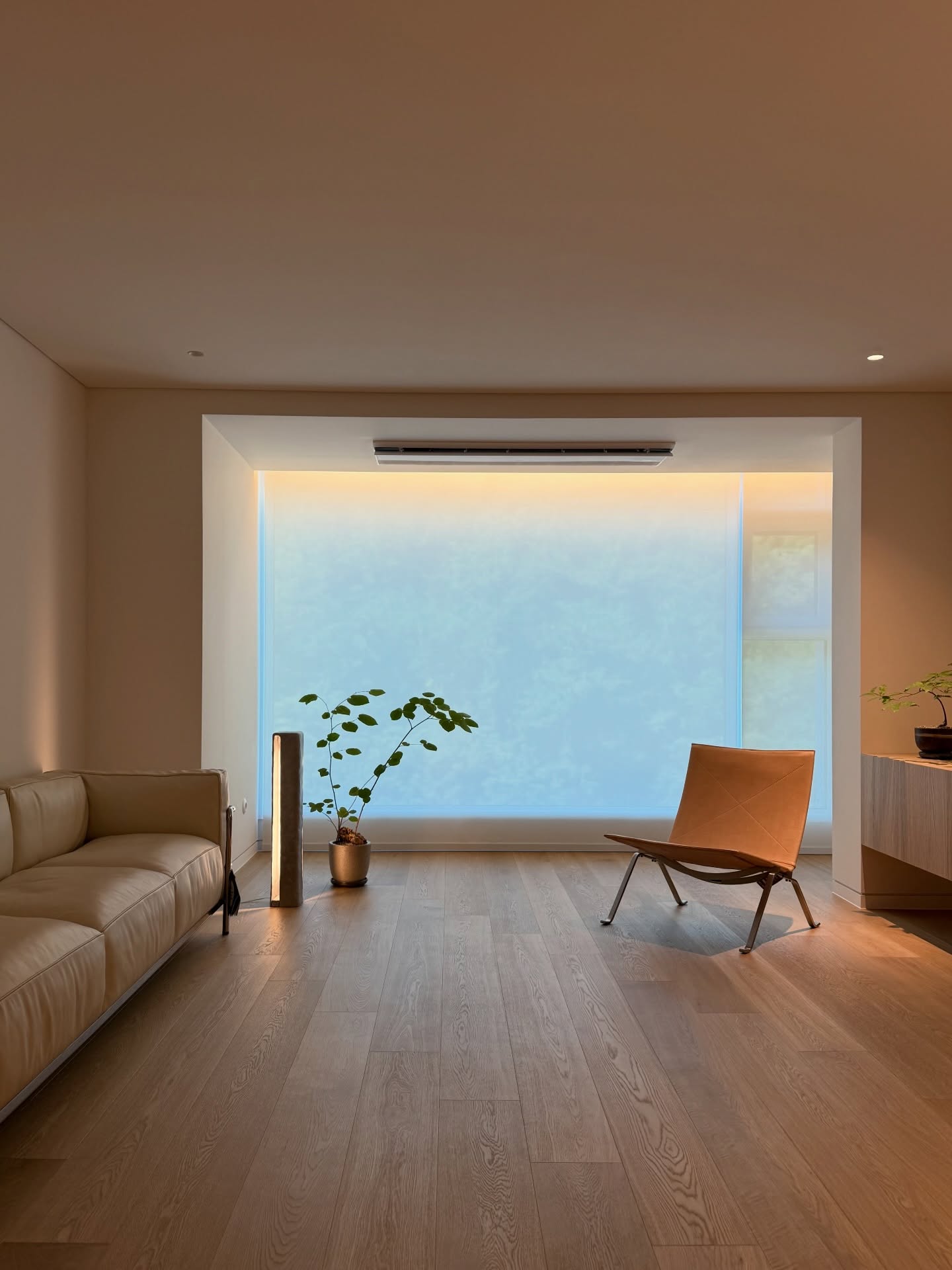
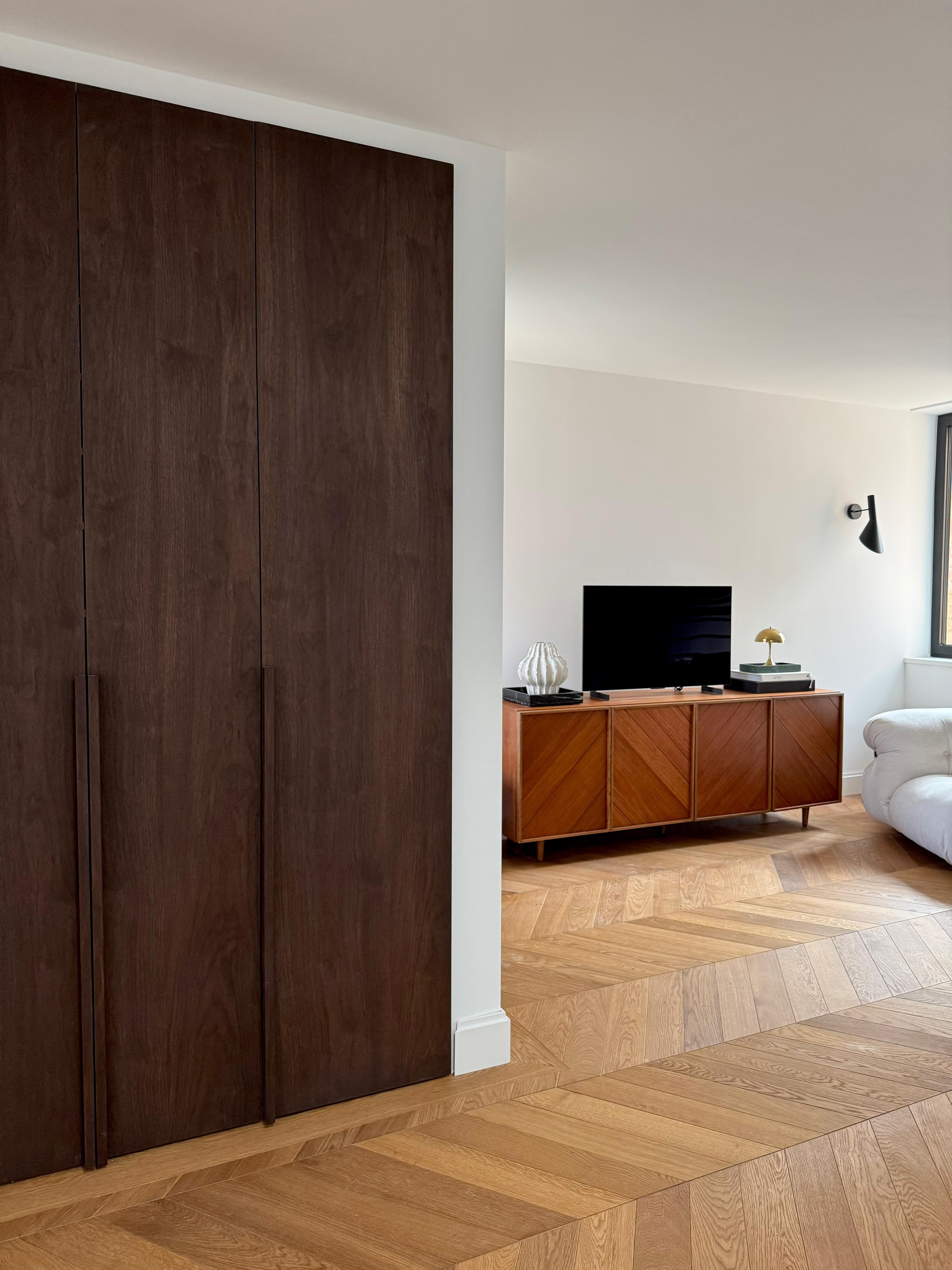
Solid natural wood flooring
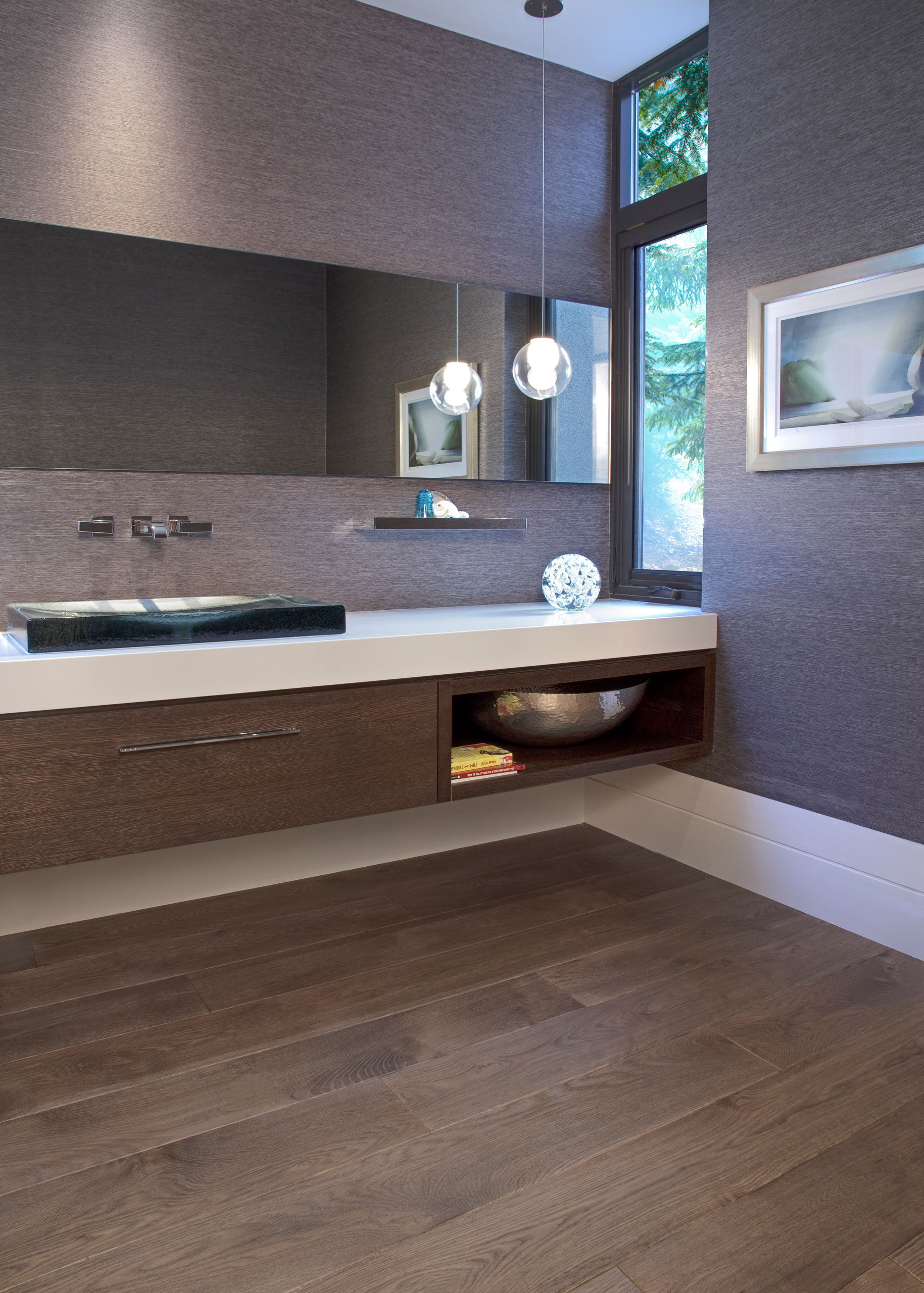
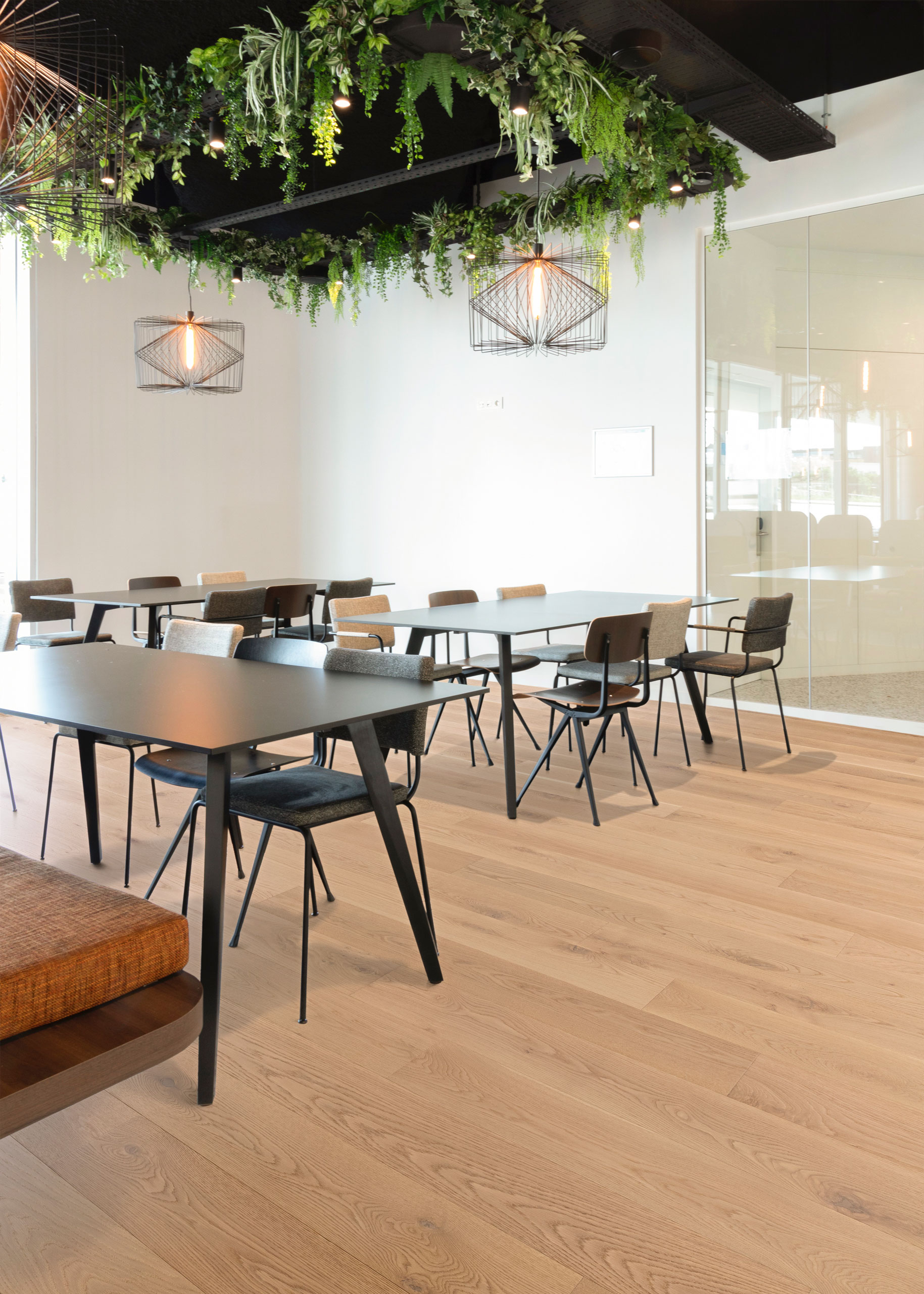
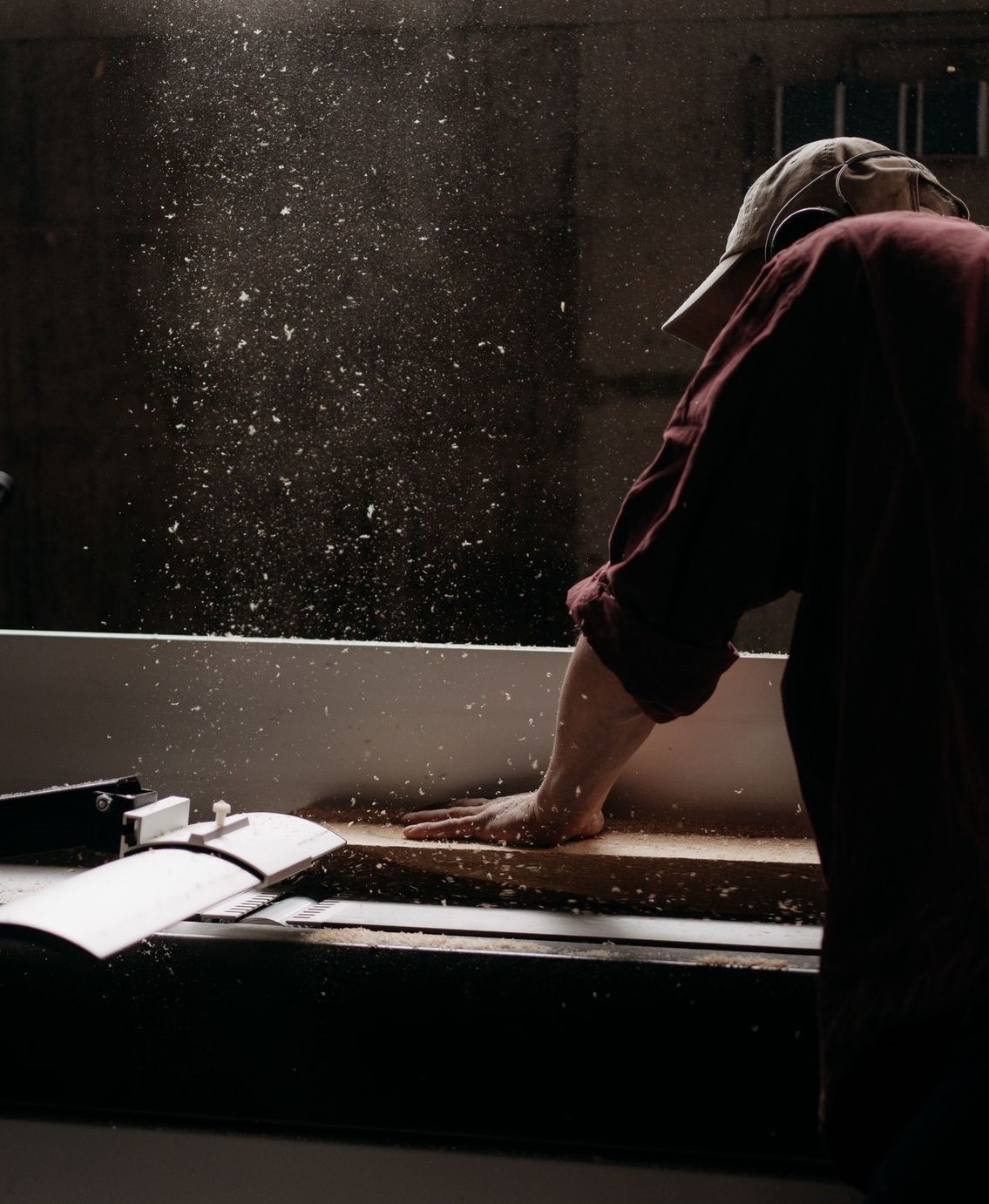
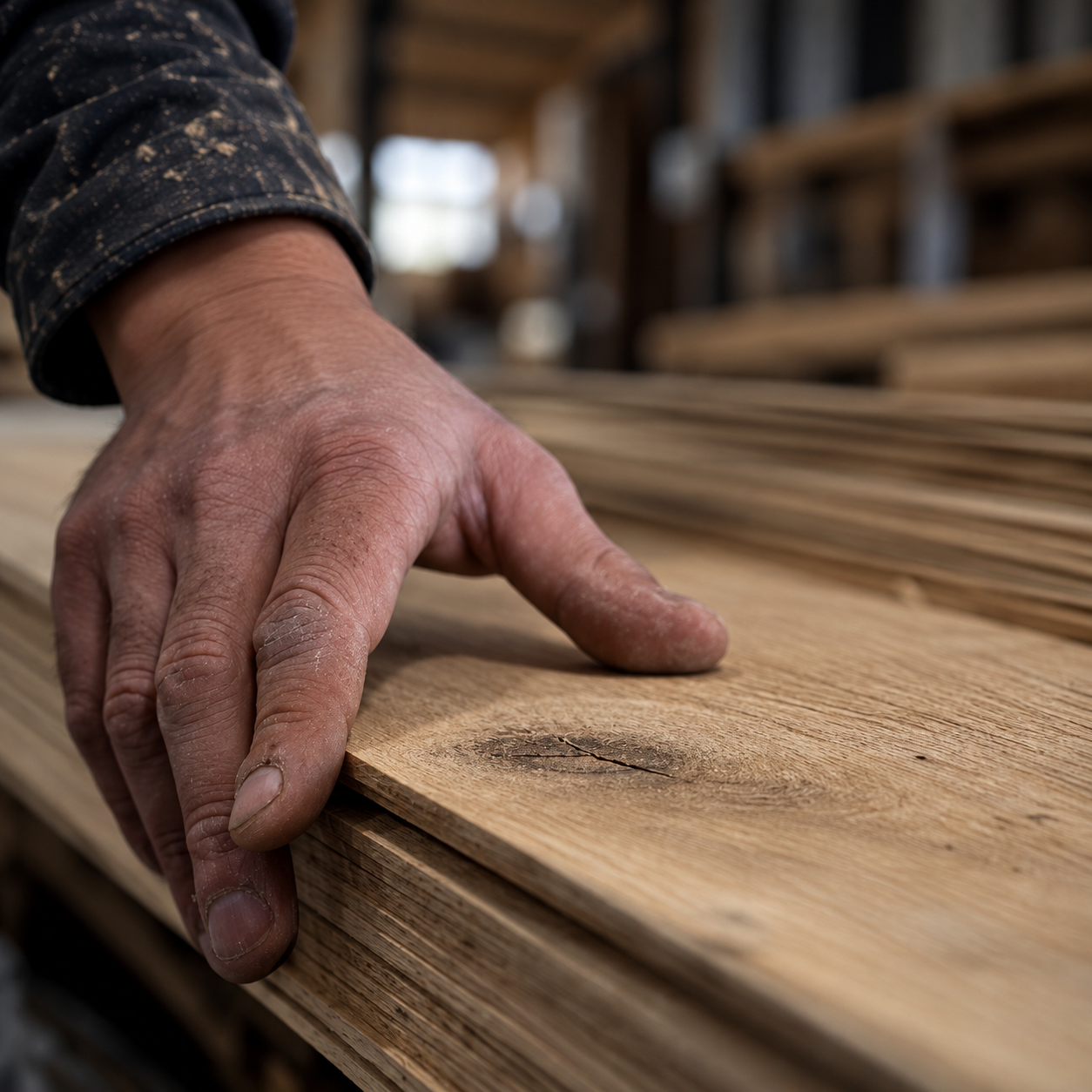
Laminate flooring
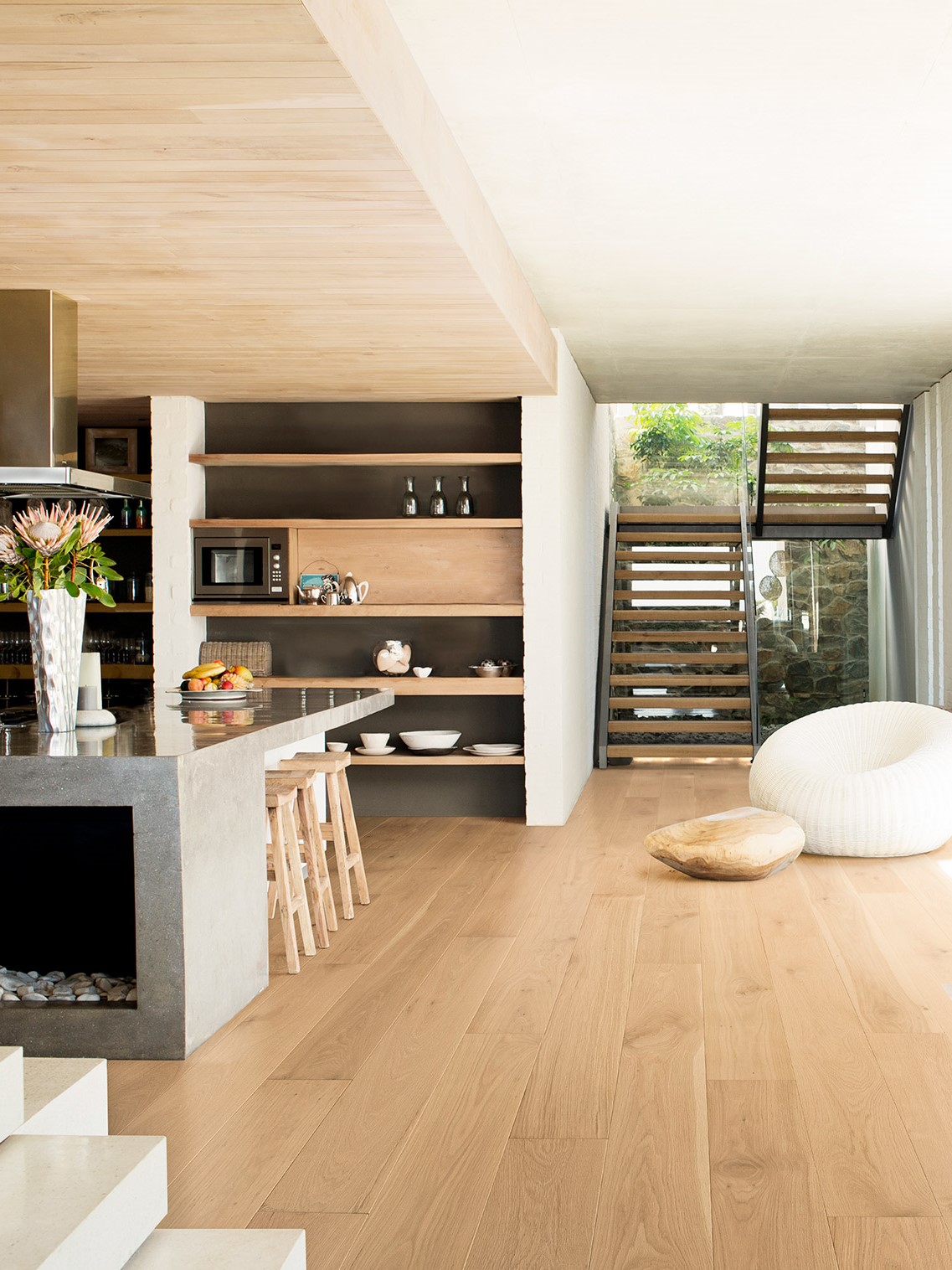
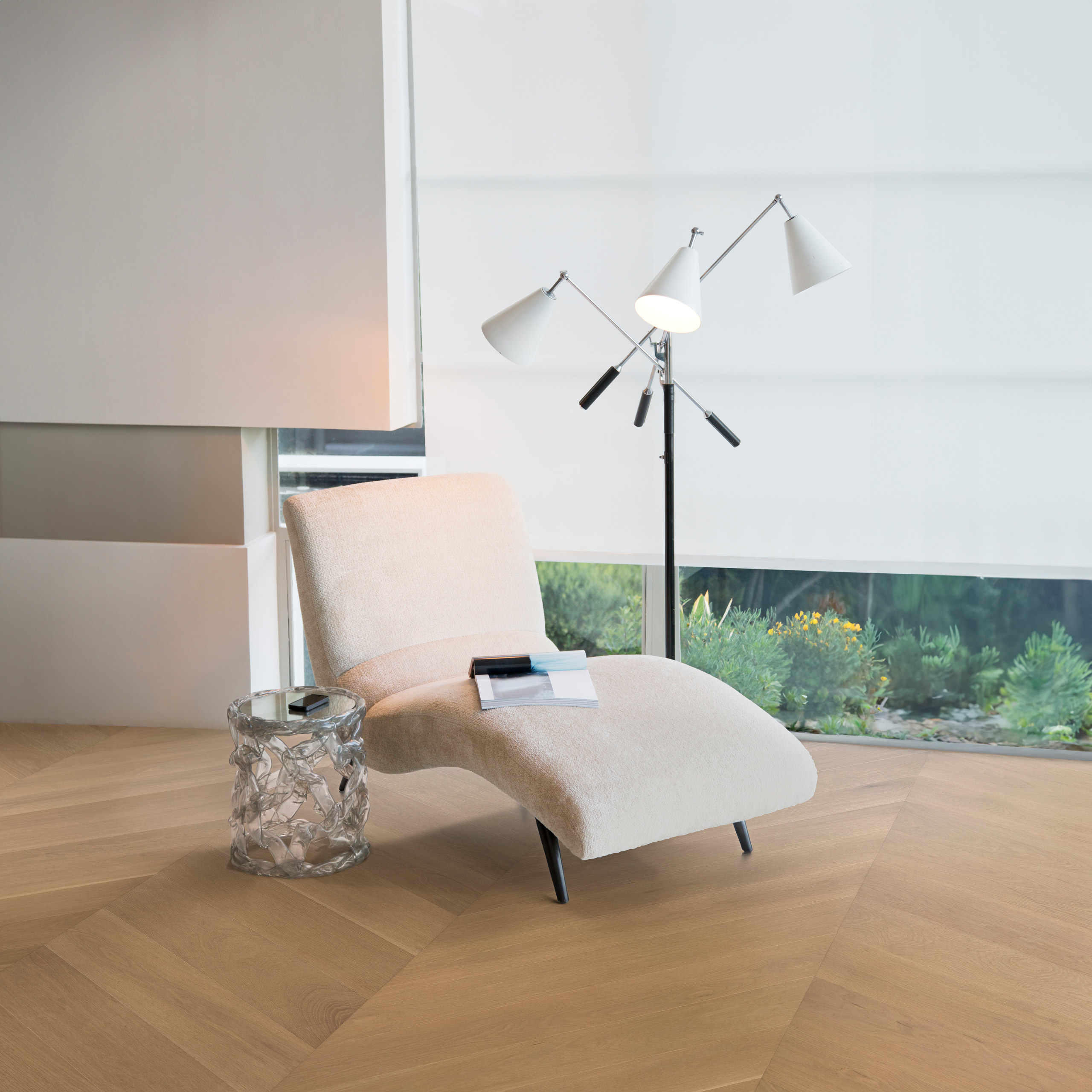
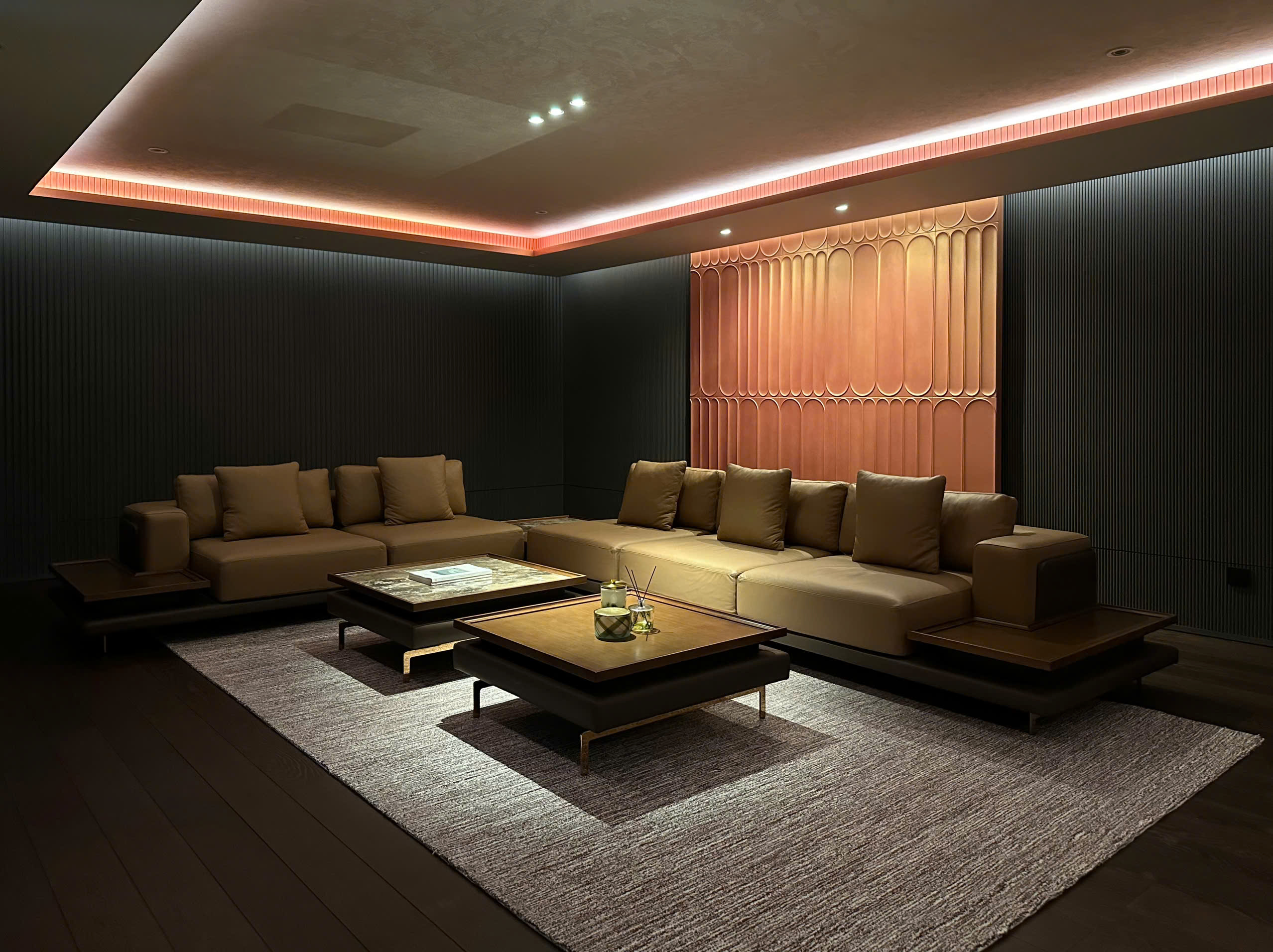
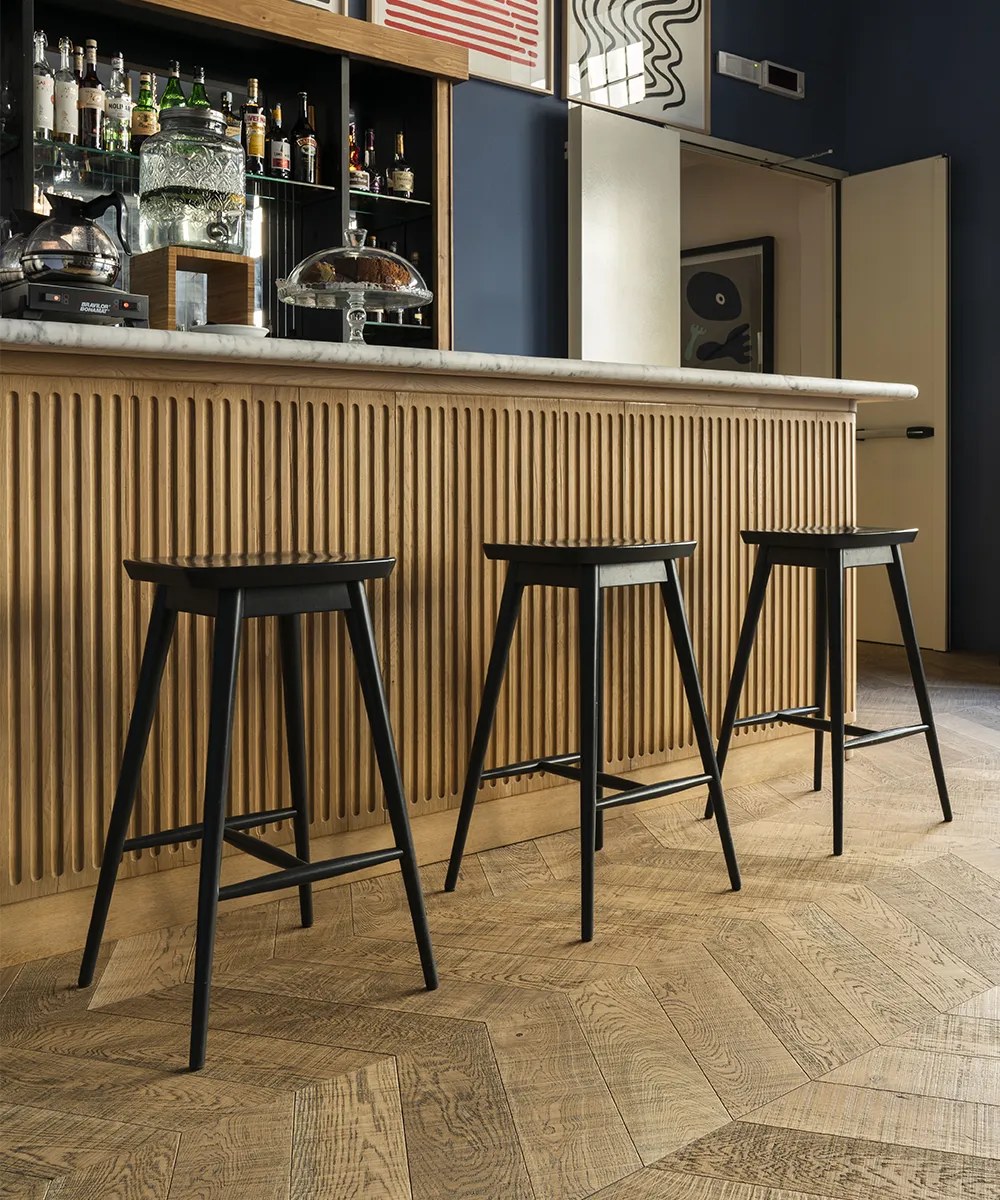
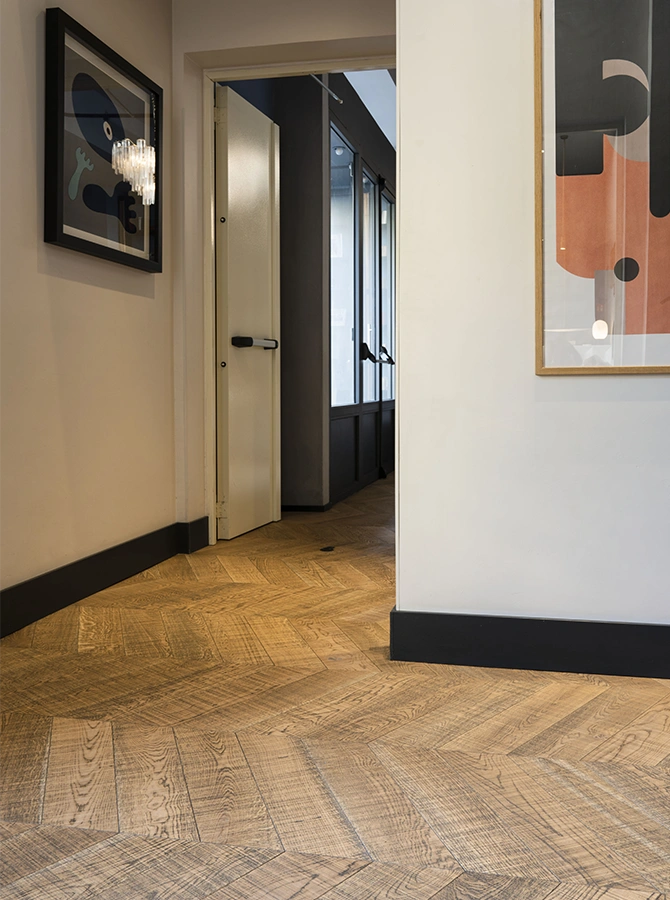
Engineered wood flooring with a natural wood surface

The Difference Goes Beyond Appearance

When first installed, different flooring types can appear similar in colour and visual effect. Their differences become clearer over time, as the materials respond to climate, light and patterns of everyday use.

Natural wood flooring retains nearly all of the wood’s inherent characteristics. Each plank carries its own grain, knots and tonal variation, creating an authentic material experience that no imitation surface can fully reproduce.

Laminate flooring prioritises surface consistency and manufacturing efficiency. It can suit projects where cost or installation speed is a priority, using a decorative layer designed to reproduce the appearance of natural wood.

By contrast, engineered wood flooring balances two priorities: retaining real wood at the surface where people directly experience the material, while using a multilayer construction to improve stability in contemporary climates and conditions of use.

This balance has made engineered wood flooring a common choice in refined architectural projects where the beauty of natural wood must work alongside long-term performance.

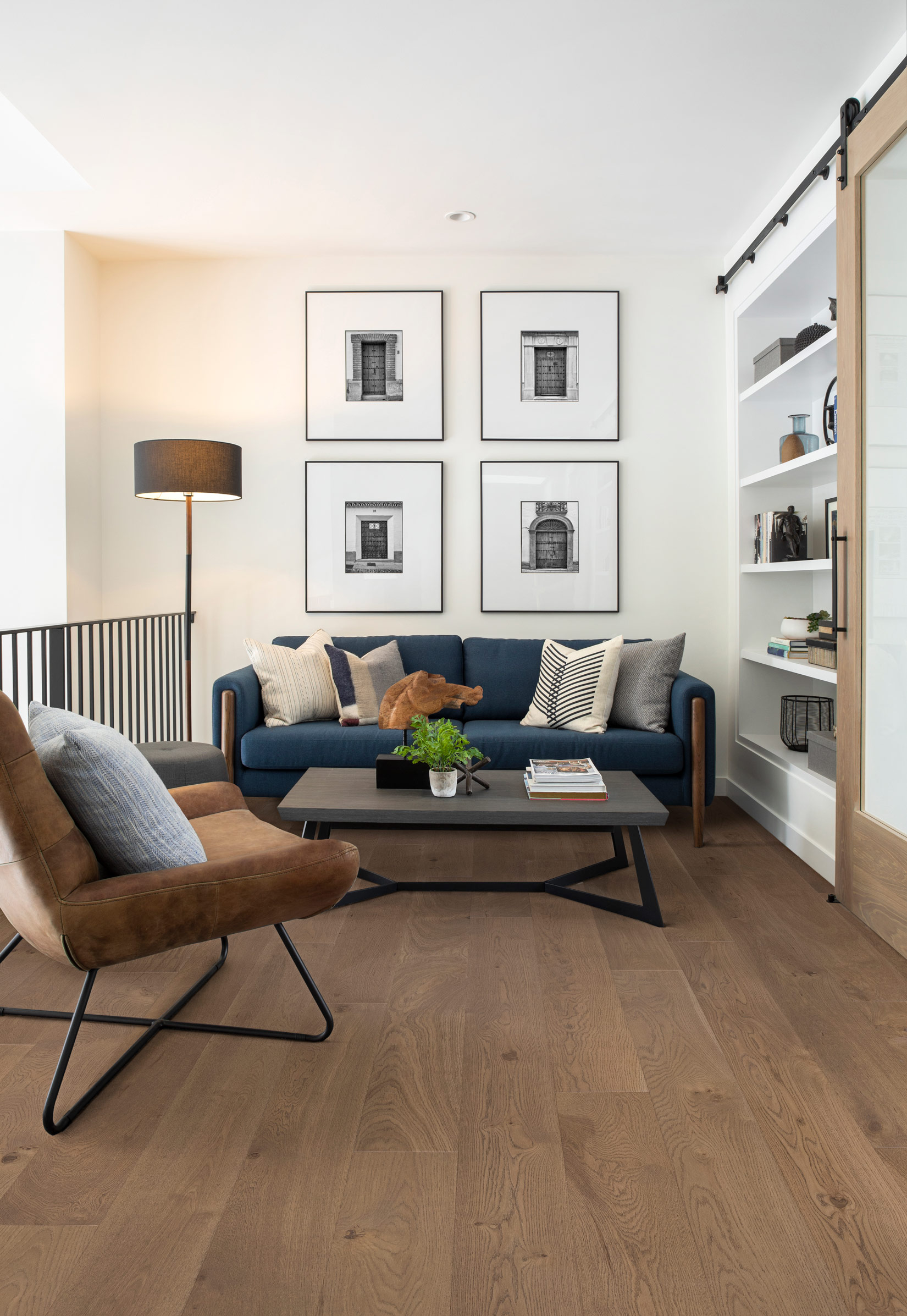
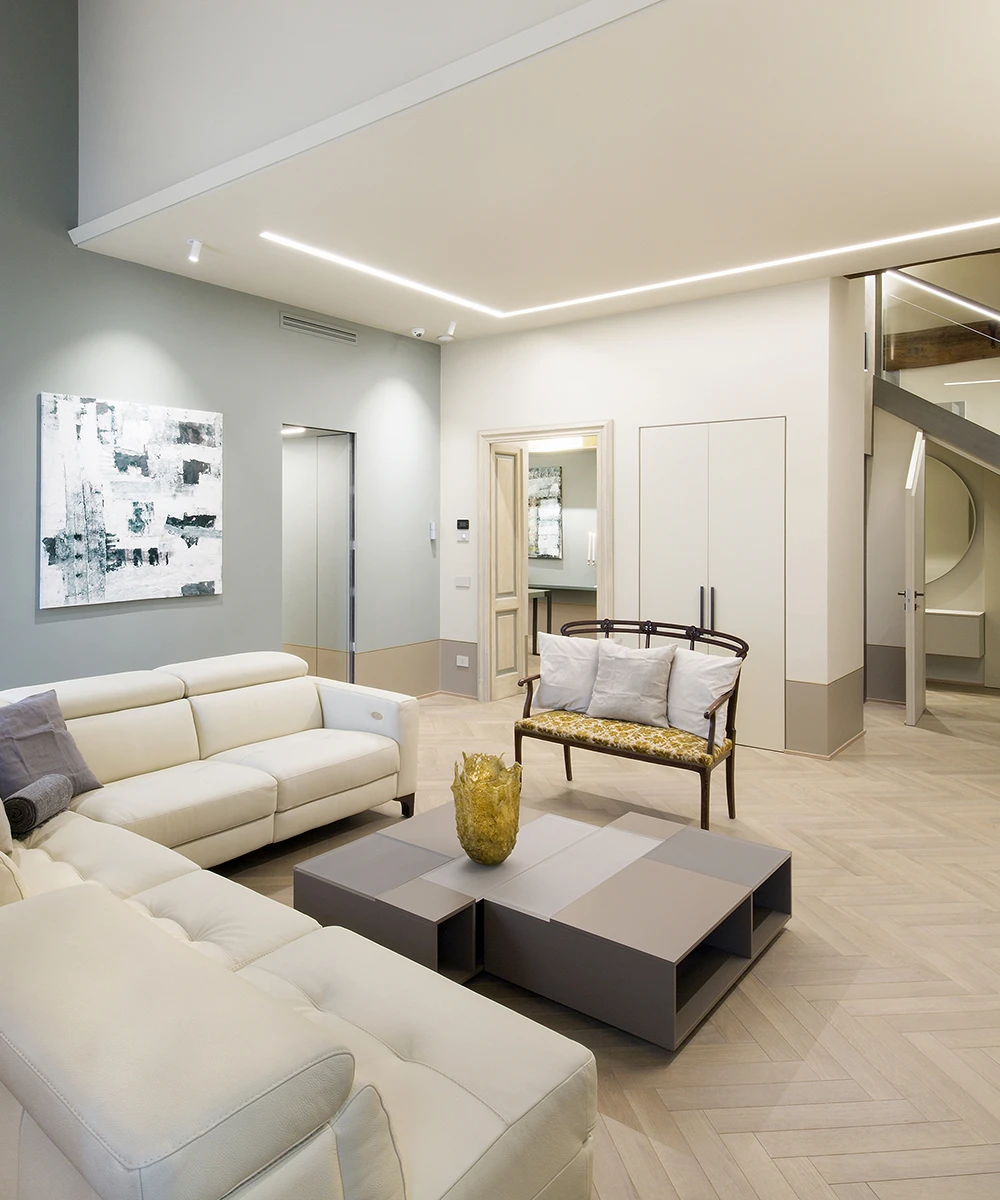
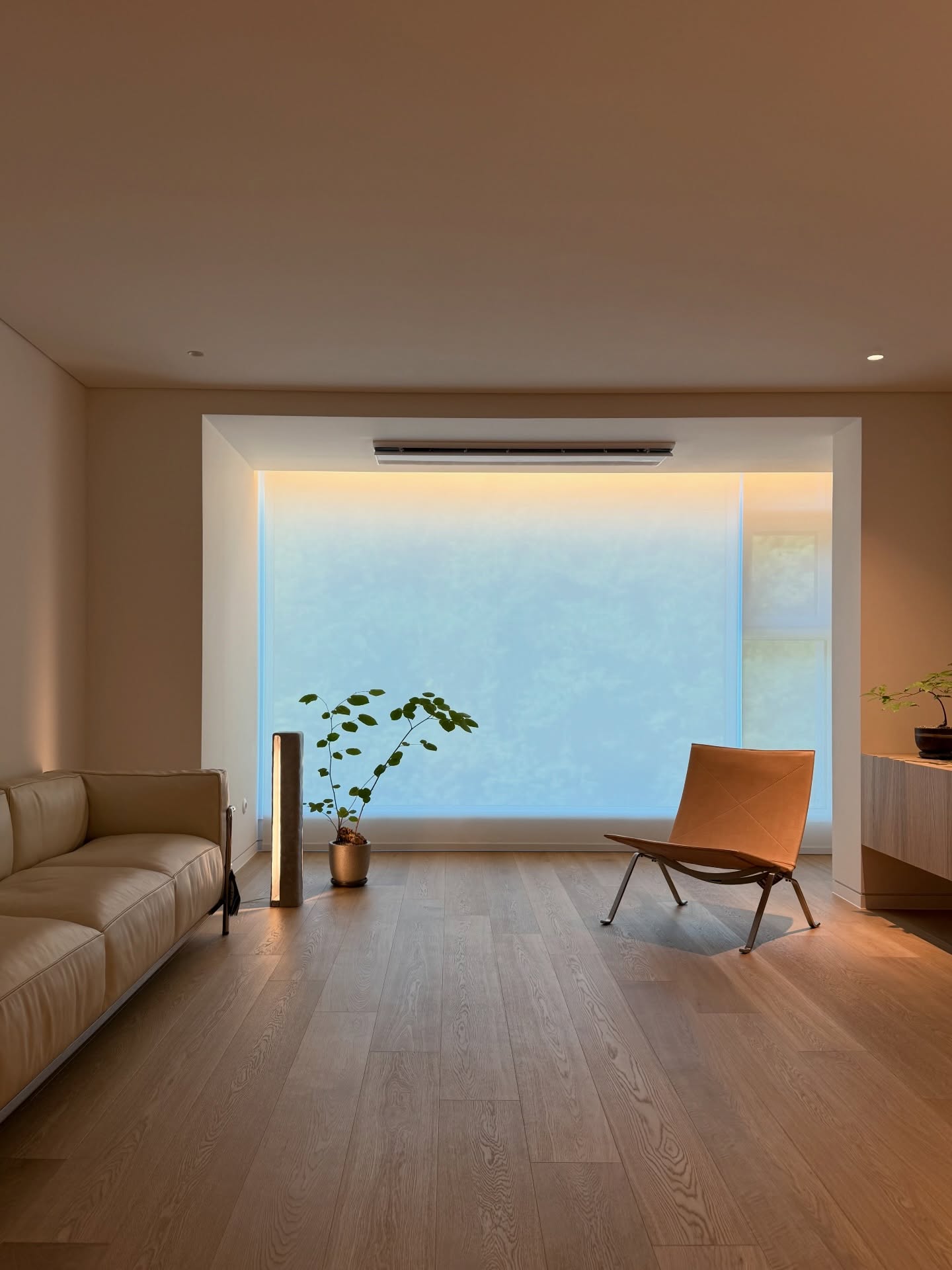
Living room with natural wood flooring
Architect selecting laminate flooring materials
Architect selecting engineered wood flooring materials

No Flooring Type Suits Every Project

Material selection in interior design does not follow a single formula. Every project has its own architecture, conditions of use and expectations. The objective is therefore not to identify the "best" flooring in absolute terms, but the material best suited to that space.

For projects seeking to preserve the full character of natural wood under suitable conditions, solid wood flooring remains a meaningful choice. Over time, the surface continues to evolve, developing its own patina as part of living with the architecture.

For spaces prioritising cost, installation speed or everyday practicality, laminate flooring performs well through consistent manufacturing and flexible installation.

In many refined residences, hotels and contemporary hospitality spaces, engineered wood flooring is often selected when the project requires both the character of natural wood and a material capable of adapting to climate and real-use intensity.

For that reason, material selection should begin not with "which is better?" but with "what does this space need?" When a material responds appropriately to its architectural context, its value becomes clearer throughout the life of the project.

When the Value of Natural Wood Meets Contemporary Architecture

As interior materials have evolved, each flooring solution has reflected a different approach. Some preserve the substance of natural wood, some prioritise production efficiency, while others are developed to reconcile natural material value with the requirements of contemporary architecture.

At NOËL, natural wood remains the starting point for material selection. Each plank carries not only its own grain, colour and texture, but also traces formed through time — qualities that cannot be recreated by simulated surfaces.

For this reason, NOËL focuses on engineered wood flooring with a natural wood surface combined with a multilayer construction to improve stability in real conditions of use. It is not a substitute for natural wood, but a way of preserving its original character within contemporary living spaces.

Beyond construction, factors such as flooring pattern, surface finishing method and the selection of individual natural wood species also contribute to the identity of each project.

Explore NOËL’s Natural Wood Species

Warranty Policy

View warranty terms

Engineered Structure

Explore the engineered wood layers

Laying Systems

Explore flooring patterns
Zalo Call
SAMPLE BOX

Exclusive Sample Collection

Request our wood flooring sample set.

Select wood type / tone
Oak - Light / Natural Tone
Walnut - Deep Tone
Ash - Natural
Teak - Natural
Herringbone / Chevron
Straight Lay