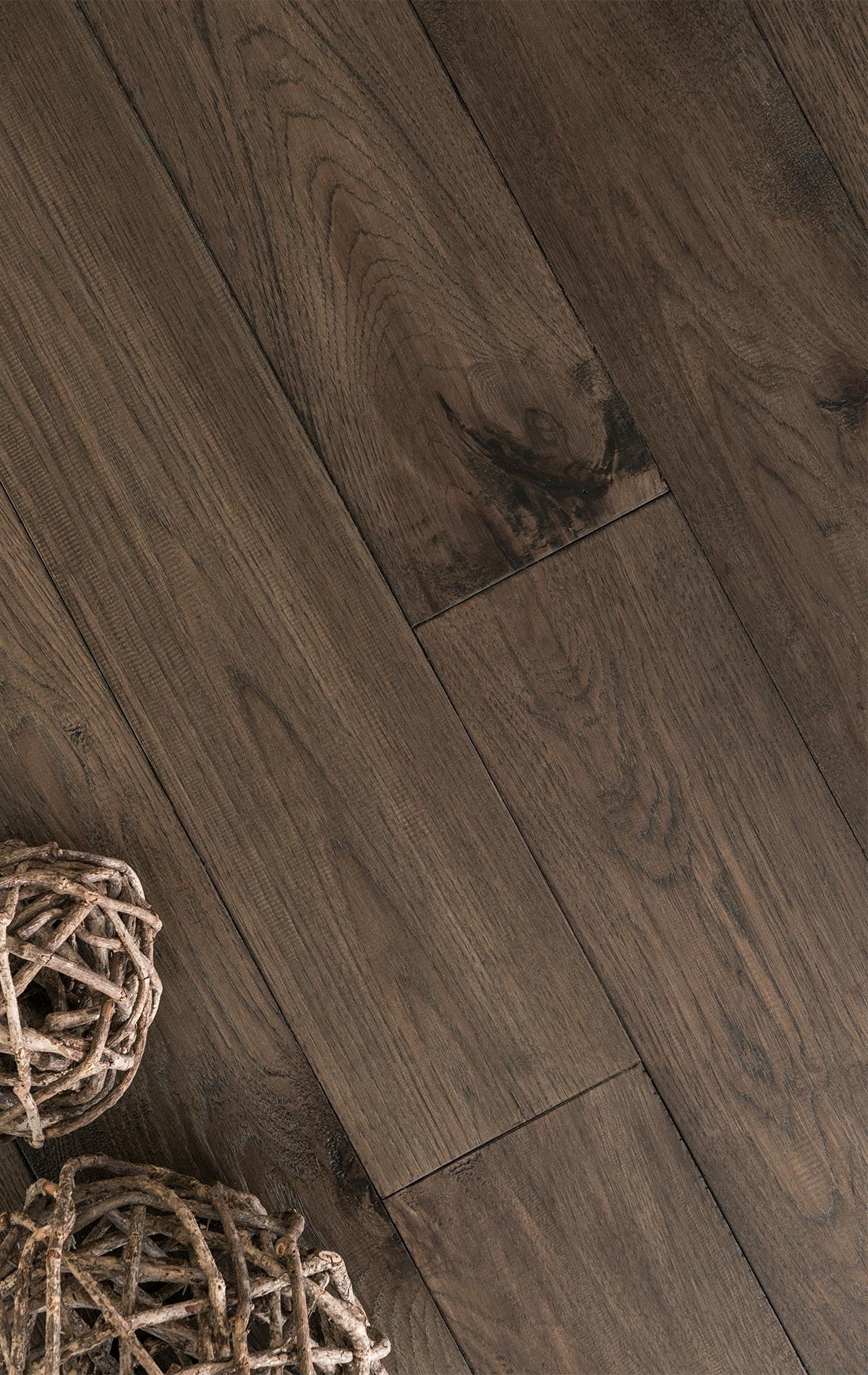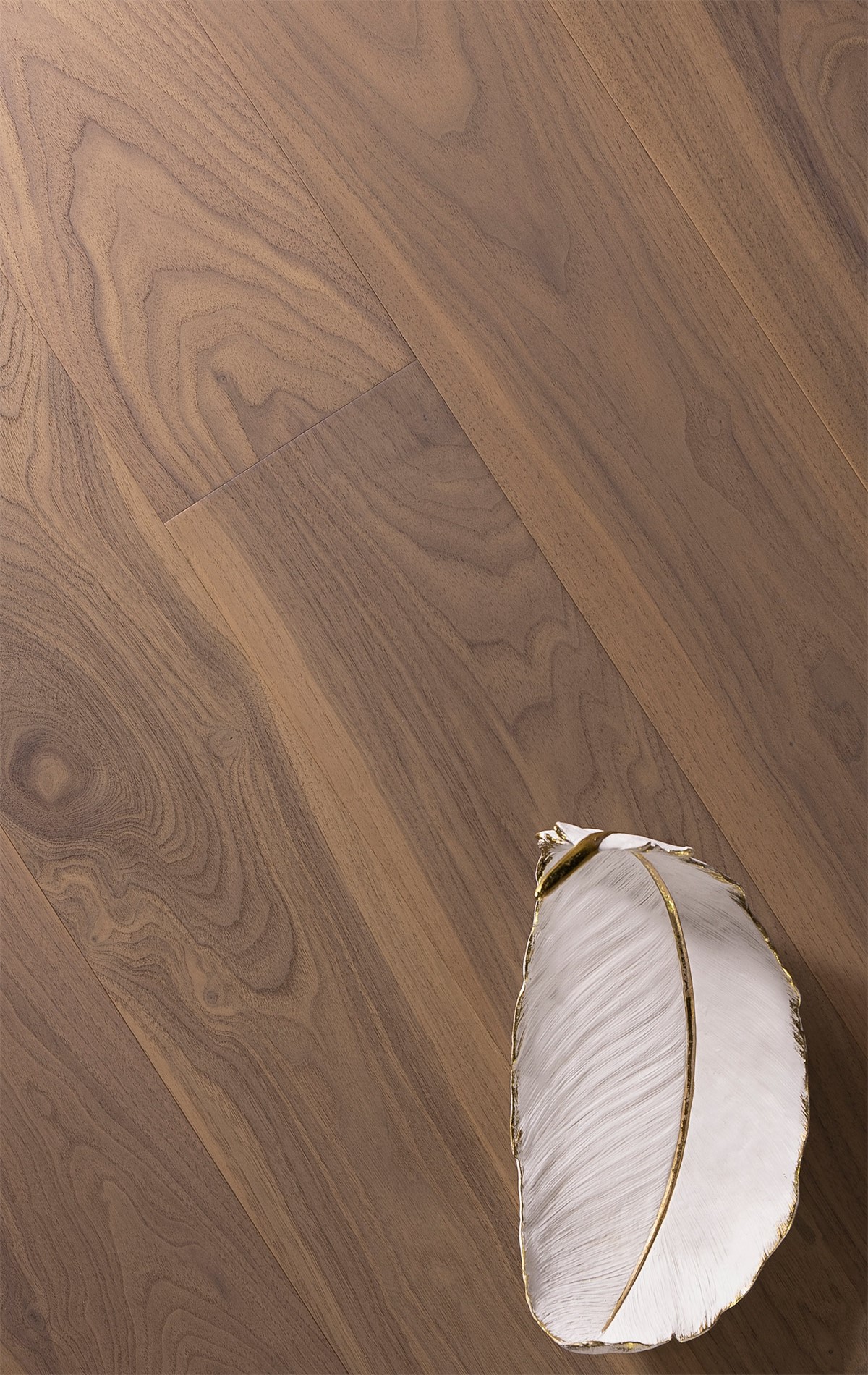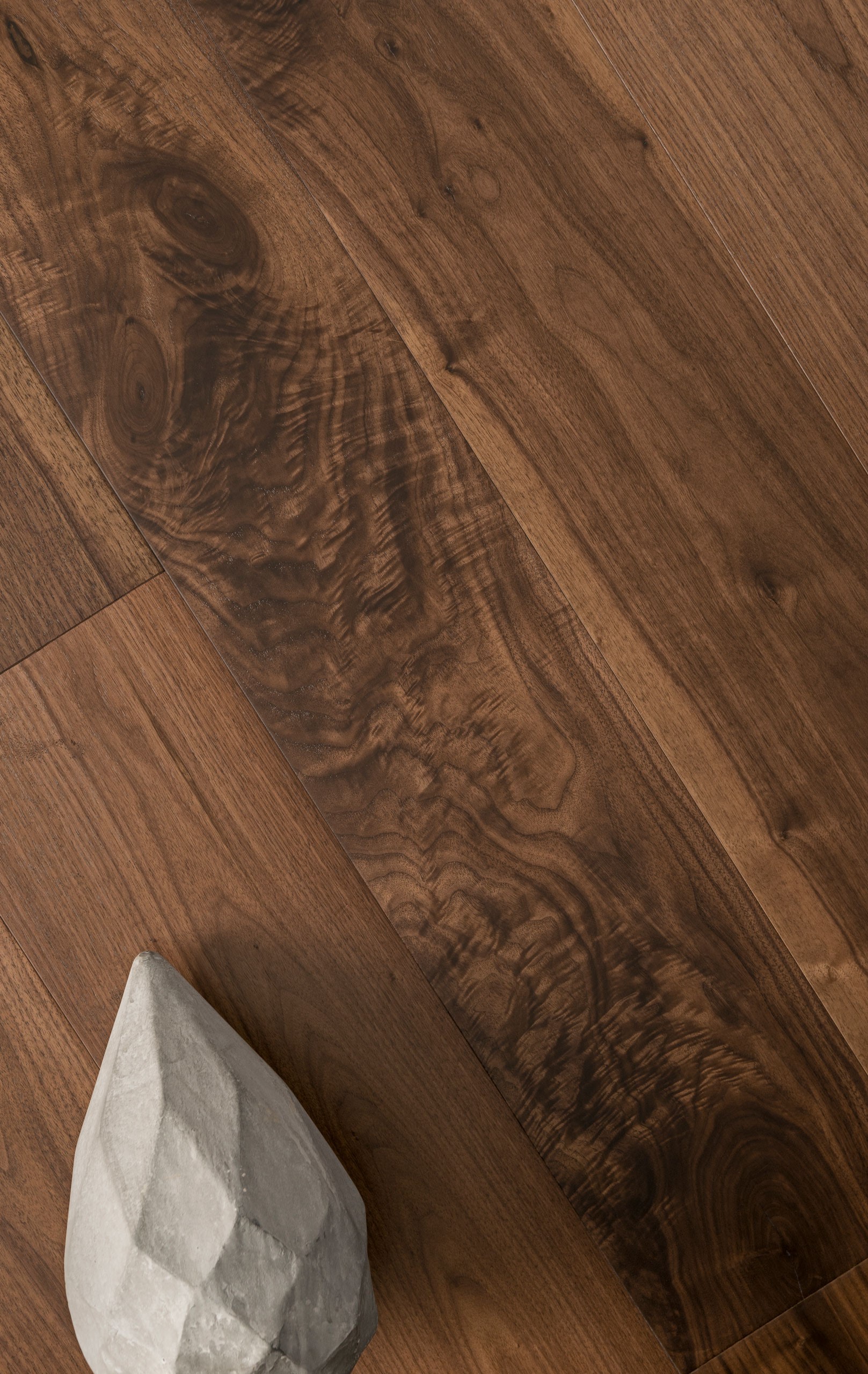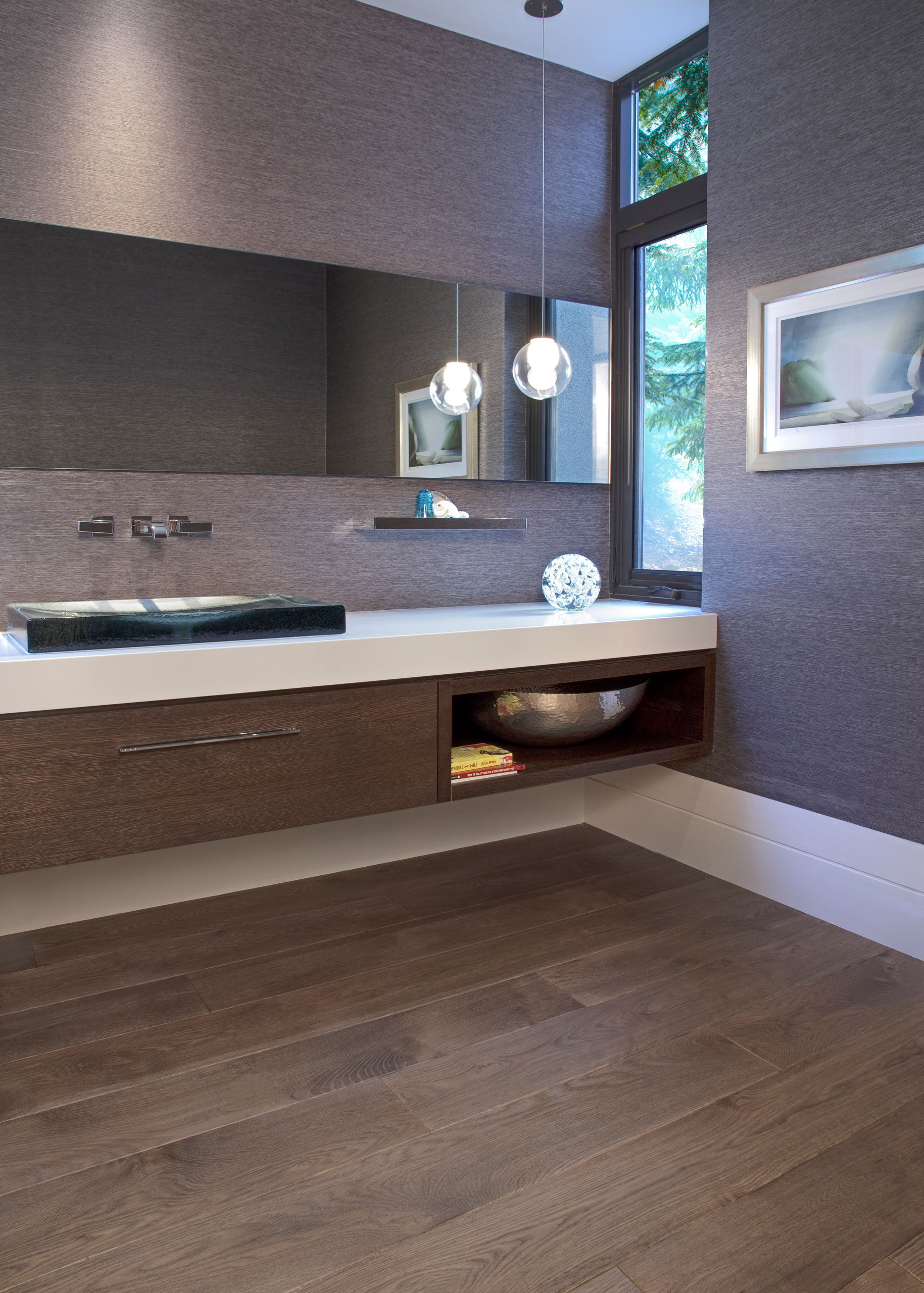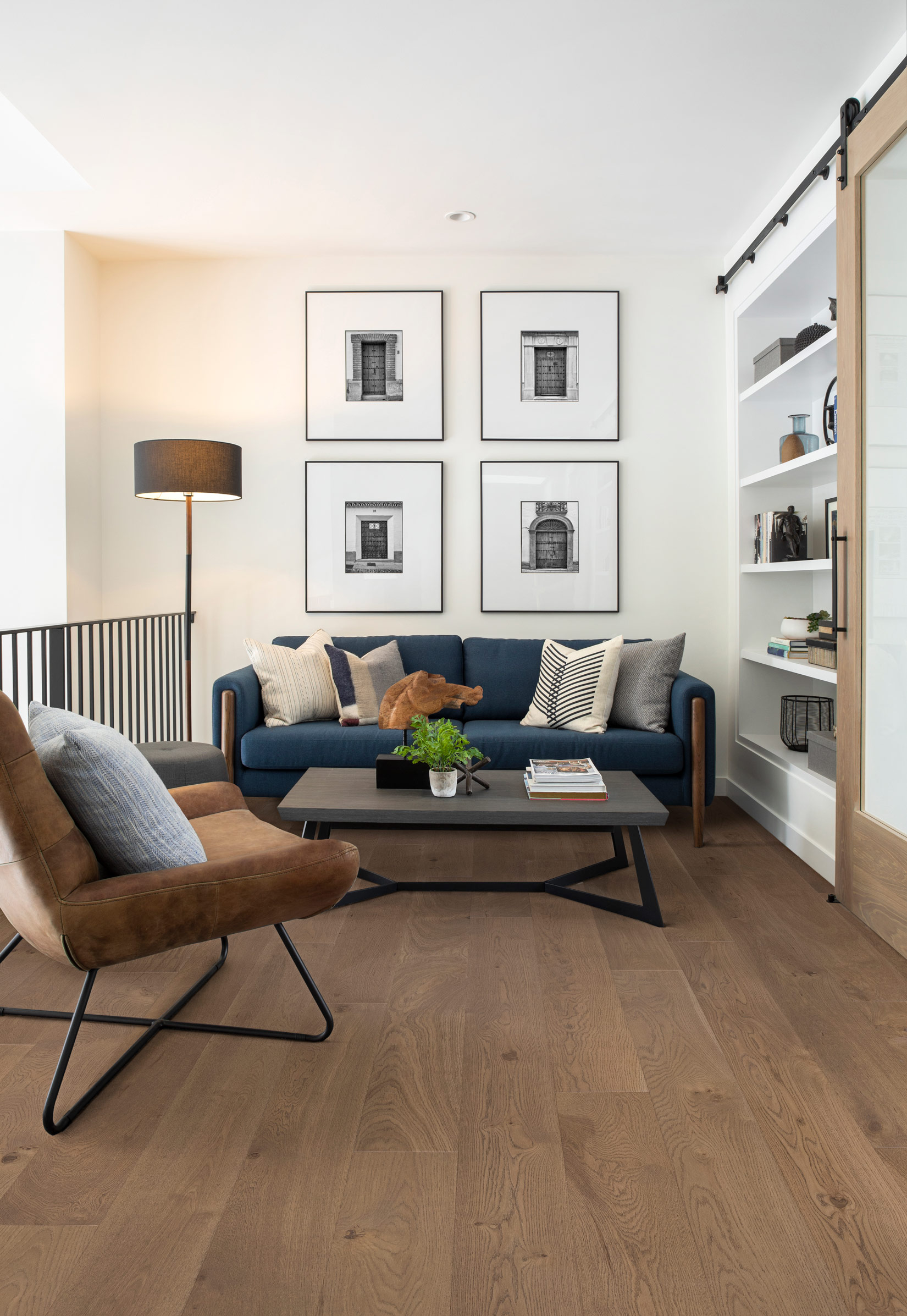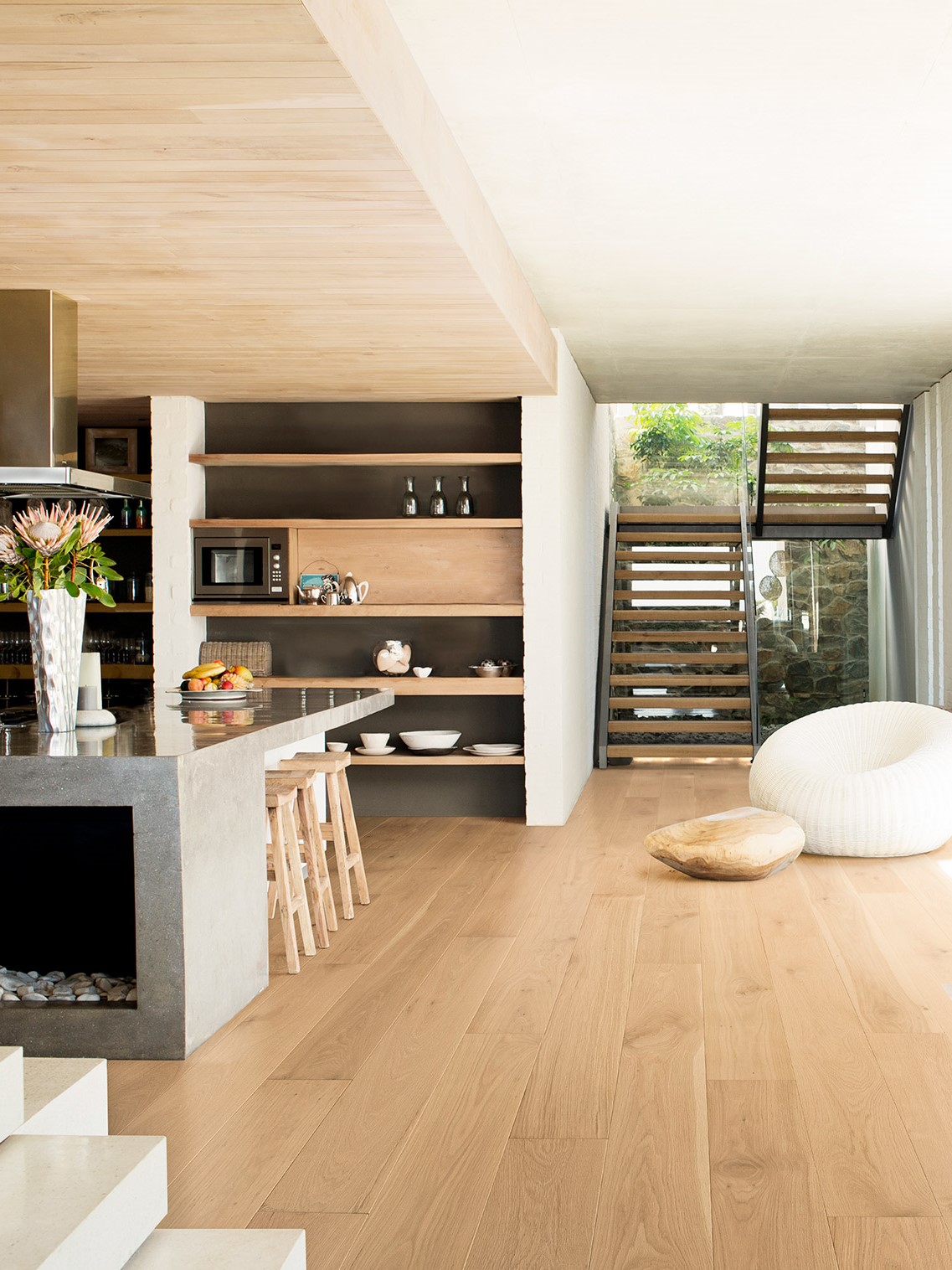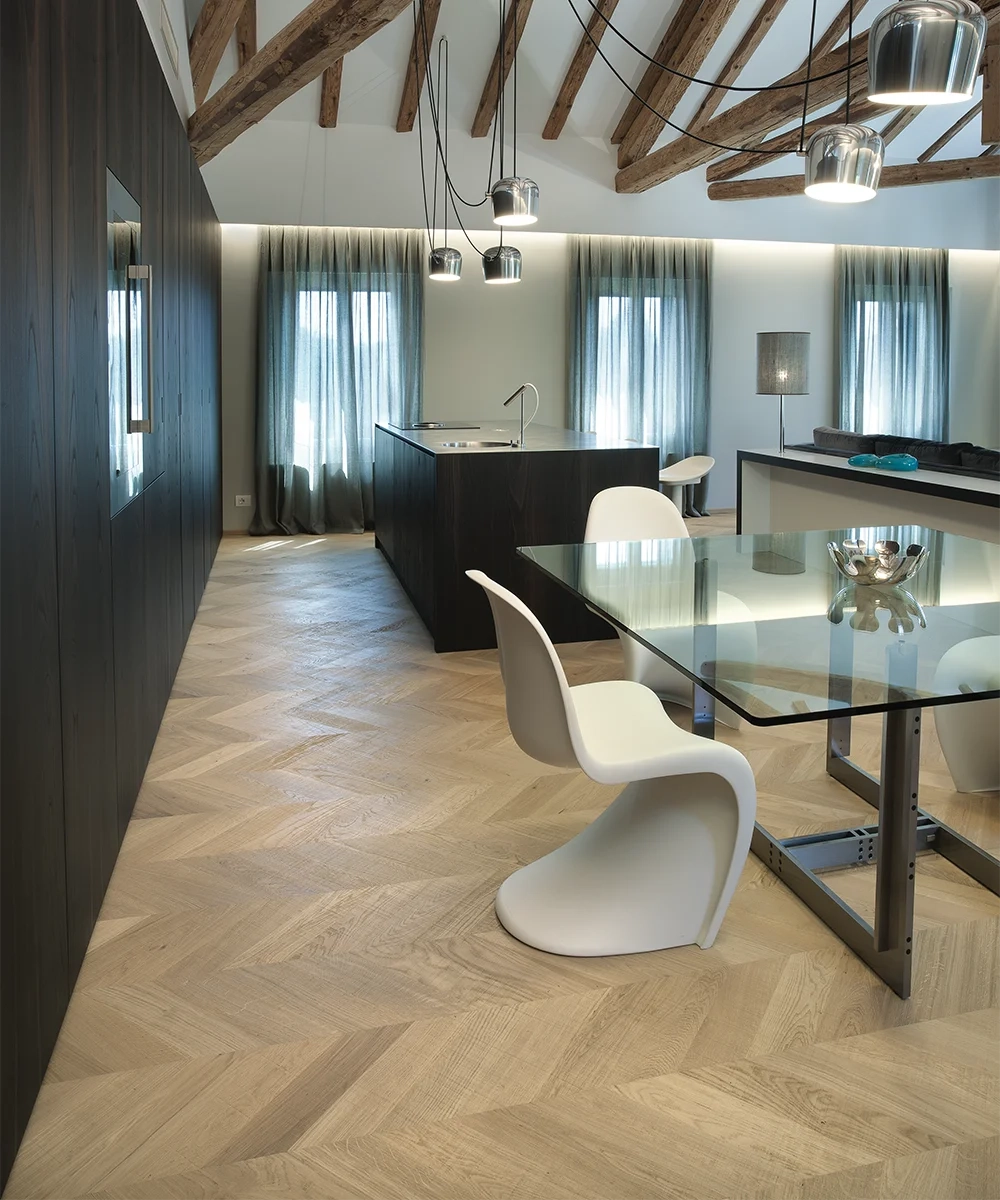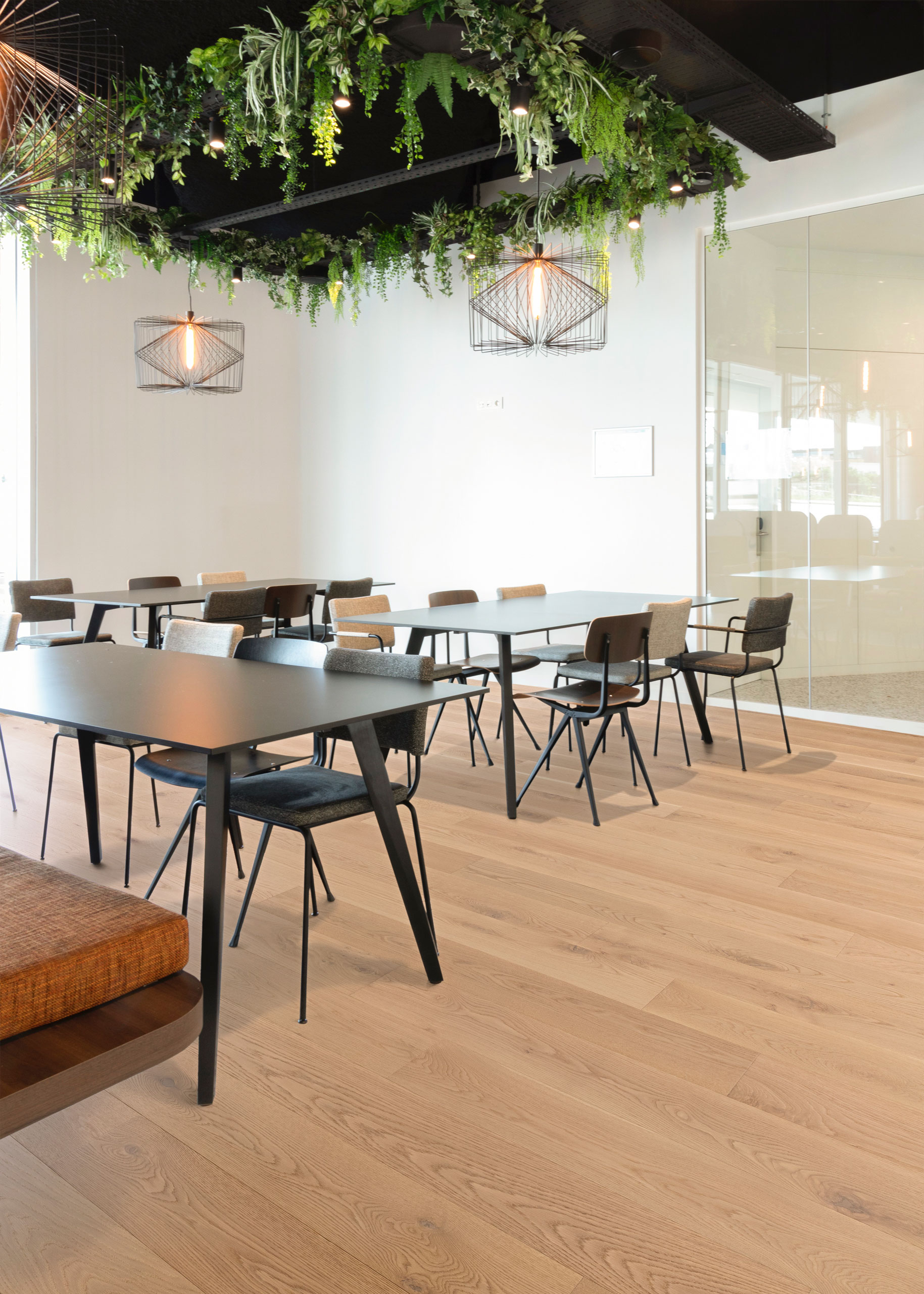


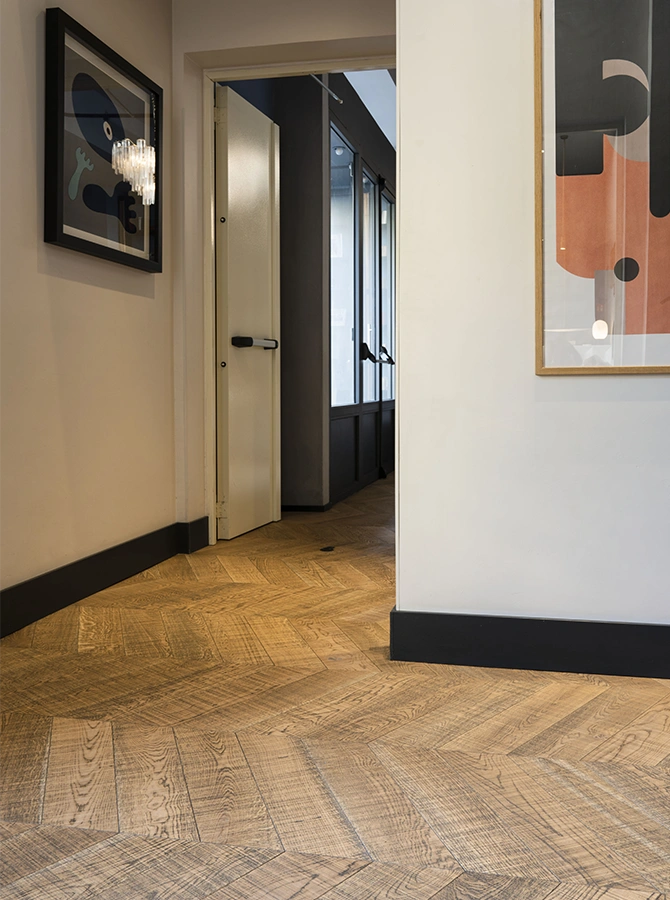
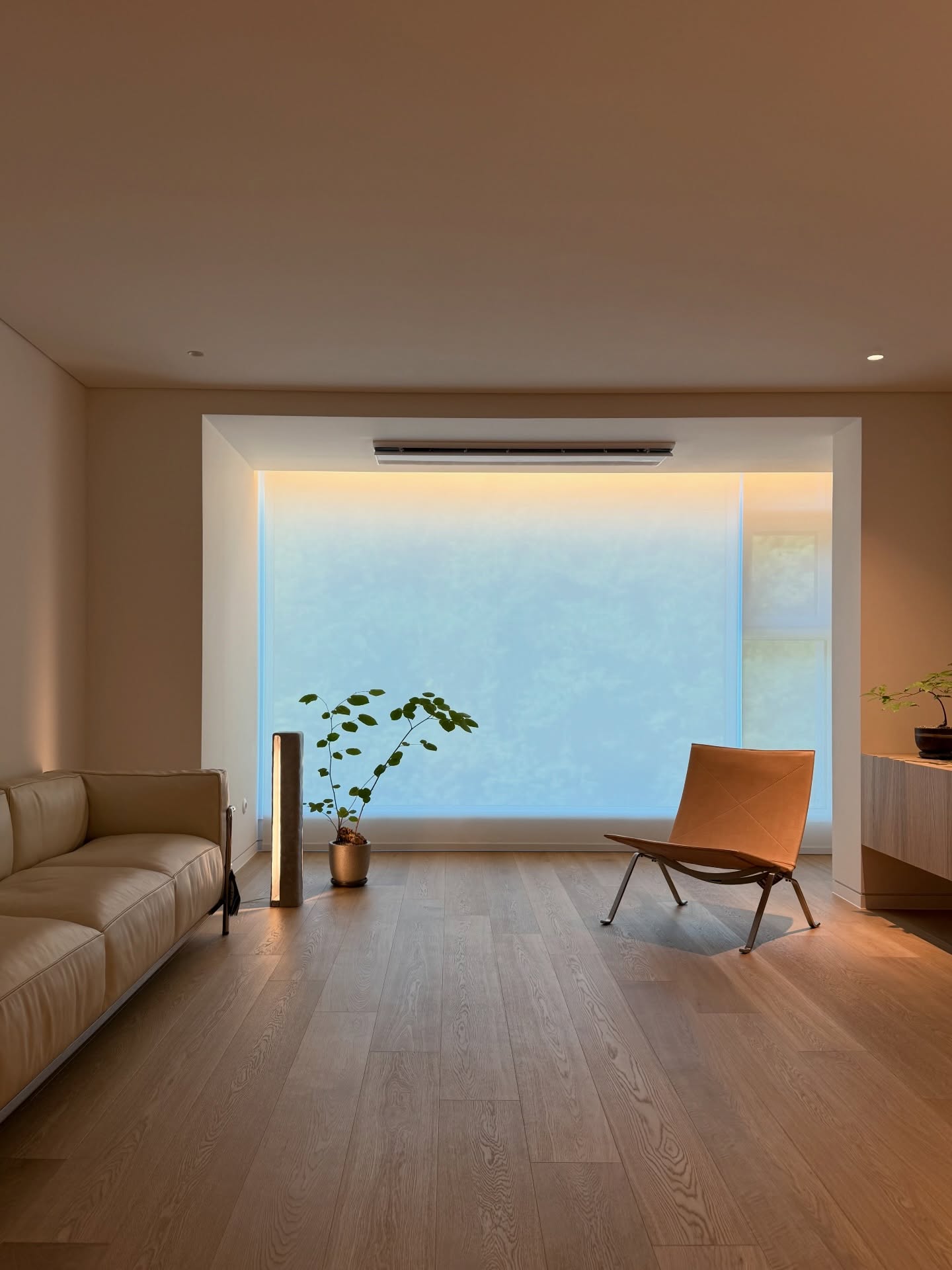
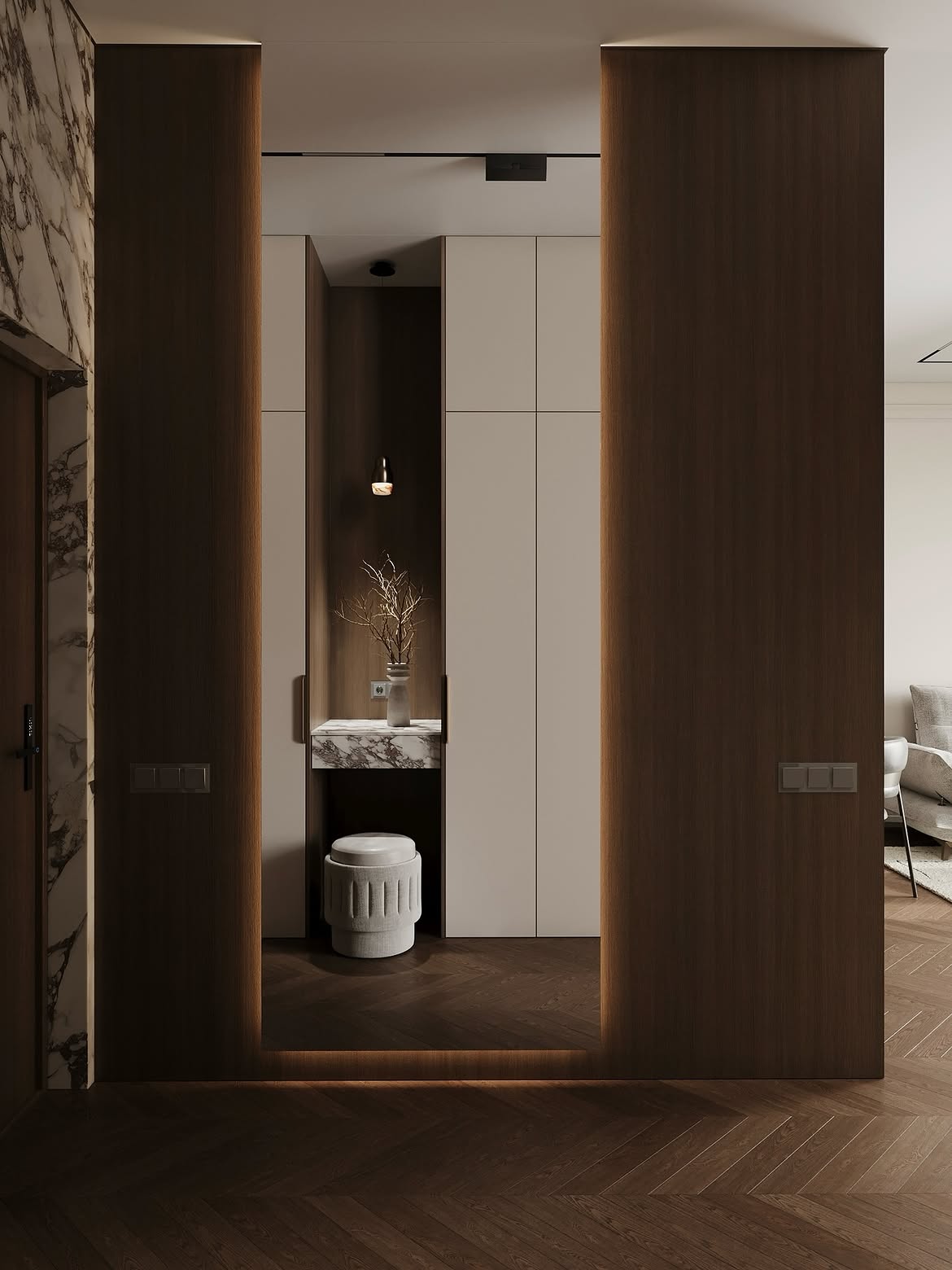


A beautiful wood surface is defined by more than colour or grain. Its value also lies in how it is made, how it responds to the environment and how well it performs over years of use. This is why projects focused on material experience look beyond the appearance of a floorboard.
Today, three common flooring groups include natural wood flooring (Solid Wood), laminate flooring and engineered wood flooring. Each is developed to address different aesthetic, performance and installation requirements. Rather than asking which is universally better, the more useful question is which material best suits the context of a particular project.
Each Flooring Type Reflects a Different Approach to Material
Although all three draw on the visual language of wood, they are built around different material philosophies. One preserves the original substance of natural wood, another prioritises production efficiency, while another seeks to balance authentic material character with the demands of contemporary use.
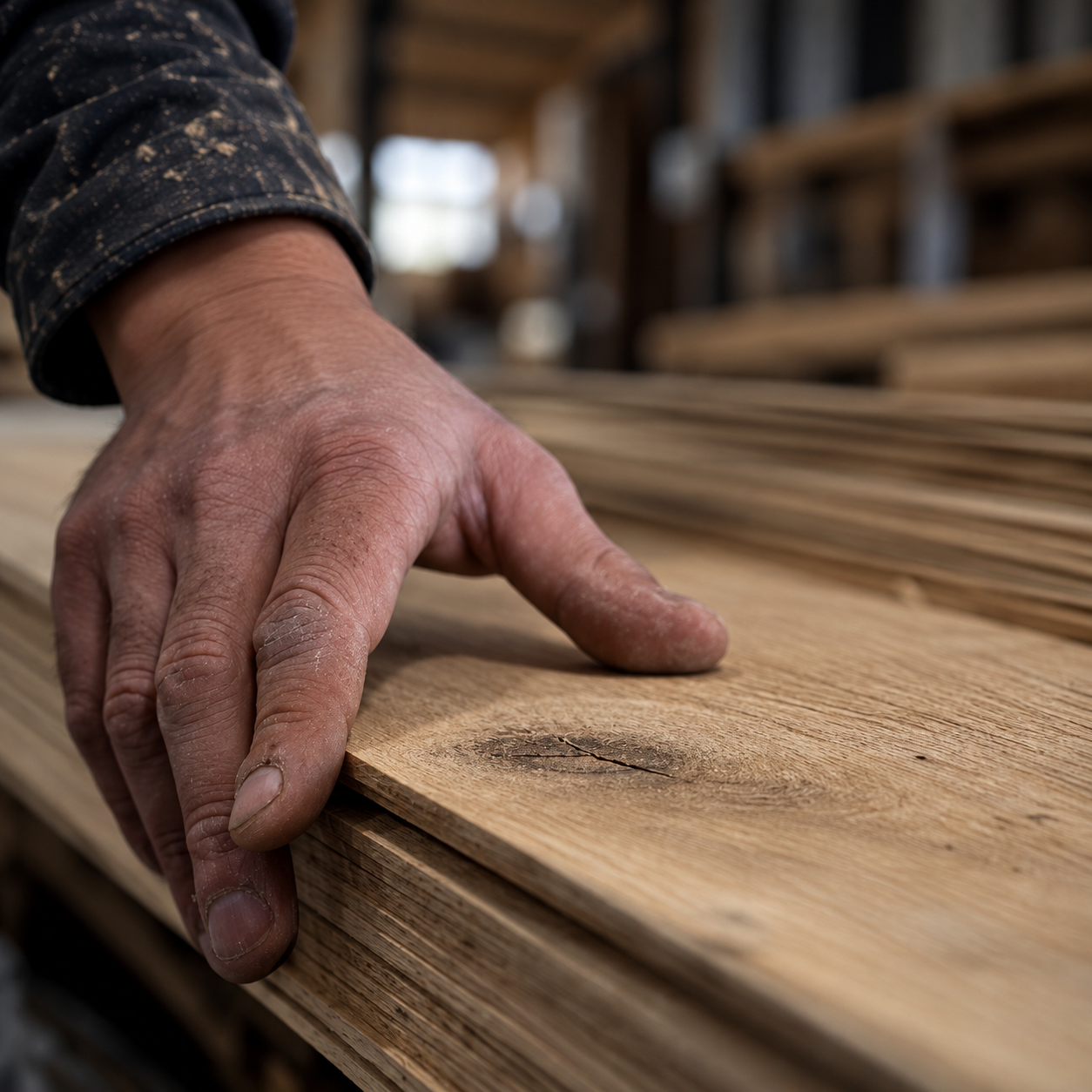
Natural wood flooring is made from solid wood, preserving almost the entire natural structure of the material. It suits projects that prioritise authenticity and the distinctive character of each grain.
Laminate flooring is developed for production efficiency and broad everyday use. Its layered construction and printed wood-look surface provide consistency and cost efficiency across many interior applications.
By contrast, engineered wood flooring combines a natural wood top layer with an engineered core designed to improve stability. This approach does not replace the value of natural wood; it extends that material character into a broader range of environments, from homes to commercial and hospitality spaces.