When material becomes part of the architecture
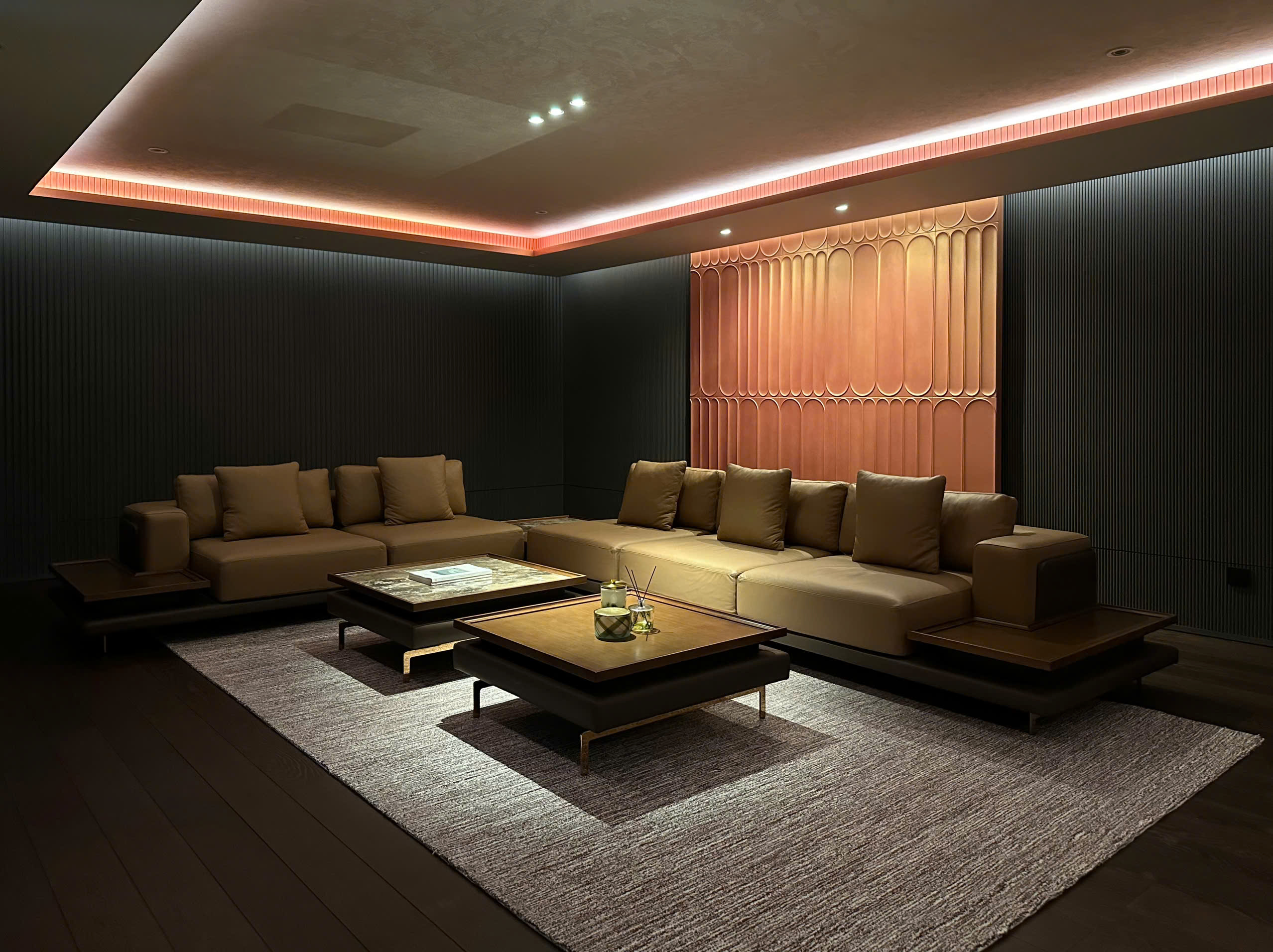
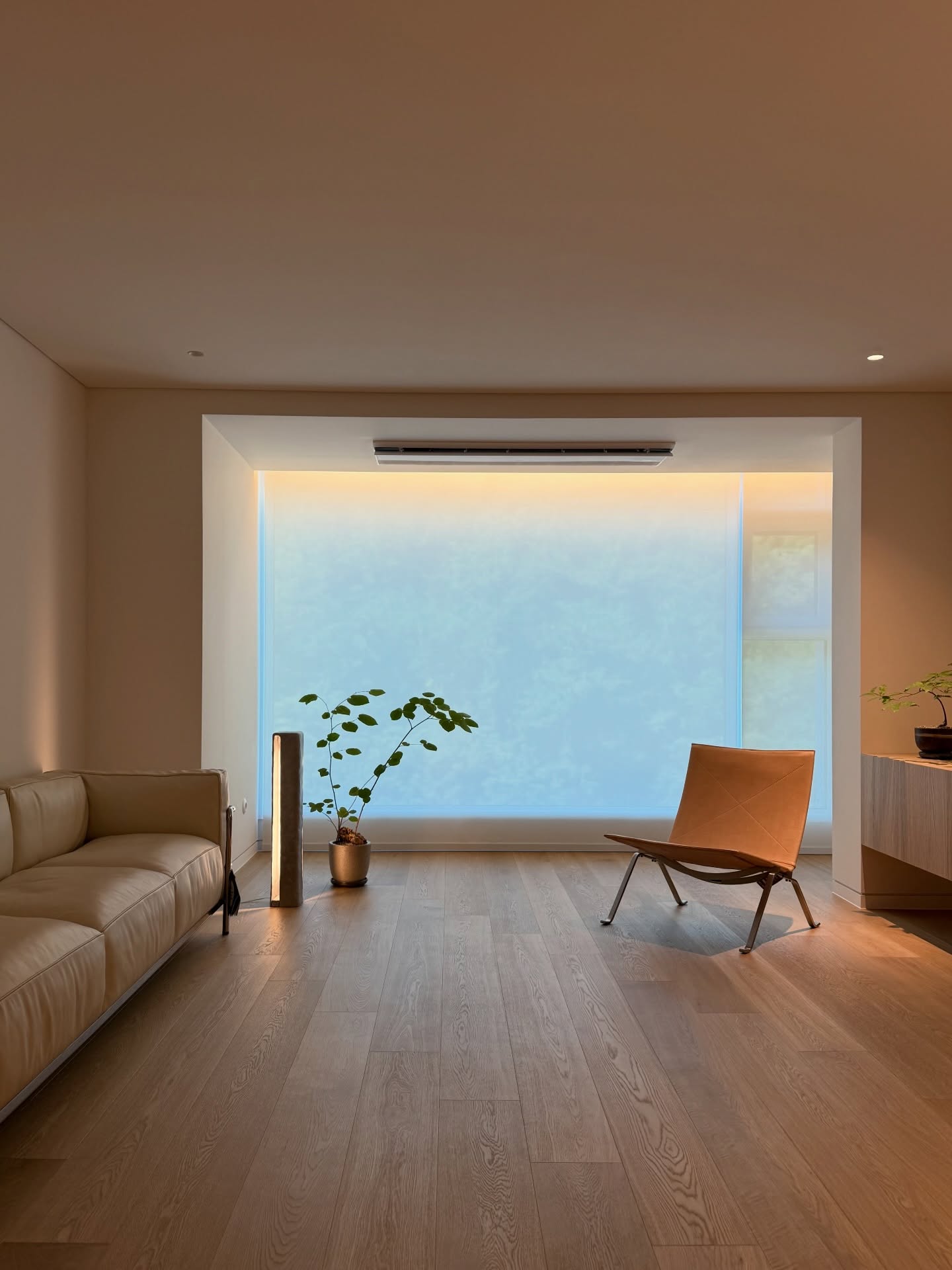
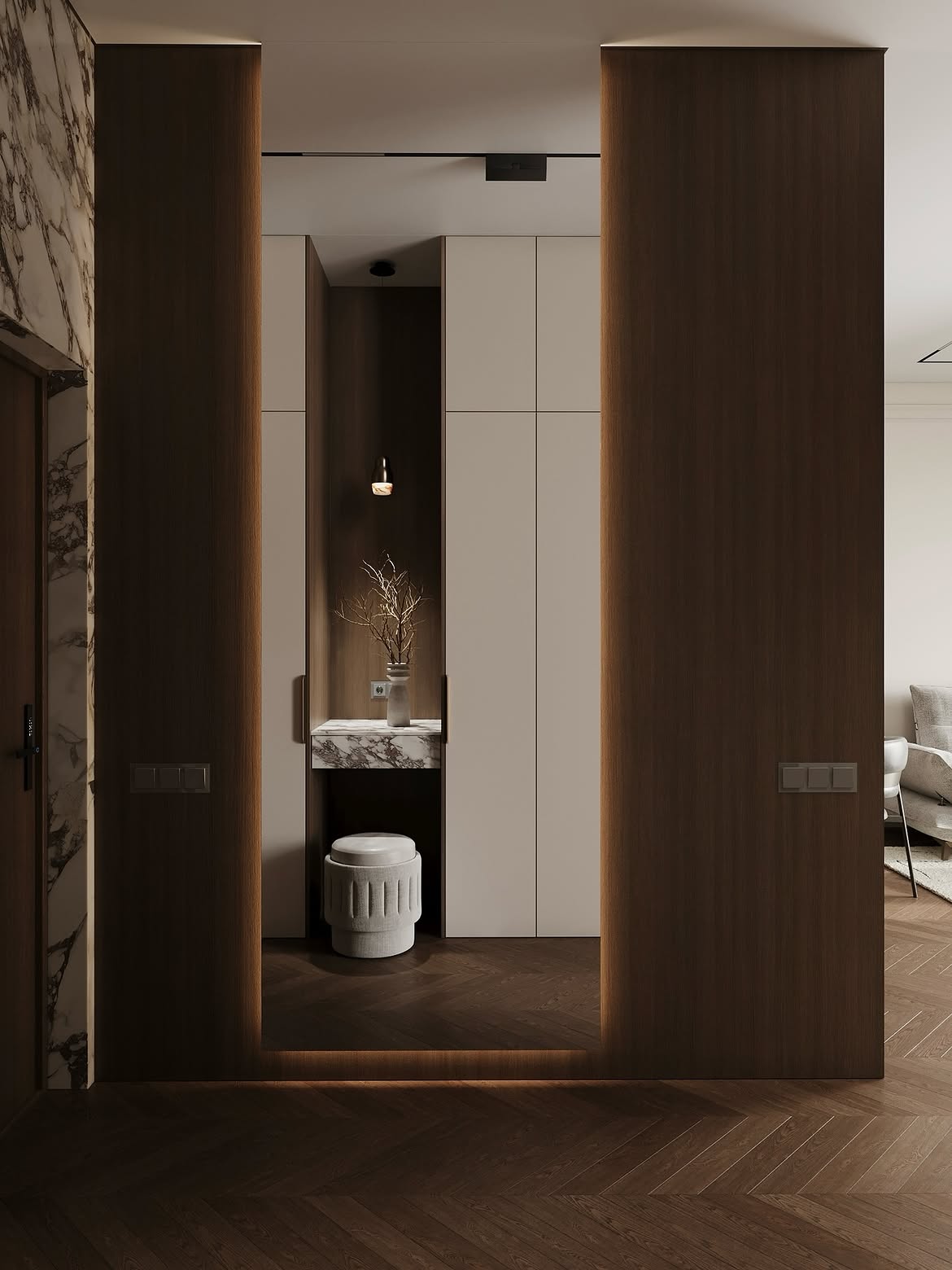
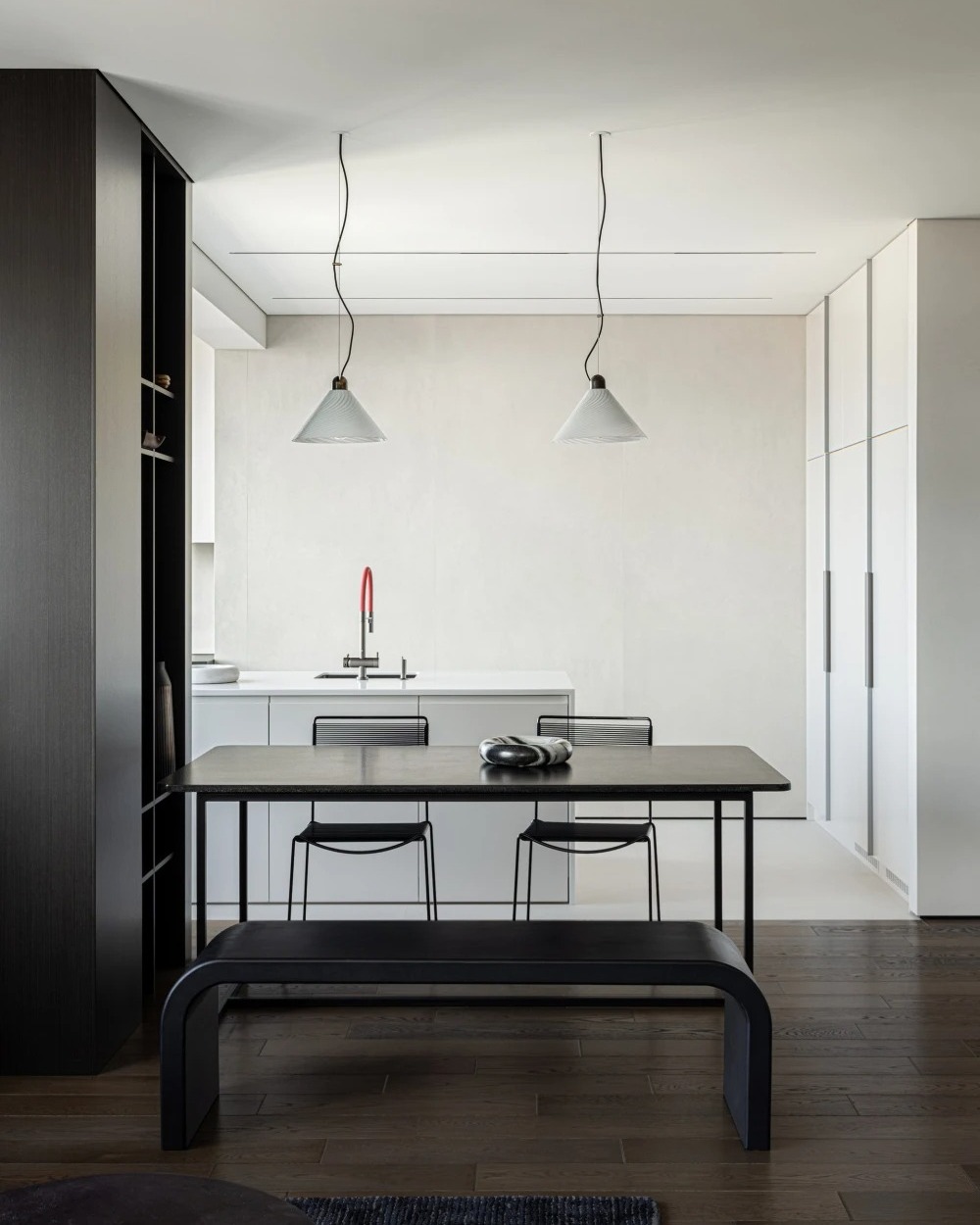
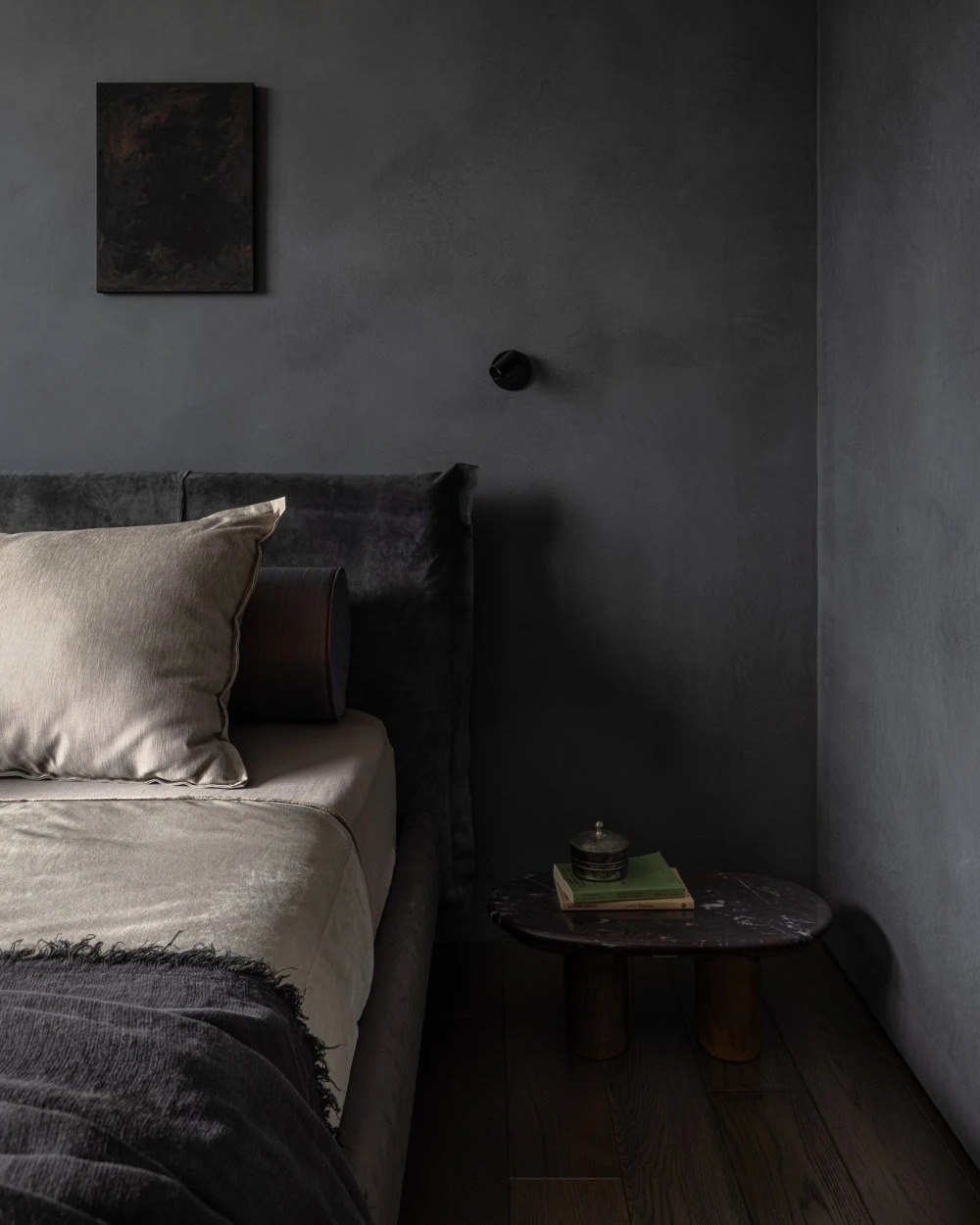
A space is composed of multiple material layers, each with its own role. Walnut is often selected not to dominate them, but to create a measured transition between light, colour and texture within the architecture.
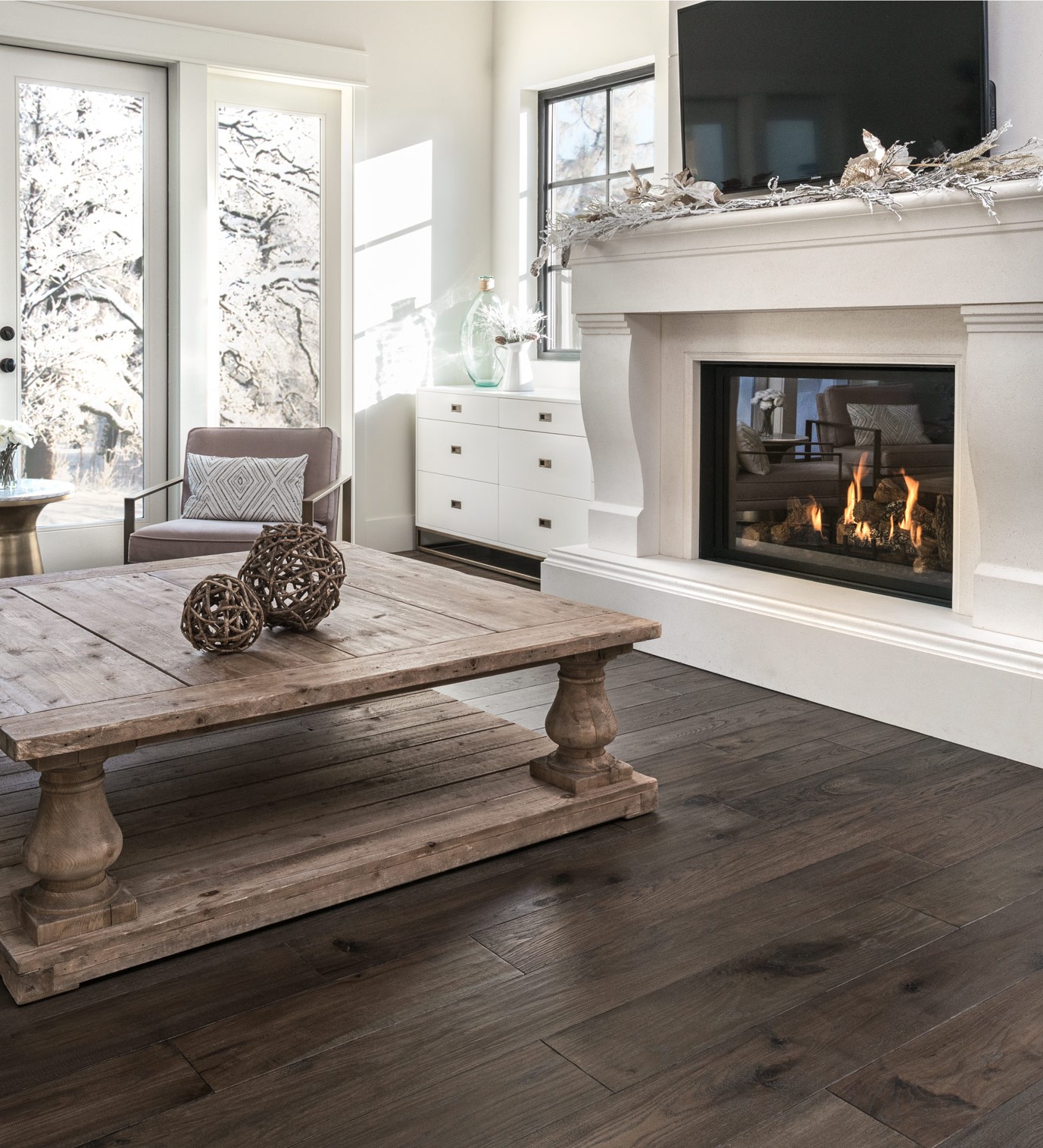
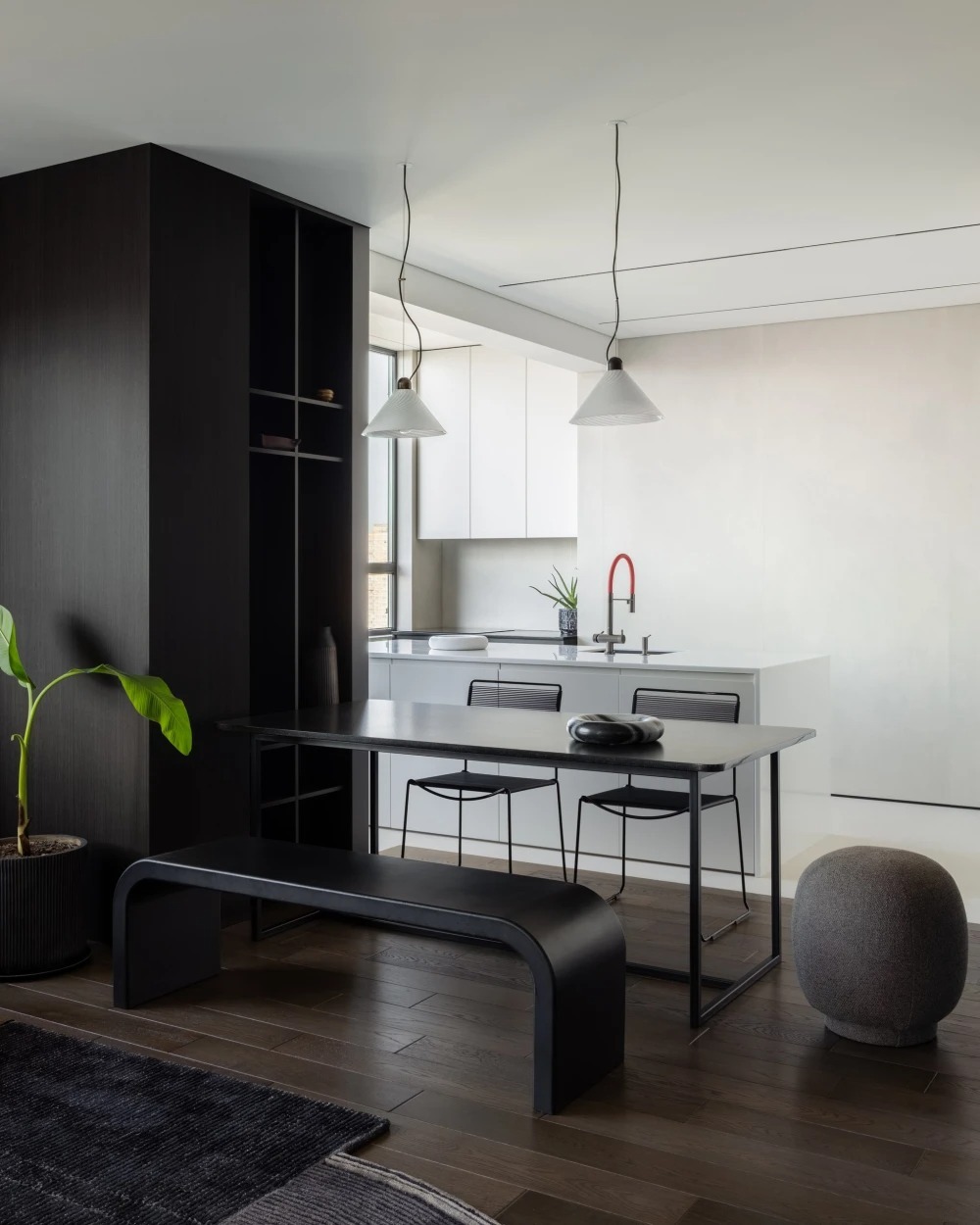
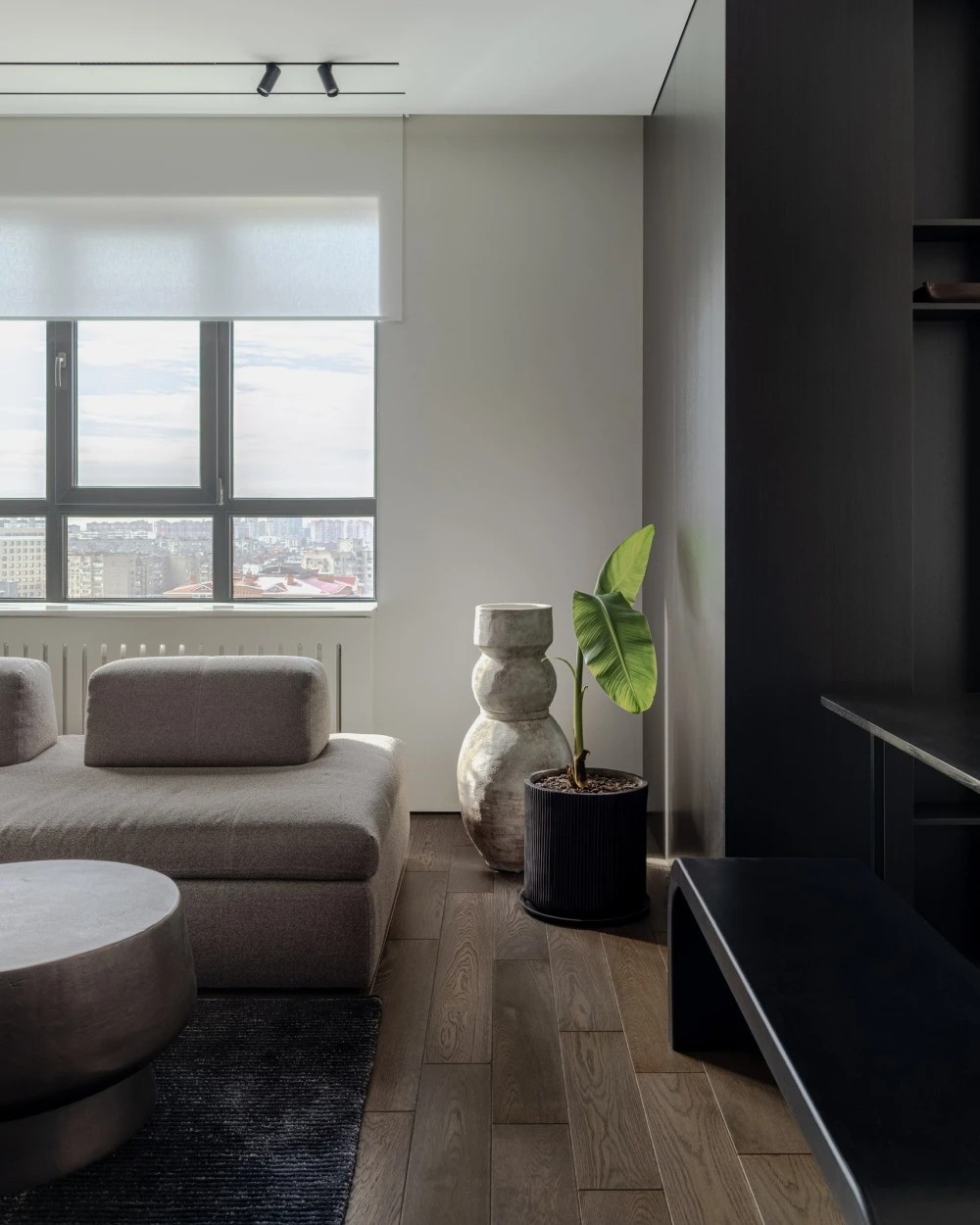
Paired with natural stone, concrete, metal or glass, Walnut’s brown tones temper the coolness of harder surfaces while adding depth without compromising restraint. This makes it particularly compatible with modern and contemporary design languages.
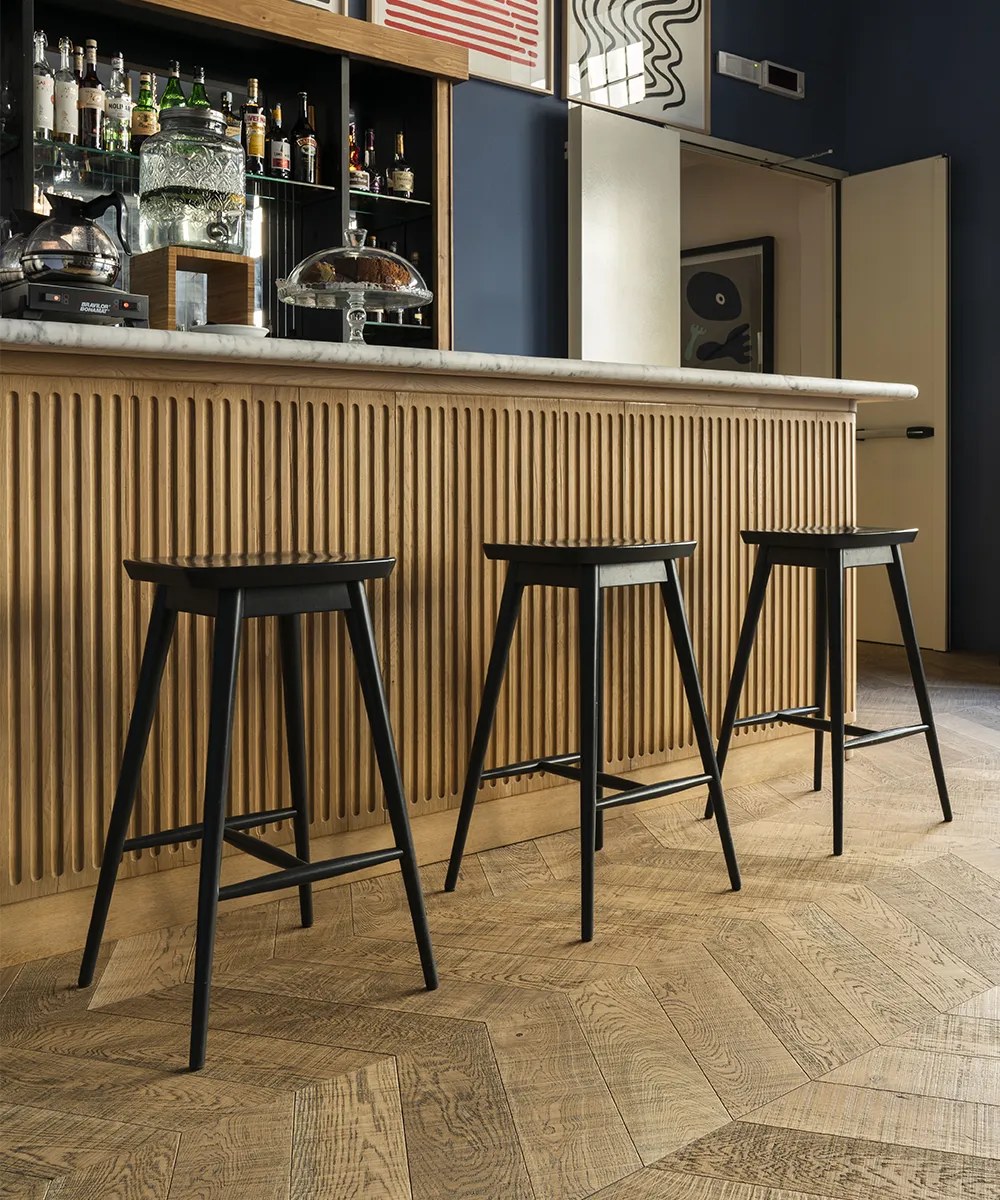
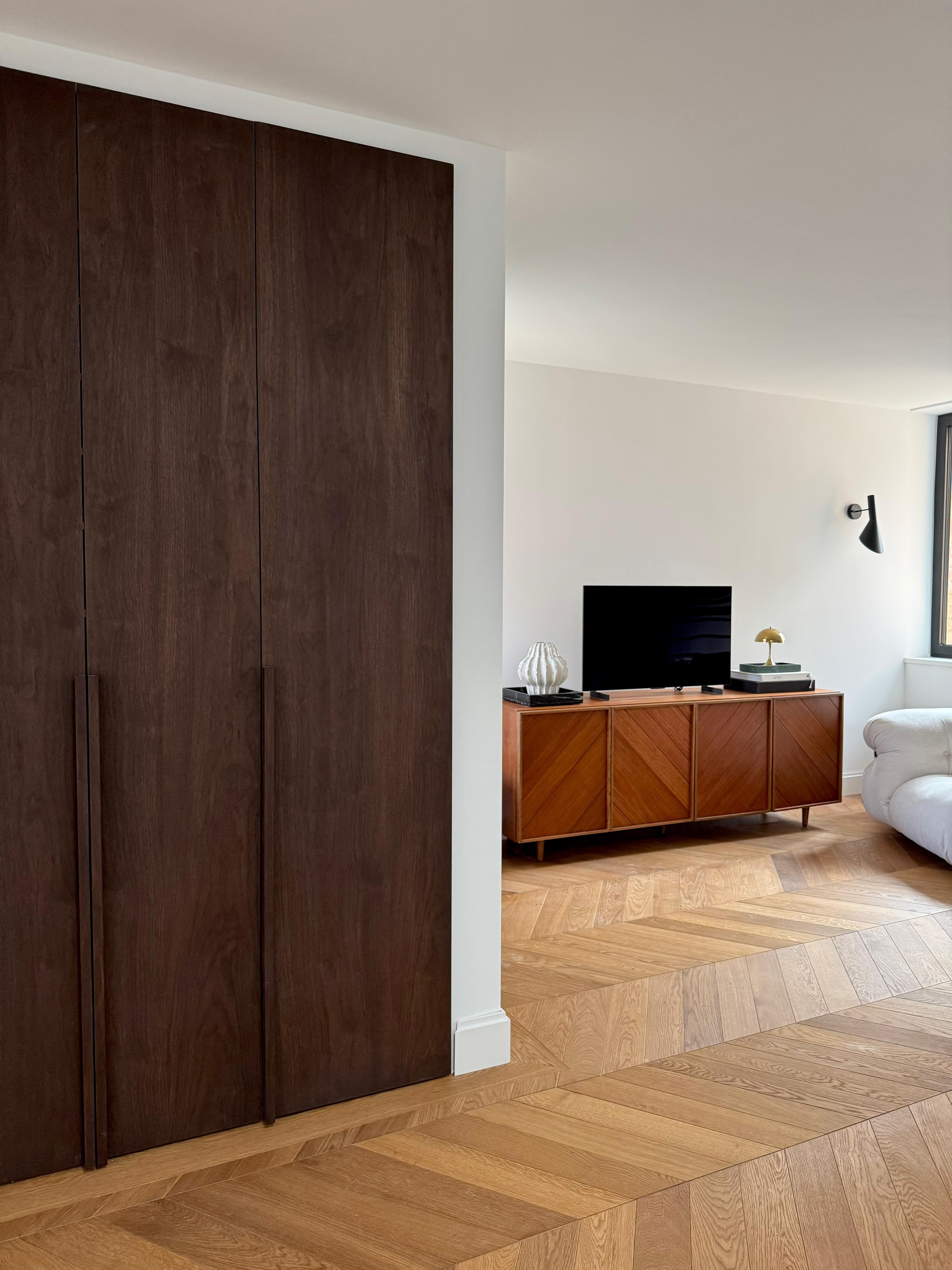
Its adaptability across colour palettes and finishes also allows Walnut to work at different project scales, from homes and apartments to hotels and commercial spaces. Whether used for flooring, wall cladding or furniture, it remains connected to the whole rather than becoming an isolated feature.
Walnut in engineered wood flooring
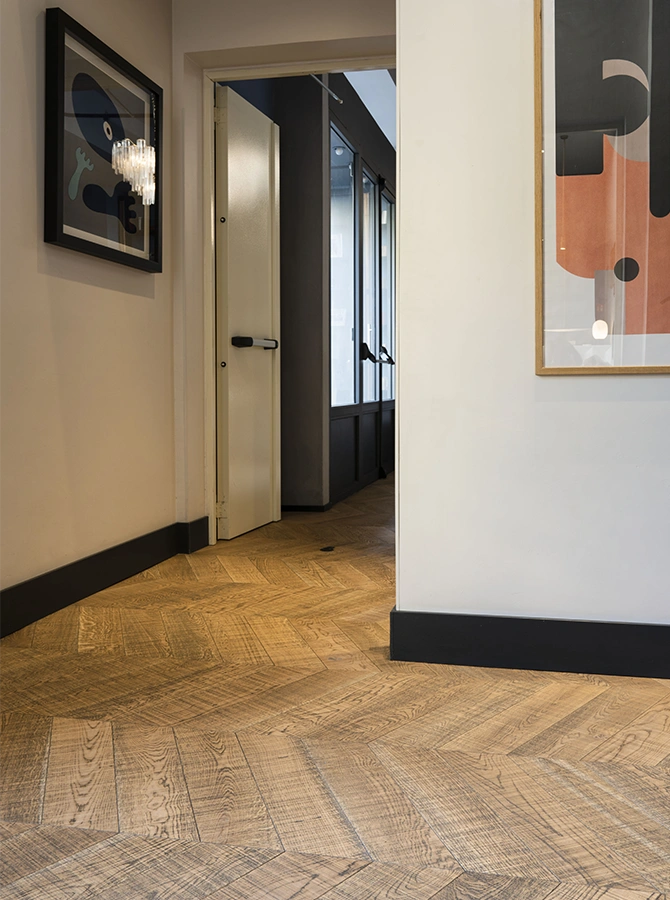
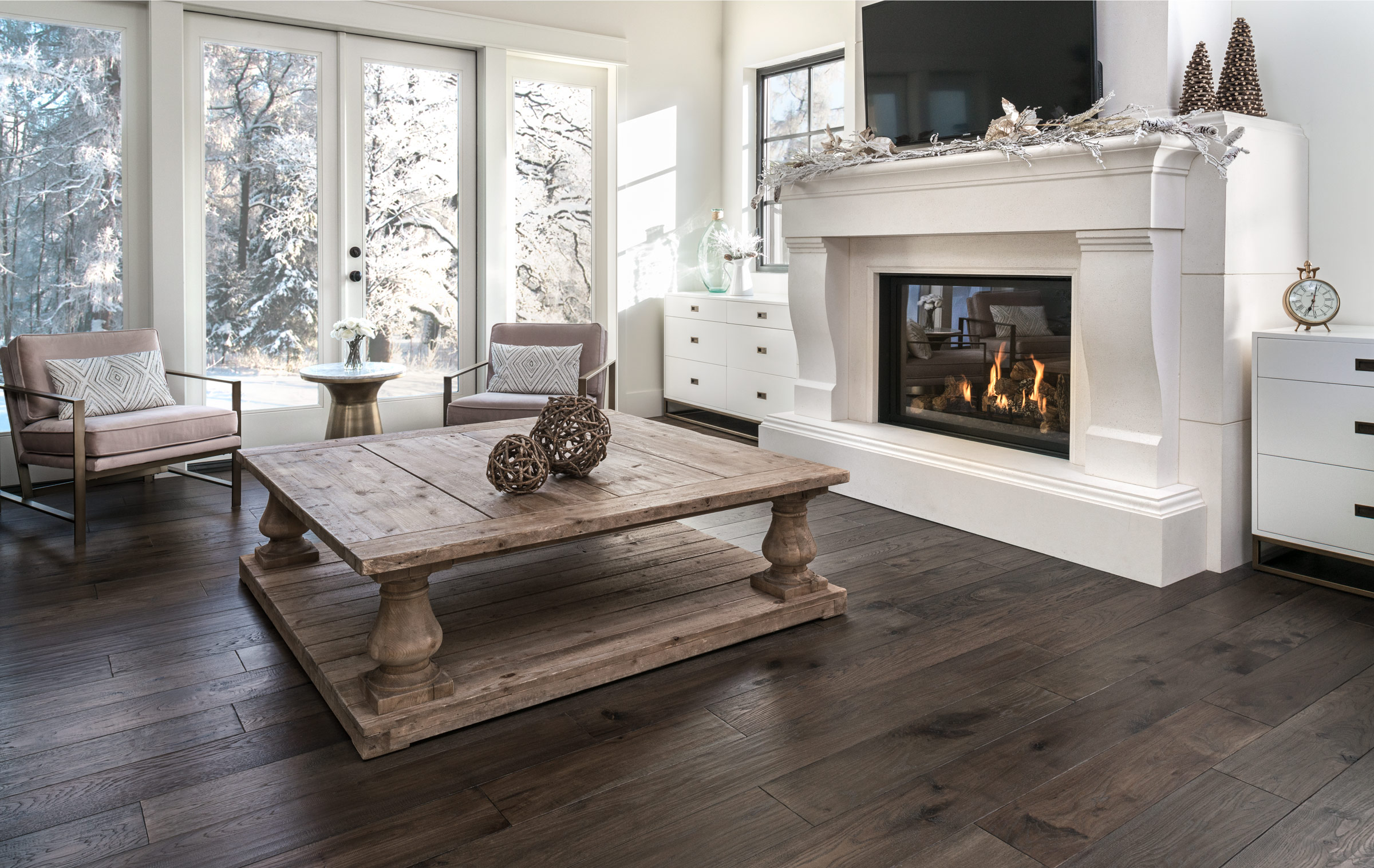
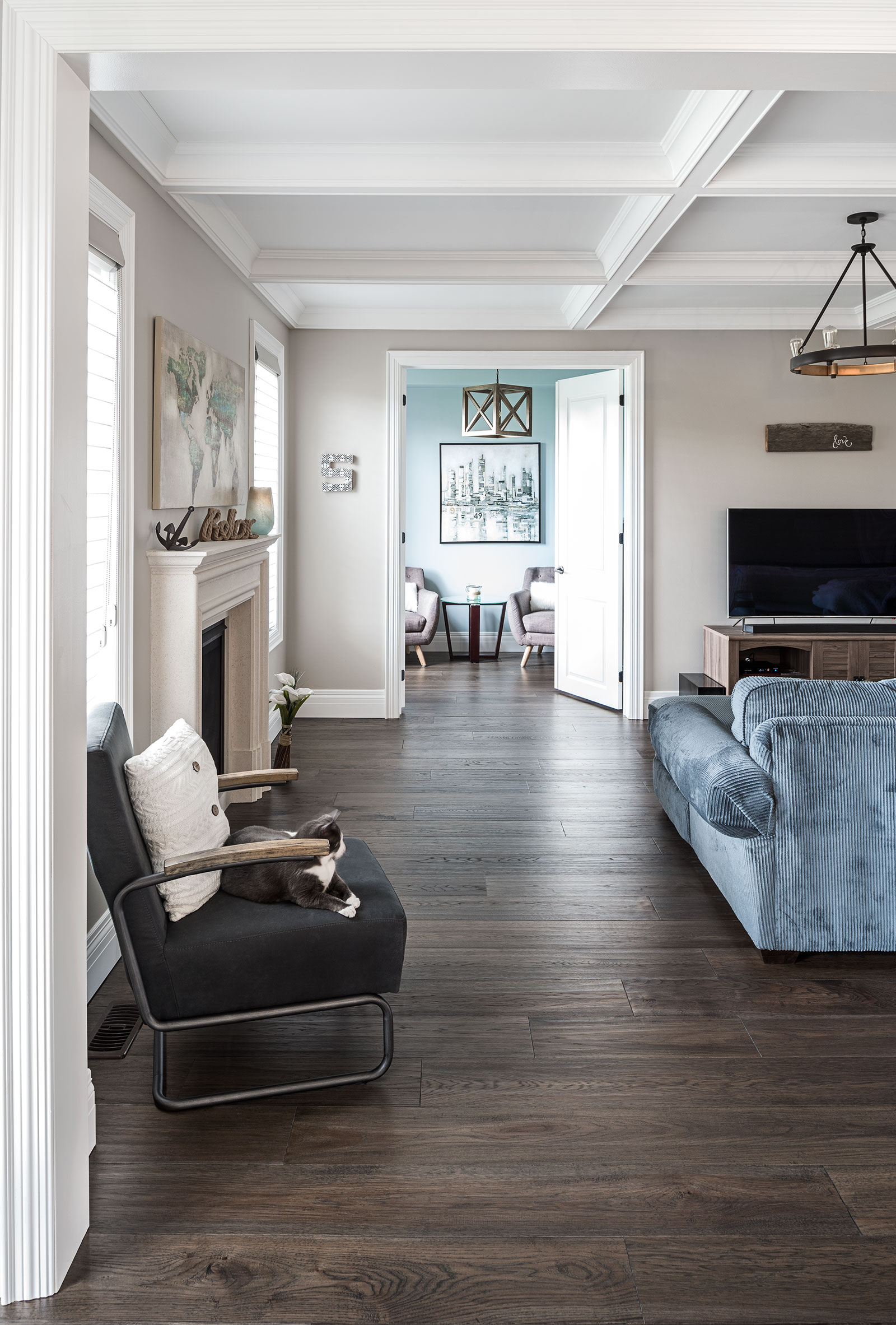
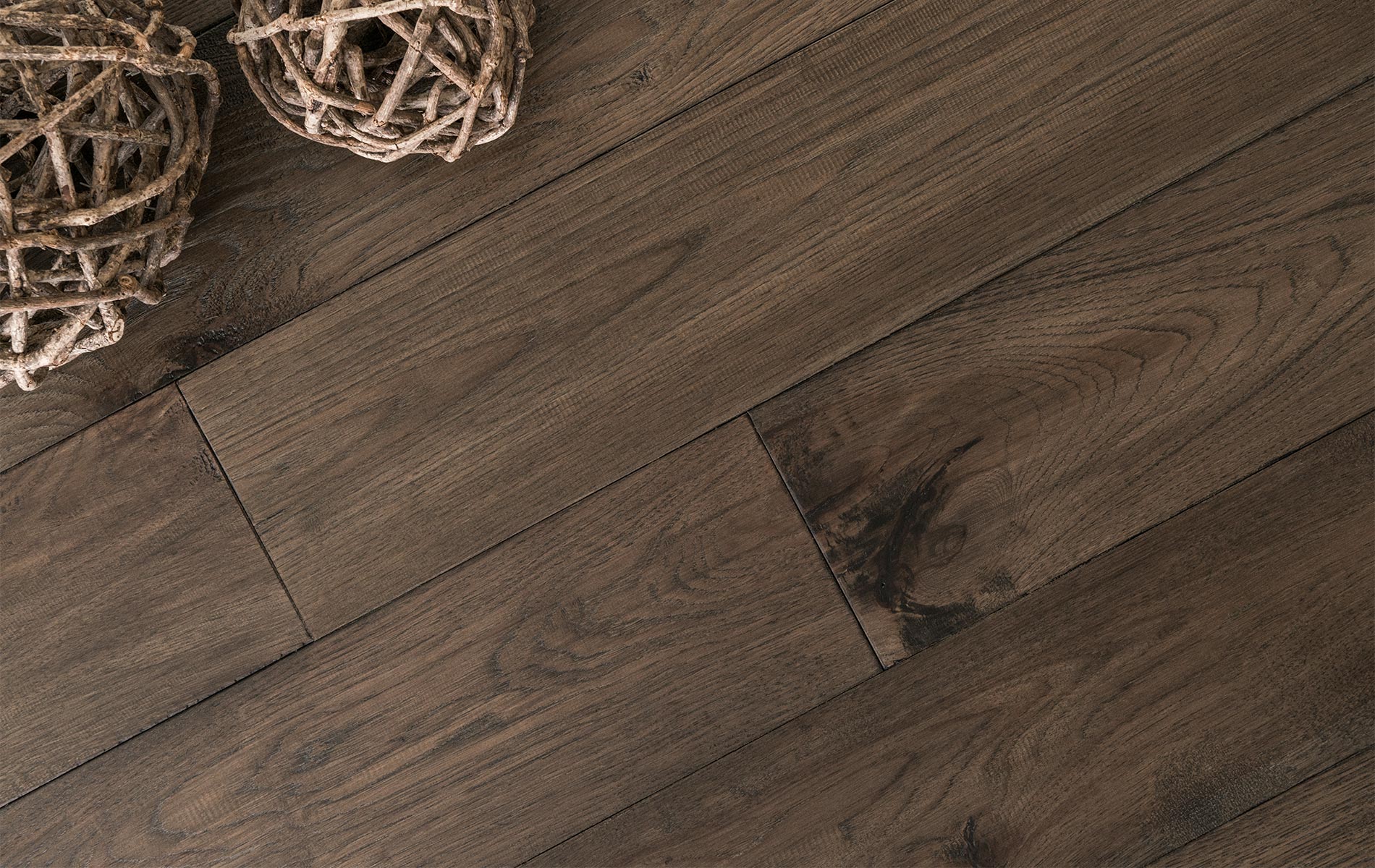
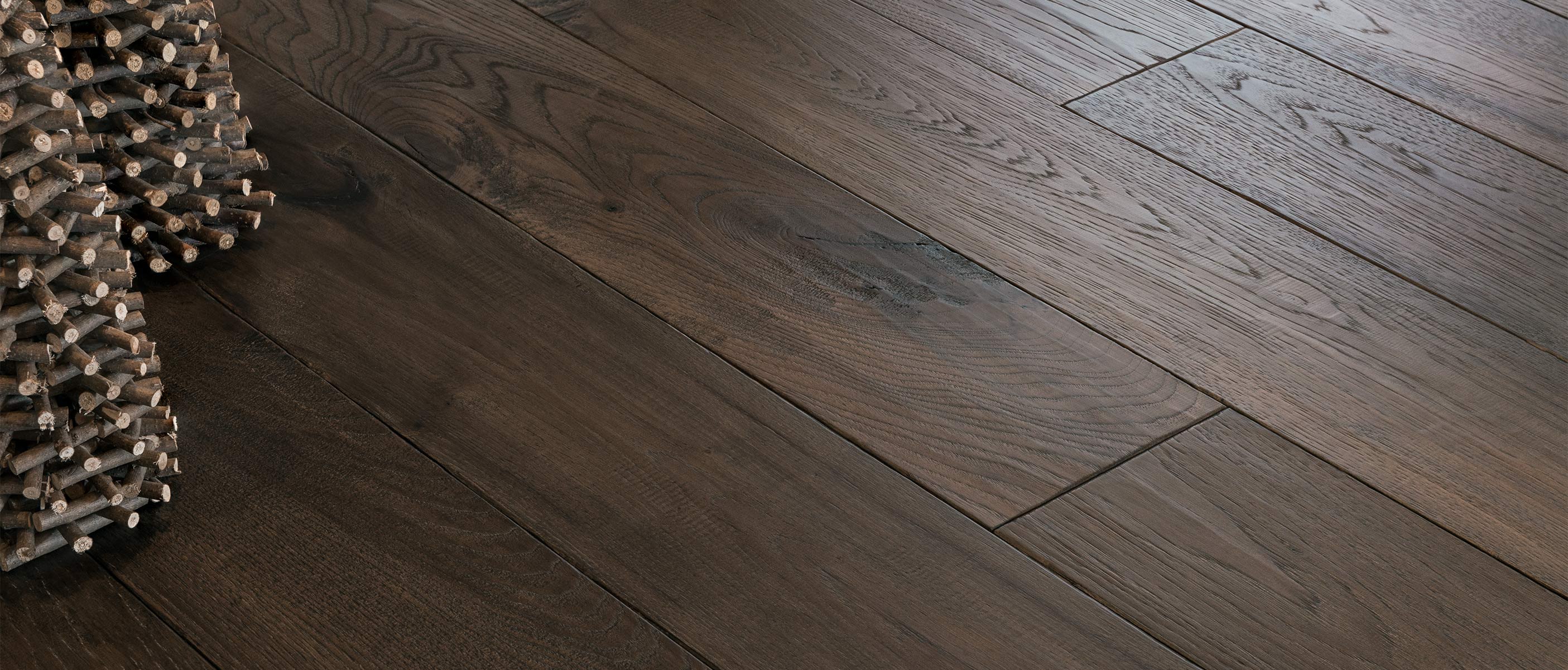
Beyond furniture and joinery, Walnut is also used as the natural surface layer of engineered wood flooring. Its multi-layer construction improves stability as conditions change, while the Walnut wear layer retains the species’ natural colour and distinctive grain.
Combined with finishing methods such as Oil Finish, the Walnut surface can remain close to the character of the original timber while revealing greater depth under different lighting conditions.
This approach combines the character of natural wood with the stability and practical versatility of engineered flooring in contemporary projects.