Language

Background

TEAK

A wood valued for its natural beauty, stability and long-term relevance in modern architecture.

Teak Wood: An Enduring Material in Modern Architecture

A wood valued for its natural beauty, stability and long-term relevance in modern architecture.

Not every material retains its value after years of use. Some surfaces gradually deteriorate, while others reveal greater depth with time. Teak belongs to the latter group. From residences to hotels, resorts and refined interiors, it is recognised for balancing natural beauty with long-term use.

In engineered wood flooring, Teak provides a visually rich natural surface while offering characteristics that help it adapt to varied conditions. Its combination of colour, grain and stability has supported its broad use in modern architecture.

What makes Teak so highly regarded?

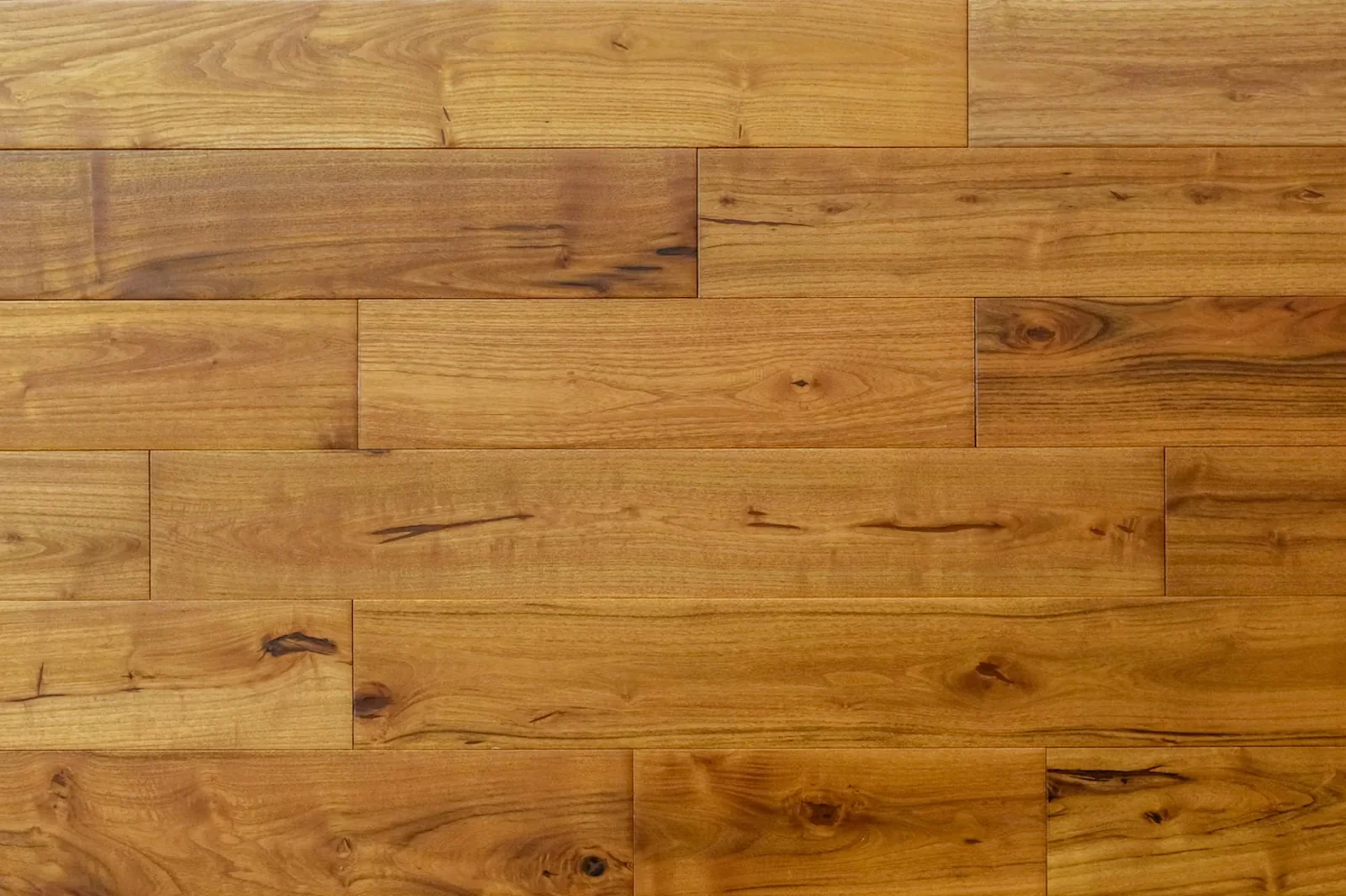
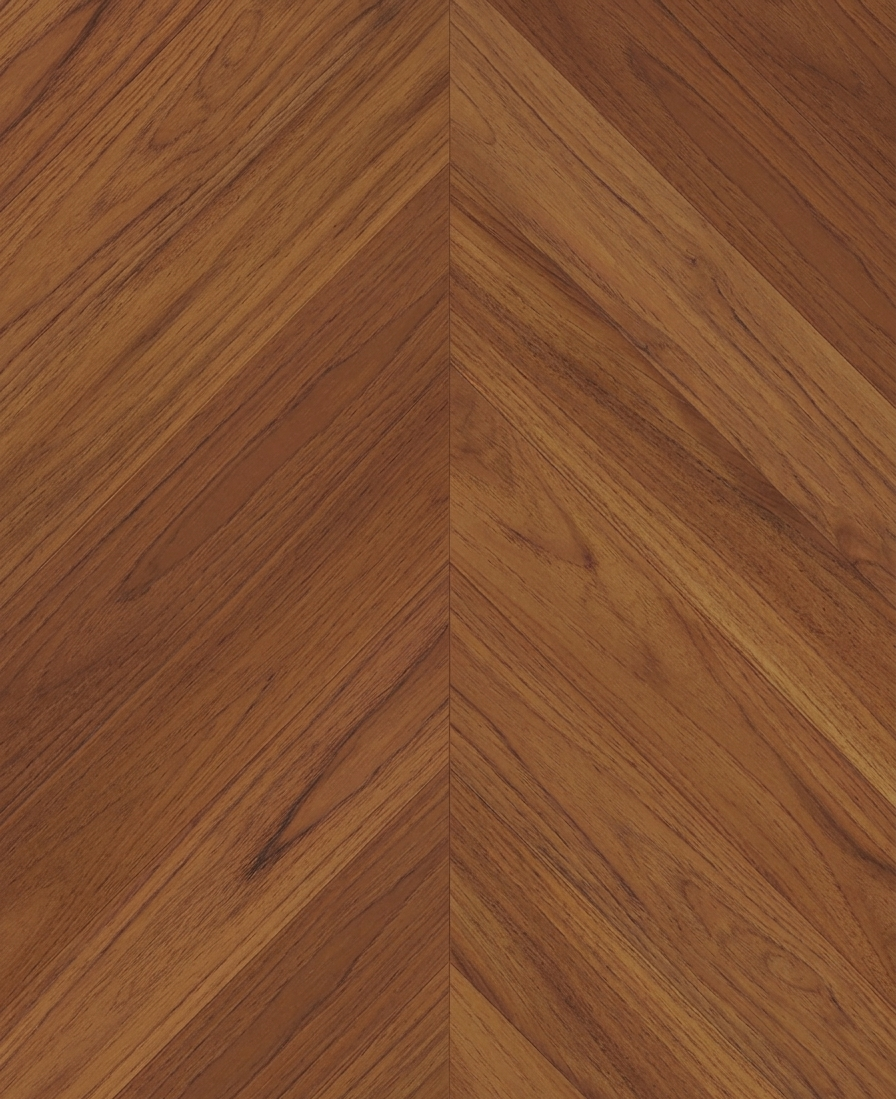
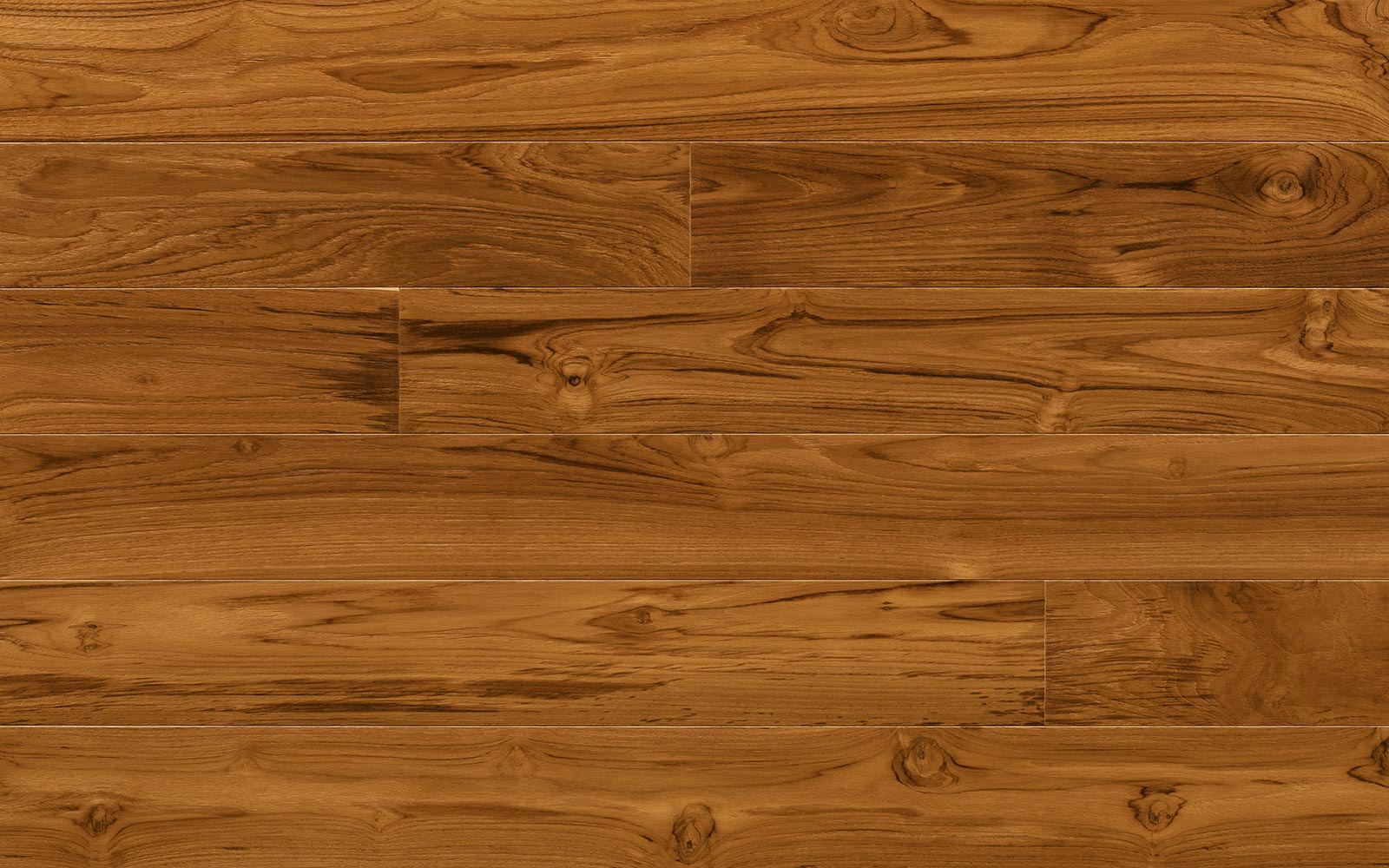
Teak is a tropical wood recognised by its characteristic golden-brown colour and smooth, consistent grain. Over time its tone tends to deepen, developing naturally without losing the material’s underlying identity.

One of Teak’s defining characteristics is the natural oil within its grain. This is often associated with the wood’s stability across different environmental conditions and contributes to the durability for which Teak has long been known.

Teak’s value therefore extends beyond appearance. It combines visual character, inherent material qualities and the capacity to remain relevant over time, sustaining its place in contemporary interiors and architecture.
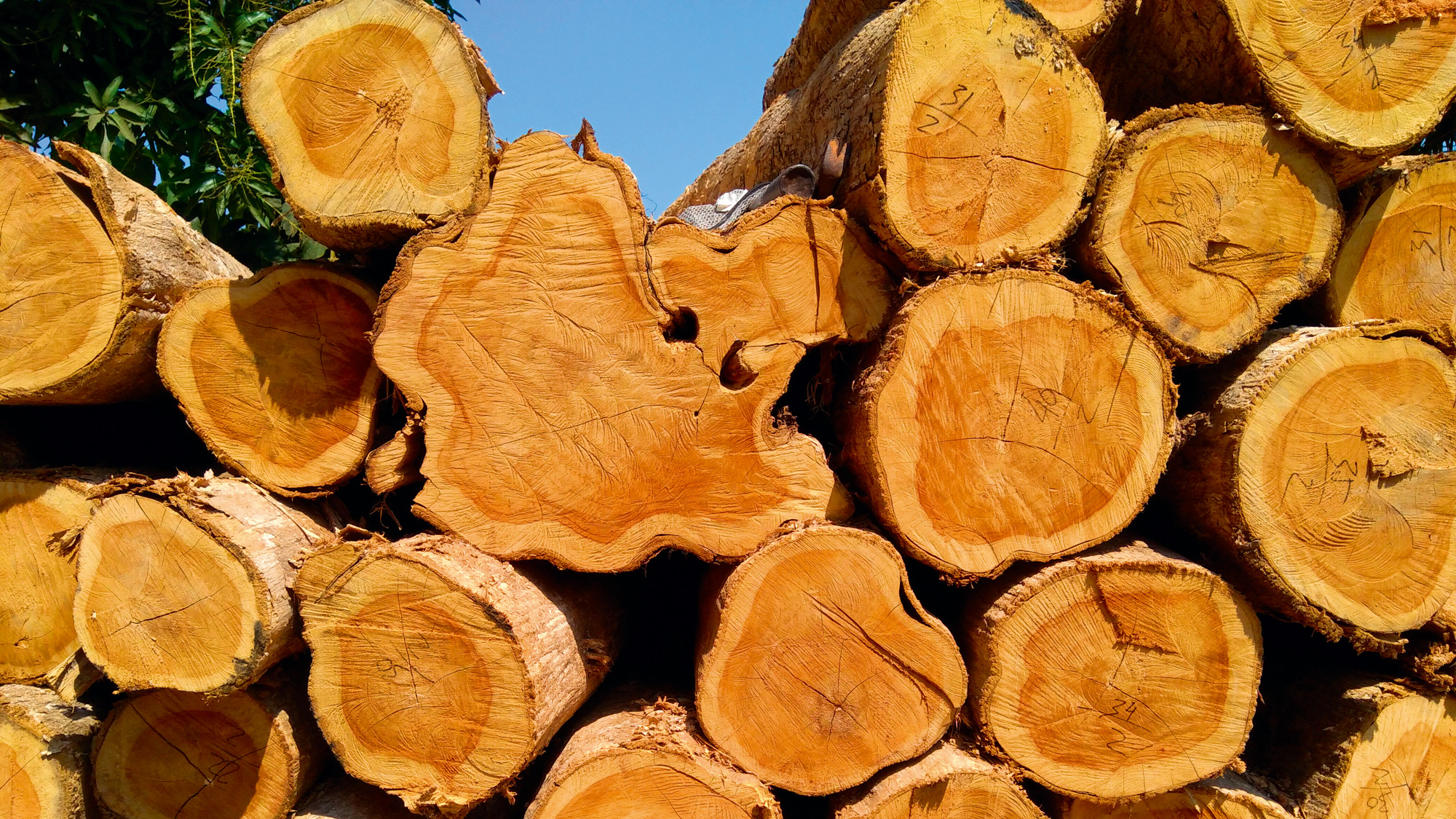
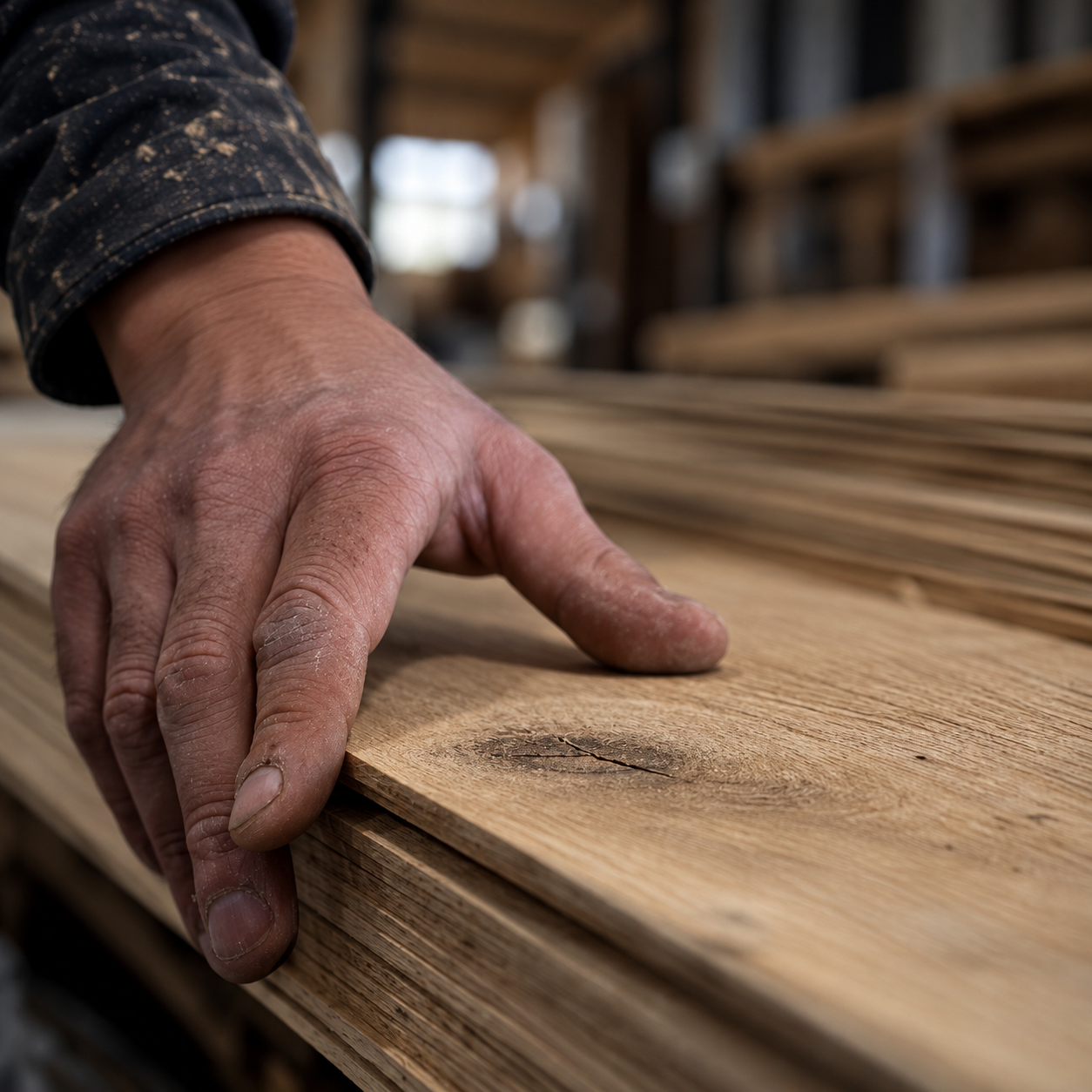
Natural Teak grain detail
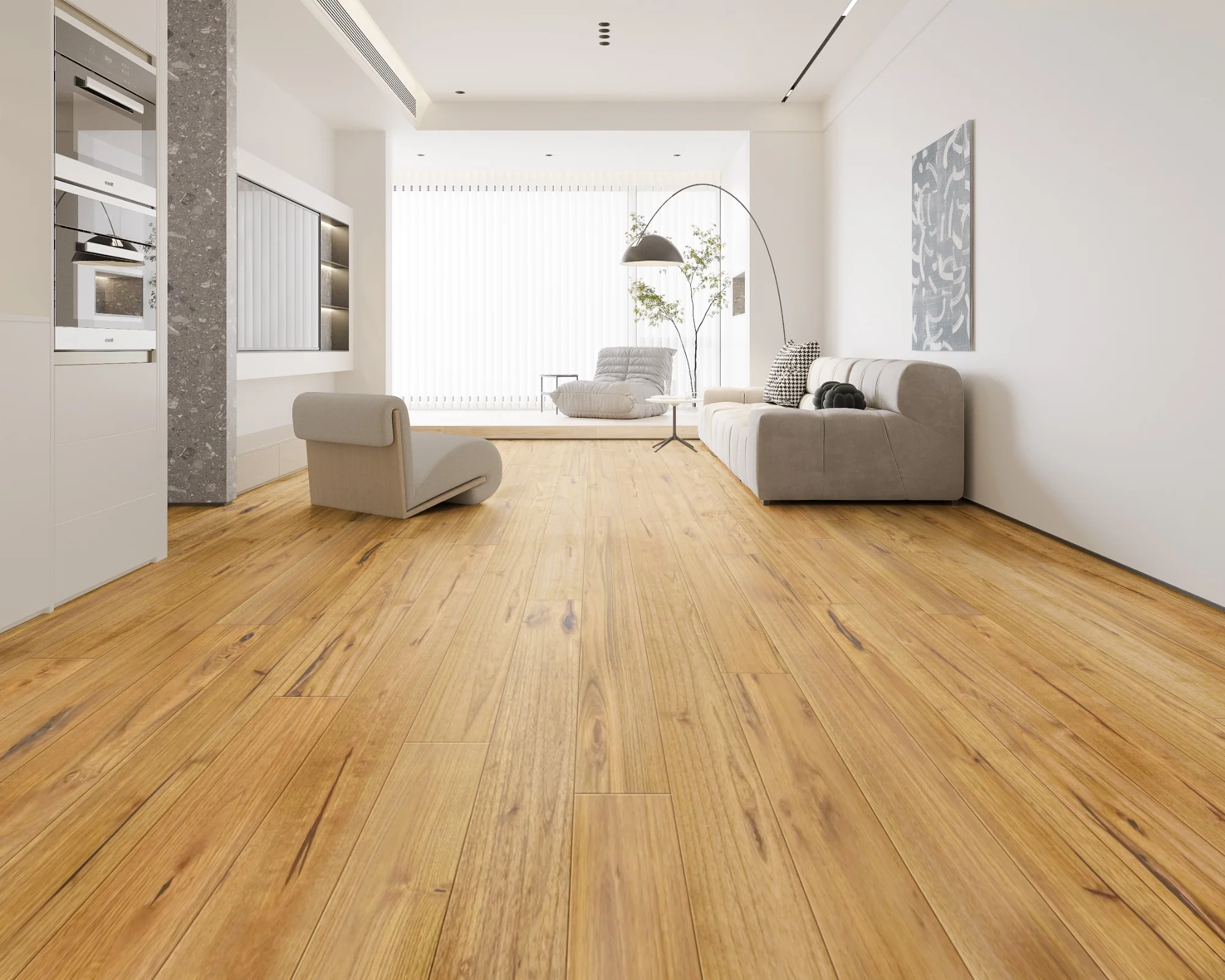
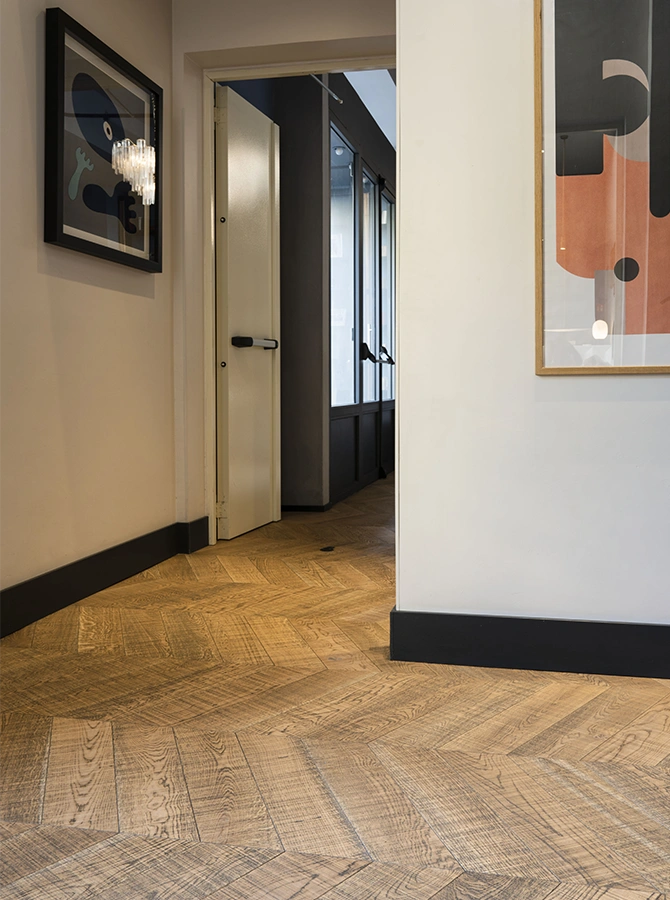
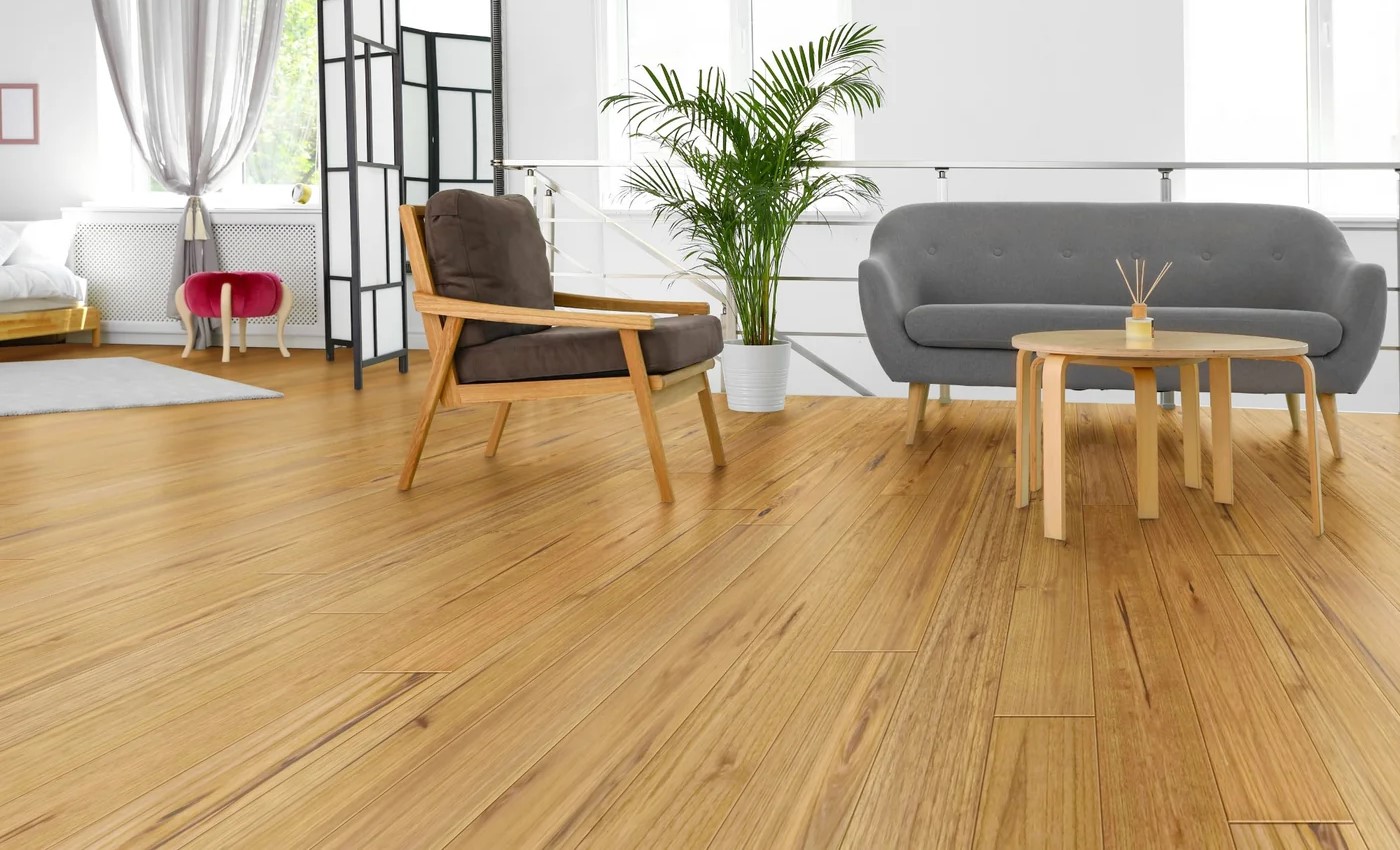
Teak flooring surface with warm tones

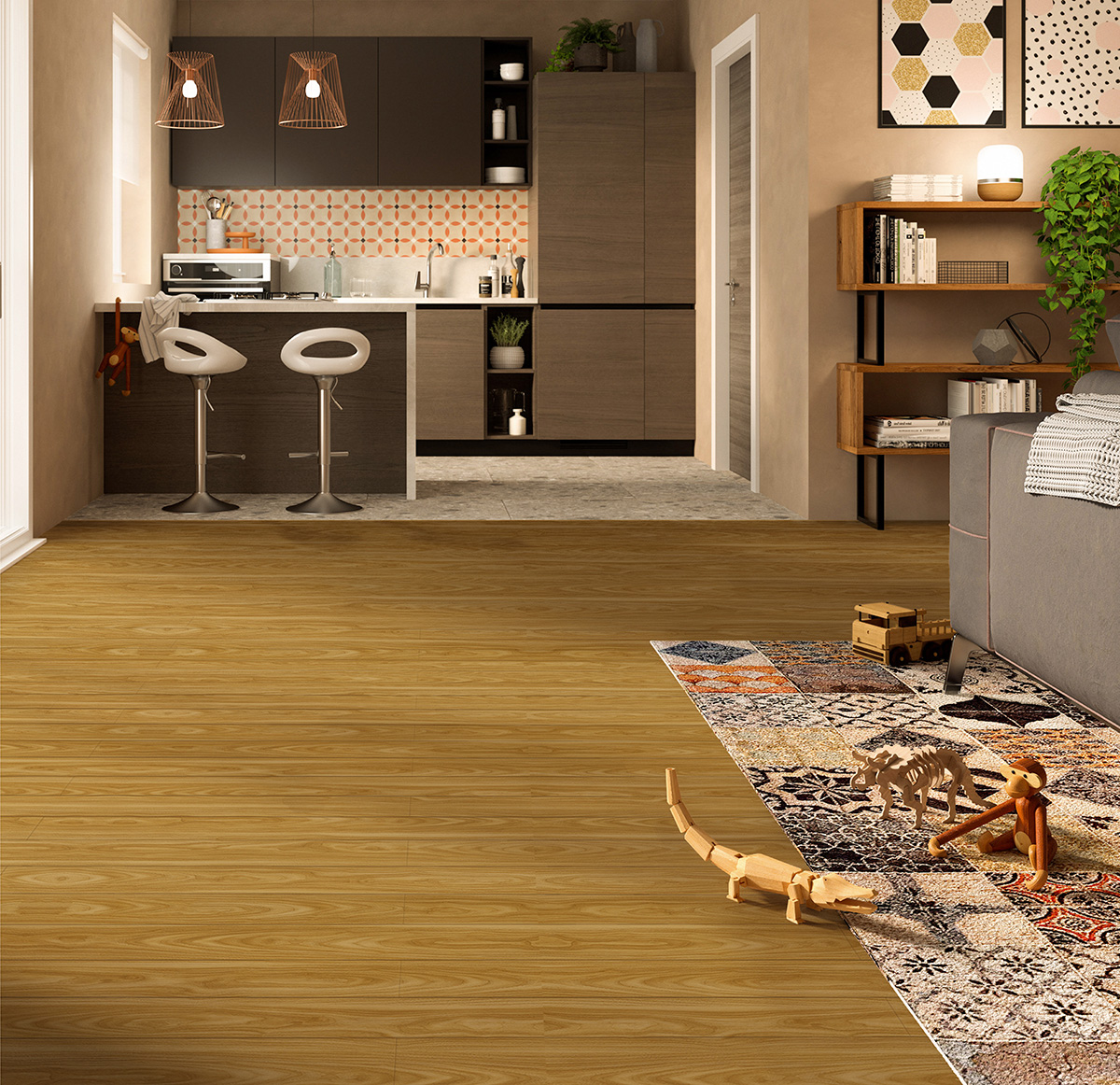
Teak colour and grain in the interior

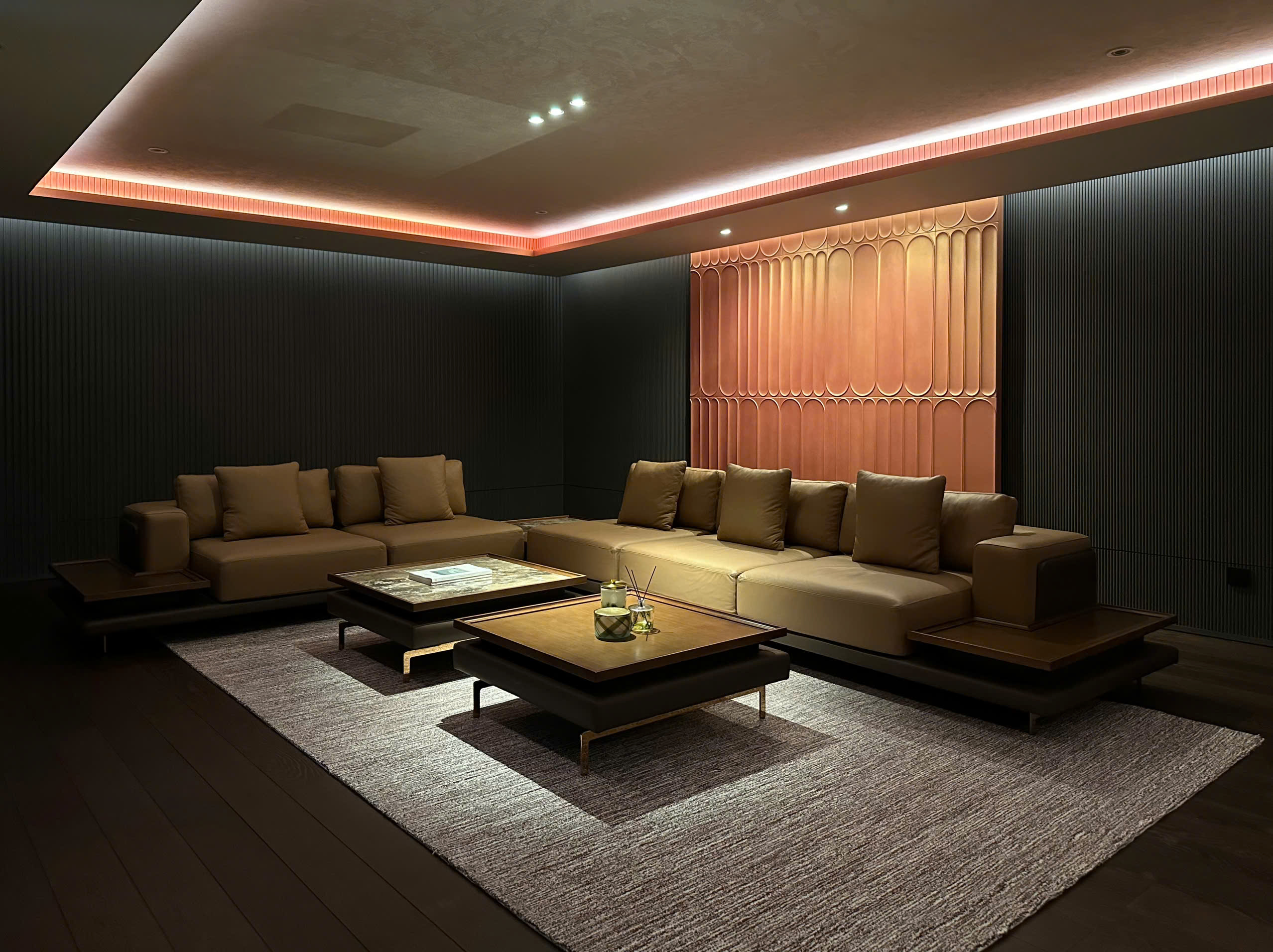
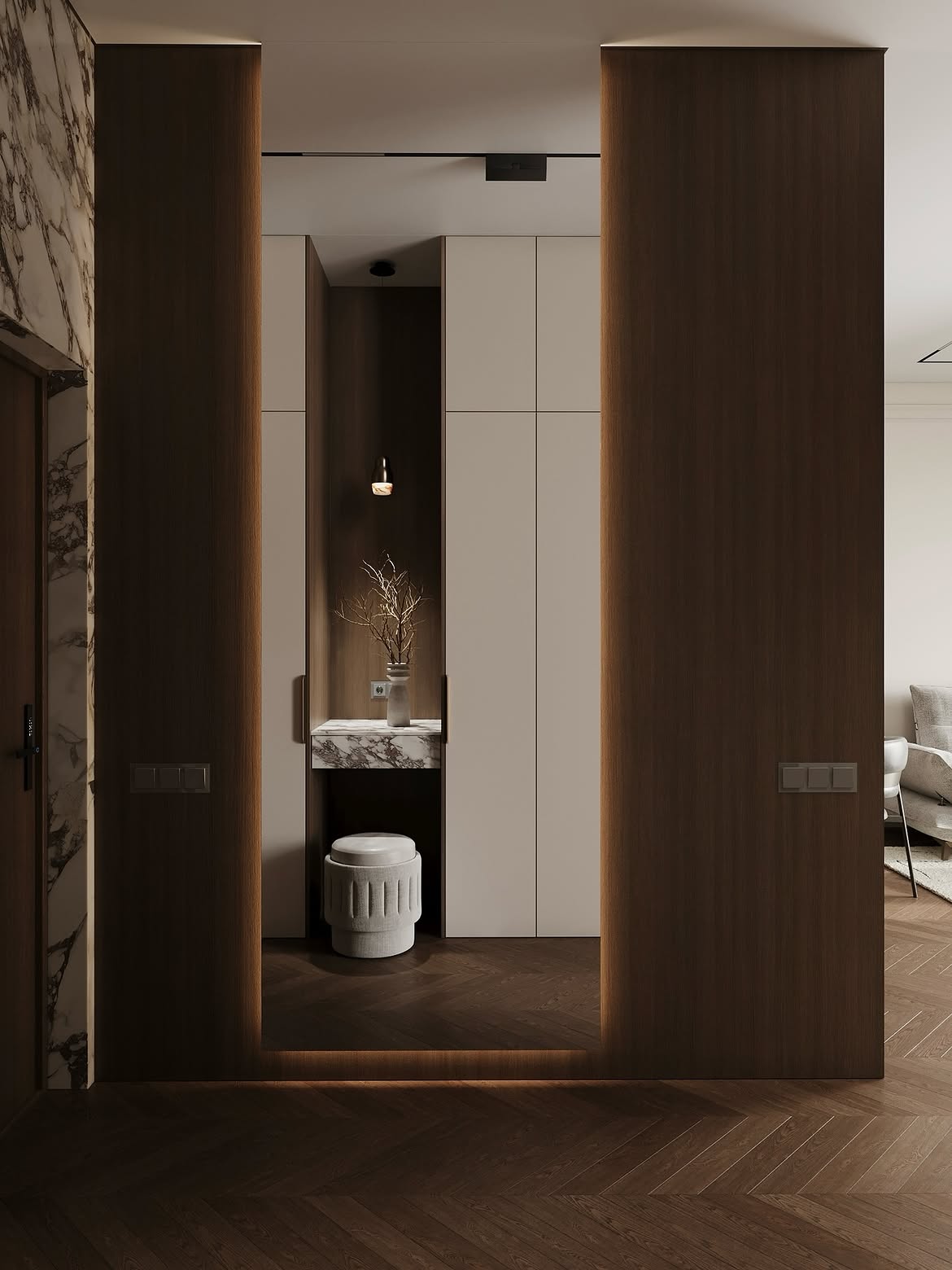
Teak often brings an immediate sense of warmth and balance. Its golden-brown tone connects naturally with palettes ranging from quiet neutrals to deeper shades. Colour is one of the factors that directly shapes the overall perception of a project, much like the way wood flooring colour shapes a space.

Beyond colour, Teak tends to have a continuous, natural grain that gives the surface texture without excessive contrast. With an appropriate finish, it retains the identity of natural wood while remaining harmonious across large areas.

This balance of colour, grain and adaptability makes Teak relevant across many project types. For a broader view of how different materials work in architecture, explore our article on natural wood species used by NOËL Parquet.

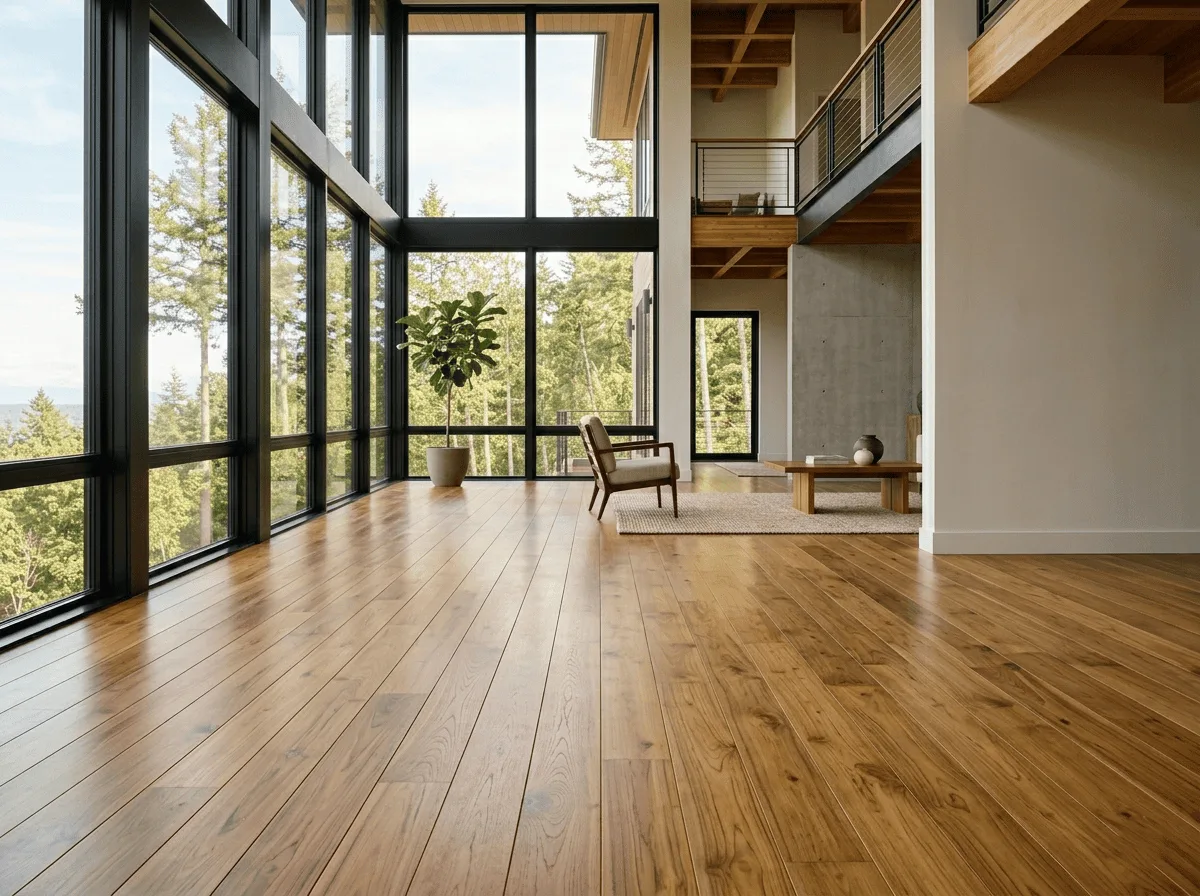
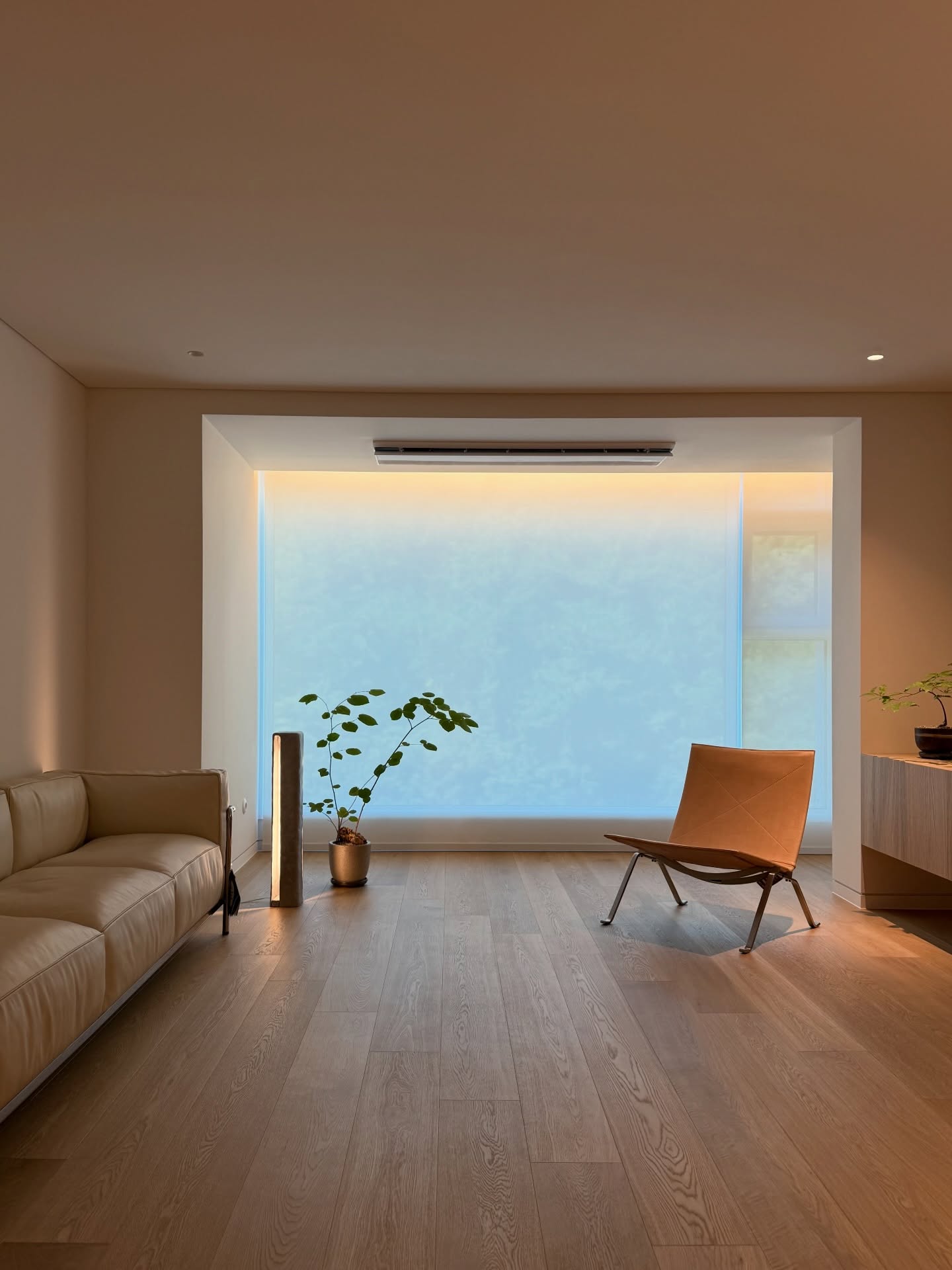
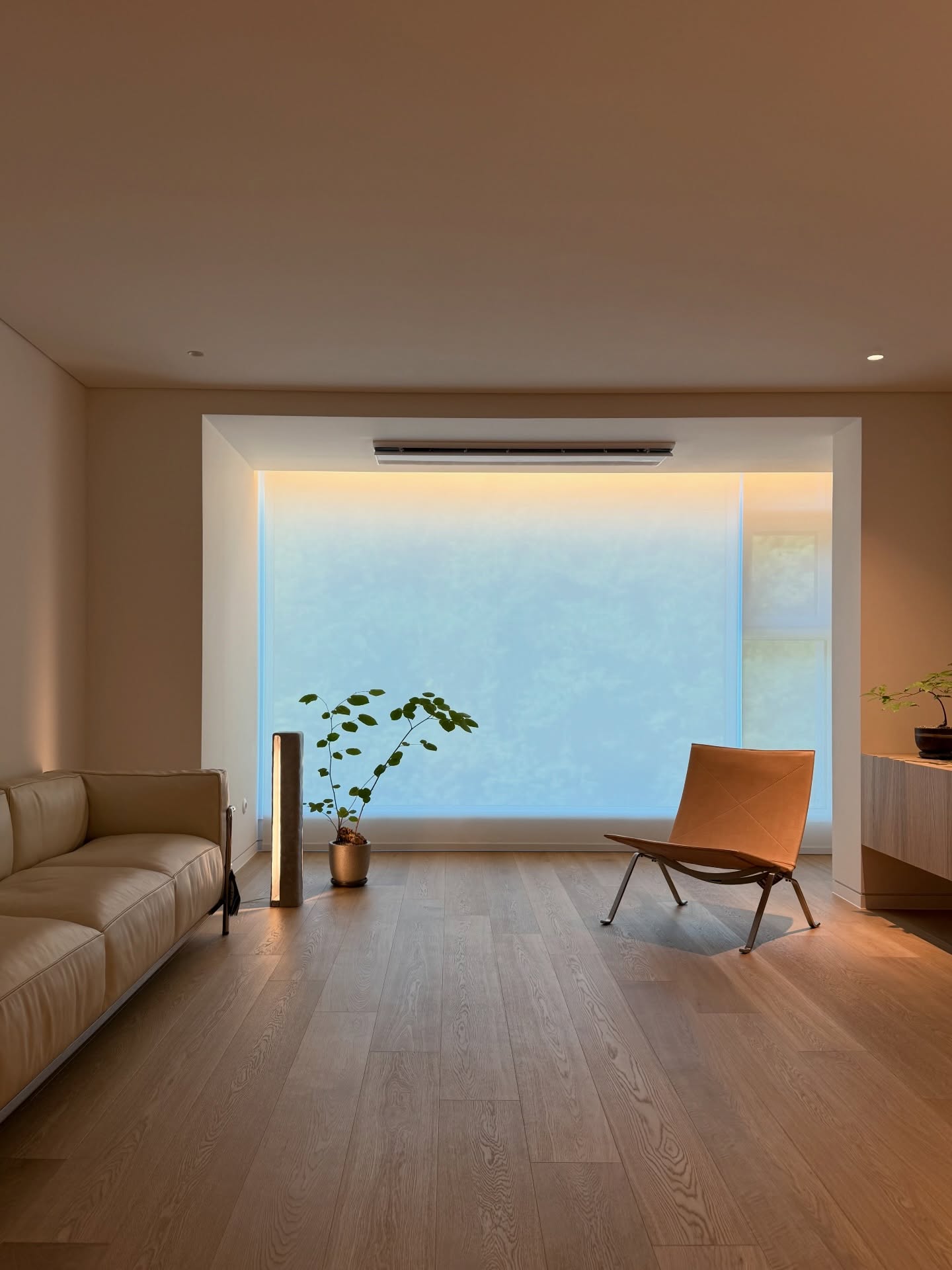
Teak interior under natural light
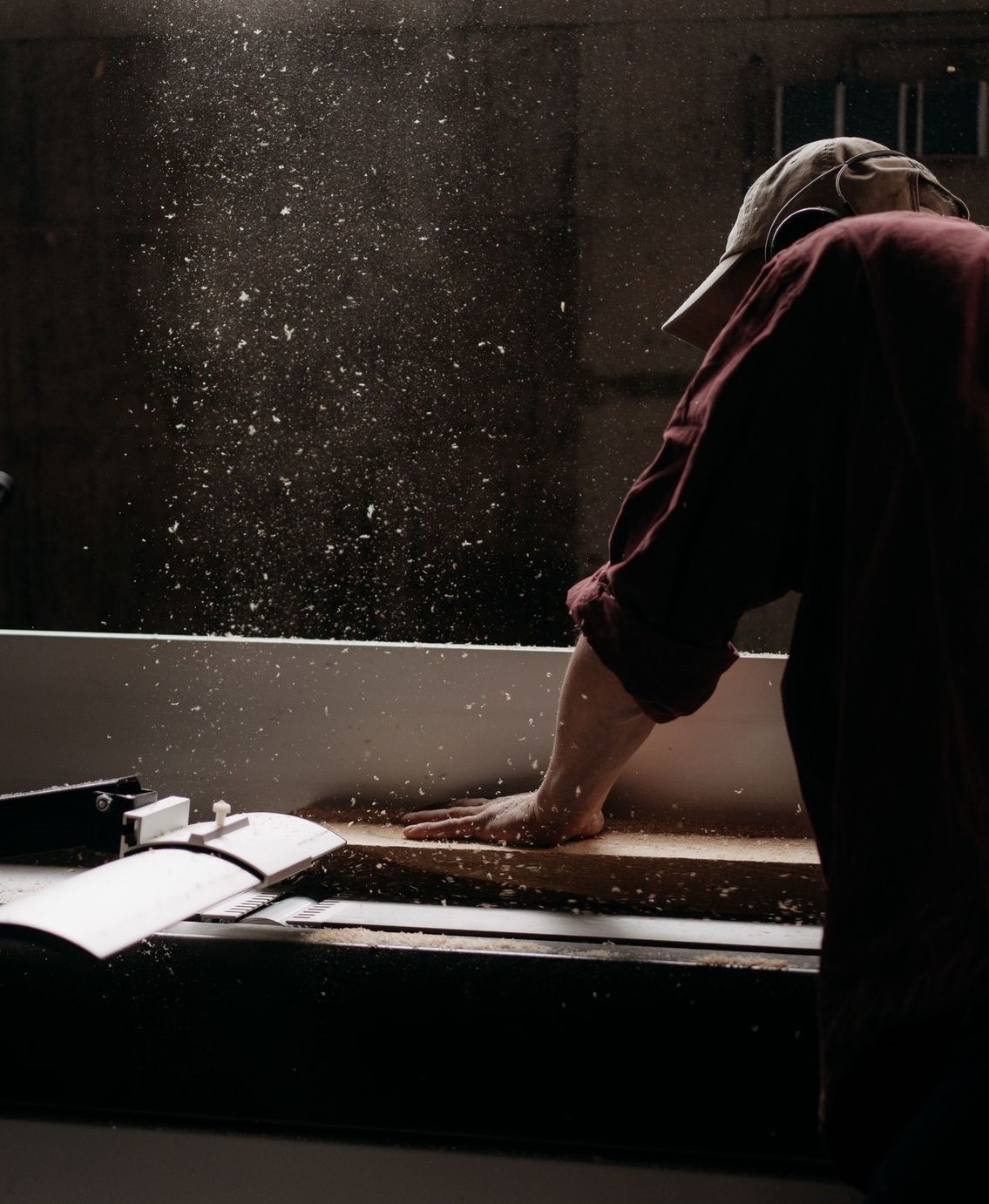
Teak surface detail in a modern interior

Why has Teak remained relevant across generations of architecture?

Teak’s value comes not from one isolated trait but from the balance between natural beauty and dependable stability in use. That balance keeps it from being confined to a single design language or project type.

From homes and hotels to resort environments, Teak feels approachable yet carries enough depth to remain with the architecture for years. Its surface continues to develop with time rather than simply losing its initial character.

When used in engineered wood flooring, the natural Teak layer retains its inherent character while working with a multi-layer construction to improve overall floor stability. This makes it a considered choice for projects focused on long-term use.

Teak in engineered wood flooring

In engineered wood flooring, Teak is commonly used as the natural top layer, preserving its colour, grain and tactile authenticity. The structure beneath supports stability while the Teak surface carries the visual character of the floor.

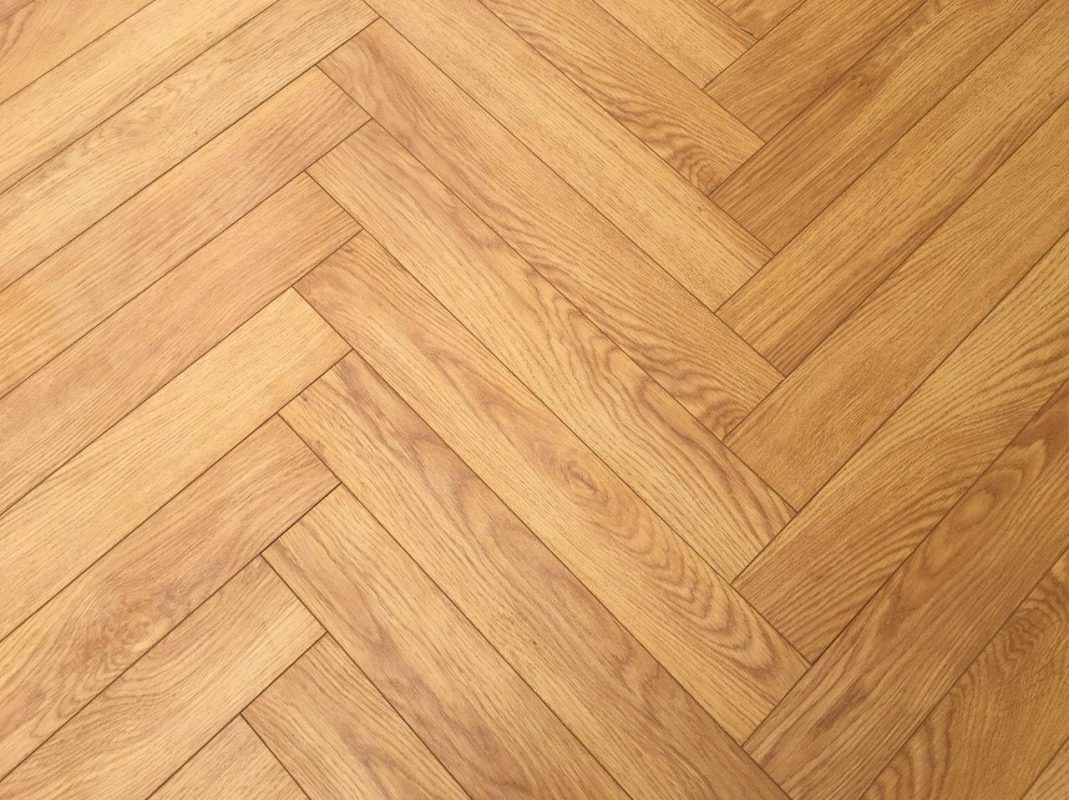
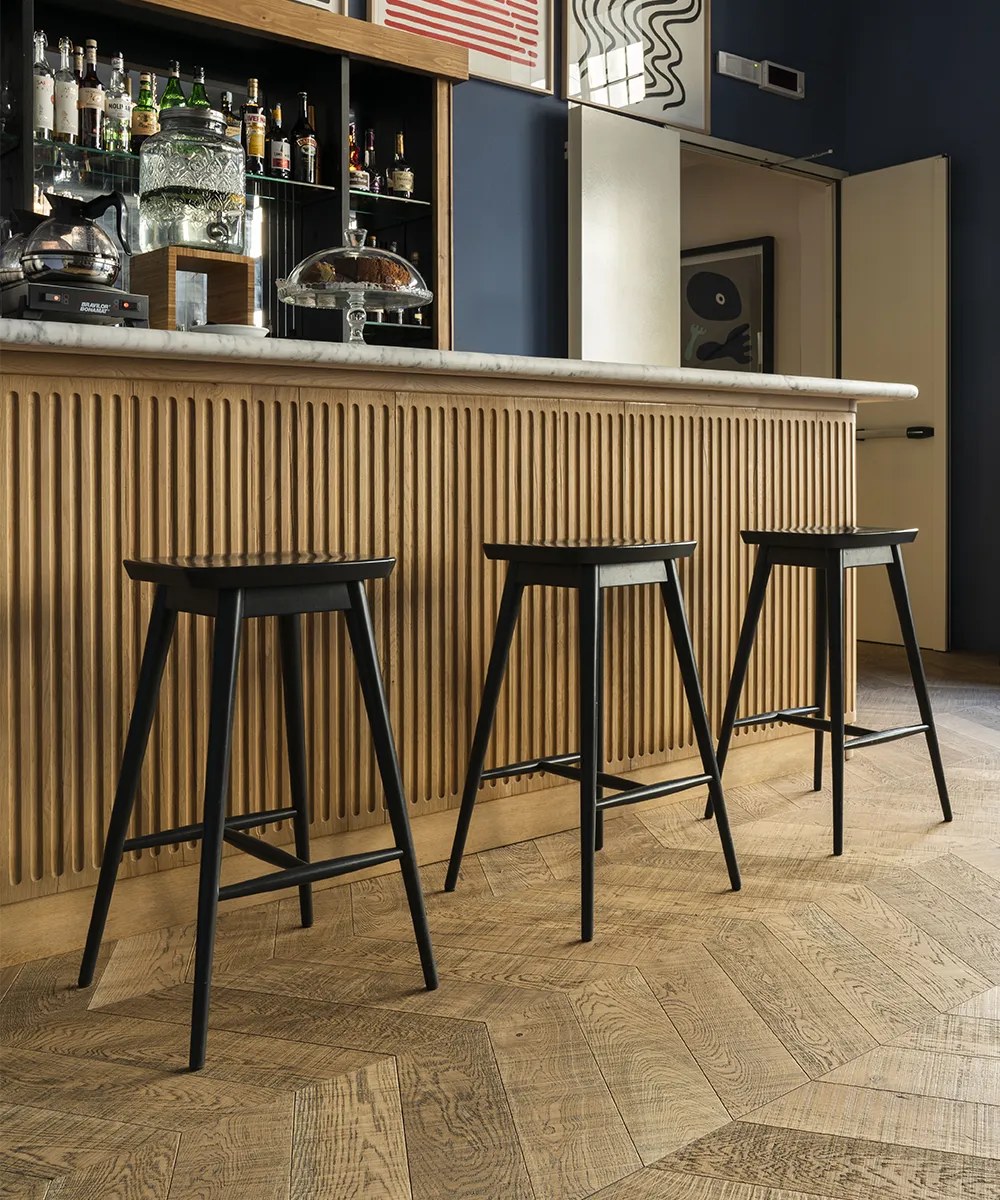
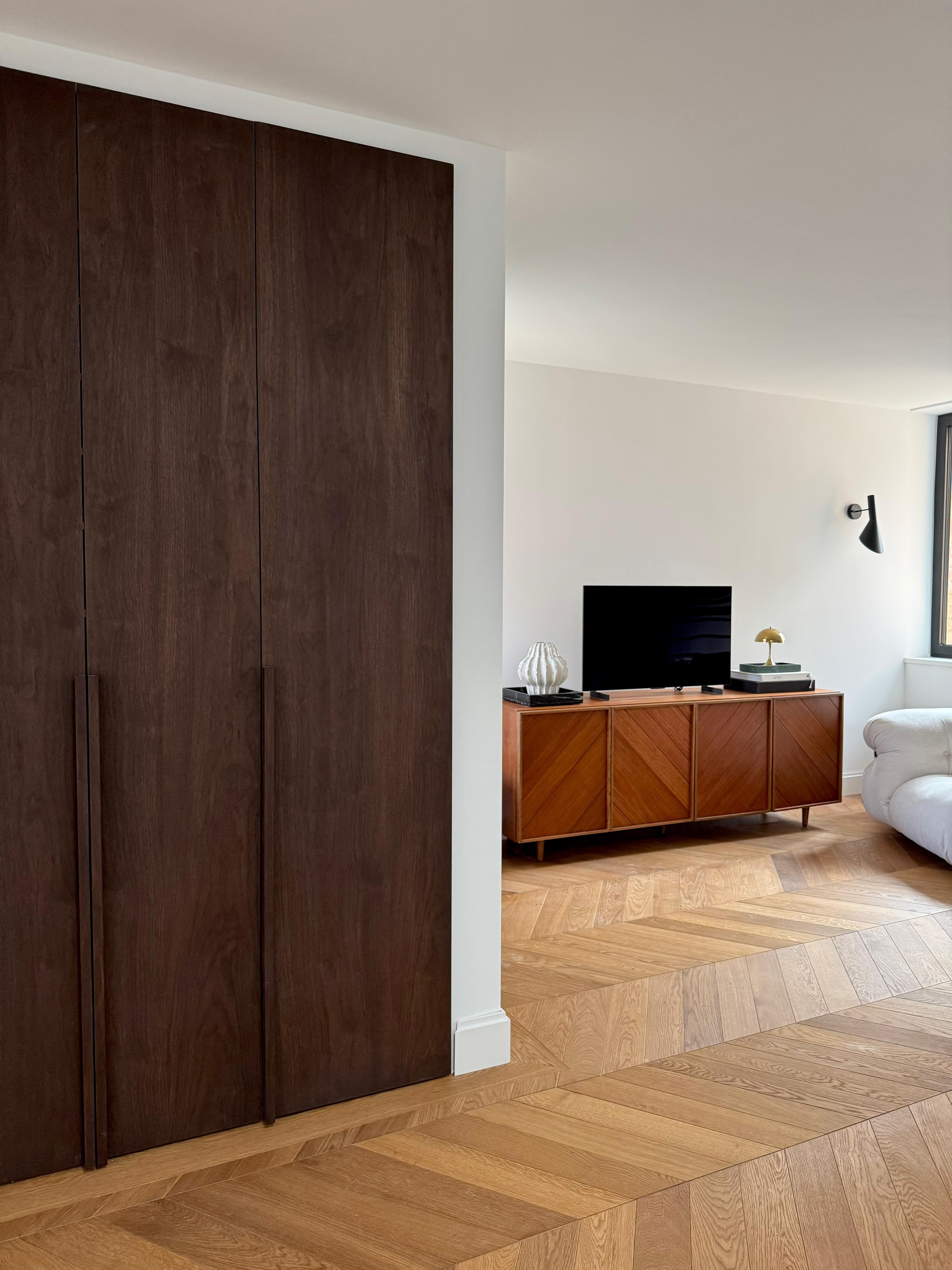
Depending on the project, Teak can be treated with different finishes and combined with a range of flooring patterns, from plank layouts to Herringbone and Chevron, producing different expressions of the same material.

This adaptability allows Teak to work across varied spaces, where its value is experienced not only at completion but throughout the life of the interior.

Longevity is only one dimension of sustainability

A wood may last for decades, but its deeper value lies in remaining appropriate to the space over that time. As architecture changes with light, furniture and patterns of living, a good material can retain its balance without feeling dated.

This is also why Teak is often considered in projects concerned with longevity and sustainability: not only for its inherent qualities, but for its ability to work with different design languages, finishes and spatial arrangements. Elements such as flooring patterns or surface finishes can give the same wood distinctly different expressions.

Understanding Teak also opens a broader view of natural materials in architecture. Every species has its own character, and its value is fully expressed only when placed in the right project context.

Explore NOËL’s natural wood species

Warranty Policy

View warranty terms

Engineered Structure

Explore the engineered wood layers

Laying Systems

Explore flooring patterns
Zalo Call
SAMPLE BOX

Exclusive Sample Collection

Request our wood flooring sample set.

Select wood type / tone
Oak - Light / Natural Tone
Walnut - Deep Tone
Ash - Natural
Teak - Natural
Herringbone / Chevron
Straight Lay